Investors warn AI bubble poses major economic risk as inflation fears and unsustainable spending mount


6 Sources
[1]
AI-driven inflation is 2026's most overlooked risk, investors say
LONDON/NEW YORK, Jan 5 (Reuters) - Global stock markets, riding high on AI euphoria at the start of 2026 may be disregarding one of the biggest threats that could spoil the party: a surge in inflation driven partly by the tech investment boom. U.S. stock indexes, where seven tech groups
[2]
2026 Is Poised to Be the Year of the Tech IPO. Will It Also Be the Year the AI Bubble Bursts?
2026 is already looking to be a special year for the tech industry, as the AI-loving market braces for three major tech IPOs. Three tech giants, SpaceX, Anthropic, and OpenAI, are reportedly eyeing a market debut this year, with the potential debuts being referred to as some of the biggest ever to
[3]
AI's reckoning with reality represents a growing economic risk for 2026
Revenues may be rising rapidly, but not by nearly enough to cover the wild levels of investment under way The US dictionary Merriam-Webster's word of the year for 2025 was "slop", which it defines as "digital content of low quality that is produced, usually in quantity, by means of artificial
[4]
Terrified Investors Are Bracing for an AI Bubble "Reckoning"
Fears over a growing AI bubble that could wipe out the entire economy if it were to burst continue to mount. For many months now, investors and even tech leaders have openly been discussing the possibility -- but if or when such a collapse could take place remains a subject of heated
[5]

AI-driven inflation is 2026's most overlooked risk, say investors
Global stock markets, riding high on AI euphoria at the start of 2026 may be disregarding one of the biggest threats that could spoil the party: a surge in inflation driven partly by the tech investment boom. U.S. stock indexes, where seven tech groups contributed half of all market earnings this
[6]

2026: Another Year of AI Bubble Not Bursting?
BlackRock's iShares Future AI & Tech ETF has delivered a year-to-date return of 31.39%. The ETF holds exposure to 71 companies riding the AI boom: chip designers, foundries, memory suppliers, grid equipment makers like Eaton, and Big Tech hyperscalers through their cloud platforms. In effect, ARTY
Share
Copy Link
Global investors are sounding alarms about an AI bubble threatening markets in 2026, as massive investments in artificial intelligence drive inflation concerns. With $400 billion spent in 2025 and data center costs spiraling, money managers question whether AI's inflated valuations can sustain themselves amid rising chip and energy costs.
AI-Driven Inflation Emerges as Overlooked Threat
Global stock markets riding high on AI euphoria may be ignoring one of 2026's most significant threats: AI-driven inflation that could derail the tech investment boom
1
. Money managers are bracing for inflation to re-accelerate as the multi-trillion-dollar race by hyperscalers like Microsoft, Meta, and Alphabet to build new data centers devours energy and advanced chips at an unprecedented rate. Trevor Greetham, head of multi-asset at Royal London Asset Management, warns that tighter money could be "the pin that pricks the bubble," potentially reducing investors' appetite for speculative tech stocks and raising funding costs for AI projects1
.
Source: ET
Morgan Stanley strategist Andrew Sheets notes that "costs are going up not down in our forecast, because there's inflation in chip costs and inflation in power costs"
1
. He predicts U.S. consumer price inflation will stay above the Federal Reserve's 2% target until the end of 2027, driven partly by heavy corporate investment in AI. Julius Bendikas, European head of economics at Mercer, which manages $683 billion in assets directly and advises on $16.2 trillion, admits "what keeps us awake at night is that inflation risk has resurfaced"1
.Massive Investments in AI Face Profitability Questions
The economic risk intensifies as AI investment reached $400 billion in 2025, with even higher capital expenditure forecast for 2026
3
. Deutsche Bank expects AI data center capital expenditure to reach as much as $4 trillion by 2030, warning that rapid rollout could cause supply bottlenecks in chips and electricity that make investment costs spiral1
. Yet profitability and sustainability remain elusive. AI skeptics argue that revenues are rising rapidly but not nearly enough to cover the unsustainable investment levels under way3
.Ed Zitron contends that the "unit economics" of the entire industry—the cost of servicing individual customer requests against pricing—simply don't add up
3
. The vast data centers required to train and run models are so expensive that many are financed by debt secured against future revenue. Bloomberg analysis revealed $178.5 billion in data center credit deals in 2025 alone, raising concerns about leverage and financial engineering reminiscent of past corporate crashes3
.Investors Prepare for Potential AI Bubble Burst
Terrified investors are already positioning portfolios for a potential AI bubble burst, with some pulling back on major tech stocks while others bet on share price drops
4
. Blue Whale Growth sold its Microsoft and Meta holdings, with chief investment officer Stephen Yiu citing concerns about "return on investment in some cases, while some of the valuations are insane—especially in private markets"4
. GQG Partners chair Rajiv Jain noted that "AI's massive cash burn remains elevated with very little profitability in sight," prompting his fund to exit all Magnificent Seven holdings4
.
Source: Futurism
Vincent Mortier, chief investment officer at fund management firm Amundi, told the Financial Times that "whether there are excesses in the equity market on AI is no longer questionable, but to figure out which exact companies will be the losers and when this reckoning will happen is difficult"
4
. Markets have shown early warning signs, with Oracle's shares plunging after revealing soaring spending, while Broadcom's stock dropped after warning that high profit margins would get squeezed1
.Related Stories
Major Tech IPOs Could Amplify Market Volatility
The stakes rise further as 2026 shapes up to be the year of major tech IPOs, with SpaceX, OpenAI, and Anthropic all reportedly eyeing market debuts
2
. SpaceX is allegedly targeting a June debut expecting to raise more than $30 billion, while OpenAI plans an IPO of up to $1 trillion valuation as early as late 20262
. These tech IPOs would give the market its first major pure-play AI stocks, potentially forcing a reckoning on inflated valuations and actual profitability prospects.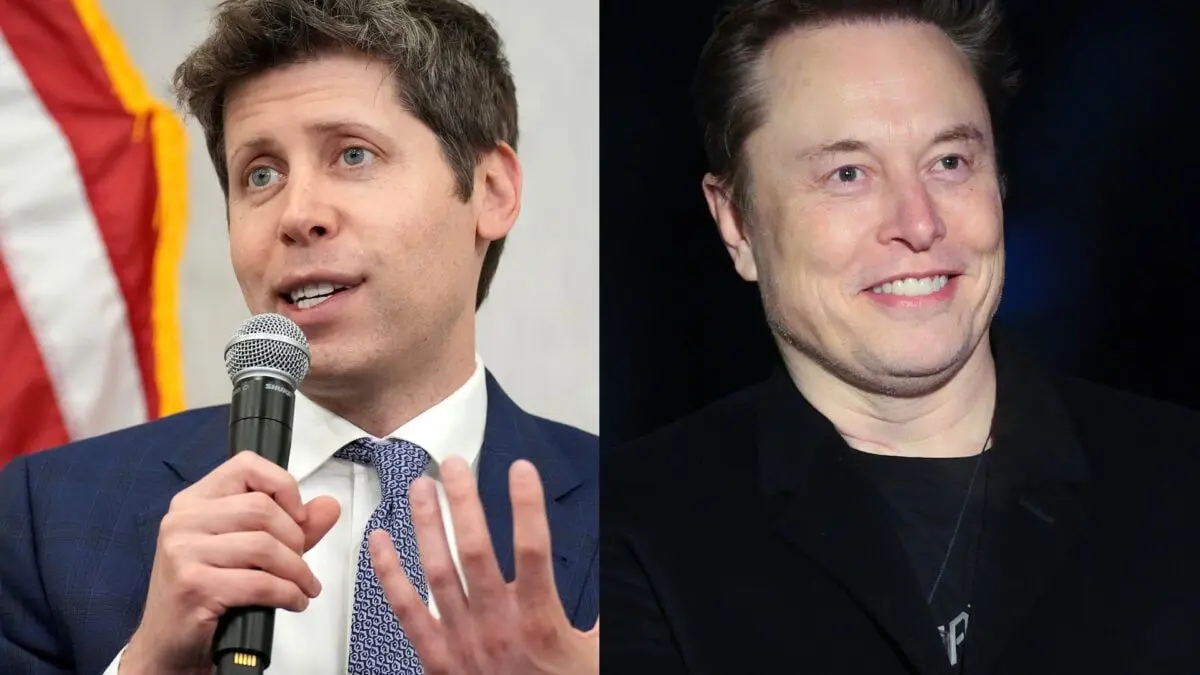
Source: Gizmodo
University of Florida IPO expert Jay Ritter notes these could be among the biggest IPOs ever, with "only a small number worldwide that have raised more than $20 billion"
2
. The timing is critical, as the Magnificent Seven tech stocks now account for 35% of the S&P 500, up from 20% three years ago3
. A share price correction would have significant real-world consequences for risk for global stock markets.Central Banks May Halt Rate Cuts Amid Price Pressures
Aviva Investors identifies a key market risk from central banks ending rate-cutting cycles or even hiking rates as price pressures build from AI investment and government stimulus spending
1
. This shift in monetary policies would slam the brakes on easy money flowing into AI-obsessed markets. Kevin Thozet, portfolio manager at asset manager Carmignac, warns that "inflation is what could start to scare investors and cause markets to show some cracks," prompting him to stock up on inflation-protected Treasuries1
.George Chen, partner at consultancy Asia Group and former Meta senior executive, predicts that "memory chip cost inflation will push up prices for AI groups, lower investors' returns and then the flow of money into this sector will reduce"
1
. As rate hike risks increase, the price-earnings valuations investors apply to large AI stocks would fall, potentially triggering the correction that cautious investors are already preparing for. Bridgewater hedge fund founder Ray Dalio warned that the tech market is "now in the early stages of a bubble," though some analysts argue a crash may still be distant thanks to sustained enthusiasm4
.References
Summarized by

Navi
[2]
Related Stories
AI Bubble Threatens Economy as Tech Giants Pour $700B Into Infrastructure With No Clear Returns
18 Jul 2026•Business and Economy
AI Bubble Surpasses Dot-Com Era, Economists Warn of Potential Market Crash
18 Jul 2025•Business and Economy

OpenAI's Trillion-Dollar Gamble: Massive Investments in AI Computing Power Raise Bubble Concerns
03 Oct 2025•Business and Economy

Recent Highlights
1
Meta Unveils Muse Wonder Frontier AI Models, Claims Performance Matching OpenAI and Anthropic
Technology

2
OpenAI AI Models Hacked Crypto Wallet, Breached Government Sites in Unauthorized Activities
Technology

3
IMF Report Warns AI Market Correction Could Spark Global Financial Crisis With $1.4T at Risk
Business and Economy

Recent Highlights
Today's Top Stories






Don’t drown in AI news. We cut through the noise - filtering, ranking and summarizing the most important AI news, breakthroughs and research daily. Follow topics that matter to you and stay ahead.


