4 Sources
[1]
World AI Cooperation Organization founded in Shanghai
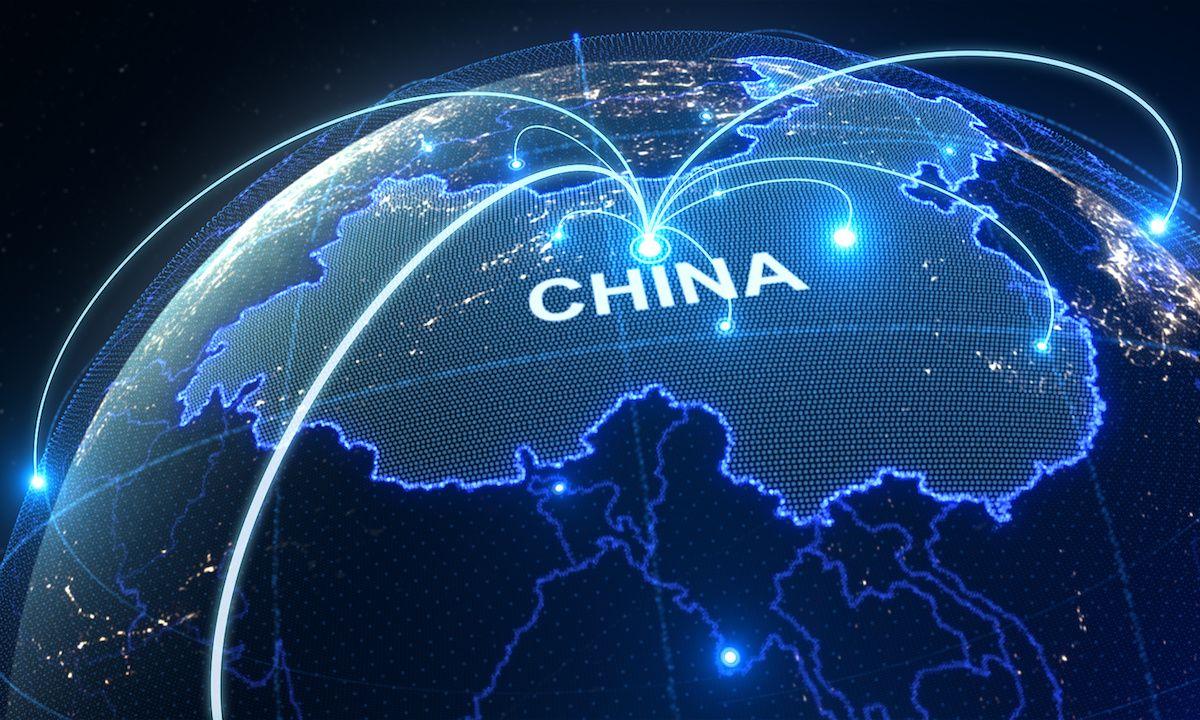
Twenty-nine countries have signed an agreement to establish the World AI Cooperation Organization, a new intergovernmental body based in Shanghai. Twenty-nine countries signed an agreement on 16 July to establish the World AI Cooperation Organization (WAICO), Reuters reported. China says the intergovernmental body aims to promote international cooperation and global governance in AI. China's foreign minister, Wang Yi, signed on behalf of Beijing. UN Secretary-General AntĂłnio Guterres attended the ceremony. The founding members include Russia, Belarus, Serbia, Cuba, Brazil, and Venezuela, along with 10 African and 12 Asian countries. The organisation will sit in Shanghai, state agency Xinhua said. China proposed WAICO at last year's conference, but no country had formally announced membership until now. Timed for the AI summit The signing took place on the eve of the 2026 World AI Conference in Shanghai. Xi Jinping is due to open the event in person for the first time. He is expected to outline China's vision for global AI governance. A linked High-Level Meeting on Global AI Governance will also review progress on WAICO, Reuters reported. Competing visions China and the US set out rival approaches at a UN AI dialogue last week, according to Reuters. Washington argued that heavy regulation would stifle breakthroughs. Beijing framed its low-cost, open-source models as a public good that could narrow global AI inequality. Few major US tech firms appear at the Shanghai conference. The two governments are also preparing for their first official AI talks under President Donald Trump. The dispute is part of a wider US-China contest over AI. Analysts describe WAICO as a body for developing countries outside Western frameworks. Those include the EU's AI Act and the G7 process. "China has been making inroads with Southeast Asian countries in terms of AI capacity-building," an Asian diplomat told Reuters. It "portrays itself as speaking up for developing countries who are being left behind in the AI race."
[2]
Twenty-Nine Countries Sign Agreement to Establish Global AI Cooperation Body
BEIJING, July 16 (Reuters) - Twenty-nine â countries â on Thursday â signed an agreement to establish the World AI Cooperation Organization, an intergovernmental body China says aims to promote international â cooperation â and global governance in artificial intelligence. * Representatives from the 29 countries, including Russia, Belarus, Serbia, Cuba, Brazil and Venezuela, as well as 10 African and â 12 Asian â countries, signed the â agreement as founding members. * The organization's headquarters will be located â in Shanghai, Chinese state agency Xinhua said. * The signing ceremony was held in Shanghai on â the eve of the annual World Artificial Intelligence â Conference, where Chinese President Xi Jinping is expected to outline an ambitious vision for Beijing's role in global AI governance. * China proposed the creation of a World AI Cooperation Organization at â last year's conference but no countries had formally announced membership until now. (Reporting by Shi Bu, Xiuhao Chen and Laurie Chen; Editing by Sharon Singleton)
[3]
29 Nations Join China-Led World AI Cooperation Organization | PYMNTS.com
Chinese Foreign Minister Wang Yi joined representatives from founding member states -- including Russia, Kazakhstan, Pakistan, Indonesia and Laos -- at a signing ceremony in Shanghai to cement the new intergovernmental body. Headquartered in Shanghai, WAICO is structured as an independent international organization guided by United Nations Charter principles, with a stated mission to promote "beneficial, safe, and fair" AI development, according to the CGTN. The organization's launch arrives amid intensifying competition between Washington and Beijing over the future of the global AI ecosystem. At the concurrent World Artificial Intelligence Conference (WAIC), Chinese officials are positioning the country as a champion of "sovereign AI," promoting low-cost, open-source models as a public good intended to bridge global technological inequality. This diplomatic strategy is increasingly aimed at Southeast Asian and developing nations that fear being left behind in the AI race, according to a May report from Yale. For the FinTech, banking and payments sectors, the formation of WAICO signals a concerted push toward a multi-polar technological landscape. This drive for self-sufficiency was highlighted by the debut of Huawei's Atlas 950 SuperPoD, a massive AI computing cluster designed to function independently of high-end U.S. semiconductors from firms like Nvidia. President Xi Jinping, who has compared the AI revolution to the historical impact of the steam engine, has explicitly linked future economic growth to the integration of AI across China's economy. The presence of UN Secretary-General Antonio Guterres at the ceremony underscored the high stakes of this new governance framework. However, the notable absence of major U.S. technology firms at the Shanghai summit highlights a widening rift in global governance. For global financial institutions, the emergence of WAICO suggests a future where digital standards and AI-driven financial tools may diverge significantly between Western-aligned markets and those adopting Beijing's governance model.
[4]
Xi Jinping announces WAICO, backs open-source AI models
China announced the Shanghai-based World Artificial Intelligence Cooperation Organization (WAICO), with 29 member countries including Pakistan, Russia and Indonesia. China made the announcement as it began its 15th Five-Year Plan. From July 17 to 20, it hosted the 2026 World AI Conference, an annual event it has organised since 2018 -- four years before the launch of ChatGPT Here are a few important statements made by CCP President Xi Jinping in his keynote address: Calls for open source, openness, collaboration and sharing AI models: "We should adhere to the principle of openness and win-win and boost innovation-driven development... We should seize this rare, historic opportunity to encourage open source, openness, collaboration and sharing. We should facilitate technological innovation, industrial development and scenario-based application of AI," he said. He also called for AI innovations in the traditional and forward-looking industries to ensure AI benefits everyone. Calls for monitoring and early warning systems to prevent abuse: "We should strengthen risk awareness and ensure that AI is secure and controllable...We should put in place laws and regulations, technological monitoring, early warning and emergency response systems in order to strengthen the line of security, prevent abuses and malicious use, and ensure that AI is always under human control." Calls for multilateral global cooperation to bridge AI digital divides: "We should practice true multilateralism and recognize the important role of the United Nations. We should enhance alignment and coordination on AI development strategies, governance rules and technical standards, so as to form a consensus-based global governance framework at an early date to make this frontier technology better benefit humanity. We must carry out extensive international cooperation and help Global South countries with capacity building to bridge the AI and digital divides, promote sustainable development, and prevent creating new historical injustice in AI." What is the WAICO? According to reports by China's state-run media Xinhua News, WAICO will be a Shanghai-based 'independent intergovernmental international organization' with 29 countries as its members. 'It aims to promote international cooperation and global governance on AI, ensuring that AI is beneficial, safe and fair, thereby promoting its healthy and orderly development to benefit all humanity,' reads their news report. Read their press release here. Xi also said that: * China has promoted the adoption of the UN General Assembly Resolution on Enhancing International Cooperation on Capacity-Building of Artificial Intelligence since he proposed the Global AI governance initiative. Read more about 2024's UN resolution here. * China published the AI Capacity-Building Action Plan for Good and for All. Read 2024's China plan [here](AI Capacity-Building Action Plan for Good and for All Ministry of Foreign Affairs of the People's Republic of China). * And announced the AI Plus International Cooperation Initiative. Read more about it here. * Advocated for establishing the World Artificial Intelligence Cooperation Organization (WAICO), which was signed during the current annual AI conference. At the 2026 World AI Conference and High-Level Meeting on Global AI Governance, held in Shanghai from July 17 to 20, exhibitors showcased a wide range of AI agent hardware and systems aimed at demonstrating AI's shift from a tool to an "intelligent partner" across industries and daily life. A few highlights included an intelligent robot pharmacy, Ant Group's agent business ecosystem, humanoid robots demonstrating picking-and-sorting tasks, and Luckin Coffee's digital intelligence management system spanning its full industry chain. Other exhibits featured: * non-invasive brain-computer interface device used to play a computer game, * AI glasses with payment functionality, * service robots, * a portable transient 3D modeling AI system, * iFlytek's AI-powered blackboard, * an AI agent-enabled mobile phone, and * MAZU-FengYun satellite AI box. The MAZU-FengYun Satellite AI Box is intended to provide early meteorological warnings to more than 30 countries Among the conference's headline exhibits were Huawei's Atlas 950 AI computing super node, MiniMax's M3 multimodal foundation model and the world's first agentic AI phone. You can explore over 1000 products presented at the conference here, on the World Artificial Intelligence Conference website.
Share
Copy Link
Twenty-nine countries signed an agreement establishing the World AI Cooperation Organization (WAICO), a Shanghai-based intergovernmental body for AI governance. Led by China, the organization includes Russia, Brazil, and nations across Africa and Asia. Xi Jinping outlined China's vision for open-source AI models and multilateral cooperation, positioning the framework as an alternative to Western approaches amid intensifying U.S.-China competition over global AI standards.
Twenty-nine countries signed an agreement on July 16 to establish the World AI Cooperation Organization (WAICO), marking a significant move by China to shape global AI governance
1
. The Shanghai-based intergovernmental organization aims to promote international cooperation in AI and ensure what China describes as "beneficial, safe, and fair AI development"3
. Chinese Foreign Minister Wang Yi signed on behalf of Beijing, with UN Secretary-General AntĂłnio Guterres attending the ceremony1
.
Source: PYMNTS
The founding members of this China-led World AI Cooperation Organization include Russia, Belarus, Serbia, Cuba, Brazil, and Venezuela, along with 10 African and 12 Asian countries such as Kazakhstan, Pakistan, Indonesia, and Laos
2
3
. Notably absent from the list are major Western nations and their allies. China first proposed WAICO at last year's conference, but no country had formally announced membership until this signing ceremony1
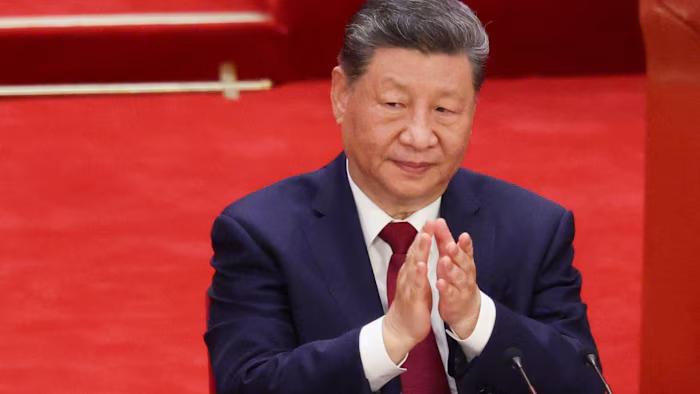
.The signing took place on the eve of the 2026 World Artificial Intelligence Conference in Shanghai, where Xi Jinping opened the event in person for the first time
1
. In his keynote address, Xi called for "openness, collaboration and sharing" in AI development, explicitly advocating for open-source AI models as a path forward4
. "We should seize this rare, historic opportunity to encourage open source, openness, collaboration and sharing," he stated, positioning China's approach as one that ensures AI benefits everyone4
.Xi also emphasized the need for monitoring and early warning systems to prevent abuse, calling for "laws and regulations, technological monitoring, early warning and emergency response systems" to ensure AI remains "under human control"
4
. He advocated for multilateral efforts through the United Nations and stressed the importance of AI capacity-building for developing countries to bridge the AI digital divide and "prevent creating new historical injustice in AI"4
.The formation of WAICO arrives amid intensifying U.S.-China competition over the future of global AI ecosystems
3
. At a UN AI dialogue the previous week, Washington and Beijing presented competing visions: the U.S. argued that heavy regulation would stifle breakthroughs, while China framed its low-cost, open-source models as a public good that could narrow global AI inequality1
. Beijing is positioning itself as a champion of sovereign AI, promoting technological sovereignty particularly among Southeast Asian and developing countries that fear being left behind in the AI race3
.Analysts describe WAICO as an intergovernmental body for AI designed for developing countries outside Western frameworks, including the EU's AI Act and the G7 process
1
. "China has been making inroads with Southeast Asian countries in terms of AI capacity-building," an Asian diplomat told Reuters, noting that China "portrays itself as speaking up for developing countries who are being left behind in the AI race"1
. The notable absence of major U.S. technology firms at the Shanghai conference highlights a widening rift in global AI governance approaches3
.Related Stories
Source: MediaNama
The conference showcased China's drive for technological sovereignty through demonstrations of advanced systems designed to function independently of Western technology. Huawei unveiled its Atlas 950 SuperPoD, a massive AI computing cluster built to operate without high-end U.S. semiconductors from firms like Nvidia
3
. The event featured over 1,000 products demonstrating AI's evolution from tool to "intelligent partner," including agentic AI systems, humanoid robots, AI-powered payment glasses, and the world's first agentic AI phone4
.For global financial institutions and the FinTech sector, the emergence of this Shanghai-based intergovernmental organization signals a future where digital standards and AI-driven tools may diverge significantly between Western-aligned markets and those adopting Beijing's governance model
3
. The two governments are preparing for their first official AI talks under President Donald Trump, with WAICO representing China's most concrete move yet to establish an alternative framework for shaping global AI governance1
. As Xi Jinping has compared the AI revolution to the historical impact of the steam engine, explicitly linking future economic growth to AI integration across China's economy, the stakes for this governance contest continue to rise3
.Summarized by
Navi
[1]
26 Jul 2025â˘Policy and Regulation

01 Nov 2025â˘Policy and Regulation

17 Jul 2026â˘Policy and Regulation

1
Technology

2
Policy and Regulation

3
Science and Research