A company struck a musician's folk song video. It folded after one journalist called.


2 Sources
[1]
AI music company claims copyright over musician's own recording, gets her YouTube video removed
Serving tech enthusiasts for over 25 years. TechSpot means tech analysis and advice you can trust. WTF?! There are worse things AI can do to music streaming services than fill them with slop tracks. Take, for example, the recent case of an AI content company founded last year that claimed
[2]
How an AI Content Mill Put a Real Musician Through Copyright Hell
'I can't get in touch with a human being.' A company founded last year said it owns the copyright on an artist's five year old recording. When writer and musician Samantha Shokin noticed her cover of a public domain Bulgarian folk song had been copyright struck on YouTube, she assumed it would be
Share
Copy Link
A musician's four-year-old cover of a Bulgarian folk song came down from YouTube in October after a copyright strike from a company she had never heard of. It went back up only after a journalist started asking questions
2
1
.
Source: 404 Media
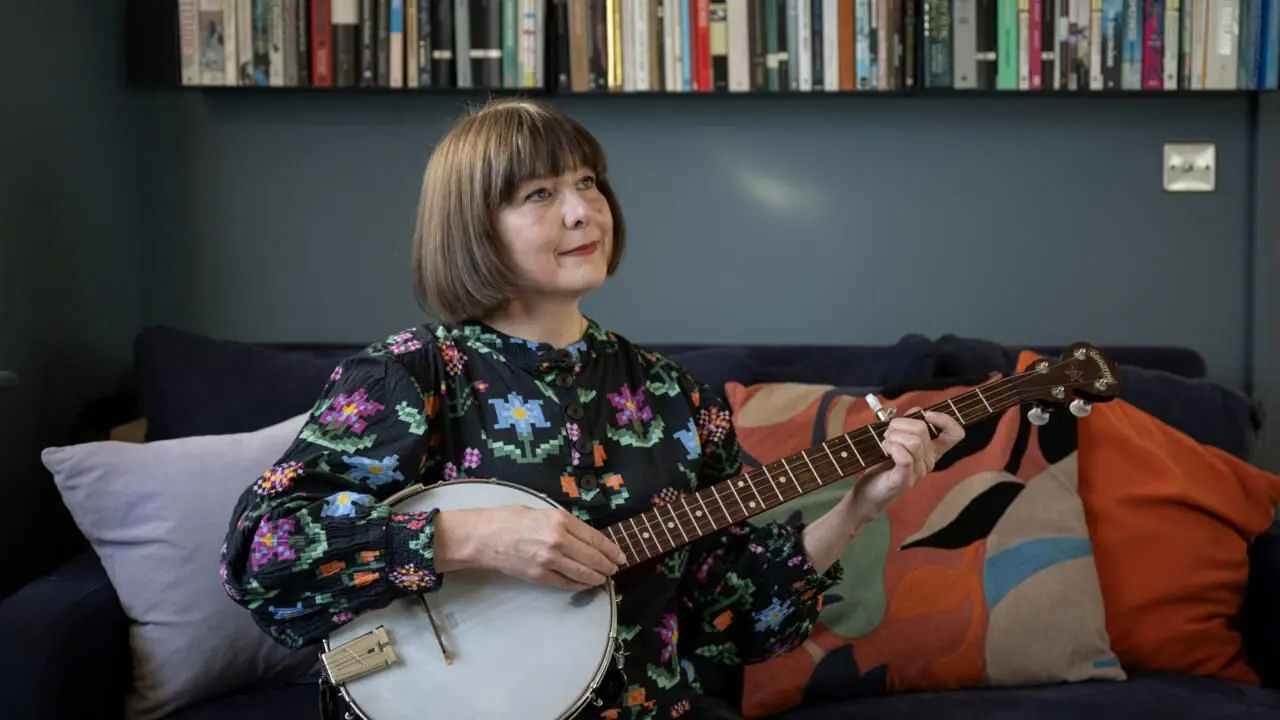
Samantha Shokin, a writer and musician, recorded a 50-second cover of "Bre Petrunko" during the pandemic and posted it to SoundCloud, then YouTube, where it drew about 125,000 views over four years
2
1
. The song itself has no known writer; Bulgarian composer Philip Koutev popularized an arrangement of it in 1963, and the copyright to that arrangement belongs to the Smithsonian2
1
. Shokin filed two counter-notifications with YouTube. Both were denied, with the platform saying it was unclear whether she had a valid reason and pointing her back to the copyright holder2
1
. She could not reach Media Nov Records by email or phone, and 404 Media said its calls to the company's listed Los Angeles number hit a busy line every time2
.Who is Media Nov Records?
The company describes itself as a distribution business, but its website pushes automated takedowns under the DMCA and AI-powered content recognition
2
1
. It told 404 Media it runs 500 YouTube channels; four that the outlet examined held hundreds of videos pairing AI-generated art with looping electronic beats, often with fewer than 100 views each2
1
. Irish corporate records show the company was founded a little over a year ago, despite a website claim of existence since 1996. Its two shareholders gave addresses in Turkey, and its listed offices are an apartment building in Los Angeles and the Black Church in Dublin, all on the record of a company its website says has existed since 19962
1
.The company invoked Koutev's composition and arrangement rights in its defense, but it never answered 404 Media's question about which catalog work had set off the complaint
2
1
. Alfred Steiner, an artist and copyright lawyer, questioned what Shokin could even be infringing, given a 19th-century folk song, her own voice and her own performance2
. He speculated the company is small and understaffed, filing automated takedowns for tracks it ostensibly holds rights to, and likely taking down far more than it has the right to2
.Withdrawn, with a reason that doesn't hold
After 404 Media got in touch, Media Nov said it would investigate, then asked Shokin for documentation proving she owned her own recording
2
1
. Minutes later it withdrew the claim, saying the video had "not generated revenue or received views," despite its roughly 125,000 views, while reserving the right to sue2
. YouTube restored the video about 24 hours later, and a spokesperson confirmed the restoration followed the claimant's withdrawal2
1
.Shokin's voice had been taken without permission before. DJs sampled it through a Loopmasters sample pack called "Folk Legends". One track built on it has more than 4 million views. The distributor apologized and paid her royalties once she found out
2
1
. This time, the company had ignored emails from Shokin and Loopmasters, which it later blamed on a spam folder, and engaged only once 404 Media made contact2
1
.She told 404 Media she felt vindicated, but not by the process that was supposed to protect her. "Any human would agree with me that there's something clearly wrong here that needs to be fixed, but I can't get in touch with a human being," she said
2
. "The whole system is broken. It feels like a broken system." Her own view is that the company acted out of fear of bad press2
. Steiner noted that false takedown claims can create liability for damages and attorney's fees2
.Related Stories

References
Summarized by

Navi
[1]
Related Stories
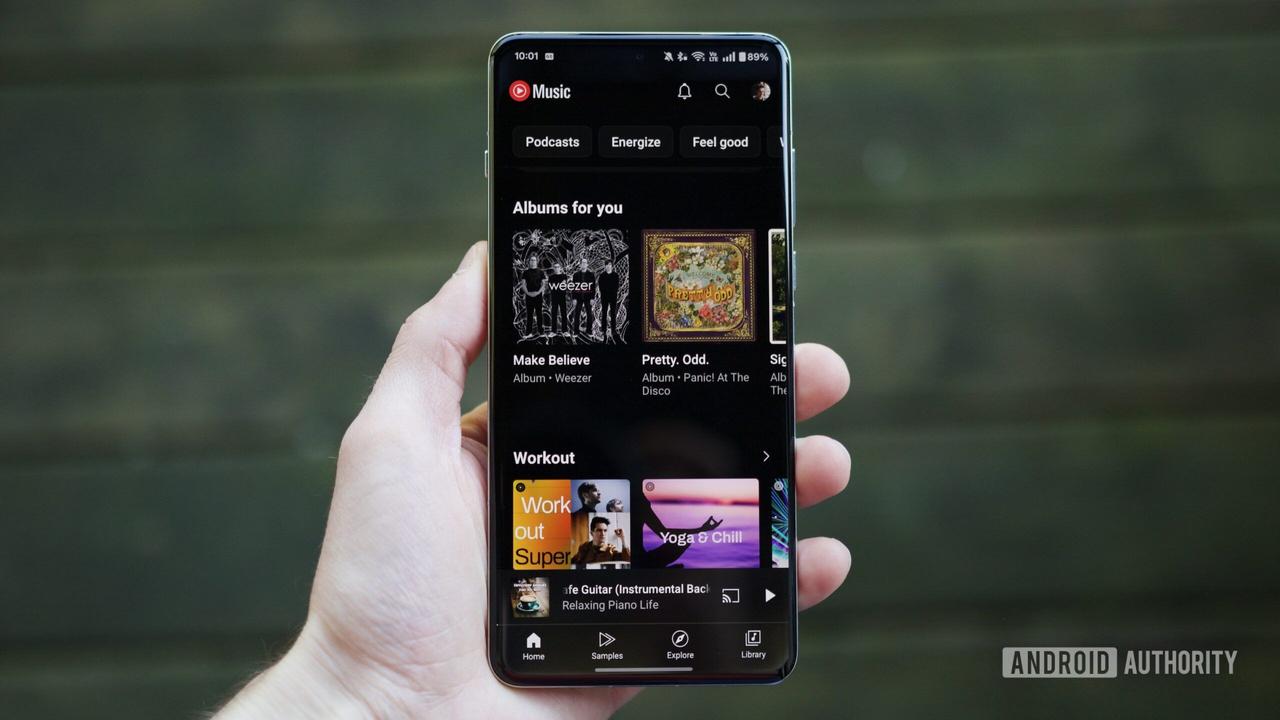
YouTube Music users furious as AI slop floods recommendations, threatening paid subscriptions
06 Jan 2026•Technology
AI music floods Spotify as frustrated listeners build blockers and demand transparency
28 Apr 2026•Entertainment and Society

Musicians sound alarm as AI impersonators flood streaming platforms with fraudulent tracks
16 Dec 2025•Entertainment and Society
Recent Highlights


Recent Highlights
Today's Top Stories









Don’t drown in AI news. We cut through the noise - filtering, ranking and summarizing the most important AI news, breakthroughs and research daily. Follow topics that matter to you and stay ahead.


