AI adoption weakens graduate jobs in Ireland as tech employment for young workers falls 20%


3 Sources
[1]
AI adoption already hitting Irish graduate jobs, finance department says
DUBLIN, Feb 18 (Reuters) - Early evidence suggests artificial intelligence is weakening employment opportunities in some parts of Ireland's technology-focused economy, particularly for young graduates, research by Ireland's finance department found. Ireland's strong labour market is relatively
[2]
Entry-level tech and finance workers in Ireland are losing their jobs thanks to AI. Could that be a warning sign for the U.S.? | Fortune
As companies send mixed signals about how AI will impact white-collar jobs, one thing is certain: entry-level jobs are facing the brunt of AI uncertainty -- and the effects are being felt around the world. A new report from the Irish Department of Finance found that AI's impact on the labor market
[3]
AI adoption already hitting Irish graduate jobs, finance department says
Early evidence suggests artificial intelligence is weakening employment opportunities in some parts of Ireland's technology-focused economy, particularly for young graduates, research by Ireland's finance department found. Early evidence suggests artificial intelligence is weakening employment
Share
Copy Link
Ireland's finance department reveals AI adoption is already weakening employment opportunities for young graduates, particularly in tech and financial services. Employment among 15 to 29 year-olds in technology firms fell 20% between 2023 and 2025, while prime-age workers saw 12% growth. The findings suggest Ireland may be at the frontier of AI-driven labor market changes, with implications for other advanced economies.
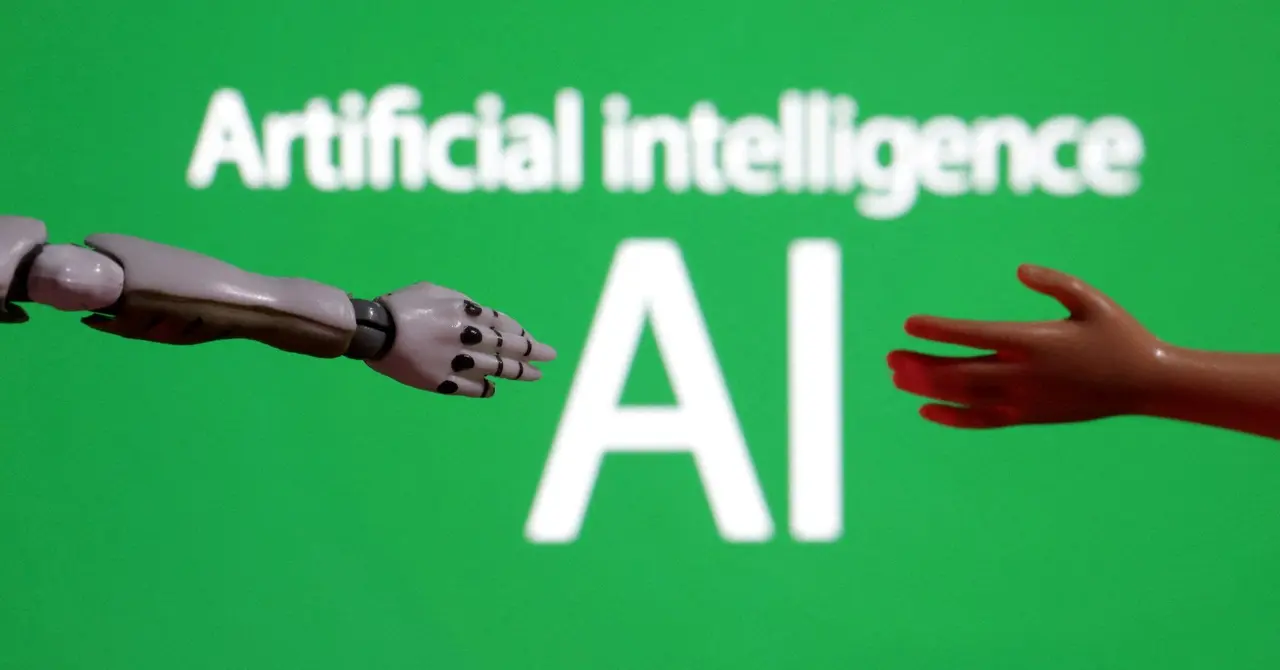
AI Adoption Reshapes the Irish Labour Market
New research from Ireland's finance department reveals early evidence that AI adoption is weakening employment opportunities in the country's technology-focused economy, particularly affecting graduate jobs
1
. The Irish labour market faces relatively higher AI exposure than the average advanced economy due to its concentration of knowledge-intensive roles in tech, science, and financial services sectors3
.The data paints a stark picture of declining employment for young workers in sectors with high-AI risk. Employment among 15 to 29 year-olds in the "at risk" cohort fell by 1% between 2023 and 2025, with technology firms showing a dramatic 20% decline
1
. During the same period, employment among tech workers aged 30 to 59 grew by 12%, highlighting a sharp generational divide in how AI disruption affects different age groups2
.Job Stagnation for Young Workers in High-Risk Sectors
Entry-level tech and finance workers are experiencing the most severe negative impact on job prospects. Sectors with high-AI risk, including financial services, tech, information and communications, experienced significantly weaker employment growth of only 4% between 2023 and 2025
2
. In comparison, medium-risk companies saw 4.5% growth, while low-risk sectors like construction and healthcare experienced 6.25% growth1
.The research found that in sectors with lower AI exposure, employment growth among younger workers actually outpaced that of older workers, suggesting these trends cannot be explained by a broader downturn affecting young people
3
. This pattern indicates the challenges are specific to AI-driven labor market changes rather than general economic conditions.Ireland as a Case Study for Global AI-Related Labor Market Adjustments
Ireland serves as a critical test case for understanding how job automation affects advanced economies. The country of 5.3 million people hosts a high concentration of international tech, banking, and insurance conglomerates
2
. In November 2025, over 11% of all job postings in Ireland on Indeed referenced AI-related terms, around three times the level recorded in both the U.S. and Europe2
.Youth unemployment in Ireland has risen to almost 12%, climbing since the third quarter of 2024
2
. This is particularly concerning given that Ireland has the highest share of STEM graduates per capita in the E.U. and is frequently ranked as a top country for AI talent2
. The report notes that "AI-related labour market adjustments have occurred mainly through changes in hiring and entry, rather than through the displacement of existing workers"2
, suggesting companies are using AI to reduce new hiring rather than replacing current employees.Related Stories

Warning Signs for the United States and Global Markets
The Irish experience may signal what's ahead for other developed economies. Early-career Americans aged 22 to 25 working in the most AI-exposed occupations have experienced a 16% relative decline in employment, according to research from the Stanford Institute for Economic Policy Research
2
. Microsoft AI chief Mustafa Suleyman warned that all white-collar jobs involving "sitting down at a computer" will be automated by AI within the next 18 months2
.Even more measured voices like Anthropic CEO Dario Amodei have projected that AI could eliminate half of all entry-level, white-collar jobs within five years
2
. These predictions align with the substitution effects already visible in Ireland's labor market data.Government Response and Worker Up-Skilling Initiatives
Finance Minister Simon Harris stated that the analysis suggests Ireland may be at the frontier of AI labour market changes and that the government must invest in worker up-skilling and re-skilling in exposed sectors
1
. The report's authors recommend policy interventions to support workforce adaptation2
.While researchers acknowledged it may be premature to attribute all changes solely to AI-driven substitution effects, the concentrated impact on entry-level positions in technology firms and financial services suggests a clear pattern
3
. The Trump Administration in the U.S. has put forward an AI Action Plan involving retraining workers, though details on which industries and demographics will be targeted remain unclear2
. As Ireland's experience demonstrates, the window for proactive intervention may be narrowing as hiring changes accelerate across knowledge-intensive sectors globally.References
Summarized by

Navi
Related Stories
AI's Impact on Entry-Level Jobs: A Growing Concern for Recent Graduates
30 Jul 2025•Business and Economy

AI Displacement Hits Entry-Level Workers Hardest: Employment Down 19% in Most Exposed Fields
19 Aug 2026•Business and Economy
AI's Impact on Entry-Level Jobs: Stanford Study Reveals Decline in Opportunities for Young Workers
26 Aug 2025•Technology

Recent Highlights



Recent Highlights
Today's Top Stories



Don’t drown in AI news. We cut through the noise - filtering, ranking and summarizing the most important AI news, breakthroughs and research daily. Follow topics that matter to you and stay ahead.


