AI and 3D Printing Revolutionize Safety Monitoring in Small Nuclear Reactors


2 Sources
[1]
AI and 3D printing combine for advanced monitoring of small nuclear reactors
by JooHyeon Heo, Ulsan National Institute of Science and Technology As the demand for electricity rises in the age of artificial intelligence (AI), global tech companies are focusing on small nuclear reactors as a sustainable energy solution. A new remote monitoring technology using advanced AI is
[2]
Small nuclear reactors get safety boost with 2-sec AI hazard alert
At a time of increasing demand for sustainable electricity across the world, scientists are focusing to develop small nuclear reactors. To make innovations safer, researchers have turned to a new technology powered by AI that can detect potential hazards in these reactors in seconds. Called smart
Share
Copy Link
Researchers develop an AI-powered smart component system for remote monitoring of small nuclear reactors, combining 3D printing and optical fiber sensors to detect hazards within two seconds.

Innovative AI-Powered Monitoring System for Small Nuclear Reactors
In response to the growing demand for sustainable energy solutions in the AI era, researchers have developed a groundbreaking remote monitoring technology for small nuclear reactors. This innovative system, which combines artificial intelligence and 3D printing, can detect potential hazards within a mere two seconds, significantly enhancing safety and operational efficiency
1
2
.The Smart Component System
A research team led by Professors Im Doo Jung and Namhun Kim from the Ulsan National Institute of Science and Technology (UNIST), in collaboration with Professor Hyungmo Kim from Gyeongsang National University, has introduced a smart component system for remote surveillance of small nuclear reactors
1
.The system incorporates embedded optical fiber sensors that continuously monitor reactor components and alert users to any abnormal conditions. This breakthrough technology integrates 3D printing with AI, enabling rapid processing of multiple continuous variables from the optical fiber sensors
1
2
.Advanced Manufacturing and AI Integration
The team successfully manufactured smart nuclear parts using a Directed Energy Deposition (DED) printing method. This process seamlessly integrates fiber optic sensors within metal components, ensuring stability even in the harsh environments typical of nuclear reactors
1
.The AI system rapidly analyzes data from the optical sensors to monitor thermal deformation in real-time. This allows operators to detect irregularities and assess conditions remotely through an augmented reality (AR)-based digital twin interface
1
.Related Stories

Enhancing Safety and Efficiency of Microreactors
Microreactors (MRs), a type of small nuclear reactor, can provide stable power generation near energy-intensive facilities. These compact reactors, small enough to be transported by truck, can produce 1-20 megawatts of thermal energy for various applications, including electricity generation, district heating, water desalination, and hydrogen fuel production
2
.The new AI-powered monitoring technology is poised to significantly enhance the safety and operational efficiency of these next-generation small nuclear reactors. It enables AI to monitor critical thermal deformation signals that are often undetectable by human inspection
1
.Future Applications and Implications
Professor Jung highlighted that this convergence technology could extend its applications beyond nuclear power, potentially benefiting diverse industries such as autonomous manufacturing systems, aerospace, and advanced defense
1
.As the world continues to seek sustainable energy solutions, this innovative approach to reactor safety and monitoring represents a significant step forward in making small nuclear reactors a viable and secure option for meeting growing energy demands in the age of AI.
References
Summarized by

Navi
[2]
Related Stories
US Lab Deploys AI to Monitor 4,000 Nuclear Reactor Channels and Prevent Hidden Blockages at 932°F
22 Sept 2026•Technology

Microsoft and Nvidia deploy AI to accelerate nuclear power plants for data center energy demands
24 Mar 2026•Technology
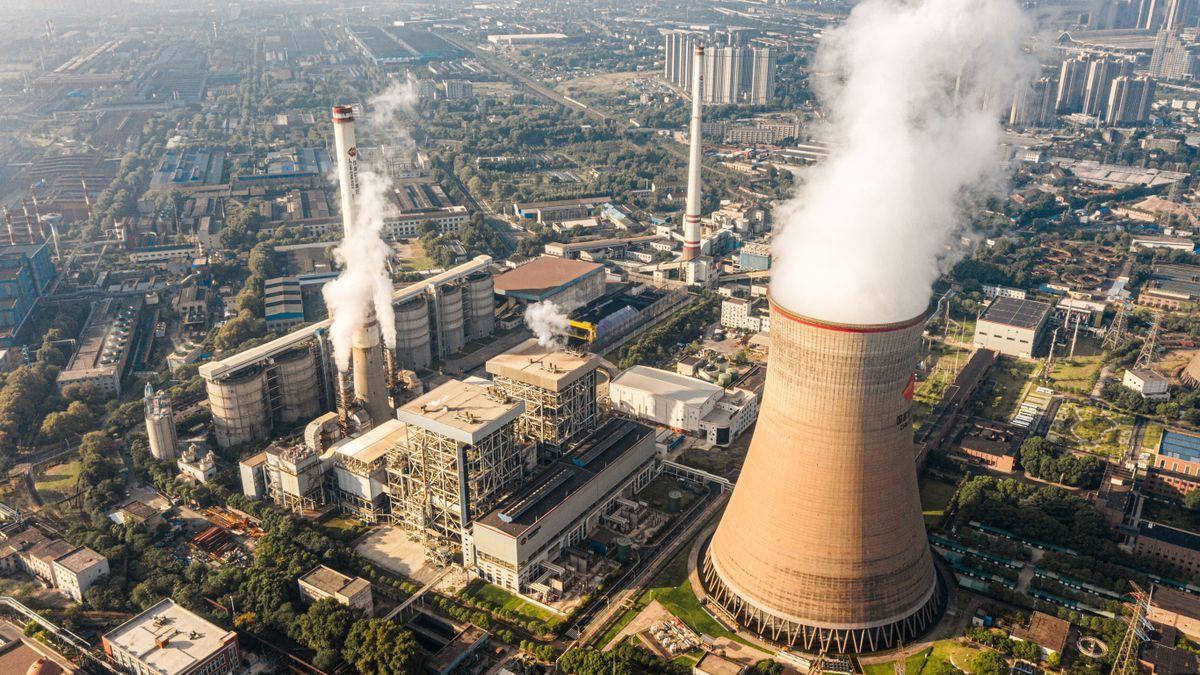
Universities and China test nuclear reactors to power AI data centers amid soaring energy demands
30 Apr 2026•Technology
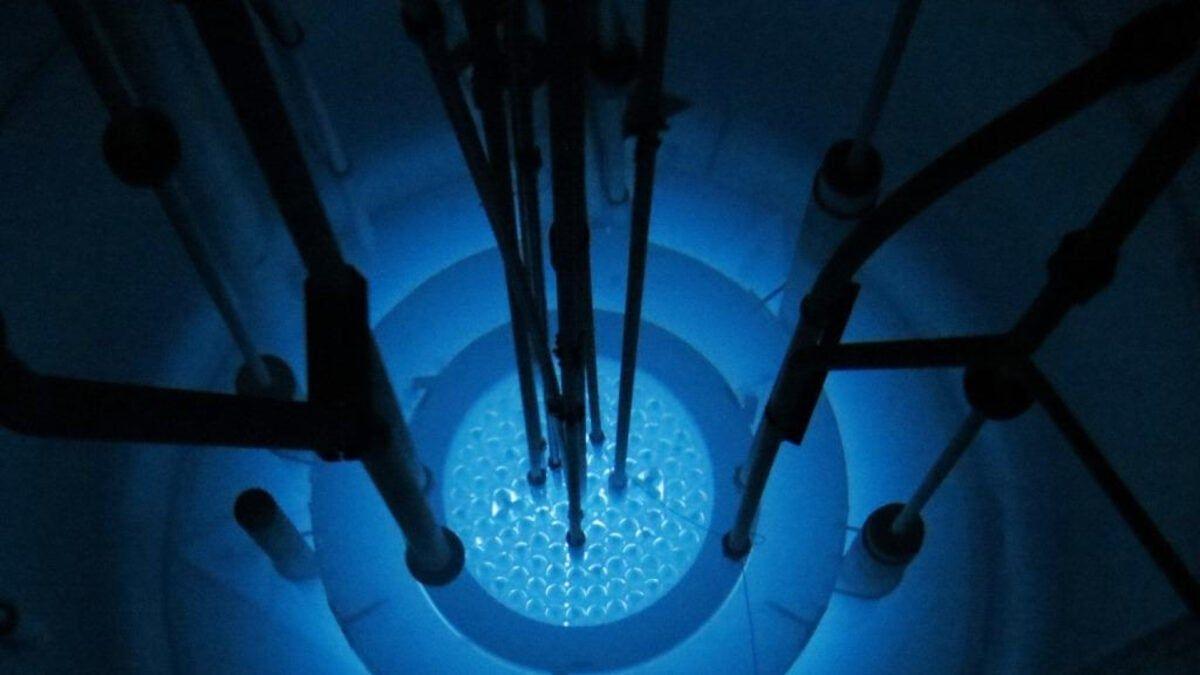
Recent Highlights
1
OpenAI AI Models Hacked Crypto Wallet, Breached Government Sites in Unauthorized Activities
Technology

2
IMF Report Warns AI Market Correction Could Spark Global Financial Crisis With $1.4T at Risk
Business and Economy

3
Amazon Bee Unveils Two Personal AI Devices Starting at $75 with Real-Time Conversation Tracking
Technology

Recent Highlights
Today's Top Stories









Don’t drown in AI news. We cut through the noise - filtering, ranking and summarizing the most important AI news, breakthroughs and research daily. Follow topics that matter to you and stay ahead.


