AI-Assisted Research Uncovers Genetic Clues to ALS Resistance in Motor Neurons


3 Sources
[1]
Researchers gain better understanding of how nerve cells can be protected against ALS
Stockholm UniversityAug 19 2025 By analyzing millions of messenger RNA molecules (mRNA) during the course of ALS, researchers at Stockholm University, in collaboration with scientists at the Paris Brain Institute and Örebro University, have identified why certain nerve cells are resistant to the
[2]
Genetics Explains Why Some Neurons Resist ALS - Neuroscience News
Summary: A new study has uncovered why some motor neurons resist degeneration in ALS while others succumb. Researchers found that neurons controlling eye muscles maintain high levels of protective genes like En1 and Galanin, shielding them from damage. In contrast, sensitive neurons attempt
[3]
Surprising gene activity shields certain nerve cells from ALS damage
By analyzing millions of messenger RNA molecules (mRNA) during the course of ALS, researchers at Stockholm University, in collaboration with scientists at the Paris Brain Institute and Örebro University, have identified why certain nerve cells are resistant to the disease and what happens in the
Share
Copy Link
A groundbreaking study led by Stockholm University researchers has identified key genetic factors that make certain motor neurons resistant to ALS, potentially opening new avenues for treatment and diagnosis.
Groundbreaking ALS Research Reveals Genetic Resistance Mechanisms
A collaborative study led by researchers at Stockholm University has made significant strides in understanding the genetic factors that protect certain motor neurons from amyotrophic lateral sclerosis (ALS). The research, published in the scientific journal Genome Research, focused on a hereditary form of ALS caused by mutations in the SOD1 gene
1
.
Source: Medical Xpress
Resistant Motor Neurons: A Genetic Shield Against ALS
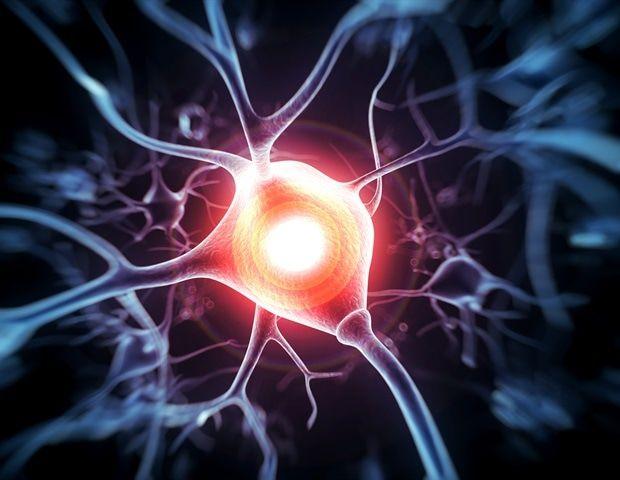
The study revealed that motor neurons controlling eye muscles, which are known to be resistant to ALS, maintain high baseline levels of several neuroprotective factors. These include Engrailed-1 (En1), Parvalbumin (Pvalb), Cd63, and Galanin (Gal)
2
.Dr. Melanie Leboeuf, a co-author of the study, expressed surprise at the discovery: "The fact that the protective factor is produced at such high levels in the resistant motor neurons that control eye movements was unexpected"
3
.Vulnerable Motor Neurons: A Losing Battle
Source: News-Medical
In contrast to their resistant counterparts, the research team found that vulnerable motor neurons activate both harmful and protective responses to ALS. Professor Eva Hedlund, head of the study, explained: "The nerve cells show clear signs of trying to protect themselves and activate genes that are normally high in the resistant nerve cells. They also try to reestablish lost contact with the muscles by activating regeneration-promoting genes such as Atf3 and Sprr1a, even though these attempts ultimately fail"
1
.Related Stories

AI-Powered Analysis Identifies Potential Biomarkers
The research team employed machine learning techniques to analyze gene responses from sensitive motor neurons. This AI-assisted approach led to the identification of three genes - VGF, INA, and PENK - as strong indicators of ALS across different mutations
2
.Irene Mei, a Ph.D. student and first author of the study, highlighted the potential impact of this discovery: "We see a possibility that these genes could eventually be used as biomarkers for the disease and help with diagnosis and prognosis"
3
.Implications for Future ALS Therapies

Source: Neuroscience News
The identification of distinct basal and induced gene activity in different nerve cells opens up new possibilities for treatment. Professor Hedlund expressed optimism about future therapeutic approaches: "By trying to stimulate the cells to suppress the bad responses and instead further stimulate those that are important for survival, there is a chance that we may see positive results in the future"
1
.This groundbreaking research not only provides a deeper understanding of ALS progression but also offers new targets for potential therapies and diagnostic tools. As the scientific community continues to unravel the complexities of this devastating disease, studies like this bring hope for improved treatments and earlier diagnosis for ALS patients.
References
Summarized by

Navi
[1]
[2]
[3]
Related Stories
AI Uncovers New Cause and Potential Treatment for Alzheimer's Disease
26 Apr 2025•Science and Research
Groundbreaking Study Maps Early Triggers of Alzheimer's Protein Aggregation
12 Jun 2025•Science and Research

AI-Powered Gene Delivery Systems Revolutionize Brain and Spinal Cord Research
22 May 2025•Science and Research
Recent Highlights



Recent Highlights
Today's Top Stories



Don’t drown in AI news. We cut through the noise - filtering, ranking and summarizing the most important AI news, breakthroughs and research daily. Follow topics that matter to you and stay ahead.


