AI Boom Fuels Community Opposition as Data Centres Invade Residential Neighborhoods


2 Sources
[1]
The fight over data centres at the heart of Japanese cities
When Munekazu and Erin Tanikawa got the keys to their brand new apartment in a Tokyo commuter town in 2022, little did the married couple know that a land deal was being finalised that would upend their lives. Four months after moving in, a special-purpose vehicle, backed by Canadian pension fund
[2]
Under a cloud: the growing resentment against the massive datacentres sprouting across Australian cities
When West Footscray resident Sean Brown takes his 19-month-old boy to the park, their walk passes an imposing new building cheerily spruiked as "Australia's largest hyperscale AI factory", a datacentre called M3. He hates it: the construction noise from its constant expansion, the looming towers
Share
Copy Link
Across Japan and Australia, residents are pushing back against massive data centre construction in their neighborhoods. In Tokyo, a couple's property lost 25% of its value after a 52-meter data centre was approved near their home. From Melbourne to Sydney, communities report noise pollution, diesel generator exhaust, and concerns over outdated zoning rules that classify these industrial-scale facilities as office buildings.
Data Centres Transform Neighborhoods Amid AI Boom
The AI boom is reshaping urban landscapes in ways few anticipated, as data centres proliferate in densely populated areas across Japan and Australia. What began as a digital infrastructure necessity has evolved into a flashpoint for community opposition, with residents arguing that massive data centre construction is incompatible with residential life
1
2
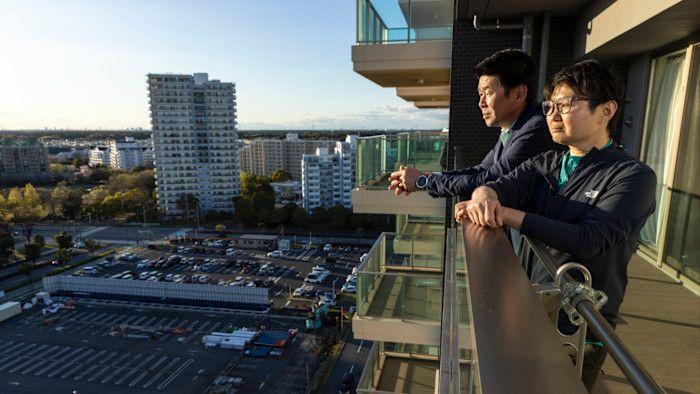
.In Tokyo's commuter town of Inzai, Munekazu and Erin Tanikawa discovered their ¥50 million apartment had lost approximately 25% of its value after a 52-meter-tall data centre was approved for construction on the parking lot facing their balcony. The facility, backed by Canadian pension fund CPP Investments, US asset manager Fidelity, and Mitsui & Co, will store 1.2 million tonnes of fuel for backup generators. The couple has gathered over 13,000 signatures opposing the project and launched legal action, highlighting growing tensions between developers and residents
1
.
Source: FT
Urban Planning and Zoning Issues Expose Regulatory Gaps
Japan's $23 billion data centre market is projected to grow nearly 50% by 2030, with 90% of facilities concentrated in the Greater Tokyo and Osaka regions. Japanese Prime Minister Sanae Takaichi has positioned AI at the center of her economic growth strategy, accelerating what lawyer Satoshi Oikawa calls "the AI gold rush"
1
.The conflict between developers and residents stems partly from outdated building codes that classify data centres as offices rather than factories or warehouses. Kyoto University professor Tetsuharu Oba notes that Japan's urban planning and land use systems "were never designed to anticipate recent uses like data centres." Even NTT Data, Japan's largest data centre operator, acknowledged that "the rapid scaling and increasing sophistication of modern data centres have made it harder to view them as equivalent to conventional office buildings"
1
.Environmental and Noise Concerns Dominate Australian Protests
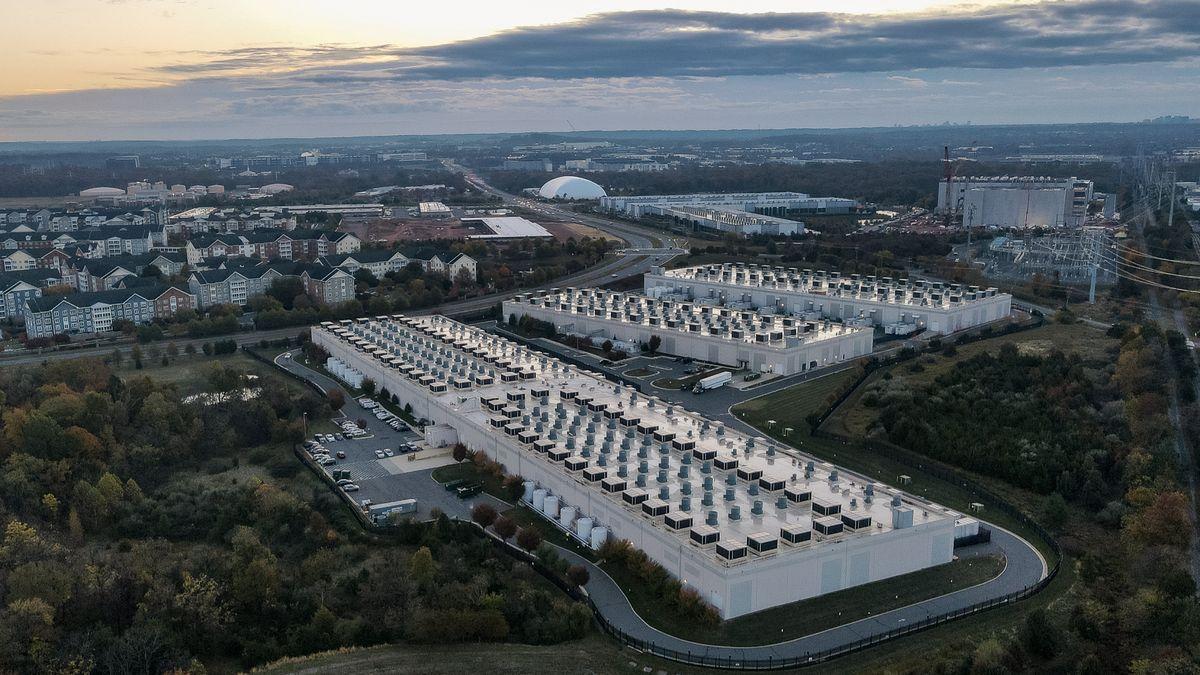
In Melbourne's West Footscray, Sean Brown walks his 19-month-old son past NextDC's M3 facility, described as "Australia's largest hyperscale AI factory." The data centre, less than 10 kilometers from the Melbourne CBD, is expanding to cover 10 hectares and draw 225MW of power consumption by the end of 2027. Diesel generators on site are reportedly increasing from 40 to 100 units
2
.Brown describes the impact on quality of life: constant construction noise, looming towers, persistent background hum, and exhaust from diesel generators. "They're building something which is, frankly, terrible for the community," he says, arguing these AI factories represent "intensive industrial building" inappropriately located near residences
2
.Near Sydney's Lane Cove River, a proposed 90MW facility called Project Mars would become the fourth data centre in an area where such facilities occupy 40% of local industrial zones. Resident Daniel Bolger warns the development would sit beside Blackman Park, "the lungs of Lane Cove," used by half the suburb each weekend. In Perth's Hazelmere, community opposition is mounting against a planned 15,000-square-meter, up-to-120MW data centre
2
.Related Stories
Economic Pressures Drive Local Authorities Despite Resistance
Cash-strapped local authorities face pressure to approve these projects for property taxes and economic benefits. In Japan, mountainous terrain limits land availability, pushing data centres into residential and commercial areas—one is even planned next to Tokyo Tower. When Inzai City authorities asked UK-based Colt Data Centre Services to discontinue their project and offered alternative plots, the developer argued efficiency required proximity to existing data centres
1
.Australia positions data centres as critical digital infrastructure for competing in the AI era. NSW planning minister Paul Scully notes that "datacentres are an important part of the infrastructure and digital architecture of modern economies," though he emphasizes merit-based assessments
2
.Regulatory Updates and Future Implications
The disputes expose a fundamental tension: governments pursuing AI-driven economic growth versus communities experiencing property devaluation and diminished living conditions. Japan's land ministry has no immediate plans to create new classifications for data centres in residential areas under the Building Standards Act, leaving residents vulnerable to zoning rules designed for a pre-AI era
1
.As AI continues driving demand for industrial-scale facilities, these conflicts foreshadow challenges other nations will face. The question remains whether regulatory frameworks can evolve quickly enough to balance digital infrastructure needs with community concerns, or whether the AI boom will continue prioritizing developers over residents in the race for technological advancement.
References
Summarized by

Navi
Related Stories
Australia's $155bn data centre boom confronts energy and water sustainability challenges
18 Jun 2026•Business and Economy

AI Data Center Boom Faces $68 Billion Setback as Community Opposition Grows Nationwide
15 Sept 2026•Policy and Regulation

Over 230 groups demand moratorium on AI data center expansion as communities revolt nationwide
09 Dec 2025•Policy and Regulation

Recent Highlights



Recent Highlights
Today's Top Stories









Don’t drown in AI news. We cut through the noise - filtering, ranking and summarizing the most important AI news, breakthroughs and research daily. Follow topics that matter to you and stay ahead.


