Australian Government Sets New Rules for Data Centres to Protect Public Interest and Energy Grid


4 Sources
[1]
Australia has set new expectations for AI data centres - they should serve the public
Yesterday, the Australian federal government released new expectations for data centres and artificial intelligence (AI) infrastructure. The message is simple: if companies want faster federal approvals, they must show their projects are in Australia's national interest, support the clean energy
[2]
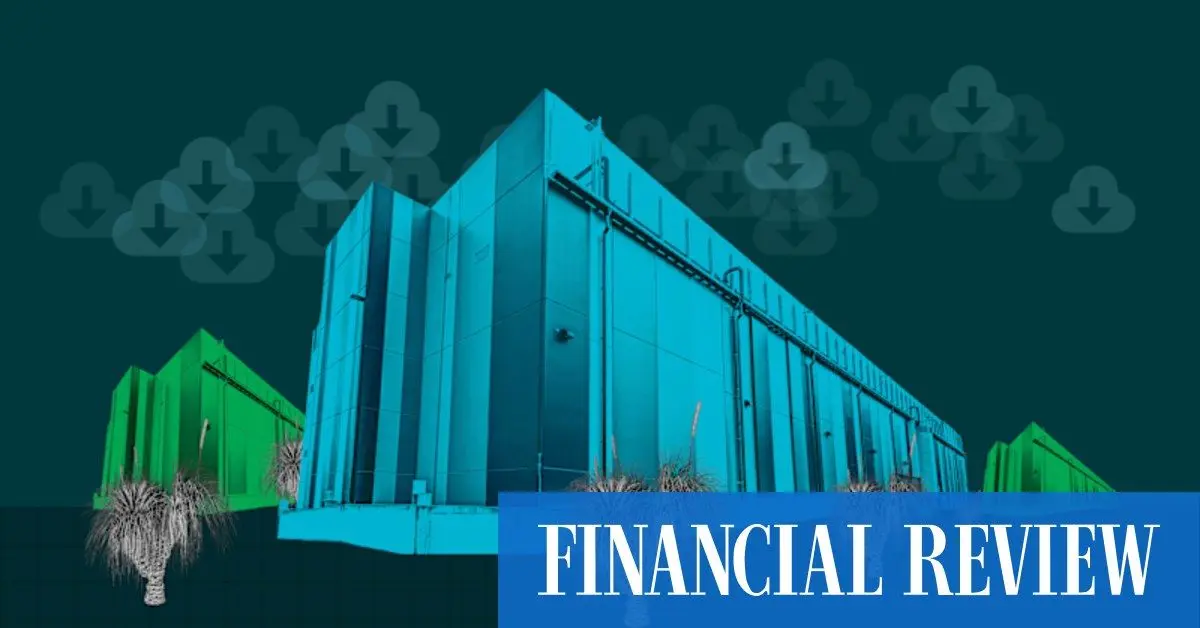
Labor's data centre rules spur fears billions could flow elsewhere
Data centre operators say the Albanese government's new expectations, which are meant to help the development of critical infrastructure needed for artificial intelligence and cloud computing, are so vague that they may have the opposite effect, sending billions of dollars to other countries. The
[3]
Labor lays down energy, water ground rules for data centre boom
The Albanese government will move to curb the data centre gold rush from cannibalising the energy transition with a new national interest framework that expects artificial intelligence giants to fund their own renewable power in exchange for fast-tracked regulatory approvals. Industry Minister Tim
[4]
Govt imposes strict new rules for AI and data centres
Under the Albanese government's new framework, these companies must help pay for renewable energy infrastructure and grid upgrades, with the aim of ensuring costs aren't passed onto households and businesses. These tech players will also need to use water responsibly and make their computing power
Share
Copy Link
The Australian government unveiled a national interest framework demanding that AI and data centre projects fund renewable energy, use water responsibly, and create local jobs in exchange for fast-tracked approvals. Projects failing to meet these standards face delays, marking a shift in treating data centres as critical infrastructure rather than simple tech investments.
Australian Government Introduces National Interest Framework for AI Infrastructure
The Australian government has released new expectations for data centres and AI infrastructure, fundamentally reshaping how these facilities will be approved and operated across the country
1
. Industry Minister Tim Ayres and Assistant Technology Minister Andrew Charlton unveiled the national interest framework on Monday, setting five core expectations around national security, resilience, and maintaining social license3
. The message is clear: companies seeking faster regulatory approvals must demonstrate their projects serve Australia's national interest, support the clean energy transition, use water responsibly, create local jobs, and build local capability1
. Andrew Charlton emphasized that "we will do what is necessary to ensure the growth of AI is sustainable and underpinned by a strong social license"1
. Projects failing to meet these standards will be placed at the back of the queue for approvals4
.
Source: Sky News
New Rules for Data Centres Address Growing Energy Demands
The framework marks a significant shift in treating data centres as critical infrastructure with real effects on power grids, water systems, land use, and local communities rather than simple property or tech investments
1
. Under the new rules for data centres, companies must help pay for renewable energy infrastructure and grid upgrades, ensuring costs aren't passed onto households and businesses4
. This requirement addresses mounting concerns about electricity consumption. Data centres in Sydney already use about 4% of New South Wales' grid-supplied electricity, with projections suggesting this could rise to 11% by 20301
. Nationally, the Clean Energy Finance Corporation estimates data centres could account for up to 11% of Australia's total electricity use by 20351
. The International Energy Agency notes that a typical AI-focused data centre can use as much electricity as 100,000 households, with the largest facilities under construction potentially consuming 20 times more1
.
Source: Financial Review
Water Consumption and Public Interest Concerns Drive Policy Shift
Water consumption has emerged as a critical factor in the new framework. Estimates for Sydney suggest data centres could account for anywhere from 1.9% of water supply by 2030 to around 15-20% by 2035, depending on cooling systems and water sources used
1
. Developers are already seeking between 5 to 40 million litres of water per day for planned facilities1
. The framework requires data centres to use water sustainably, work early with utilities and communities, use non-potable water where possible, pay their share of infrastructure costs, and report water use transparently1
. Tim Ayres stated that "Australia is open for business - but the kind of business that puts Australia's national interest first"4
.
Source: The Conversation
Related Stories

Industry Concerns and Investment Settings Under Scrutiny
Data centre operators have expressed concerns that the new expectations are so vague they may send billions of dollars in investment to other countries
2
. While the government would expect but not require new projects to add electricity supply covering all or part of their usage, the lack of specificity has raised questions about implementation2
. The framework also requires tech companies to make their computing power available to local businesses, supporting cloud computing and AI adoption across the economy4
. This addresses data sovereignty concerns raised by Sovereign Australia AI chief executive Simon Kriss, who emphasized the need to ensure Australian data benefits Australians and remains subject to Australian law rather than foreign jurisdictions4
. The announcement follows December's National AI plan, which included establishing the AI Safety Institute backed by $29.9 million in early 20264
. Energy Minister Chris Bowen noted that while data centres have great potential to support grid expansion and renewable investment, getting the investment settings right is essential to keep the system secure and energy prices low for all consumers4
. With Australia already hosting more than 250 data centres and numbers set to grow during the AI boom, the framework aims to ensure these facilities deliver local jobs and strengthen Australian innovation while managing grid impacts and securing essential infrastructure onshore1
4
.References
Summarized by

Navi
[1]
[2]
[3]
Related Stories
Australia's AI data centres hit renewable energy roadblock as states reject federal rules
29 Jul 2026•Policy and Regulation
Australia's $155bn data centre boom confronts energy and water sustainability challenges
18 Jun 2026•Business and Economy

Australia Unveils National AI Plan: Light-Touch Regulation and Data Centre Investment Focus
01 Dec 2025•Policy and Regulation

Recent Highlights



Recent Highlights
Today's Top Stories







Don’t drown in AI news. We cut through the noise - filtering, ranking and summarizing the most important AI news, breakthroughs and research daily. Follow topics that matter to you and stay ahead.


