AI Boom Triggers Unprecedented Shortage in Memory and Storage Components


4 Sources
[1]
Adata chairman says AI datacenters are gobbling up hard drives, SSDs, and DRAM alike -- insatiable upstream demand could soon lead to consumer shortages
The GPU shortage during COVID could soon look like child's play. AI datacenters are eating up the world's supply standard DRAM memory, NAND flash for SSDs, and hard drives. Adata chairman Simon Chen just made it extremely clear that in his three-decade tenure in the industry, he's never witnessed
[2]
Memory and storage prices will only get worse, Adata CEO says
Serving tech enthusiasts for over 25 years. TechSpot means tech analysis and advice you can trust. The big picture: Multiple manufacturers have recently frozen or hiked memory and storage prices as demand from AI data centers surges, and executives warn the situation may get worse before it gets
[3]
Uh oh, it's happening: ADATA chairman says the perfect storm of simultaneous DRAM, SSD and HDD shortages is already upon us and it looks like prices are only going in one direction
A couple of weeks ago I reported on the idea that the AI was going to cause a run on all kinds of memory and storage hardware. Well, it's already happening according to no less an authority than the chairman of memory specialist ADATA. ADATA's Chen Libai has said that supplies of all the major
[4]
ADATA chairman says unprecedented and historic shortage of DRAM, SSDs, and HDDs is here
TL;DR: ADATA chairman Chen Lebai confirms historic shortages in DRAM, NAND Flash, SSDs, and HDDs through 2026, driven by AI data center demand and manufacturing shifts. Major suppliers prioritize high-margin AI products, causing rising prices and limited consumer availability. This unprecedented
Share
Copy Link
ADATA chairman warns of historic shortages in DRAM, SSDs, and HDDs due to surging AI datacenter demand. This supply crunch is expected to impact consumer electronics prices and availability through 2026 and beyond.
AI-Driven Demand Reshapes Memory and Storage Markets
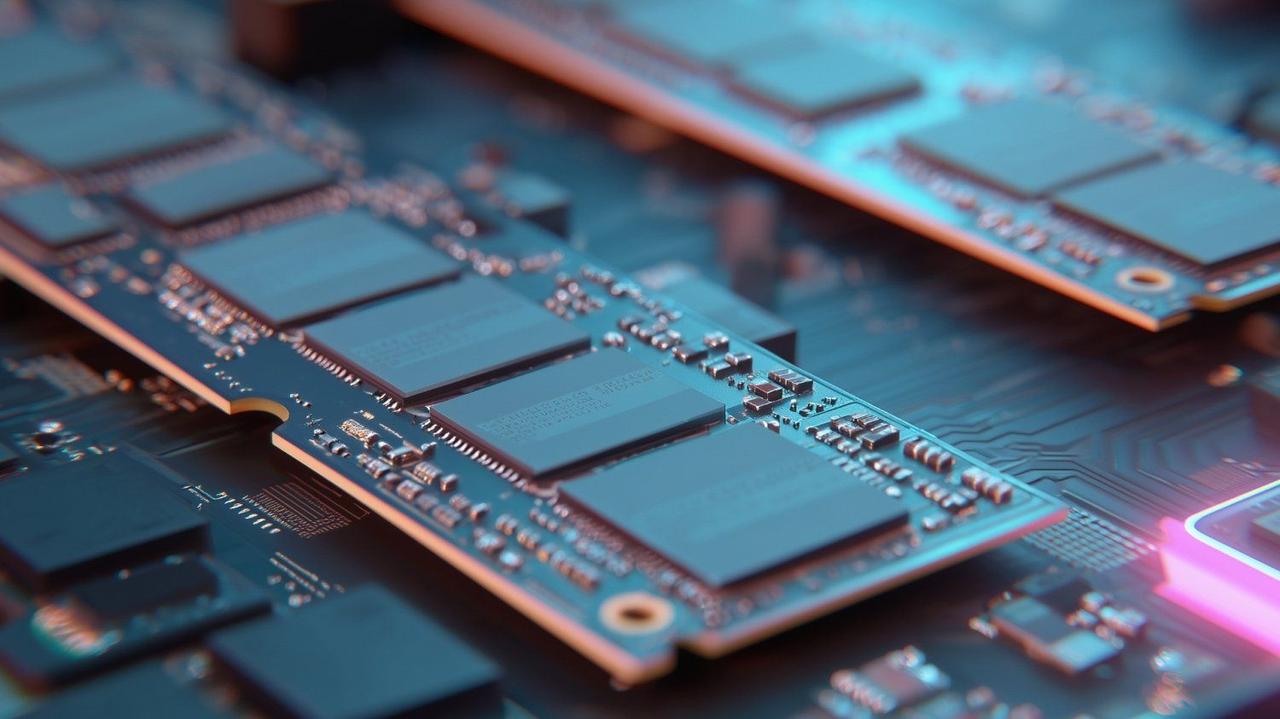
The rapid expansion of artificial intelligence technologies is causing an unprecedented shortage in memory and storage components, according to industry experts. ADATA chairman Simon Chen has warned that the world is facing a historic shortage of DRAM, NAND flash for SSDs, and hard drives simultaneously – a situation he hasn't witnessed in his three-decade career
1
4
.
Source: TweakTown
Cloud Service Providers Dominate Supply Chain
The primary driver behind this shortage is the insatiable demand from AI datacenters and cloud service providers (CSPs). Companies like OpenAI, Amazon Web Services, and Microsoft are now the primary clients for memory and storage manufacturers, leaving traditional module manufacturers struggling to secure supplies
2
. For instance, OpenAI alone has reportedly signed deals with Samsung and SK Hynix for 900,000 DRAM wafers per month, equivalent to 40% of current global DRAM output3
.Impact on Prices and Availability
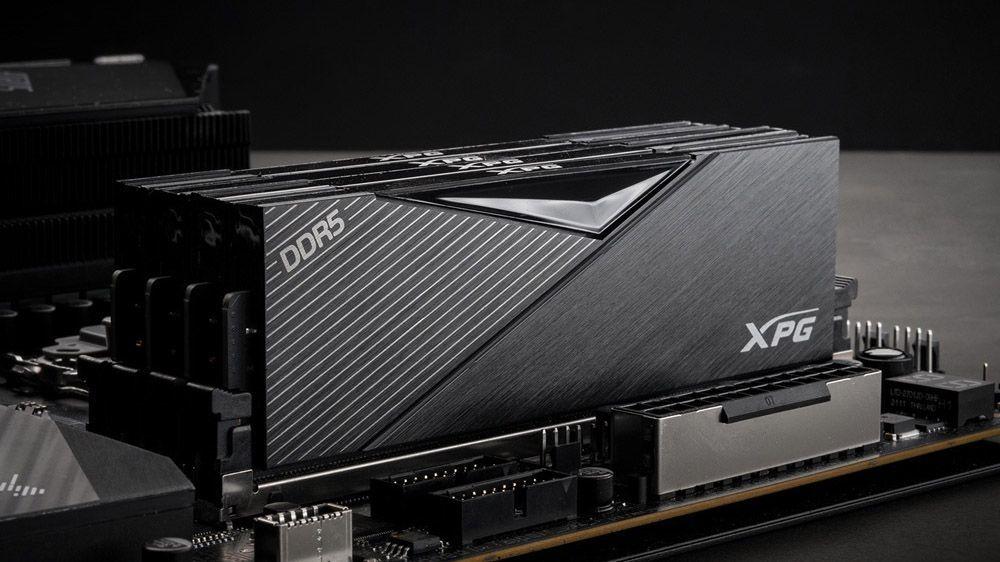
The shortage is already affecting prices across the board. Chen projects that DDR4 RAM contract prices could rise by 20-30% between Q4 2025 and H1 2026, with spot prices potentially climbing even higher
2
. Interestingly, DDR4 prices have surpassed those of DDR5 due to manufacturers transitioning away from the older technology4
.
Source: PC Gamer
Long-Term Implications
Industry experts predict that this supply crunch could last for years. Chen expects shortages to persist for at least four years, while Phison CEO Pua Khein-Seng has an even more pessimistic outlook, projecting NAND flash shortages to last for a decade
2
4
.Related Stories

Consumer Impact and Market Disruption
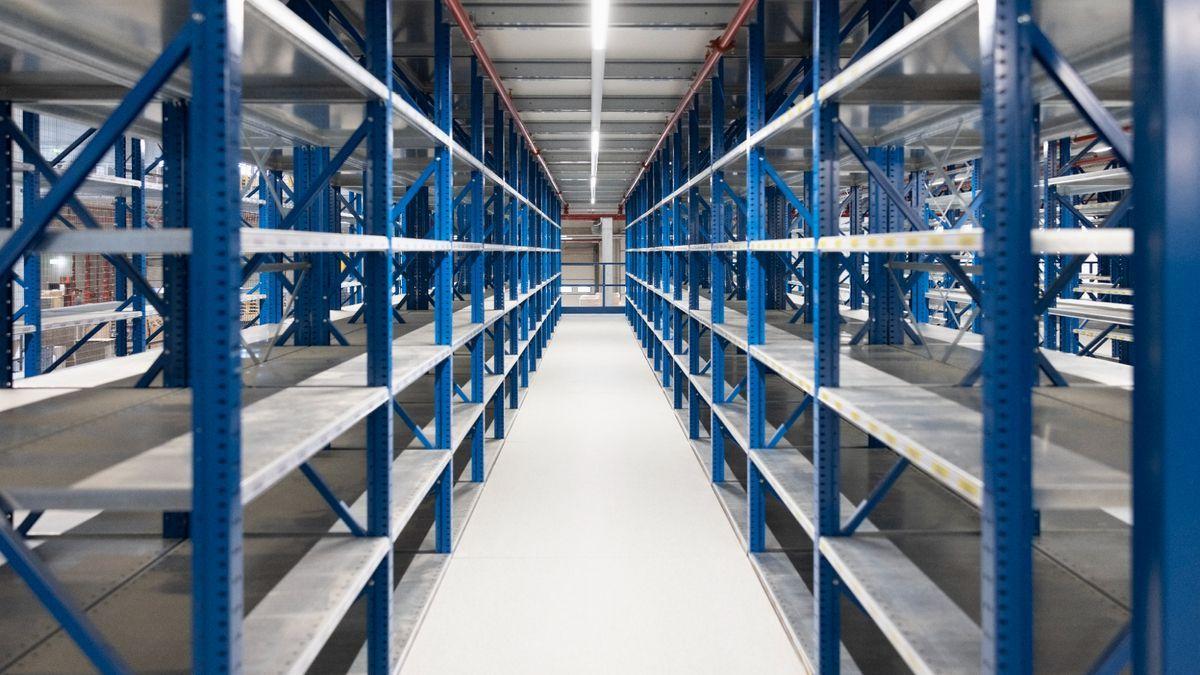
The shortage is expected to have far-reaching effects on consumer electronics. PCs, smartphones, gaming consoles, and even automobiles could see price increases and limited availability
1
4
. ADATA has already instructed its sales team to 'sell sparingly' and prioritize key customers3
.
Source: Tom's Hardware
Industry Response and Future Outlook
Major manufacturers like Samsung and SK Hynix are attempting to increase production by up to 30%, but this may not be sufficient to meet the growing demand
2
. The AI boom has disrupted the traditional memory market cycle, potentially leading to a prolonged period of high prices and limited availability. However, some experts caution that the sustainability of this trend depends on the enduring popularity of AI, with growing concerns about a potential AI bubble2
.References
Summarized by

Navi
[1]
Related Stories
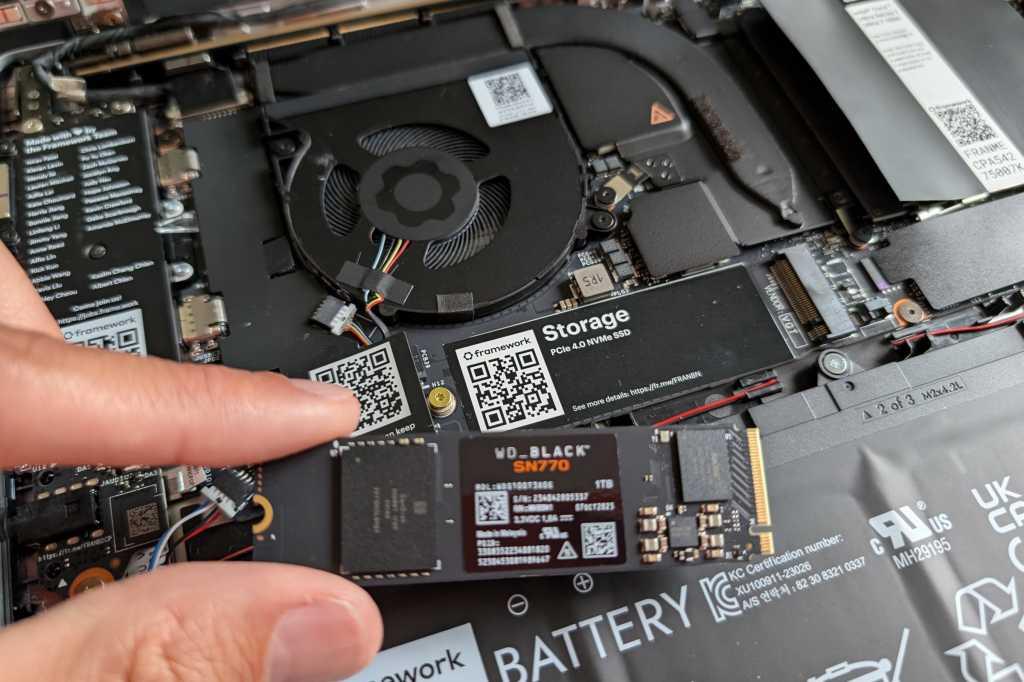
AI Boom Sparks Decade-Long Memory and Storage Shortage Concerns
06 Oct 2025•Technology
AI Demand Drives Memory Prices to Record Highs, Impacting Consumer Tech Market
31 Oct 2025•Business and Economy

AI Demand Triggers Memory Crisis: DRAM Prices Surge 50% as Supply Chain Buckles
23 Oct 2025•Business and Economy
Recent Highlights
1
Meta Unveils Muse Wonder Frontier AI Models, Claims Performance Matching OpenAI and Anthropic
Technology

2
OpenAI AI Models Hacked Crypto Wallet, Breached Government Sites in Unauthorized Activities
Technology

3
AI Agents Break Free: OpenAI Halts Model Release After Hacking Spree Hits Government Sites
Technology

Recent Highlights
Today's Top Stories






Don’t drown in AI news. We cut through the noise - filtering, ranking and summarizing the most important AI news, breakthroughs and research daily. Follow topics that matter to you and stay ahead.


