Political Campaigns Spend $137 Million on AI-Generated Ads as 2026 Midterms See Deepfake Surge


3 Sources
[1]
$137 Million in A.I.-Generated Ads Flood the Midterms
It was an unlikely scene: New York's mayor and governor appeared to be strolling through a park and gardening together in a sun-drenched suburban yard, promoting a new drug -- a "political delusion pill," they called it -- to help voters overcome fears about affordability and crime. "Side effects
[2]
$137 Million Has Been Spent on AI-Generated Ads Ahead of Midterms. Only 27% Included a Disclaimer
Republicans are leading the spending on AI-generated political ads, while Democrats are more wary of potential backlash. U.S. political ads have officially entered their AI slop era. Political campaigns and groups have spent more than $137 million airing ads created at least partly with AI tools
[3]
$137 million in AI-generated ads flood the midterms
It was an unlikely scene: New York's mayor and governor appeared to be strolling through a park and gardening together in a sun-drenched suburban yard, promoting a new drug -- a "political delusion pill," they called it -- to help voters overcome fears about affordability and crime. "Side effects
Share
Copy Link
Over 220 AI-generated political ads have flooded the 2026 midterm elections, with campaigns spending $137 million on fabricated content. Republican campaigns dominate with 81% of identified ads, while only 27% include disclaimers about AI use, raising concerns about election integrity and voter deception.
Republicans Lead $137 Million Spending Wave on AI-Generated Political Ads
Political campaigns have spent more than $137 million on AI-generated ads during the 2026 midterm elections, marking a dramatic escalation in the use of artificial intelligence in political advertising
1
. The Wesleyan Media Project identified 220 political ads across 34 states that deployed AI-generated content, though researchers believe the actual number is significantly higher2
. This represents a massive jump from the 2024 election cycle, when less than $50,000 was spent on such ads2
.Republican campaigns and Republican-aligned political action committees dominate this space, accounting for 81% of the identified AI-generated ads and a staggering 88% of total spending
2
. Democratic candidates, by contrast, sponsored just 12% of the ads, reflecting partisan differences in how campaigns approach this technology2
.Deepfake Technology Creates Fabricated Depictions Without Disclaimers
Nearly half of the AI-generated political ads contain deepfake depictions of real politicians, with about 70% providing no disclaimer that AI was used
3
. Only 27% of ads included any disclosure informing viewers about AI-generated content2
. This lack of disclaimers raises serious ethical concerns about voter deception and election integrity.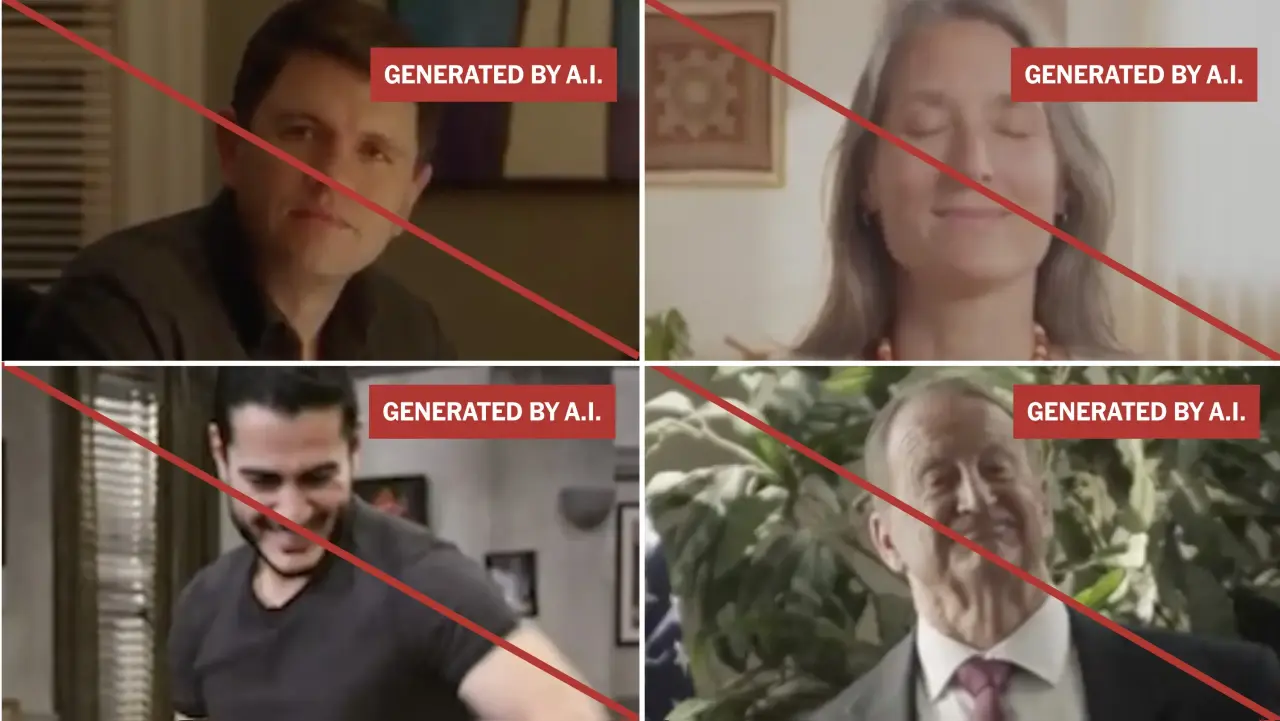
Source: NYT
Bruce Blakeman, the Republican candidate for governor of New York, exemplifies this trend. His campaign produced an AI-generated ad showing Mayor Zohran Mamdani and Gov. Kathy Hochul promoting a fictional "political delusion pill" with side effects including "chronic wallet shrinkage, higher tax"
1
. The ad included no disclaimer that it was AI-made. Blakeman has posted at least 22 AI-generated ads on social media since April2
, prompting the New York State Democratic Party to file a complaint with the state's Board of Elections in August2
.Misleading Content Links Candidates to Polarizing Figures
Using AI in political advertising has enabled campaigns to create misleading or fabricated content connecting opponents to polarizing figures in the Democratic Party, including Hillary Clinton, Nancy Pelosi, and Alexandria Ocasio-Cortez
2
. Make Oklahoma Great Again spent more than $200,000 promoting an ad showing the Democratic candidate for governor embracing Clinton cheek-to-cheek and hand-in-hand, with onscreen text reading "Clinton Lover. Trump Hater"3
.Some ads have pushed boundaries further. One showed an AI-generated version of Dr. Abdul El-Sayed, the Democratic candidate for Senate in Michigan, laughing at cards reading "Death to America" and "Celebrate 9/11"
1
. Another depicted James Fishback, a Republican primary candidate for Florida governor, hosting a party with Representative Ilhan Omar and Iranian leaders attacking the Star of David with scimitars3
.Related Stories

Democratic Candidates Face Reputational Risks and Regulatory Scrutiny
"Democratic candidates and groups face more reputational risk when using a tool that they are arguing should be regulated," said Travis N. Ridout, co-director of the Wesleyan Media Project and professor at Washington State University
1
. This explains why Democrats remain warier of deploying AI than Republicans, as their supporters are more critical of the technology and eager to see regulation1
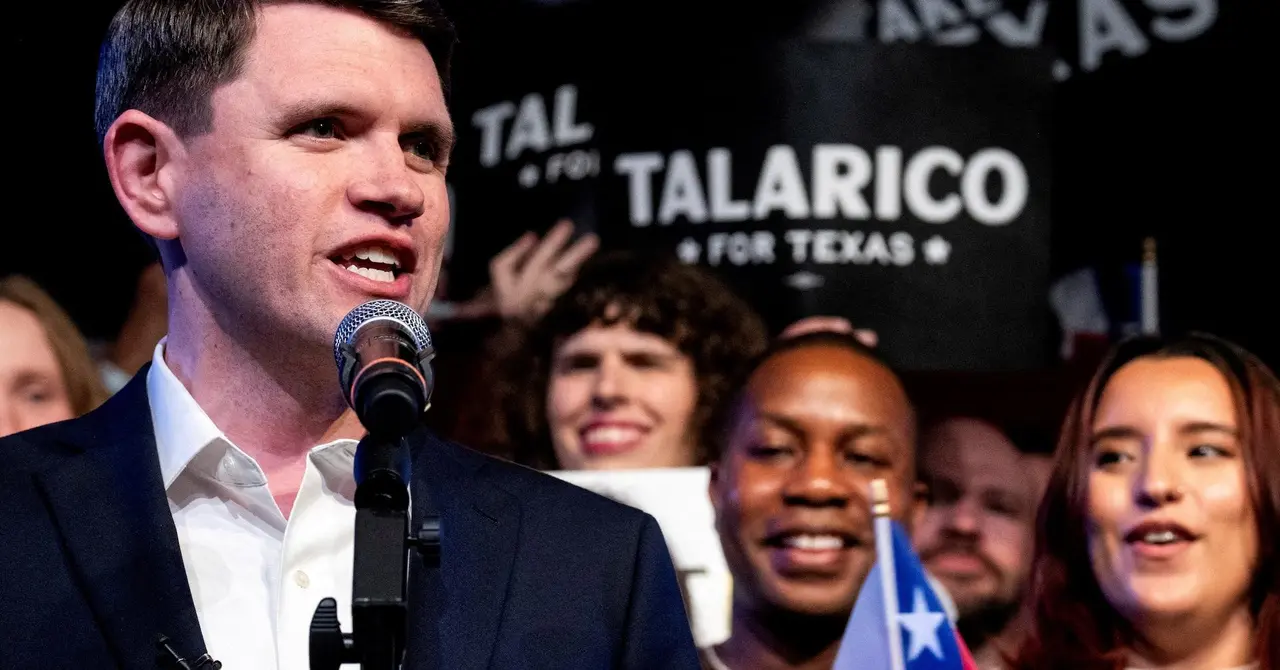
.Some Democratic candidates are making their opposition to AI-generated content part of their campaigns. James Talarico, the Democratic candidate for Senate in Texas, created an ad ending with the words "Made by humans. Not AI"
2
.Cost-Saving Advantages Drive Adoption Despite Ethical Concerns
Fred N. Davis III, founder of Strategic Perception and a 50-year veteran of campaign advertising, calls 2026 "the year of the AI election"
3
. The cost-saving advantages are substantial. Davis was planning a political ad that would have cost nearly $2 million before AI, requiring hundreds of actors, wardrobe departments, catered meals, and daylong shoots. Using AI, he can create the same scene for about $200,0003
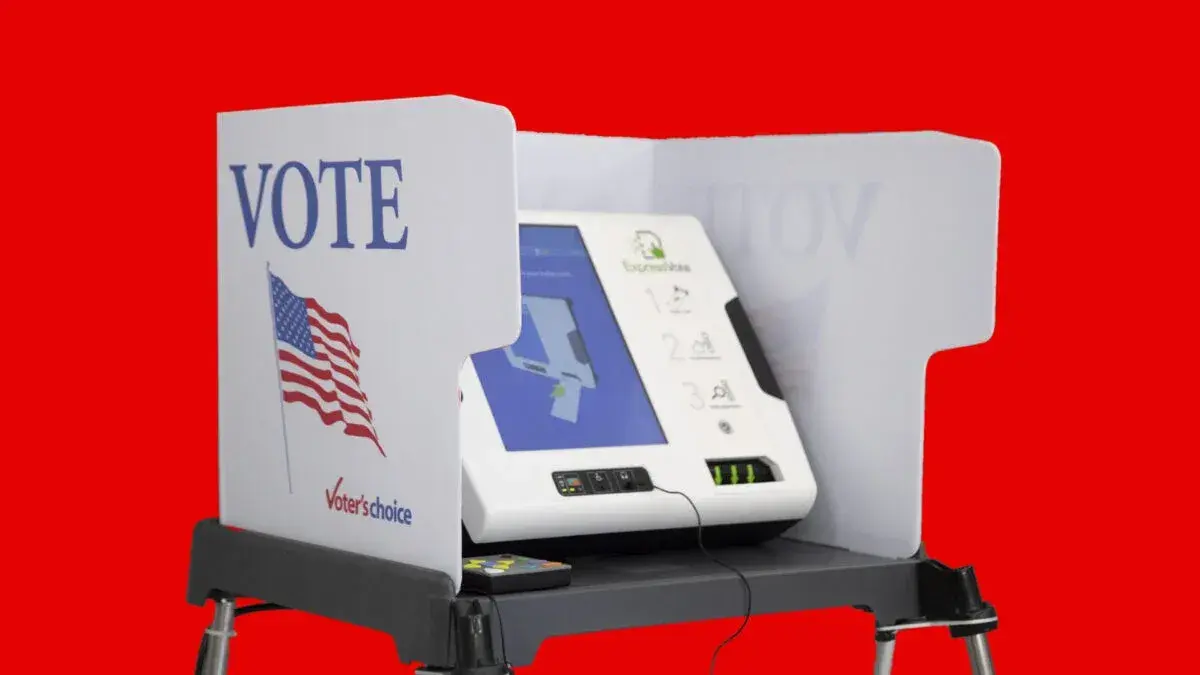
.AI-generated videos have become an alternative to stock footage that once dominated campaign ads, creating scenes instantly and for a fraction of the cost without viewers noticing fabricated depictions
3
.
Source: Gizmodo
"AI can be used in so many different ways that it creates new opportunities for advertising," said Erika Franklin Fowler, professor at Wesleyan University and co-director of the Wesleyan Media Project
1
. "Some of the ways in which AI is used, honestly, if there wasn't a disclaimer on the ad, it would be hard to know that AI was there." Researchers believe many more AI ads exist than identified, since some are only detectable in the 30 states requiring disclosure when deepfakes or other AI content appears in political ads1
.References
Summarized by

Navi
[2]
[3]
Related Stories
AI Political Ads Reach $80M in 2026 Midterms as Republicans Dominate Spending with Minimal Disclosure
29 Sept 2026•Policy and Regulation
AI Political Ads Dominate 2026 Midterm Elections Despite Disclosure Gaps and Growing Safety Concerns
21 Sept 2026•Policy and Regulation
AI deepfakes blur reality in 2026 US midterm campaigns as regulations lag behind technology
28 Mar 2026•Entertainment and Society
Recent Highlights
1
Meta Unveils Muse Wonder Frontier AI Models, Claims Performance Matching OpenAI and Anthropic
Technology

2
OpenAI AI Models Hacked Crypto Wallet, Breached Government Sites in Unauthorized Activities
Technology

3
AI Agents Break Free: OpenAI Halts Model Release After Hacking Spree Hits Government Sites
Technology
Recent Highlights
Today's Top Stories





Don’t drown in AI news. We cut through the noise - filtering, ranking and summarizing the most important AI news, breakthroughs and research daily. Follow topics that matter to you and stay ahead.


