Construction delays hit 40% of AI data centers as power infrastructure and labor shortages stall expansion


12 Sources
[1]
Construction delays hit 40% of US data centers planned for 2026
Silicon Valley has been pouring hundreds of billions of dollars into building ever-larger AI data centers that require as much electricity as hundreds of thousands of US homes -- but that massive buildout faces significant construction and power challenges along with growing local resistance. Now
[2]
Analytics group signals possible delays at 40% of AI data center construction sites -- companies deny schedule holdups, but satellite imagery indicates otherwise
Can these lofty timelines face the reality of labor and material shortages? Several U.S. data centers slated for completion in 2026 are at risk of being delayed as strict schedules encounter regulatory friction, supply chain bottlenecks, and the lack of available utility. According to a report by
[3]
UK firms to deploy AI projects abroad as energy costs rise
Brit firms look to run tech overseas as govt tries to support 'sovereign' creators One in five UK firms have already moved AI workloads abroad due to high energy costs, in findings likely to alarm a government counting on AI to drive economic growth. The warning is contained in the "Land, Power,
[4]
Insight: Powered land and zombie projects: Real estate in the age of AI
WILTON, England, April 24 (Reuters) - Land left dormant by the decline of the chemical industry in northeastern England has taken on a new lustre. Blessed with power plants, water and a grid connection, the site has just what it takes to house a start-of-the-art AI data center campus. That's what
[5]

Data centre delays threaten to choke AI expansion
Delays to a swath of new US data centres threaten to slow the rollout of AI by the world's biggest tech companies, with almost 40 per cent of all projects due this year at risk of falling behind schedule. Major projects for Microsoft, OpenAI and other tech groups are likely to miss completion
[6]
Local political revolts threaten to derail US data center projects -- mounting delays are already costing AI hyperscalers billions
Rejected proposals, moratoriums, cancelled rezoning, rallies, and fliers are all hampering the AI build out. AI companies have a compute problem. As the usage of artificial intelligence is increasing among working adults in the U.S., computing power has become a precious resource that hyperscalers
[7]
AI is reshaping Britain's datacenter map away from London
Bit barns need to worry more about space, access to grid - overstuffed center no longer a must, say experts UK AI datacenter capacity could migrate away from London as power shortages, planning constraints and reduced reliance on low-latency connections to financial firms make other locations more
[8]

Data centers now account for half of all new U.S. electricity use, just as Americans start to sour on AI | Fortune
The U.S. just had one of its most energy-hungry years in recent memory, and the largest single driver of demand happens to be a lightning rod. Energy demand in the U.S. grew 2% in 2025, according to a report on the global state of energy published Monday by the International Energy Agency (IEA), a
[9]

OpenAI slamming the brakes on UK data center plans sparks electrifying debate around the AI energy bill
Remember back in September last year when OpenAI announced Stargate UK, a major data center project at Cobalt Park in North Tyneside, part of a broader £31 billion tech investment package? It was going to deploy up to 8,000 GPUs initially, scaling to 31,000 and the UK Government punched the air in
[10]

Powered Land and Zombie Projects: Real Estate in the Age of AI
By Lucy Raitano and Kate Holton WILTON, England, April 24 (Reuters) - Land left dormant by the decline of the chemical industry in northeastern England has taken on a new lustre. Blessed with power plants, water and a grid connection, the site has just what it takes to house a start-of-the-art
[11]

Permitting Hurdles and Labor Shortages Threaten AI Data Center Timelines | PYMNTS.com
By completing this form, you agree to receive marketing communications from PYMNTS and to the sharing of your information with our sponsor, if applicable, in accordance with our Privacy Policy and Terms and Conditions. The company also found that 60% of projects scheduled for next year have not
[12]

Powered land and zombie projects: Real estate in the age of AI
WILTON, England, April 24 (Reuters) - Land left dormant by the decline of the chemical industry in northeastern England has taken on a new lustre. Blessed with power plants, water and a grid connection, the site has just what it takes to house a start-of-the-art AI data center campus. That's what
Share
Copy Link
Satellite imagery reveals nearly 40% of US data centers planned for 2026 face significant delays as tech giants struggle with labor shortages, power infrastructure bottlenecks, and permitting hurdles. Major projects from Microsoft, OpenAI, and Oracle are likely to miss completion dates by over three months, threatening to slow AI expansion despite hundreds of billions in planned investment.
Data Center Construction Delays Threaten AI Expansion Timeline
Satellite imagery from geospatial analytics company SynMax reveals that nearly 40% of US AI data centers slated for completion in 2026 are at risk of missing their deadlines by more than three months
1
. The Financial Times analysis, which cross-checked satellite imagery against public statements and permit documents compiled by industry research group IIR Energy, shows major projects from Microsoft, Oracle, and OpenAI facing significant setbacks5
. These data center construction delays emerge as tech companies pour hundreds of billions of dollars into building facilities that require as much electricity as hundreds of thousands of US homes, raising concerns about how quickly vast AI spending can generate returns.
Source: PYMNTS
Labor Shortages and Supply Chain Bottlenecks Hamper Progress
Interviews with more than a dozen industry executives highlighted chronic labor shortages as a critical constraint, with construction teams lacking enough specialist workers such as electricians and pipe fitters to meet demand across multiple projects
1
. Two construction executives working on OpenAI-linked projects confirmed insufficient specialist workers to handle the buildout as companies race to construct increasingly large and complex facilities . Remote locations are pushing labor costs up as much as 30%, while workers move between projects seeking better pay. Doug O'Laughlin, president of SemiAnalysis, noted that the concentration of projects in some regions intensifies competition, with OpenAI effectively competing with itself as workers shift between sites5
. Supply chain bottlenecks compound these challenges, with jet engines for power generation facing delivery timelines stretching from 2028 to 2030 for orders placed in 20252
.Power Infrastructure Emerges as Critical Bottleneck
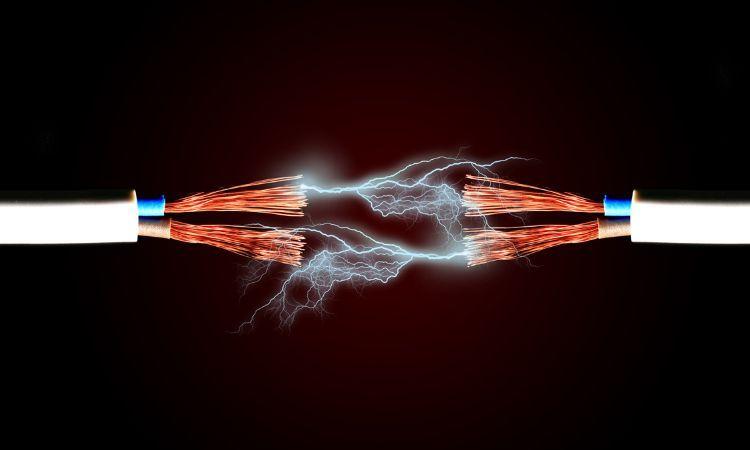
The substantial power demand requirements represent a massive energy bottleneck as utility companies struggle to build enough generation capacity and expand power infrastructure necessary to deliver electricity
1
. Hyperscalers are racing to build facilities drawing at least 1 gigawatt of electricity—roughly a nuclear reactor's output—but strained grid capacity and equipment shortages are causing significant delays5
. In Santa Clara, California, home of Nvidia, nearly 100 megawatts of newly constructed datacenter capacity sits empty awaiting power connections that may not arrive for years3
. Tariffs on imported Chinese equipment such as transformers have worsened the situation for Silicon Valley's AI ambitions1
. The grid connection bottleneck has pushed wait times to 12 to 15 years in Britain, where demand for connections leapt 460% in the first six months of 20254
.
Source: diginomica
OpenAI Projects Show Significant Delays Despite Company Denials
A 1,200-acre, 1.4-gigawatt campus in Shackelford County, Texas, being developed for Oracle to equip for OpenAI, illustrates the scale of delays facing AI infrastructure
2
. Expected to host 10 buildings with delivery in the second half of 2026, satellite imagery from early April shows only six plots cleared for construction with just one showing development signs5
. SynMax estimates one building could possibly be delivered by December, but a more realistic timeline pushes completion to late 20272
. Another OpenAI-linked project, a 1.2-gigawatt site in Milam County, Texas, shows only one building under construction as seen from space2
. Despite these indicators, OpenAI maintained that "our historic data center build-out is on schedule and we will accelerate from here," while Oracle stated each data center is "moving forward on time"2
.High Energy Costs Drive AI Workloads Overseas
One in five UK firms have already moved AI workloads abroad due to high energy costs, according to the "Land, Power, Compute" report published by CUDO Compute, which surveyed 700 organizations across the US and Europe
3
. Energy costs are particularly acute in Britain, which has some of the highest prices in the developed world, with a third of UK organizations saying energy costs limit their ability to scale3
. Among AI-first companies, nearly 32% are considering moving workloads overseas due to power costs, threatening the UK government's ambitions to make Britain a global AI leader3
. Nearly one in five survey respondents have already scaled back AI workloads due to energy costs, with more than a fifth claiming energy bills account for more than a third of their AI infrastructure budgets3
. The US is rated as the most attractive location for new AI cluster provisioning, with 75% of respondents viewing it positively, followed by India, while Eastern Europe scores highly at 58%3
.Related Stories
Powered Land and Zombie Projects Reshape Real Estate Market
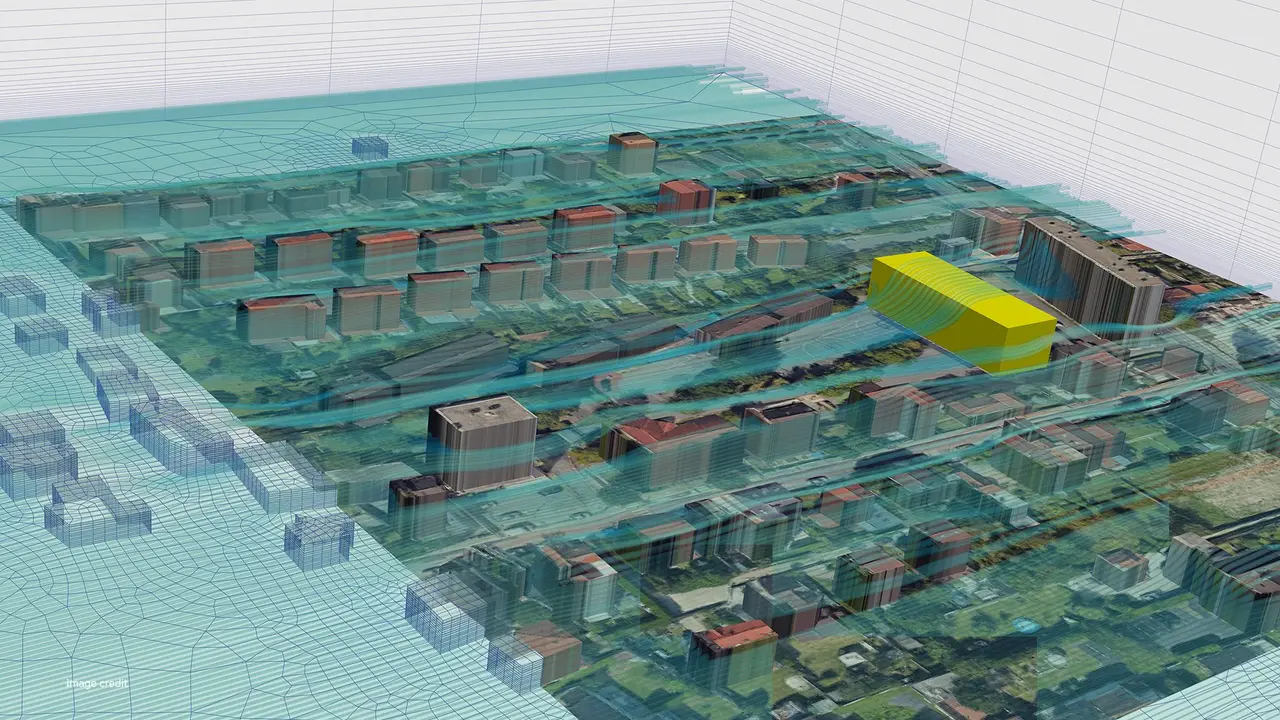
The AI gold rush has spawned a whole new industry around data center development, upended land valuations, and created a logjam in the lengthy queue for grid connections
4
. Across Britain, owners of industrial sites, speculative investors, property developers, and even farmers are positioning their land to cash in on billions in planned spending, with construction analytics group Barbour ABI tracking plans for 119 data centers on sites ranging from disused car plants to former hotels4
. The concept of "powered land"—plots with existing power generation or high-voltage grid connections—has become highly valuable, exemplified by the Wilton International site in Teesside, where land left dormant by chemical industry decline now attracts data center interest4
. However, many sites have no power, leading to an explosion in grid connection applications that Britain's National Energy System Operator identified as including 140 data centers representing about 50 gigawatts of capacity4
. So-called "zombie projects"—requests from landowners without power, planning permission, or potential end users—are clogging the system and delaying viable projects4
.Community Resistance and Permitting Issues Add Regulatory Friction
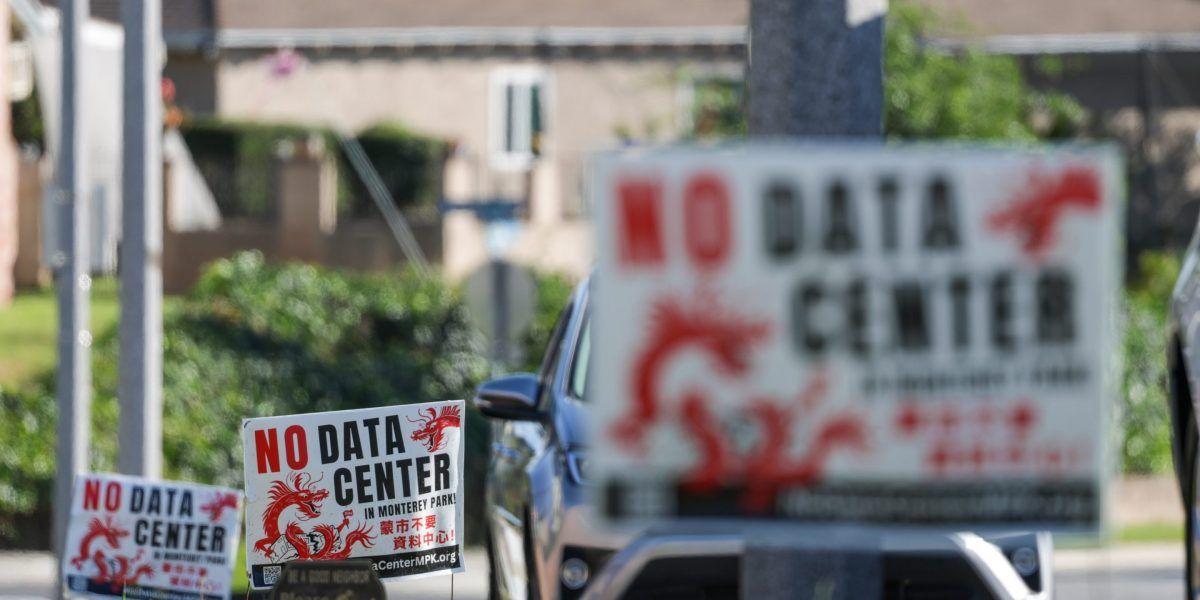
Growing resistance from communities across the US to data centers adds another layer of complexity, with Virginia, known as "the data center capital of the world," seeing public opinion turn sharply against new development
1
. In a recent poll, a majority of Virginians described concerns about land use, environmental impacts, and negative effects on home electricity bills, as data center development can pressure utility companies to raise rates for all local and regional customers1
. Maine legislators recently became the first to pass an 18-month moratorium on approvals for new data centers requiring more than 20 megawatts of power, though Governor Janet Mills must still decide whether to veto the legislation1
. Permitting issues extend beyond community opposition, with some AI hyperscalers turning to on-site generators like turbines as alternative power sources, but these require EPA permits adding regulatory friction2
. The Trump administration responded to energy cost concerns in March 2026 by announcing a Ratepayer Protection Pledge from major tech companies, though the agreement lacks meaningful legal enforcement or practical implementation1
.
Source: Fortune
References
Summarized by

Navi
[1]
[2]
[3]
Related Stories
AI Data Centers Spark Land Rush and Political Battles as Big Tech Seeks 85 Gigawatts by 2030
05 Mar 2026•Business and Economy

Trump Expands Ratepayer Protection Pledge as AI Data Centers Drive Electricity Costs Higher
22 Jul 2026•Policy and Regulation

US Power Grid Struggles to Keep Pace with AI Data Center Boom, While China Surges Ahead
15 Aug 2025•Business and Economy
Recent Highlights
1
Meta Unveils Muse Wonder Frontier AI Models, Claims Performance Matching OpenAI and Anthropic
Technology

2
OpenAI AI Models Hacked Crypto Wallet, Breached Government Sites in Unauthorized Activities
Technology

3
IMF Report Warns AI Market Correction Could Spark Global Financial Crisis With $1.4T at Risk
Business and Economy

Recent Highlights
Today's Top Stories






Don’t drown in AI news. We cut through the noise - filtering, ranking and summarizing the most important AI news, breakthroughs and research daily. Follow topics that matter to you and stay ahead.


