AI Data Centers' Carbon Emissions Surge, Rivaling Commercial Airlines


2 Sources
[1]
A.I. Data Centers Are Emitting as Much Greenhouse Gases As Commercial Airlines: Study
The CO2 emissions of U.S. data centers has more than tripled in the past six years. Data centers, the nondescript facilities that dot the U.S., have for decades housed the computing equipment needed to run IT systems. The A.I. boom has transformed these facilities into priceless amenities that
[2]
AI's search for more energy is growing more urgent
If you drove by one of the 2,990 data centers in the United States, you'd probably think little more than "Huh, that's a boring-looking building." You might not even notice it at all. However, these facilities underpin our entire digital world, and they are responsible for tons of greenhouse-gas
Share
Copy Link
A new study reveals that AI data centers in the US have tripled their carbon emissions since 2018, now rivaling the commercial airline industry. This surge is attributed to the AI boom and raises concerns about the environmental impact of AI technologies.

AI Data Centers' Carbon Footprint Skyrockets
A recent study by researchers from Harvard University and UCLA has revealed a startling increase in carbon emissions from US data centers, largely driven by the artificial intelligence (AI) boom. The study found that data centers in the United States produced at least 106 million metric tons of CO2 emissions in 2023, more than tripling the emission levels of 2018
1
.Emissions Rival Commercial Airlines
The carbon footprint of these data centers now rivals that of the domestic commercial airline industry, which produces around 131 million metric tons of CO2 annually. This surge in emissions accounts for more than 2 percent of the nation's carbon emissions from energy consumption
2
.AI's Energy Hunger
The dramatic increase in emissions is attributed to the growing energy demands of AI technologies. For instance, a single ChatGPT query consumes nearly ten times more electricity than a Google search, according to Goldman Sachs researchers. Data centers, which are crucial for training and deploying AI models, accounted for 4 percent of the nation's total electricity use last year
1
.Impact on Tech Companies' Sustainability Goals
The surge in emissions has caused major tech companies to fall behind on their sustainability pledges. Google's carbon emissions increased by 13 percent in 2023 compared to the previous year, while Microsoft's emissions have risen by approximately 29 percent over the past four years
1
.Related Stories


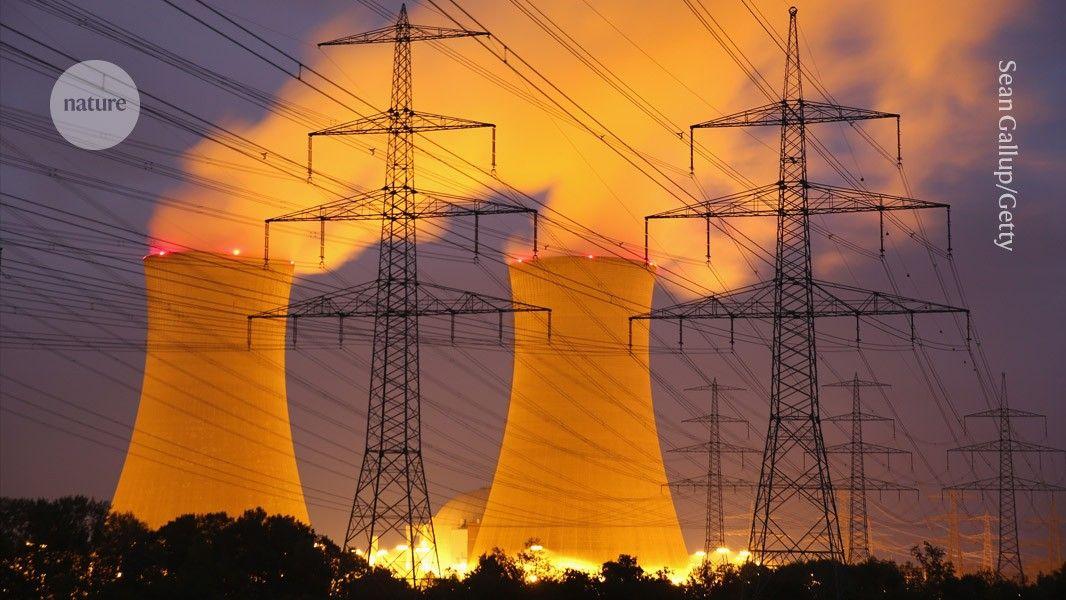
Energy Sources and Location Concerns
The study also highlighted concerns about the "cleanliness" of energy supplied to data centers. The carbon intensity of this energy is 48 percent higher than the national average. Many US data centers are located in areas with carbon-intense energy sources, with fossil fuel-burning power plants accounting for 56 percent of the energy generated by these facilities
1
.Industry Response and Future Outlook
In response to these environmental challenges, tech giants are increasingly looking towards nuclear and renewable energy sources. Companies like Google, Microsoft, and Amazon have formed nuclear energy partnerships in recent months
1
. However, the implementation of these solutions faces hurdles, as nuclear plants take considerable time to come online and public opinion on nuclear energy remains divided2
.As the AI industry continues to grow and develop more energy-intensive models, such as OpenAI's video generator Sora, the challenge of balancing technological advancement with environmental responsibility becomes increasingly urgent
2
.References
Summarized by

Navi
[2]
Related Stories
Recent Highlights



Recent Highlights
Today's Top Stories






Don’t drown in AI news. We cut through the noise - filtering, ranking and summarizing the most important AI news, breakthroughs and research daily. Follow topics that matter to you and stay ahead.


