AI's Surging Energy Demand Sparks Data Center Efficiency Crisis


4 Sources
[1]
AI's ballooning energy consumption puts spotlight on data center efficiency
Georgia Institute of Technology provides funding as a member of The Conversation US. Artificial intelligence is growing fast, and so are the number of computers that power it. Behind the scenes, this rapid growth is putting a huge strain on the data centers that run AI models. These facilities are
[2]
AI's infrastructure problem is bigger than we think -- here's how to solve it
Creating AI data centers without smart tech wastes crucial opportunities The world is rushing to capitalize on the commercial and societal promise of AI. In the northeast of England, the recently announced Teesworks data center project promises to be Europe's largest data center. Across the
[3]
AI's ballooning energy consumption puts spotlight on data center efficiency
Artificial intelligence is growing fast, and so are the number of computers that power it. Behind the scenes, this rapid growth is putting a huge strain on the data centers that run AI models. These facilities are using more energy than ever. AI models are getting larger and more complex. Today's
[4]
The World Faces a $2T Data Center Challenge in the Age of AI
The capacity demand is such that the world would halt if we did not find a global consensus and effective means to power up data centers. | Credit: Bruna Santos, Pexels. * AI's rapid growth is driving an unprecedented surge in global data center demand, requiring trillions in new infrastructure
Share
Copy Link
The rapid growth of AI is causing a significant increase in energy consumption by data centers, leading to concerns about sustainability and infrastructure capacity. This has sparked a global discussion on how to make data centers more efficient and resource-aware.
The Growing Energy Appetite of AI
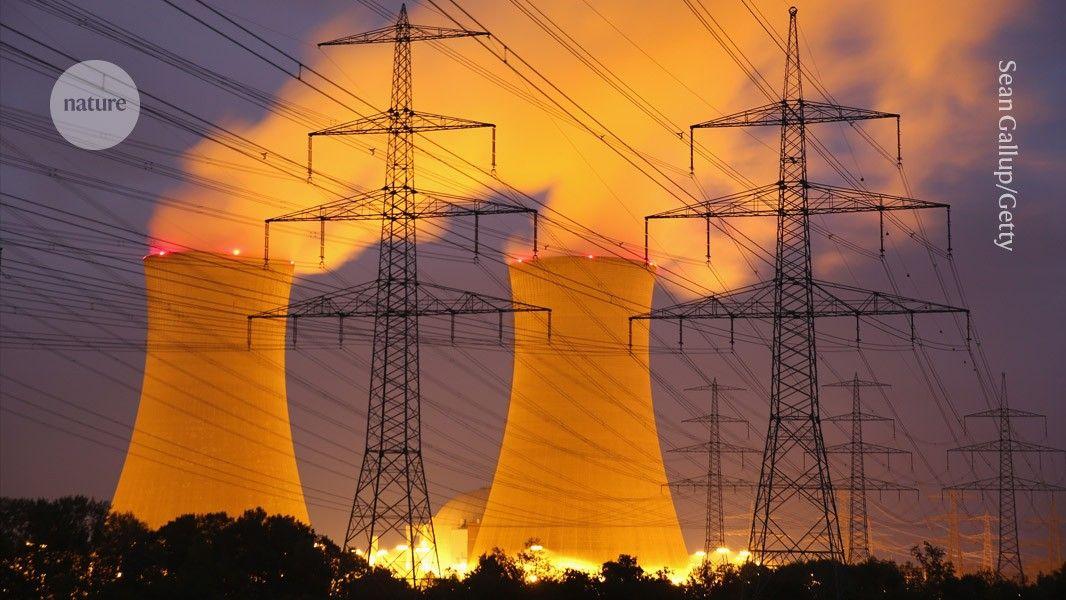
The rapid expansion of artificial intelligence (AI) is creating an unprecedented demand for computational power, leading to a significant increase in energy consumption by data centers. Modern AI models, with billions of parameters, require thousands of computer chips to operate, resulting in data centers that consume as much electricity as small cities
1
2
.
Source: TechRadar
This surge in energy demand is not just from computing processes but also from memory and cooling systems. As AI models grow larger and more complex, they require more storage and faster data access, generating more heat. Consequently, cooling has become a central challenge and a major contributor to energy bills
1
3
.The Infrastructure Challenge
The mismatch between AI's growing computational demands and the available infrastructure is becoming increasingly apparent. In some regions, such as Northern Virginia, new AI and cloud projects have been paused due to lack of electricity
2
. This has led to a global rush to shore up data center capacity, with projects like the Teesworks data center in England and Amazon's facilities in Indiana2
.However, simply building more data centers is not a sustainable solution. The International Energy Agency (IEA) warns that electricity demand from data centers worldwide is set to more than double by 2030, with AI at the heart of this surge
2
. This rapid growth is exposing fundamental mismatches between AI's hunger for computing resources and the ability of national grids to keep up.Inefficiencies in Current Systems

Source: The Conversation
Despite advanced equipment, many data centers are not running efficiently. This is often due to a lack of communication between different parts of the system. For example, scheduling software might not be aware of overheating chips or clogged network connections, leading to some servers sitting idle while others struggle to keep up
1
3
.Related Stories



Proposed Solutions
Experts are calling for a shift from brute-force scaling to smarter, more specialized infrastructure. Key ideas include:
-
Addressing hardware variability: Recognizing and adjusting for differences in chip performance, heat tolerance, and energy use
1
3
. -
Adapting to changing conditions: Designing systems to respond in real-time to factors like temperature, power availability, and data traffic
1
3
. -
Breaking down silos: Encouraging collaboration between engineers who design chips, software, and data centers to find new ways to save energy and improve performance
1
3
. -
Investing in energy-efficient technologies: Exploring innovations such as analog computing, neuromorphic chips, and light-based architectures that promise significant improvements in energy efficiency
2
.
The Path Forward
The challenge of meeting AI's energy demands while maintaining sustainability requires a multifaceted approach. This includes:
-
Grid expansion and renewable integration: Accelerating the integration of renewable energy sources and improving grid access
2
. -
Energy-efficient hardware: Developing a new generation of energy-efficient hardware specifically designed for AI workloads
2
. -
Collaboration and standards: Encouraging tech leaders, policymakers, and researchers to collaborate on global standards for efficiency and back breakthrough research in energy-efficient hardware
2
. -
Rethinking metrics: Shifting focus from raw performance metrics to "watts per task" as a measure of AI efficiency
2
.
As AI continues to transform various sectors, including science, medicine, and education, addressing these energy and infrastructure challenges is crucial. The future of AI depends not only on better models but also on creating a sustainable and efficient infrastructure to support its growth
1
2
3
.References
Summarized by

Navi
[1]
Related Stories
Recent Highlights



Recent Highlights
Today's Top Stories



Don’t drown in AI news. We cut through the noise - filtering, ranking and summarizing the most important AI news, breakthroughs and research daily. Follow topics that matter to you and stay ahead.


