AI Data Centers Trigger Fiber Optic Shortage, Squeezing Ukrainian Drone Operations


2 Sources
[1]
Ukraine's fiber-optic drones get squeezed by AI data center demand
Ukraine competes with Russia and data centers for China's optical fiber supply. Impervious to battlefield jamming, drones physically connected to human operators by miles of fiber-optic cables have become such a common weapon of war in Ukraine that trees and fields are strewn with tangled cables
[2]
AI data centers trigger massive fiber optic cable shortage, squeezing Ukrainian drone operations -- Ukrainian defense firm reports 10X price hike as Russia secures 37 million miles of cable
The data center boom is negatively affecting Ukraine's war effort. Russia's 2022 invasion of Ukraine sparked a new era of drone warfare. Russian invaders first used drones with fiber-optic tethers to combat electronic warfare on the front lines, but both sides now use these jam-proof drones.
Share
Copy Link
AI data centers are consuming massive amounts of fiber optic cables, creating a global shortage that's hitting Ukraine's drone warfare capabilities hard. Ukrainian defense firm BlueBird Tech reports 6-10X price increases as Russia secures 37 million miles of cable while Ukraine struggles with supply chain constraints and Chinese suppliers refusing sales.
AI Data Center Demand Creates Global Fiber Optic Shortage
The explosive growth of AI data centers has triggered an unprecedented global shortage of fiber optic cables, with market research firm TrendForce projecting a worldwide shortfall of 111 million miles in 2026
1
. This supply crunch is creating unexpected ripple effects far beyond the tech industry, directly impacting military technology and drone warfare capabilities in Ukraine. The fiber optic shortage has become a critical bottleneck as AI data centers and Ukrainian drones compete for the same limited supply of Chinese optical fiber.Ukrainian Drones Face Severe Supply Chain Constraints
BlueBird Tech, a Ukrainian defense firm specializing in fiber-optic drones and electronic warfare systems, reports that prices for fiber optic cables have surged six to 10 times over the past couple of years
2
. This dramatic price hike directly results from AI data center demand consuming massive quantities of the material. Ukraine and Russia together produce an estimated 50,000 fiber-optic drones per month, with each drone requiring enough cable to operate at ranges of dozens of miles, sometimes reaching up to 62 miles in extreme cases1
. The optical fiber has effectively become a one-time battlefield consumable, with trees and fields now strewn with tangled cables thinner than fishing lines.Russia Dominates Fiber Optic Cable Imports
Geopolitical factors have created a stark imbalance in access to fiber optic supplies. Russia imported 328,000 miles of fiber optic cable from China in August 2025 alone, while Ukraine received just 72 miles from Chinese companies during the same period
1
. Russia's total purchases in 2025 reached more than 37 million miles of fiber optic cable, accounting for over 10 percent of all fiber produced worldwide2
. This represents a massive shift from Russia's historical consumption, which had never exceeded 1 percent of global demand before the conflict. China's economic and security ties with Russia, combined with the countries' massive land border, enable Russia to secure significantly larger quantities of this critical material.Fiber-Optic Drones Provide Unjammable Control in Electronic Warfare Environments
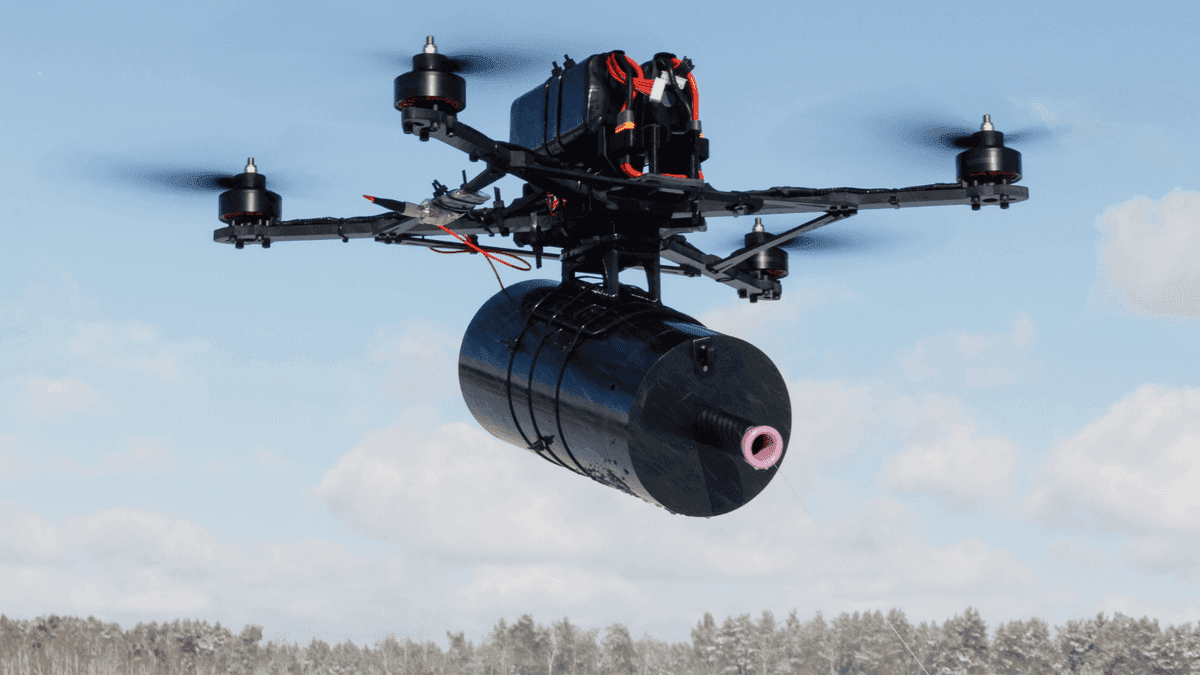
Source: Tom's Hardware
The technology has become essential because these drones offer unjammable control that conventional radio-controlled drones cannot match. According to Oleksiy, a BlueBird Tech R&D representative, fiber-optic drones do not produce the same radio-frequency emissions as conventional FPV drones, making them invisible to RF detectors and immune to electronic warfare jamming
1
. Russia first deployed these drones to repel Ukrainian forces during their cross-border incursion into Kursk Oblast in 2024, and Ukraine quickly developed its own capabilities in response. The high density of electronic intelligence and electronic warfare systems on the battlefield has made conventional radio-controlled drones increasingly difficult to operate, pushing both sides toward fiber-optic solutions despite their higher costs and operational complexity.Related Stories
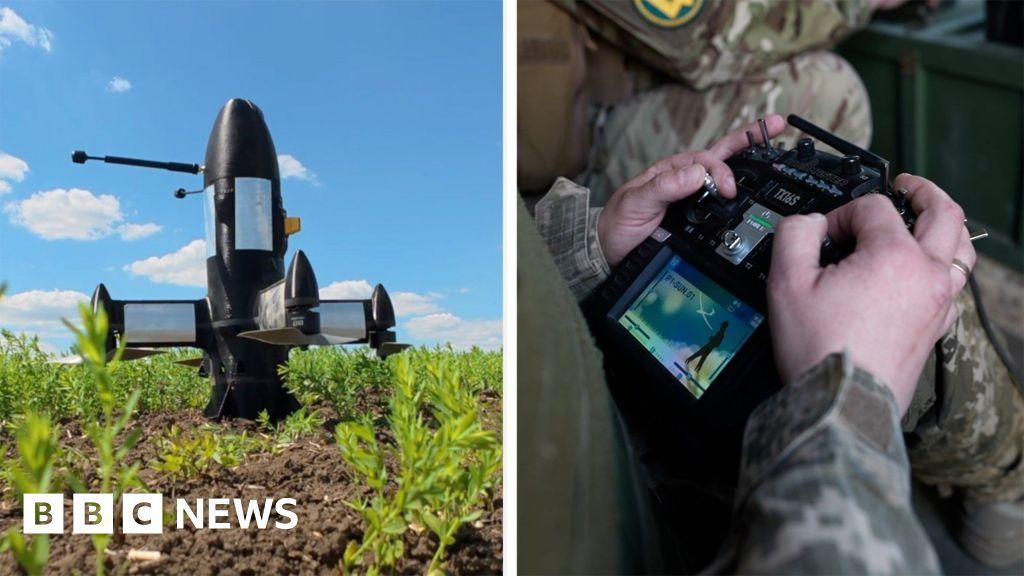
Trade Barriers Compound Ukraine's Drone Manufacturing Capabilities

Source: Ars Technica
Beyond price increases, Ukraine faces additional obstacles in securing fiber optic supplies. Some Chinese companies have outright refused to sell fiber optic cables to Ukraine
2
. While Ukraine could theoretically purchase from suppliers in other countries, the BlueBird representative notes that intermediaries can be used, but China remains the main source of the fiber optic material needed for drone warfare. Domestic production in Ukraine faces its own challenges, requiring specially trained personnel who must practice on the already limited supply of fiber optic cables. Even with automation, experienced personnel are needed to oversee production lines and ensure quality control.Data Center Buildout Creates Cascading Industry Shortages
The fiber optic shortage joins a growing list of supply constraints triggered by the AI boom. Data centers have already caused shortfalls in GPUs, memory chips, PCBs, power infrastructure, optical transceivers, and skilled labor like electricians
2
. This overwhelming demand now affects industries seemingly unrelated to computing, including automotive manufacturing, home construction, and military technology. The global shortage of fiber optic cables demonstrates how rapidly scaling AI infrastructure creates unexpected bottlenecks across multiple sectors, with serious implications for both commercial and defense applications worldwide.References
Summarized by

Navi
Related Stories
Data Centers Emerge as Military Targets as Drone Warfare Threatens AI Infrastructure Globally
15 Oct 2026•Technology
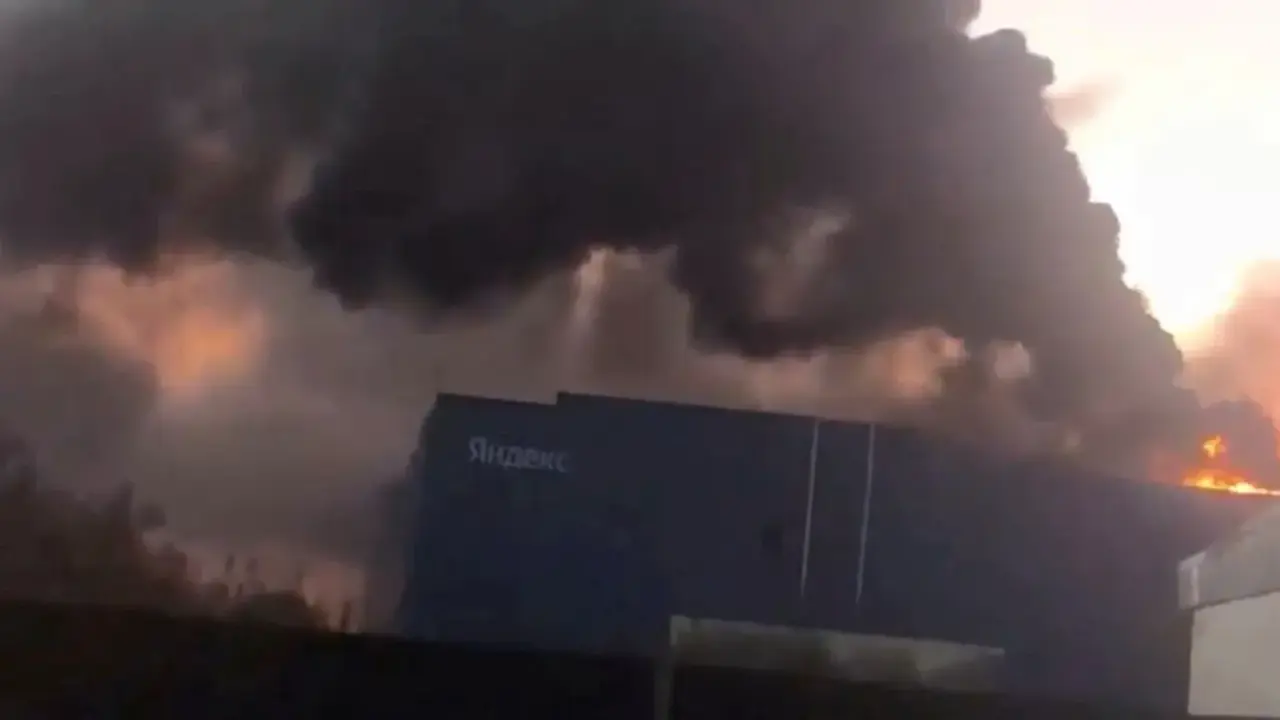
Ukraine Turns War into AI Training Ground as Battlefield Data Fuels Global Tech Race
04 Sept 2026•Technology

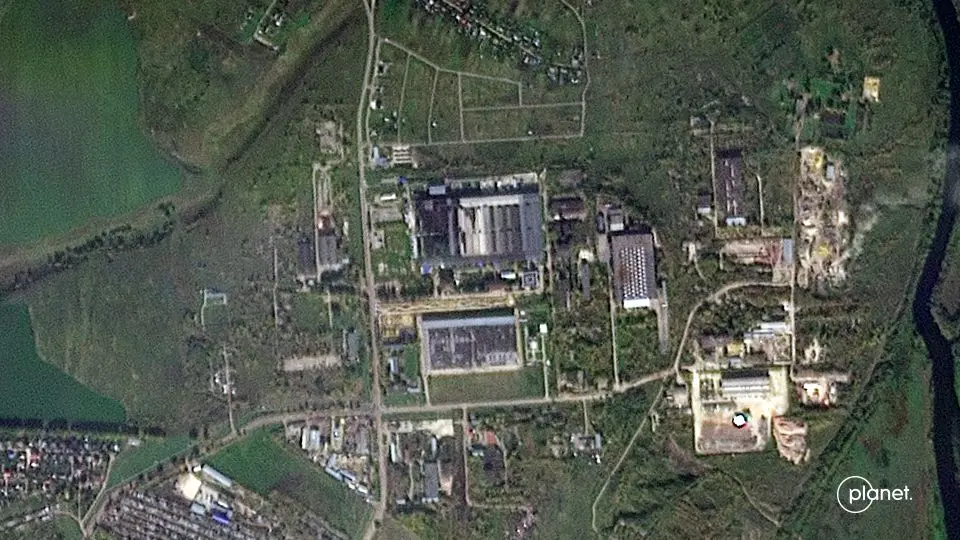
Ukrainian Drone Strikes Cripple Russian Data Centers and AI Infrastructure in Retaliatory Campaign
08 Oct 2026•Technology
Recent Highlights


Recent Highlights
Today's Top Stories








Don’t drown in AI news. We cut through the noise - filtering, ranking and summarizing the most important AI news, breakthroughs and research daily. Follow topics that matter to you and stay ahead.


