AI-Driven 'Polybot' Revolutionizes Electronic Polymer Discovery at Argonne National Laboratory


2 Sources
[1]
Self-driving lab transforms electronic polymers discovery
Plastic that conducts electricity might sound impossible. But there is a special class of materials known as "electronic polymers" that combines the flexibility of plastic with the functionality of metal. This type of material opens the door for breakthroughs in wearable devices, printable
[2]
Self-driving lab transforms materials discovery | Newswise
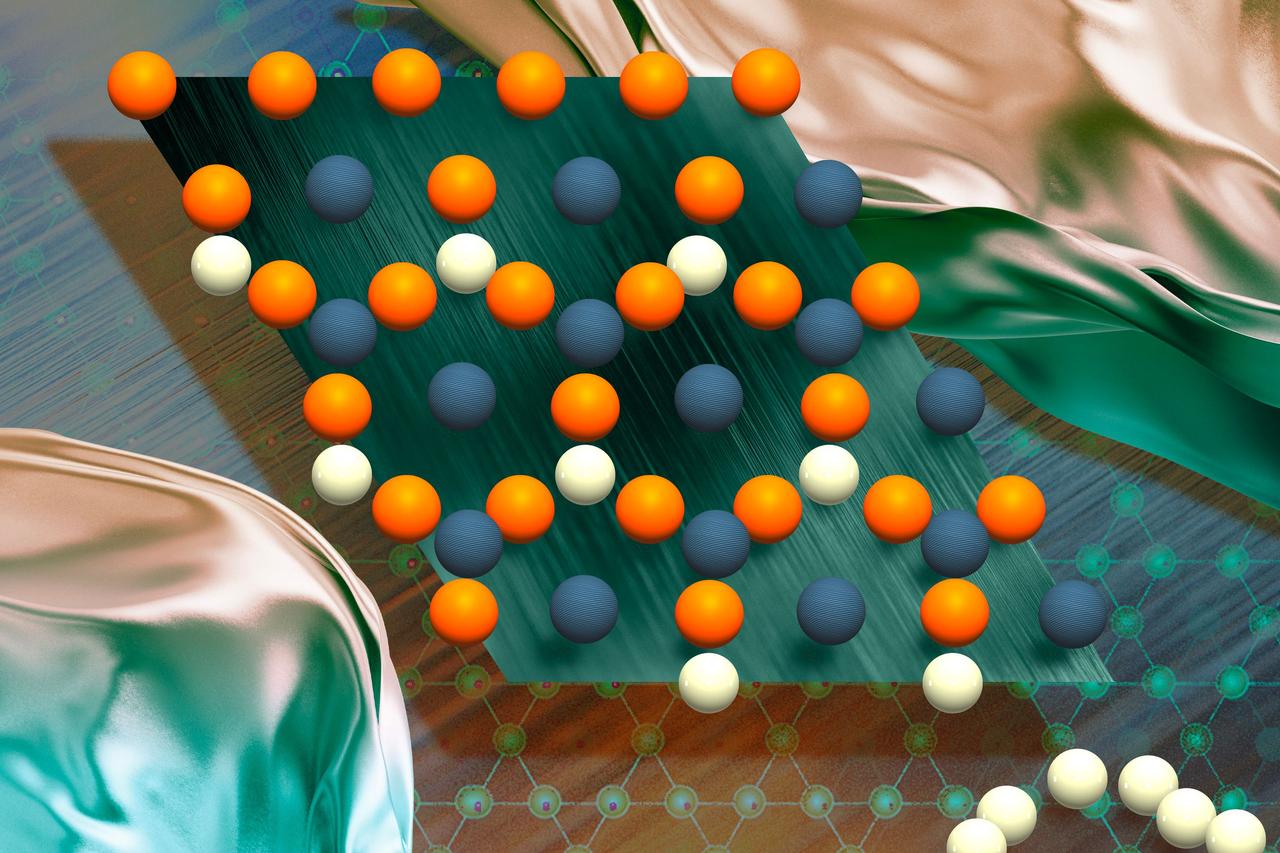
Artistic rendering depicting Polybot, the AI-driven automated material laboratory. Argonne researchers use Polybot, an AI-driven automated material laboratory, to produce high-conductivity, low-defect electronic polymer thin films. Plastic that conducts electricity might sound impossible. But
Share
Copy Link
Researchers at Argonne National Laboratory have developed an AI-powered automated lab called Polybot, which is transforming the discovery and optimization of electronic polymers for advanced technologies.
AI-Powered Polybot Transforms Electronic Polymer Research
Researchers at the U.S. Department of Energy's (DOE) Argonne National Laboratory have made a significant breakthrough in materials science by developing an AI-driven automated laboratory called Polybot. This innovative tool is revolutionizing the discovery and optimization of electronic polymers, a unique class of materials that combine the flexibility of plastic with the conductivity of metal
1
.The Challenge of Electronic Polymer Production
Electronic polymers have immense potential for applications in wearable devices, printable electronics, and advanced energy storage systems. However, producing thin films from these materials has been a persistent challenge due to the complexity of balancing their physical and electronic properties. The fabrication process involves nearly a million possible combinations that can affect the final properties of the films, making it impractical for human researchers to explore all options
2
.Polybot: The AI-Driven Solution
Polybot, located at the Center for Nanoscale Materials at Argonne, represents the latest advancement in autonomous discovery. It combines robotics with artificial intelligence to accelerate innovation in chemical engineering and materials science. The system operates independently, with a robot conducting experiments based on AI-driven decisions
1
.Key Achievements of Polybot
-
Optimized Properties: Polybot simultaneously optimized two crucial properties of electronic polymer films: conductivity and coating defects. This improvement enhances device reliability and electrical performance
2
. -
Efficient Data Gathering: Using AI-guided exploration and statistical methods, Polybot efficiently collected reliable data to identify optimal thin film processing conditions
1
. -
High-Quality Film Production: The research team created thin films with average conductivity comparable to the highest current standards and developed "recipes" for large-scale production
2
. -
Advanced Image Analysis: Polybot utilized advanced computer programs for image processing and analysis, crucial for evaluating film quality
1
.
Related Stories
Impact and Future Directions
The implications of this research extend beyond laboratory settings. The team plans to share their collected data with the scientific community through an open-source database, promoting collaborative improvement of their methodology
2
.Jie Xu, a scientist at Argonne, emphasized that this project is just the beginning. The team aims to apply their AI and automation approach to tackle more real-world challenges and discover new materials
1
.Collaborative Effort and Funding
This groundbreaking research involved contributions from multiple institutions, including the University of Chicago and the University of Illinois, Chicago. The study, published in Nature Communications, was funded by the DOE Office of Basic Energy Sciences, Argonne's Laboratory Directed Research and Development program, and the University of Chicago
2
.As this AI-driven approach continues to evolve, it promises to accelerate innovation in materials science, potentially leading to breakthroughs in various technological fields and industrial applications.
References
Summarized by

Navi
Related Stories
AI-Powered Discovery of Mechanophores Paves Way for Stronger, More Durable Plastics
05 Aug 2025•Science and Research
AI Supercomputer Revolutionizes Battery Material Discovery
15 Aug 2025•Science and Research

ChemGraph AI framework automates chemistry simulations to accelerate battery and materials research
07 Jul 2026•Technology
Recent Highlights
1
Microsoft and Nvidia Launch Surface Laptop Ultra: A $2,599 AI-Ready PC With RTX Spark Chip
Technology

2
Trump Consulted Grok AI Before Ordering Venezuela Invasion and Capture of Nicolás Maduro
Policy and Regulation

3
Scientists Build AI Model That Reconstructs Images From Brain Scans in Record Time
Science and Research

Recent Highlights
Today's Top Stories







Don’t drown in AI news. We cut through the noise - filtering, ranking and summarizing the most important AI news, breakthroughs and research daily. Follow topics that matter to you and stay ahead.


