AI Enhances Rather Than Replaces Human Creativity, Study Finds


3 Sources
[1]
AI does not replace human creativity, but enhances it - Earth.com
Artificial intelligence has revolutionized industries, transforming how people work, learn, and create. From automating mundane tasks to producing text and images at remarkable speed, AI has reshaped many aspects of daily life. However, as AI systems become more advanced, concerns about their
[2]
Could AI Kill Human Creativity? | Newswise
Generative AI is not a replacement for human skills like creativity, but a tool that we need to manage. Newswise -- Artificial intelligence (AI) was designed to solve problems, enhance productivity, and push the boundaries of innovation. But since the rise of generative AI such as CHATGPT and
[3]
Could AI kill human creativity?
Artificial intelligence (AI) was designed to solve problems, enhance productivity, and push the boundaries of innovation. But since the rise of generative AI such as ChatGPT and DALL-E, people have had concerns about its potential to overshadow or replace key human skills. Now, University of South
Share
Copy Link
University of South Australia researchers explore the relationship between AI and human creativity, concluding that while AI can generate creative outputs, it fundamentally relies on human input and guidance.

AI's Role in Creativity: Enhancing, Not Replacing Human Skills
As artificial intelligence (AI) continues to revolutionize various industries, concerns about its impact on human creativity have intensified. Researchers at the University of South Australia (UniSA) have recently explored this complex relationship, shedding light on how AI interacts with human creativity
1
.Key Findings: AI as a Tool, Not a Replacement
The study, published in the Creativity Research Journal, confirms that AI lacks original thought and depends entirely on human prompts to generate meaningful content
3
. Professor David Cropley, a leading researcher at UniSA, emphasizes that understanding AI's role is crucial for successful adoption."The future of work suggests that machines - AI, automation, and robots - will take over routine, algorithmic, predictable tasks, freeing up people to focus on unpredictable, non-algorithmic, and creative work," said Professor Cropley
2
.AI's Dependence on Human Input
To illustrate AI's reliance on human guidance, Professor Cropley provided an example using DALL-E 2, an AI art program:
"If I prompt an AI art program like DALL-E 2 to 'produce an oil painting in the style of da Vinci's Mona Lisa, showing a young woman scrolling through her mobile phone and looking bored,' it will create a picture, and does a good job of satisfying that prompt," he explained
1
.The Growing Use of AI in the Workplace
In Australia, the adoption of generative AI is rapidly increasing, with nearly 40% of employees using the technology for work purposes. One in five has doubled their usage over the past year. However, only 20% of employees believe their organizations are fully utilizing AI's potential
2
.AI's Strengths and Limitations
Dr. Rebecca Marrone, another researcher at UniSA, highlights AI's strengths while acknowledging its limitations:
"AI's strengths lie in speeding up information-gathering and evaluating ideas based on predefined criteria. It swiftly handles routine and data-intensive tasks, and this lets people engage more deeply with creative processes," noted Dr. Marrone
3
.Related Stories

Implications for Education and Business
The findings have significant implications for educational practices, job creation, and the future of work. While they reassure those who fear AI might outcompete human workers, they also present challenges for educators and business leaders who must adapt to this evolving technology
1
.The Future of AI and Human Creativity
As AI technologies continue to expand, with popular tools like ChatGPT, DALL-E, and the Chinese counterpart DeepSeek, it's crucial to understand how these tools can augment human skills rather than replace them
2
. The research suggests that while AI can handle repetitive tasks efficiently, businesses must determine how to integrate it without diminishing human roles.References
Summarized by

Navi
[2]
[3]
Related Stories
AI Boosts Human Creativity in Brainstorming But Slows Experts During Implementation
16 Mar 2026•Science and Research
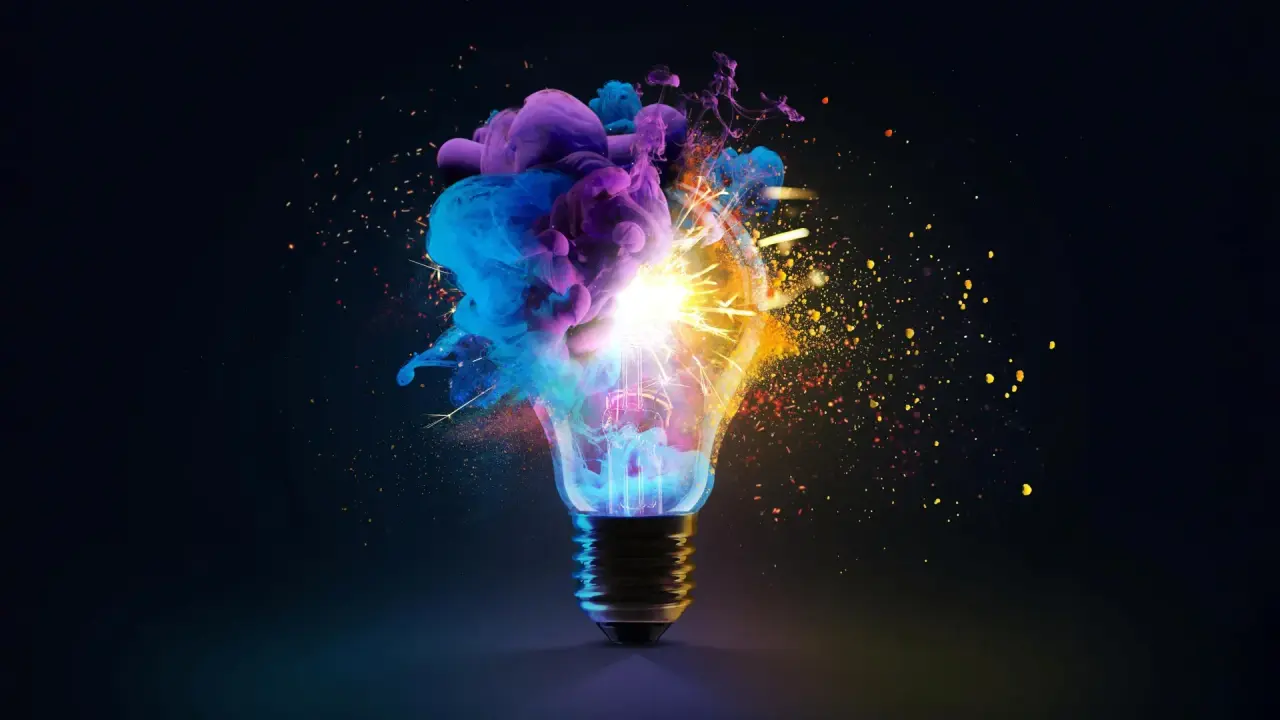
AI Enhances Individual Creativity but May Limit Group Innovation, Study Finds
15 Jul 2024

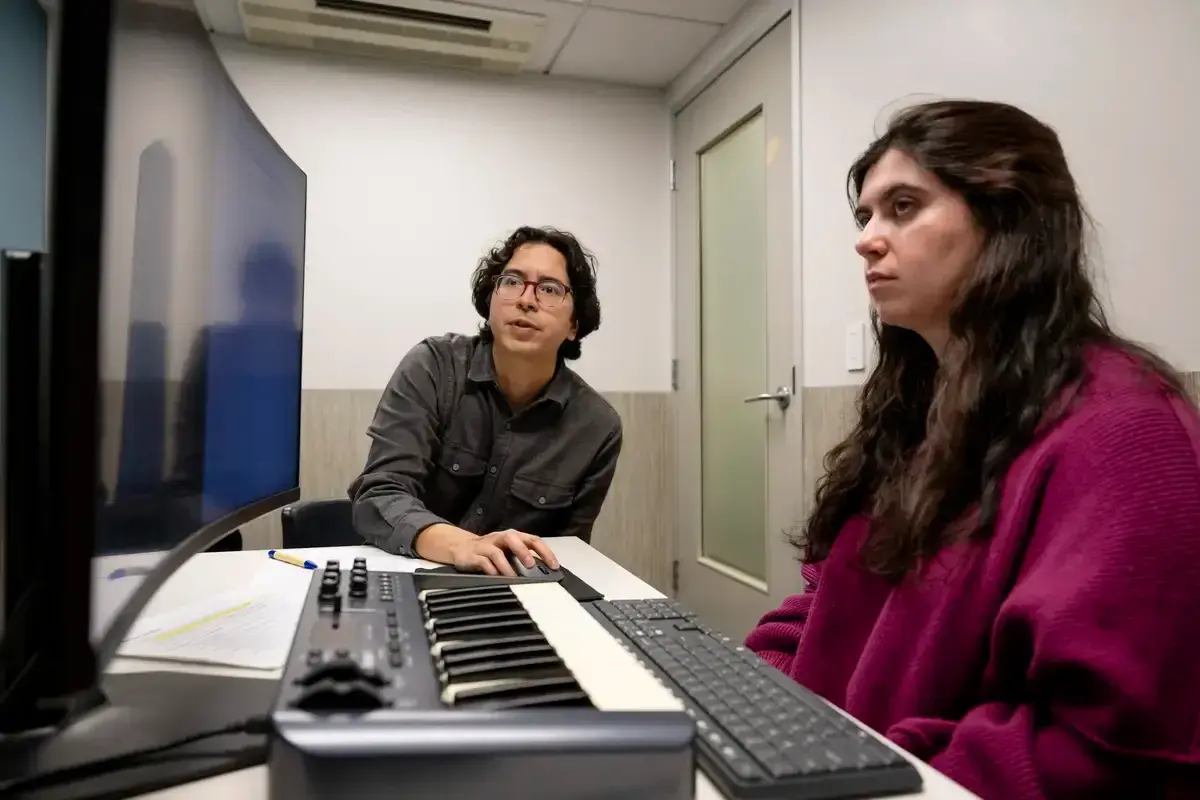
AI creativity matches average humans but top creators still outperform machines, new studies show
30 Jan 2026•Science and Research
Recent Highlights
1
Microsoft and Nvidia Launch Surface Laptop Ultra: A $2,599 AI-Ready PC With RTX Spark Chip
Technology

2
OpenAI Releases 722 AI-Generated Math Papers on GitHub, Igniting Fury Among Mathematicians
Science and Research
3
Trump Consulted Grok AI Before Ordering Venezuela Invasion and Capture of Nicolás Maduro
Policy and Regulation

Recent Highlights
Today's Top Stories









Don’t drown in AI news. We cut through the noise - filtering, ranking and summarizing the most important AI news, breakthroughs and research daily. Follow topics that matter to you and stay ahead.


