AI and Creativity Redefined: Israeli Researcher Argues Human Creative Process Still Matters


2 Sources
[1]
How artificial intelligence is changing the meaning of human creativity
AI can create stunning artwork in seconds, but a new paper explores what we may lose when technology replaces the human creative process. Artificial intelligence can now create stunning artwork in seconds, producing images that once required years of training and practice. But something important
[2]
Is AI killing art? No, but the human creative process still matters, Israeli study argues
For centuries, mastering an art form was inseparable from personal growth. A painter spent years learning to see the world before touching canvas, and a musician devoted decades to refining physical and emotional discipline. Today, generative AI can produce sophisticated compositions at the click
Share
Copy Link
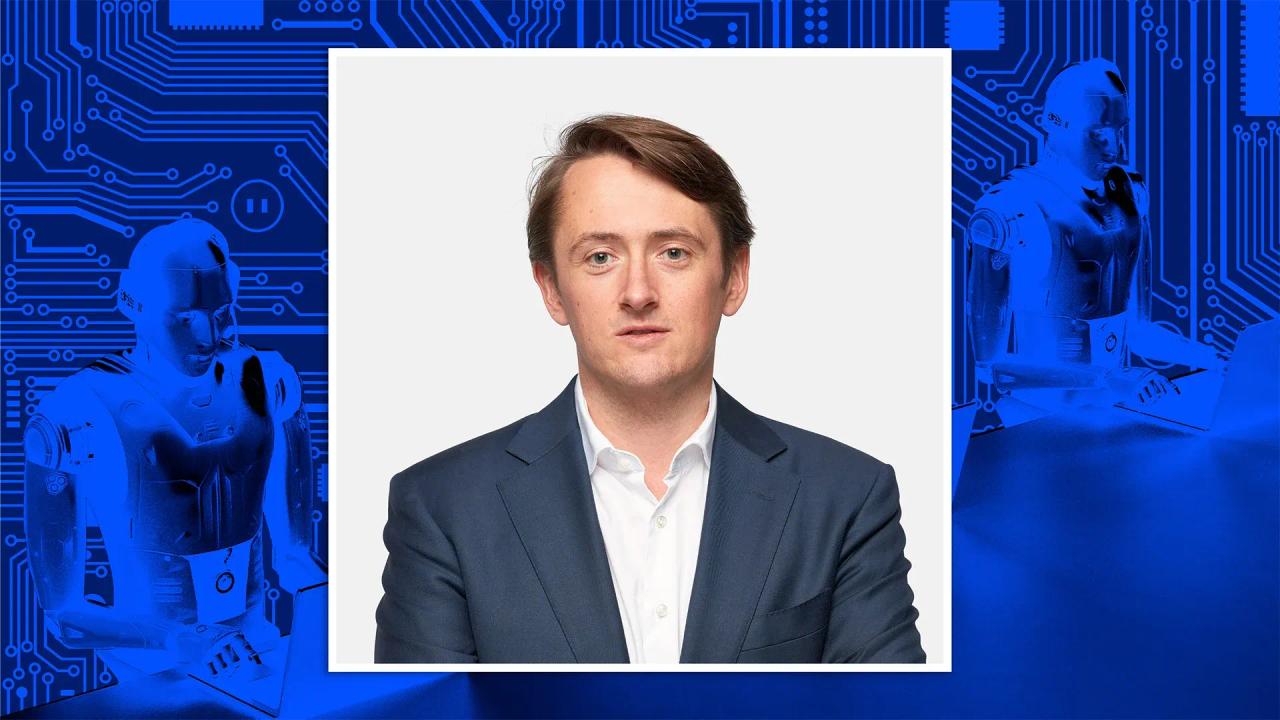
Amit Zoran from Hebrew University of Jerusalem published a paper arguing that while generative AI can produce sophisticated art instantly, the human creative process and personal transformation through art-making remain invaluable. His decoupling thesis suggests AI separates artistic achievement from human experience, prompting a rethink of creativity's true value.
AI Separates Art Creation from Human Experience
Amit Zoran, a computer scientist at the Hebrew University of Jerusalem, has published a paper in the AI & Society journal challenging how we understand human creativity in the age of artificial intelligence. His research introduces the decoupling thesis, arguing that generative AI fundamentally separates the quality of creative work from the years of human experience traditionally required to produce it
1
2
. Where painters once spent years learning to see the world before touching canvas and musicians devoted decades to refining physical and emotional discipline, generative models now produce sophisticated compositions at the click of a button.
Source: Earth.com
The Concept of Artistic Becoming
Zoran's framework splits what art does into two distinct functions. One is the artwork itself—the painting, song, or building that carries meaning from creator to viewer. The other is what he calls artistic becoming, the transformation that making art or encountering it brings about in a person
1
. This change happens at three levels: a painter's eyes and hands train over years, a viewer walks out of a gallery seeing differently, and whole cultures shift. Renaissance perspective reorganized how people saw space, while Cubism unsettled assumptions about objects and viewpoint.Generative AI Transforms Creative Skills
The artificial intelligence impact on creativity operates differently than earlier computer art tools. Harold Cohen's drawing program AARON and interactive installations that followed supplied precision and repetition while people supplied interpretation and meaning. Generative models work on recorded traces of human culture—what Zoran describes as an unevenly weighted and culturally skewed slice of the human record
1
. From that material, they produce images and music with qualities that once took years of training, but the years are no longer required. The maker's change hasn't disappeared; it has moved. Prompting, curating, and iterating with a model are real skills, but they work on symbols instead of clay or wood, and many can be picked up without a long apprenticeship.Rethinking How We Judge AI Tools
Image and music generators are usually judged on output: realism, coherence, fluency, and how closely a song fits its genre. Zoran wants a second set of questions for evaluating AI tools. Does a tool widen what a person explores or narrow it? Does it push users toward familiar artistic forms or expose them to unfamiliar ones?
1
He acknowledges that measuring how creativity changes a person is difficult, so he proposes measuring conditions instead. Engineers can count how broad a range a system leads users to explore and how often they engage in creative exploration instead of merely retrieving. A tool's defaults can be checked for how far they drift toward the statistically familiar, as recommendation feeds have already shown how easily software narrows what people encounter.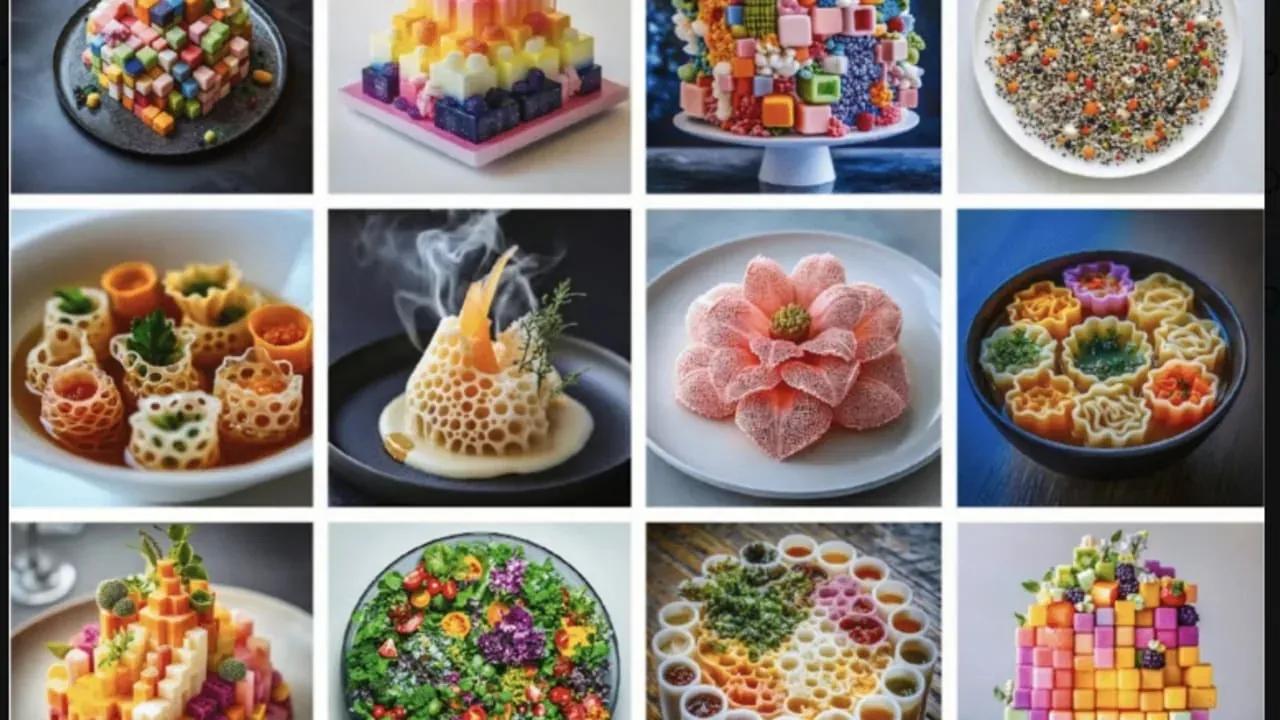
Source: Jerusalem Post
Related Stories
Multi-Sensory Experiences and Personal Growth
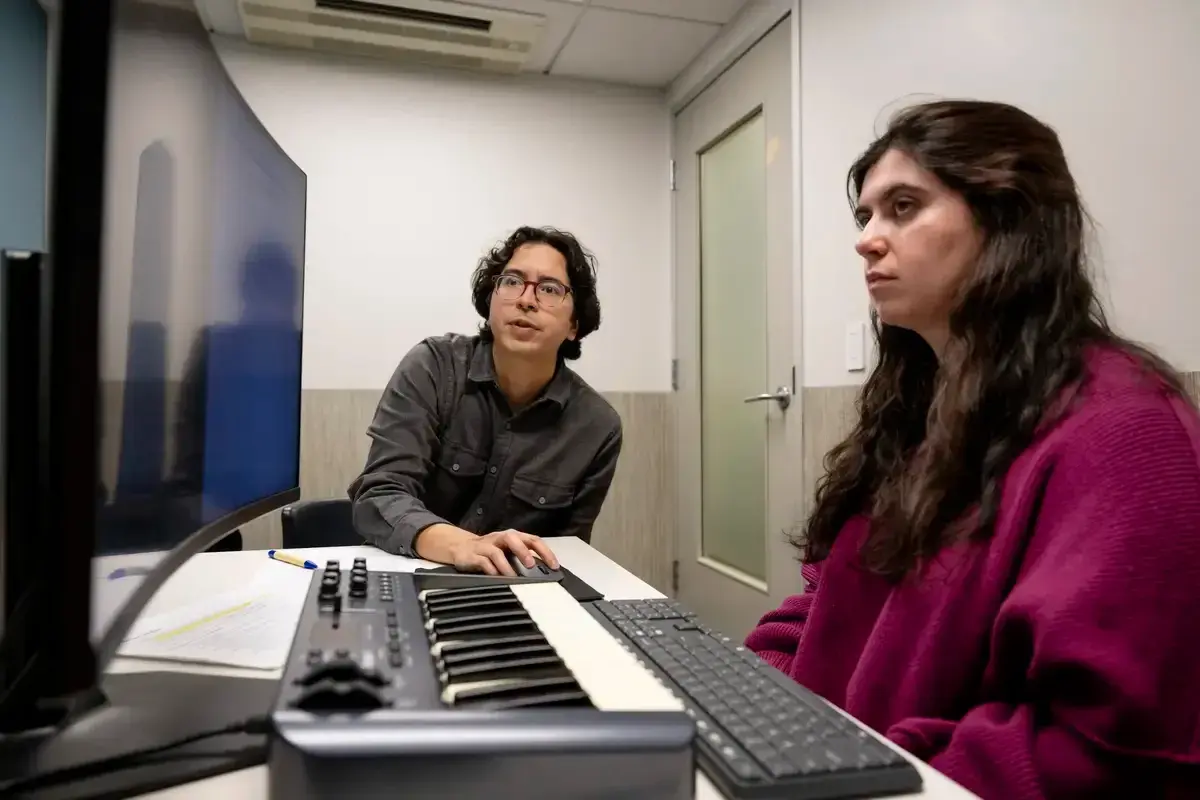
Zoran, who leads the Hybrid Design Lab at the Hebrew University of Jerusalem's Rachel and Selim Benin School of Computer Science and Engineering, describes creative projects illustrating how technology might expand human experience
2
. One project puts a tree at the center of a multi-sensory environment where visitors smell and taste an essence from the tree and listen to sounds recorded from it, combined with AI-generated music. Instead of merely producing digital content, technology helps participants engage with nature through symbolic interaction in new ways. Another project involved participants tasting an essence reconstructed from an old oak, assembled from connections among historical alchemy, botany, and chemistry that would have been difficult to gather without computers.Philosophical Implications for the Future
The paper presents philosophical implications rather than experimental findings, leaving conclusions open to debate. Zoran told The Jerusalem Post that the real potential of AI is not just to help produce more music, images, or designs, but to open new possibilities for how we experience, understand, and engage with the world
2
. For artists, this could mean using time saved by AI to experiment and develop richer experiences. For educational and cultural institutions, it suggests placing greater value on the human creative process rather than focusing exclusively on finished products. As generative AI makes artistic production increasingly accessible, the societal implications point toward a future where creativity depends less on what people can make and more on what they can discover, experience, and become through the creative process.References
Summarized by

Navi
Related Stories
AI Enhances Rather Than Replaces Human Creativity, Study Finds
04 Feb 2025•Science and Research

AI Boosts Human Creativity in Brainstorming But Slows Experts During Implementation
16 Mar 2026•Science and Research
AI's Cognitive Revolution: A Double-Edged Sword for Creativity and Originality
03 Jun 2025•Technology

Recent Highlights
1
OpenAI's AI Models Disprove 27-Year Exponential Time Hypothesis, Rendering Decades of Research Obsolete
Science and Research
2
Google DeepMind unveils Genie 4 world model with audio and 2-minute interactive simulations
Technology

3
Anthropic Faces $379 Million in Copyright Infringement Lawsuits Over Unlawfully Using Songs
Policy and Regulation

Recent Highlights
Today's Top Stories








Don’t drown in AI news. We cut through the noise - filtering, ranking and summarizing the most important AI news, breakthroughs and research daily. Follow topics that matter to you and stay ahead.


