AI Helps Identify Nazi Executioner in Infamous WWII Photo After 80 Years


2 Sources
[1]
Name of Nazi executioner in horrific WWII photo revealed using AI...
Often associated with scams and deepfakery, AI is now being used for another, more noble purpose: unmasking history's monsters. A German historian has utilized the omnipresent tech to glean the identity of a notorious Nazi executioner in a World War II photograph -- over 80 years after it was
[2]
Name of Nazi executioner in horrific WWII photo revealed using AI
Often associated with scams and deepfakery, AI is now being used for another, more noble purpose: unmasking history's monsters. A German historian has utilized the omnipresent tech to glean the identity of a notorious Nazi executioner in a World War II photograph -- over 80 years after it was
Share
Copy Link
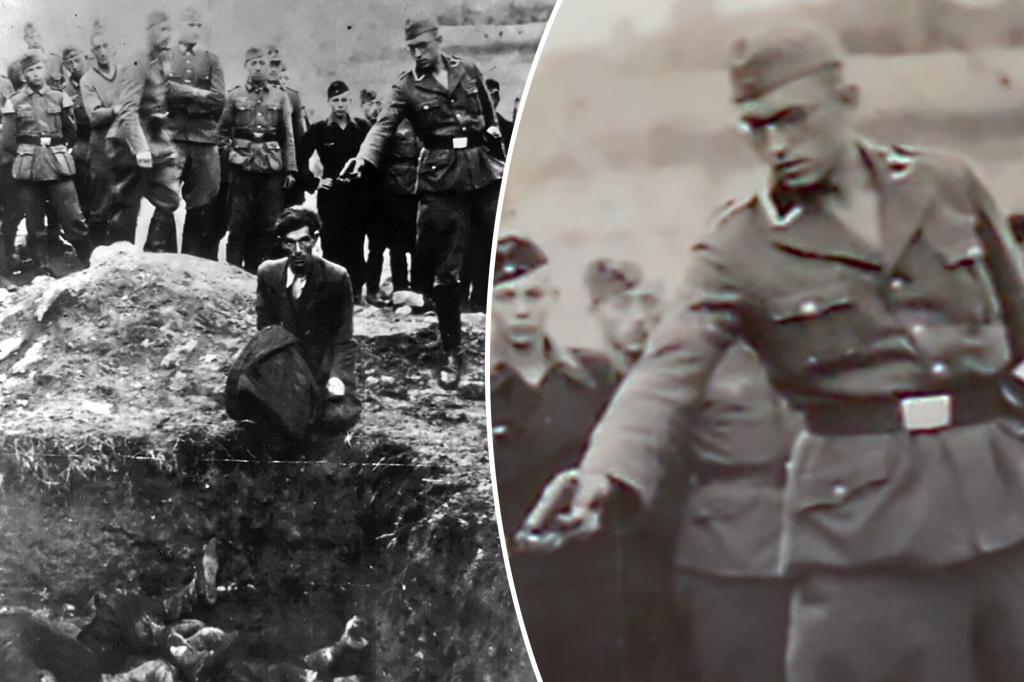
German historian Jürgen Matthäus uses AI technology to uncover the identity of a Nazi executioner in a haunting World War II photograph. The discovery showcases the potential of AI in historical research and corrects long-held misconceptions about the image.
AI Unveils Identity of Nazi Executioner in Infamous WWII Photograph
In a groundbreaking application of artificial intelligence, German historian Jürgen Matthäus has successfully identified a Nazi executioner in a haunting World War II photograph, more than 80 years after it was taken. This development showcases how AI technology can be utilized for historical research and uncovering long-hidden truths
1
2
.The Chilling Photograph
The photograph in question, commonly known as the "Last Jew of Vinnitsa," depicts a bespectacled Nazi soldier aiming a pistol at a kneeling man in front of a mass grave, while other SS troops look on. This image, taken in what is now Ukraine, has long been a symbol of the Holocaust's brutality
1
2
.The Power of AI in Historical Research
Matthäus's investigation combined AI technology with traditional historical research methods. The breakthrough came when a reader of German media provided crucial information based on family correspondence. The photograph was then analyzed by volunteers from Bellingcat, an open-source journalism group, using AI-powered forensic analysis
1
2
.Matthäus emphasized that while AI was integral to this discovery, it is "not the silver bullet" but rather "one tool among many," stressing that "the human factor remains key" in historical research
1
2
.The Identified Executioner: Jakobus Onnen
The Nazi soldier in the photograph has been identified as Jakobus Onnen, born in 1906 in Tichelwarf, Germany. Onnen was a French, English, and gym teacher who joined the Nazi party in 1931. His path to radicalization led him to enlist in the SS Death's Head Unit at Dachau concentration camp in August 1939, just before the outbreak of World War II
1
2
.Correcting Historical Inaccuracies
The research has also corrected some long-held misconceptions about the photograph. The massacre depicted actually took place on July 28, 1941, in the citadel of Berdychiv, not in Vinnitsa as previously believed. The unit responsible was Einsatzgruppe C, tasked with the eradication of "Jews and partisans" in the newly-occupied Soviet region ahead of a visit by Adolf Hitler
1
2
.Related Stories

The Significance of the Discovery
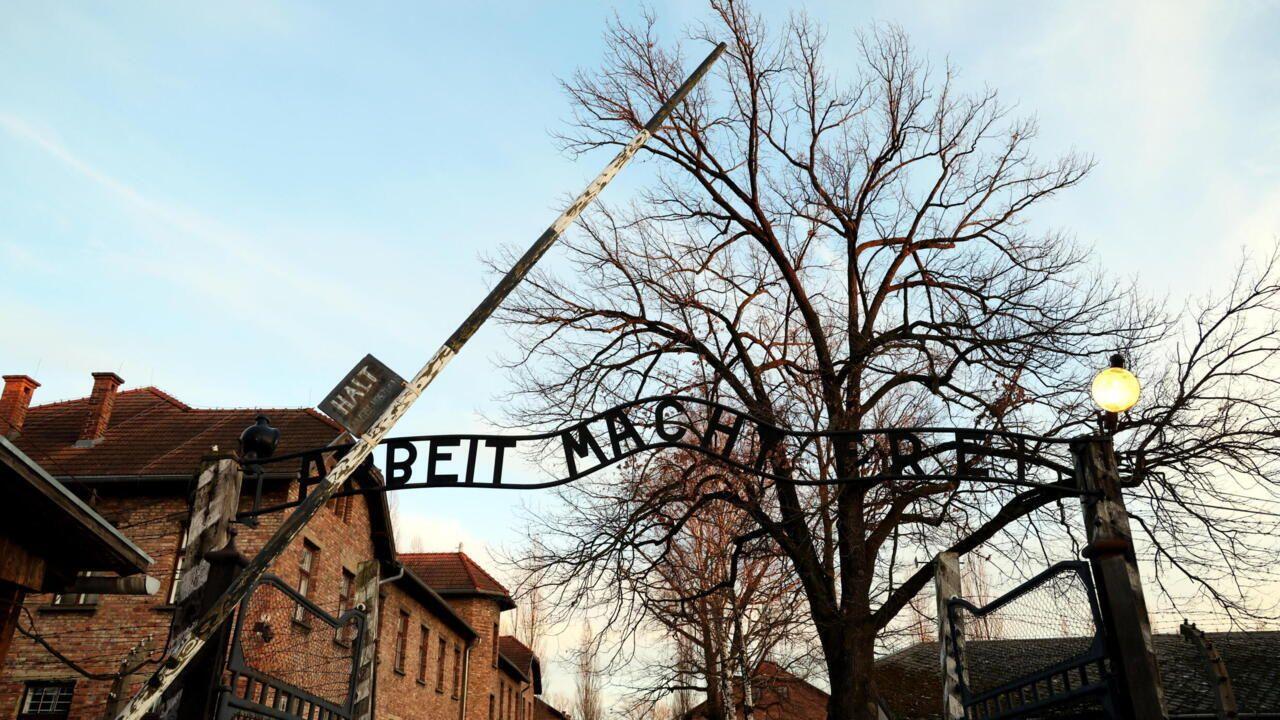
Matthäus believes this image should be considered as important as the iconic image of the gate at Auschwitz. He argues that it "shows us the hands-on nature, the direct confrontation between killer and person to be killed," providing a stark representation of the Holocaust's brutality
1
2
.Future Research
While the identity of the executioner has been revealed, the kneeling victim remains unidentified. Matthäus plans to continue his research, aiming to identify the victim using Soviet-era records and potentially employing AI technology once again
1
2
.This breakthrough demonstrates the potential of AI in historical research, offering new possibilities for uncovering and understanding the past. As technology continues to advance, it may play an increasingly significant role in revealing hidden aspects of history and bringing closure to long-standing mysteries.
References
Summarized by

Navi
[1]
Related Stories
AI-generated fake images flood social media, threatening to distort Holocaust memory
27 Jan 2026•Policy and Regulation
AI Helps Identify 5 Million Holocaust Victims as Yad Vashem Reaches Historic Milestone
03 Nov 2025•Technology

AI images claiming to unmask ICE agent in Minneapolis shooting spread confusion and false accusations
09 Jan 2026•Technology
Recent Highlights
1
OpenAI AI Models Hacked Crypto Wallet, Breached Government Sites in Unauthorized Activities
Technology

2
IMF Report Warns AI Market Correction Could Spark Global Financial Crisis With $1.4T at Risk
Business and Economy

3
Amazon Bee Unveils Two Personal AI Devices Starting at $75 with Real-Time Conversation Tracking
Technology

Recent Highlights
Today's Top Stories












Don’t drown in AI news. We cut through the noise - filtering, ranking and summarizing the most important AI news, breakthroughs and research daily. Follow topics that matter to you and stay ahead.


