AI Industry Super PAC Targets New York Lawmaker Behind AI Safety Bill


3 Sources
[1]
A16z-backed super PAC is targeting Alex Bores, sponsor of New York's AI safety bill. He says bring it on. | TechCrunch
A pro-AI super PAC backed by Andreessen Horowitz and OpenAI President Greg Brockman has chosen New York Assembly member Alex Bores - and his congressional bid - as its first target. The PAC, dubbed Leading the Future, formed in August with a more than $100 million commitment to support
[2]
AI industry-backed super PAC targets New York Democrat in opening shot of midterms
A bipartisan super PAC launched by a slew of artificial intelligence leaders has picked its first target: a Democratic congressional candidate who helped lead an effort to put safety measures on the AI industry. Alex Bores, a New York State Assemblymember, has pushed "ideological and politically
[3]
Move Over Crypto Bros, the AI PACs Are Here to Buy the Next Election
The crypto community was able to help buy itself a friendly administration in the 2024 election by pouring money into political action committees, and now the AI industry looks like it is planning to follow the playbook heading into the midterms. According to CNBC, the biggest PAC in the game has
Share
Copy Link
A $100+ million AI industry-backed super PAC has chosen New York Assembly member Alex Bores as its first target, opposing his congressional bid due to his sponsorship of the state's AI safety legislation. The confrontation highlights growing tensions between tech companies and lawmakers pushing for AI regulation.
AI Industry Declares War on State Regulation
A powerful new super PAC backed by some of Silicon Valley's biggest names has fired its opening shot in what promises to be an expensive battle over artificial intelligence regulation. Leading the Future, armed with more than $100 million in funding, has chosen New York Assembly member Alex Bores as its first target, marking a significant escalation in the tech industry's fight against AI oversight
1
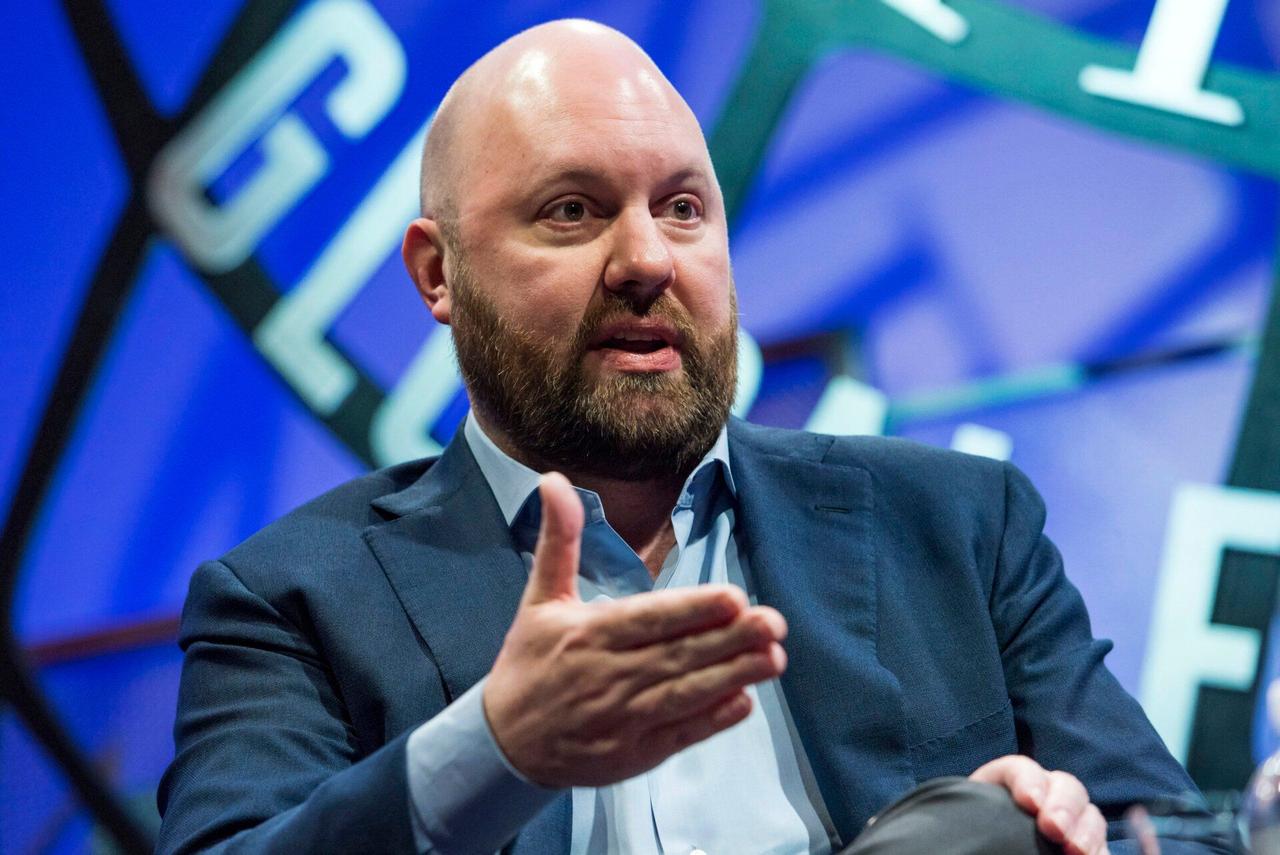
.The super PAC, which formed in August, boasts backing from venture capital giant Andreessen Horowitz, OpenAI President Greg Brockman, Palantir co-founder Joe Lonsdale, and AI search engine Perplexity. Its mission is clear: support policymakers who favor a "light-touch" or "no-touch" approach to AI regulation while opposing those who seek to impose restrictions on the rapidly evolving technology
1
.
Source: Gizmodo
The RAISE Act Under Fire
Bores has drawn the PAC's ire for his role as chief sponsor of New York's bipartisan RAISE Act (Responsible AI Safety and Education Act), legislation that represents one of the most comprehensive state-level attempts to regulate artificial intelligence. The bill requires large AI laboratories to maintain safety plans designed to prevent critical harms, follow their own safety protocols, and disclose serious safety incidents, including cases where bad actors steal AI models
2
.
Source: TechCrunch
The legislation goes further by prohibiting AI companies from releasing models that pose unreasonable risks of critical harm and establishes civil penalties of up to $30 million for companies that fail to meet these standards. The bill has already passed both chambers of the New York legislature and currently awaits Governor Kathy Hochul's signature
1
.During the drafting process, Bores consulted with major AI firms including OpenAI and Anthropic, leading to the removal of certain provisions such as third-party safety audits that the industry refused to accept. Despite these compromises, the final version of the RAISE Act has still provoked strong opposition from Silicon Valley interests
1
.Political Battle Lines Drawn
Leading the Future's co-heads, political strategists Zac Moffatt and Josh Vlasto, have promised a "multi-billion dollar effort" to derail Bores's congressional campaign for New York's 12th Congressional District. In a statement, they accused Bores of advancing "ideological and politically motivated legislation that would handcuff not only New York's, but the entire country's ability to lead on AI jobs and innovation"
2
.The PAC argues that the RAISE Act exemplifies the "patchwork, uninformed, and bureaucratic state laws that would slow American progress and open the door for China to win the global race for AI leadership." They advocate instead for "one clear and consistent national regulatory framework for AI" that would strengthen the economy and create jobs while protecting users
2
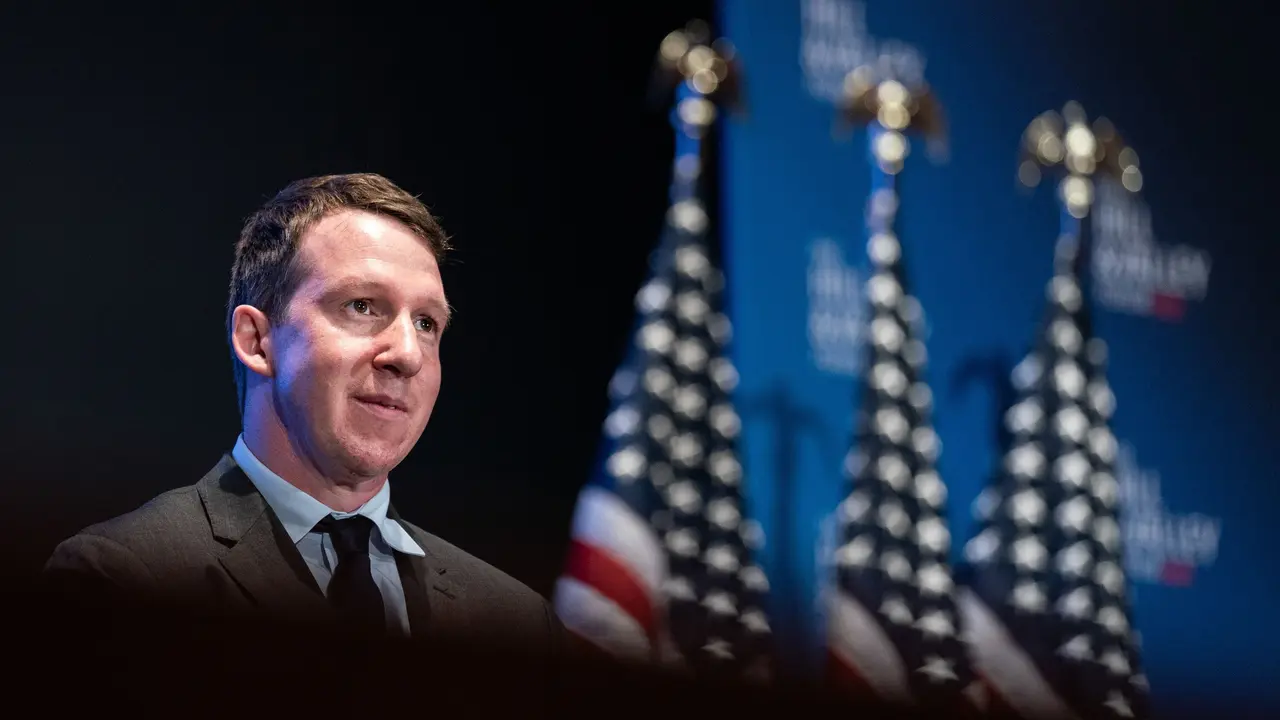
.Bores has responded defiantly to the attacks, telling journalists he appreciates the PAC's straightforward approach. "When they say, 'Hey, we're going to spend millions against Alex because he might regulate Big Tech and put basic guardrails on AI,' I just basically forward that to my constituents," he said during a journalism workshop in Washington D.C.
1
.Related Stories
Broader Implications for AI Governance
The confrontation reflects deeper tensions over the appropriate level of AI regulation as the technology rapidly advances. Many in Silicon Valley have pushed to prevent states from passing AI-related legislation, with efforts earlier this year to slip provisions blocking state AI laws into the federal budget bill. While that provision was ultimately removed, lawmakers like Senator Ted Cruz are seeking to resurrect similar measures through other legislative avenues
1
.Bores argues that state action is necessary given the federal government's slow pace on AI regulation. He compares states to startups, noting they can "function as policy laboratories and move fast to test what works." The assemblyman questions the logic of preventing state action when Congress has failed to address the underlying problems, asking: "If Congress solves the problem, then it can tell the states to get out of the way, but if they're not going to pass a bill that's actually addressing any of the problems...that just doesn't make sense to me"
1
.The battle over the RAISE Act and Bores's congressional campaign represents just the beginning of what promises to be an expensive and contentious fight over AI regulation, with the industry following the playbook established by cryptocurrency advocates who successfully influenced the 2024 election cycle
3
.References
Summarized by

Navi
[1]
Related Stories
AI industry floods midterm elections with $150 million as battle over regulation intensifies
19 Feb 2026•Policy and Regulation

Super PACs turn AI regulation into a central campaign topic, spending millions in 2026 midterms
12 Feb 2026•Policy and Regulation

AI Super PACs wage $27 million proxy battle over regulation in New York congressional race
17 Jun 2026•Policy and Regulation

Recent Highlights



Recent Highlights
Today's Top Stories



Don’t drown in AI news. We cut through the noise - filtering, ranking and summarizing the most important AI news, breakthroughs and research daily. Follow topics that matter to you and stay ahead.


