AI Jobs Debate Dominates Davos as Business Leaders Clash with Labor Unions Over Impact


3 Sources
[1]
'Jobs, Jobs, Jobs' the AI Mantra as Fears Take Back Seat in Davos
DAVOS, Switzerland, Jan 23 (Reuters) - Biting cold, political tensions and doubts about artificial intelligence did nothing to curb the enthusiasm of business leaders in Davos over technology's ability to create jobs. Top executives at the World Economic Forum's annual meeting said that while jobs
[2]
'Jobs, jobs, jobs' the AI mantra as fears take back seat in Davos
Business leaders at Davos remained upbeat about AI, saying it could create jobs and boost productivity, despite fears of layoffs. Some experts warned AI might threaten small businesses and workers if rolled out without oversight. Overall, optimism mixed with caution, as leaders discussed
[3]
'Jobs, jobs, jobs' the AI mantra as fears take back seat in Davos
DAVOS, Switzerland, Jan 23 (Reuters) - Biting cold, political tensions and doubts about artificial intelligence did nothing to curb the enthusiasm of business leaders in Davos over technology's ability to create jobs. Top executives at the World Economic Forum's annual meeting said that while jobs
Share
Copy Link
At the World Economic Forum in Davos, business leaders including Nvidia's Jensen Huang championed artificial intelligence as a job creator, citing infrastructure and chips industry expansion. But labor unions and skeptics warned of job displacement, with only one in eight CEOs seeing cost reductions. The debate highlights AI's uncertain economic impact.
Business Leaders Champion Artificial Intelligence as Job Creator
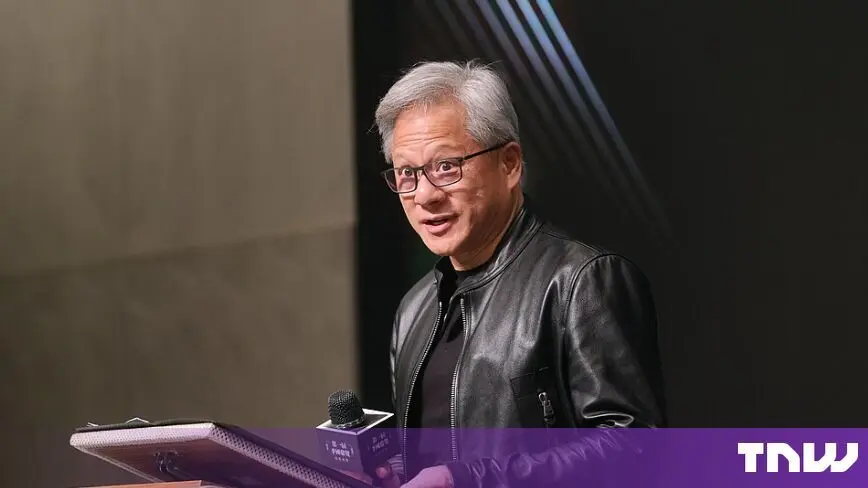
The World Economic Forum in Davos became a battleground for competing visions of artificial intelligence and its impact on jobs, with business leaders projecting confidence while labor unions raised alarm bells. Nvidia CEO Jensen Huang led the optimistic charge, declaring that AI's trillion-dollar expansion would herald higher pay and more jobs for plumbers, electricians, and steelworkers
1
. "Energy is creating jobs. Chips industry is creating jobs. The infrastructure layer is creating jobs," Huang told the meeting in the Swiss mountain resort, repeatedly emphasizing "Jobs, jobs, jobs"2
. Top executives insisted that while job displacement would occur, new opportunities would spring up, with some suggesting AI would be used as an excuse by companies planning layoffs anyway3
.
Source: ET
Labor Unions Counter with Job Displacement Warnings
Beneath the surface optimism, skepticism over AI simmered among worker representatives and delegates. Christy Hoffman, general secretary of the 20-million-strong UNI Global Union, challenged the narrative by stating, "AI is being sold as a productivity tool, which often means doing more with fewer workers"
1
. Luc Triangle, general secretary of the International Trade Union Confederation, explained that anxiety about jobs persists because workers have little say in the AI rollout, causing them to see AI "as a threat"2
. Delegates discussed darker scenarios, including how chatbots could lead consumers to psychosis and suicide, while Cloudflare CEO Matthew Prince warned that AI could become so dominant that small businesses are eviscerated while autonomous agents handle consumers' shopping requests3
.Return on Investment Remains Elusive for Most Companies
Despite AI's transformative power being touted by tech leaders, concrete evidence of economic productivity gains remains limited. IBM's chief commercial officer Rob Thomas claimed AI has reached a stage where there can be a return on investment, stating "You can truly start to automate tasks and business processes"
1
. However, PwC revealed that only one in eight CEOs recently surveyed believed AI was lowering costs and delivering revenue2
. Questions remain about what business model can make up for AI's enormous expenses. Some companies reported dramatic efficiency gains: BNY shortened client onboarding from two days to 10 minutes, while Cisco completed projects requiring 19 man-years of work in just a couple of weeks3
. Cisco President Jeetu Patel emphasized that software developers should embrace AI not just for productivity but to "be relevant" in the long run.Related Stories

BlackRock and Amazon Reveal Contrasting Workforce Strategies
The tension between job creation and layoffs became evident in corporate announcements. Rob Goldstein, BlackRock's chief operating officer, said the world's biggest asset manager secured nearly $700 billion in net new client assets last year, viewing AI as a means to business expansion rather than workforce reductions. "We're very focused on keeping our headcount flat as we continue to grow," Goldstein stated
1
. In stark contrast, Amazon is planning a second round of cuts as part of a broader goal of slashing some 30,000 corporate jobs2
. This divergence underscores how different organizations approach worker readiness and AI deployment strategies.Policy Considerations Emerge as Tech Leaders Call for Preparation
Bill Gates and Elon Musk offered philosophical perspectives on navigating AI's disruption. Gates told Reuters that "Your economy gets more productive. That's typically a good thing," while citing taxing AI activities as one potential idea for assisting workers and calling on politicians to get more familiar with the technology
3
. "There certainly are problems, but they're all solvable problems," Gates added about AI more generally. Musk closed Davos on an optimistic note, stating, "For quality of life, it is actually better to err on the side of being an optimist and wrong, rather than a pessimist and right"1
. The debate at Davos suggests that while business leaders remain bullish on AI's potential, the path forward will require balancing innovation with worker protection and ensuring that economic gains are broadly shared rather than concentrated among tech giants.References
Summarized by

Navi
[3]
Related Stories
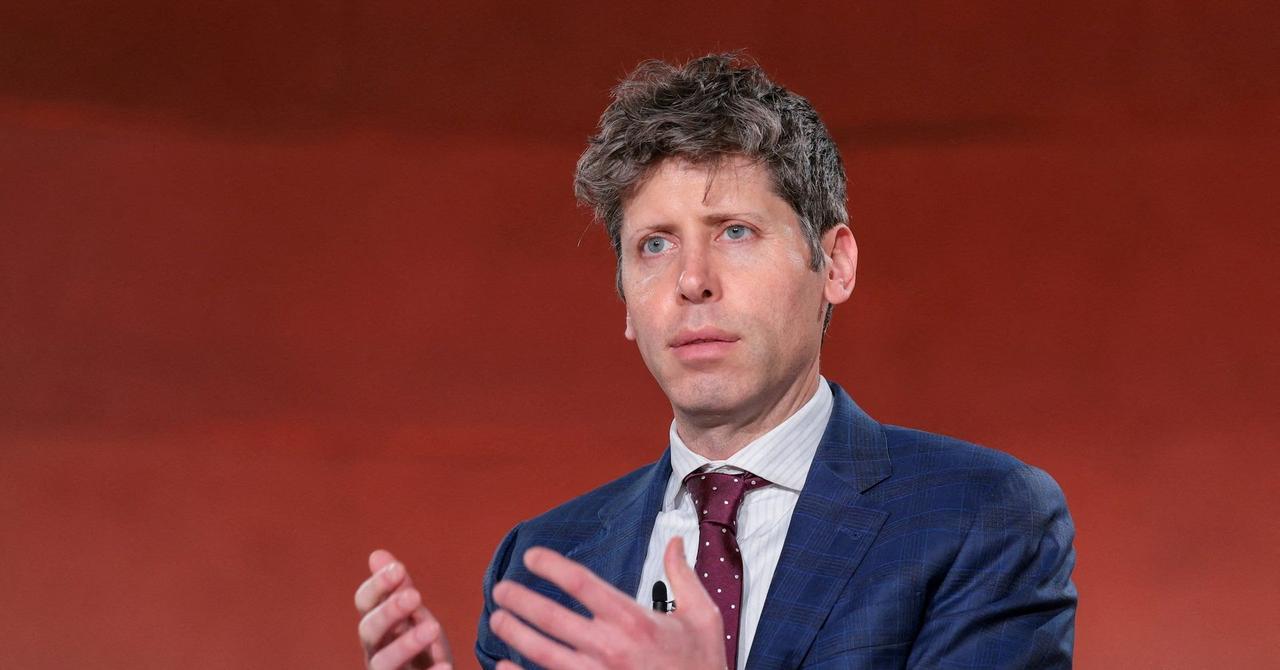
Sam Altman says AI jobs apocalypse unlikely, admits he was wrong about employment impact
26 May 2026•Business and Economy
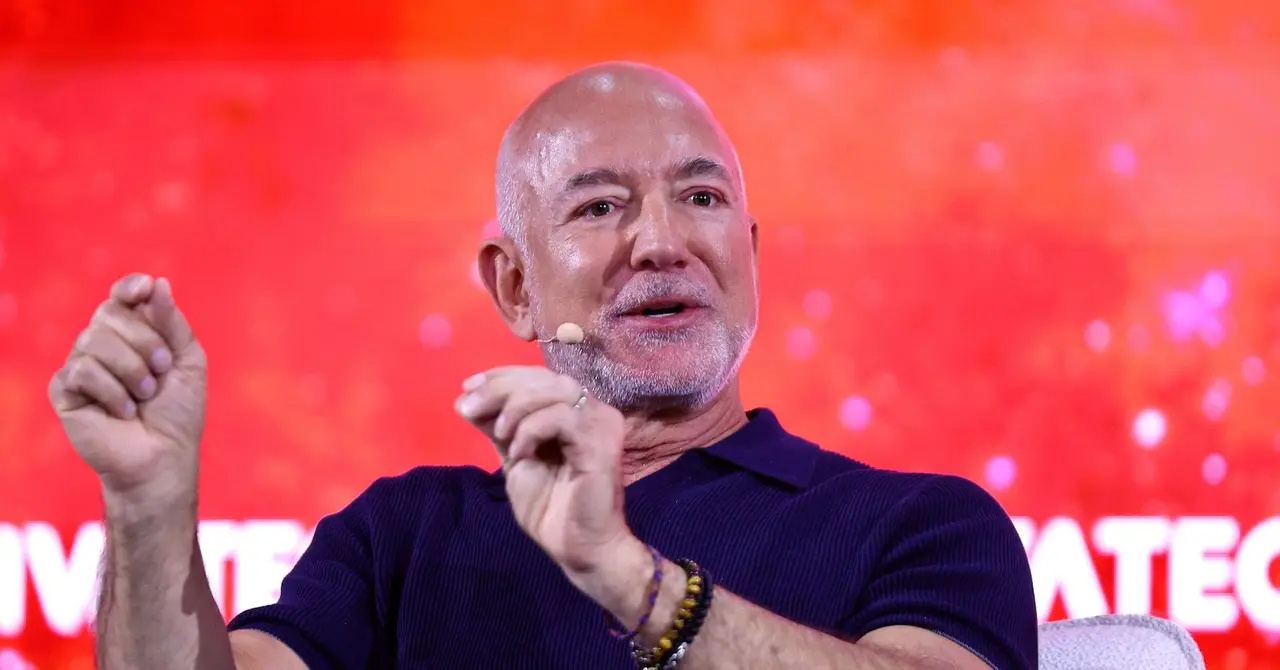
Jeff Bezos predicts AI will create labor shortage, contradicting widespread job displacement fears
17 Jun 2026•Business and Economy
Block's 4,000-person layoff sparks debate: AI revolution or corporate cost-cutting in disguise?
05 Mar 2026•Business and Economy

Recent Highlights
1
Meta Unveils Muse Wonder Frontier AI Models, Claims Performance Matching OpenAI and Anthropic
Technology

2
IMF Report Warns AI Market Correction Could Spark Global Financial Crisis With $1.4T at Risk
Business and Economy

3
OpenAI Releases 722 AI-Generated Math Solutions, Triggering Existential Crisis in Mathematics
Technology

Recent Highlights
Today's Top Stories








Don’t drown in AI news. We cut through the noise - filtering, ranking and summarizing the most important AI news, breakthroughs and research daily. Follow topics that matter to you and stay ahead.


