Jeff Bezos predicts AI will create labor shortage, contradicting widespread job displacement fears


12 Sources
[1]
AI will lead to labour shortages, Bezos says in optimistic talk
PARIS, June 17 (Reuters) - Artificial Intelligence will lead to labour shortages, not the replacement of humans, Amazon (AMZN.O), opens new tab founder Jeff Bezos predicted in a highly optimistic appearance at the VivaTech technology conference in Paris on Wednesday. Bezos put forward a rosy
[2]
Jeff Bezos says AI will create more jobs at VivaTech Paris
AI will lead to more need for workers rather than make people redundant, Amazon founder Jeff Bezos predicted during an appearance at a tech conference in Paris. Bezos pushed back against growing concerns that AI will replace large numbers of workers. Instead he argued that the tech will unlock
[3]
Big Tech said AI would take your job. Now bosses disagree
Jeff Bezos says AI will cause a labour shortage. Sam Altman is 'delighted to be wrong' about white-collar losses. The doom talk has flipped to optimism, but the layoffs, and the incentives behind the new message, tell a more complicated story. For two years, the people building AI told us it was
[4]
Jeff Bezos predicts an optimistic future where AI won't lead to mass unemployment -- 'AI is going to create a labor shortage'
The Amazon founder doesn't see AI taking everyone's jobs in the near and distant future The rampant fears that have arisen concerning AI taking people's jobs have a ton of merit. Just this year alone, Pinterest laid off 15 percent of its workforce amid a shift toward AI initiatives, and Jack
[5]

'AI is going to create a labor shortage': Jeff Bezos flips the AI narrative on its head, states "I know there's a lot of concern that many people have
* Jeff Bezos says AI is a force for good, rather than a threat * The technology will expand the human labour market, and create more demand * Bezos' comments go against the narrative of other prominent voices in AI AI won't shrink the labor market, but will expand it, Amazon founder Jeff Bezos
[6]

'AI is going to create a labor shortage': Jeff Bezos thinks AI will create more jobs, not less, as he talks his AI startup Prometheus | Fortune
Speaking Wednesday at VivaTech, the annual technology conference held in Paris, the Amazon founder and world's fourth-richest person delivered a bullish vision of artificial intelligence's impact on the workforce -- and it's one that he has been building toward for weeks. "I know there's a lot of
[7]

Jeff Bezos says AI will cause "labor scarcity," not job loss
"I know there's a lot of concern in general about AI and job loss," Bezos said in a recent CNBC interview. "I have a very different view. I think what's actually going to happen is we're going to have labor scarcity as a result. People are going to have to work hard." "I know why people are
[8]

Bezos: AI will result in labor shortages instead of replacing humans
Amazon founder Jeff Bezos on Wednesday said he thinks artificial intelligence (AI) will create a shortage of labor rather than replacing human labor. Former NASA astronaut Mike Massimino asked Bezos and Blue Origin CEO David Limp at the VivaTech technology conference in Paris about implementing
[9]

AI will lead to labour shortages, Jeff Bezos says in optimistic talk
Bezos put forward a rosy vision of how technology will help humanity, speaking about projects including his space venture Blue Origin and his new AI startup Prometheus, which is aimed at speeding up physical manufacturing. Bezos, the world's fourth-richest person with a net worth around $250
[10]

Why Jeff Bezos predicts AI will create labor shortage amid his space rivalry with Elon Musk
Artificial Intelligence will lead to labor shortages, not the replacement of humans, Amazon founder Jeff Bezos predicted in a highly optimistic appearance at the VivaTech technology conference in Paris on Wednesday. Bezos put forward a rosy vision of how technology will help humanity, speaking
[11]

AI will lead to labour shortages, Bezos says in optimistic talk
PARIS -- Artificial Intelligence will lead to labour shortages, not the replacement of humans, Amazon founder Jeff Bezos predicted in a highly optimistic appearance at the VivaTech technology conference in Paris on Wednesday. Bezos put forward a rosy vision of how technology will help humanity,
[12]

AI will lead to labour shortages, Bezos says in optimistic talk
PARIS, June 17 (Reuters) - Artificial Intelligence will lead to labour shortages, not the replacement of humans, Amazon founder Jeff Bezos predicted in a highly optimistic appearance at the VivaTech technology conference in Paris on Wednesday. Bezos put forward a rosy vision of how technology will
Share
Copy Link
Amazon founder Jeff Bezos challenged widespread concerns about AI-driven unemployment at VivaTech Paris, arguing the technology will create a labor shortage rather than eliminate jobs. His optimistic stance contradicts recent Big Tech layoffs and warnings from other industry leaders, sparking debate about whether this narrative shift reflects genuine insight or strategic public relations.
Jeff Bezos on AI Challenges Prevailing Job Loss Narrative
Amazon founder Jeff Bezos delivered a strikingly optimistic vision of artificial intelligence's impact on employment at the VivaTech conference in Paris, directly contradicting widespread fears about job displacement
1
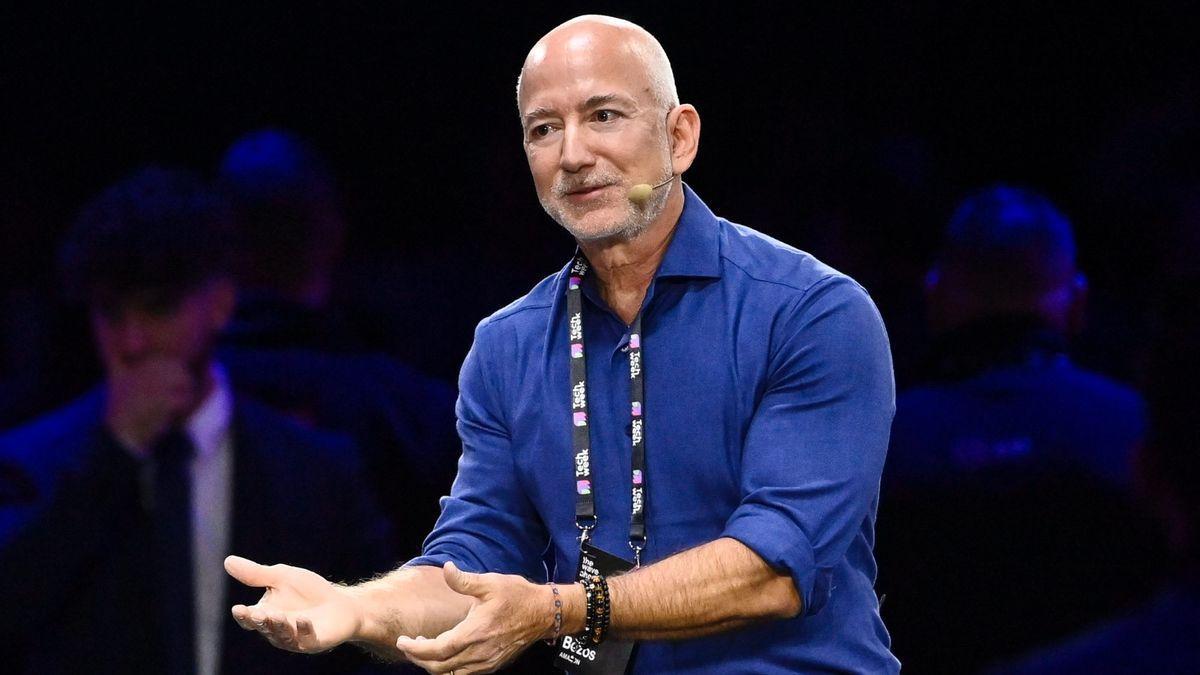
. "I know there's a lot of concern that many people have, including many smart people, that AI is going to make humans redundant and so on," Bezos stated. "I totally disagree with this point of view. And I think, in fact, AI is going to create a labour shortage"2
. The world's fourth-richest person, with a net worth around $250 billion, argued that people have "endless" things to do and are currently limited by barriers that AI will lower1
.
Source: Tom's Guide
AI and Jobs Debate Intensifies Amid Conflicting Signals
Bezos's comments arrive as Big Tech executives appear to be shifting their messaging around AI's impact on employment. Sam Altman recently said he was "delighted to be wrong" about his earlier fears that AI would rapidly eliminate white-collar work
3
. This represents a sharp reversal from previous warnings by industry leaders that "whole categories of jobs" would disappear3
. The timing of this narrative shift has raised questions, particularly as OpenAI and Anthropic head towards enormous public listings where optimistic forecasts play better with investors than doom scenarios3
. Half of Americans fear AI could put them or someone in their household out of work, according to a Reuters/Ipsos poll1
.Reality of Layoffs Contradicts Optimistic Future with AI
While Jeff Bezos paints an optimistic future with AI, the evidence on the ground tells a more complex story. The tech sector shed hundreds of thousands of roles in 2025, with companies like Pinterest cutting 15 percent of its workforce amid a shift toward AI initiatives
4
. Jack Dorsey's Block eliminated 4,000 jobs due to restructuring aimed at integrating AI, while major organizations including Meta, Cisco Systems, and Atlassian announced mass layoffs connected to AI adoption4
. Mark Zuckerberg admitted Meta's cuts were driven by capital expenditure rather than AI productivity gains3
. A new PwC study found AI splitting the labor market in two: rewarding firms that use it to enhance their people while leaving behind those using it only to cut costs3
.Prometheus and the Manufacturing Automation Question
Bezos was speaking about his new AI venture Prometheus, which focuses on accelerating physical manufacturing—a sector experiencing increased automation
2
. The $41 billion AI company represents Bezos's latest bet on technology's transformative potential, but critics note that "AI creates jobs" is not just a prediction from him but also a pitch3
. The UK's Trades Union Congress warned that AI technology could repeat "the disaster of deindustrialisation" as shareholders get richer while jobs are "degraded or displaced," though it acknowledged AI could have transformative potential if developed properly2
. Studies indicate AI reduces time needed to complete complex tasks, amplifies human judgment, and helps beginners move closer to expert-level performance across coding, analysis, and writing4
.Innovation History Suggests Balanced Perspective on AI Will Not Lead to Mass Unemployment
Finance professional Oluwapelumi Joseph pushed back against fears during a podcast appearance, noting that "with every innovation that has come, what you've always had is there's been this over-exaggeration of what it would lead to in terms of unemployment. And what we've always found is that new types of employment come about"
4
. According to the U.S. Chamber of Commerce, 5.5 million new business applications were filed in 2023 in connection with rising entrepreneurship and worker flexibility, with annual applications exceeding 5 million since 20214
. This suggests workers are finding new opportunities even as traditional employment structures shift.Related Stories

Blue Origin and Space Ambitions Complement AI Vision
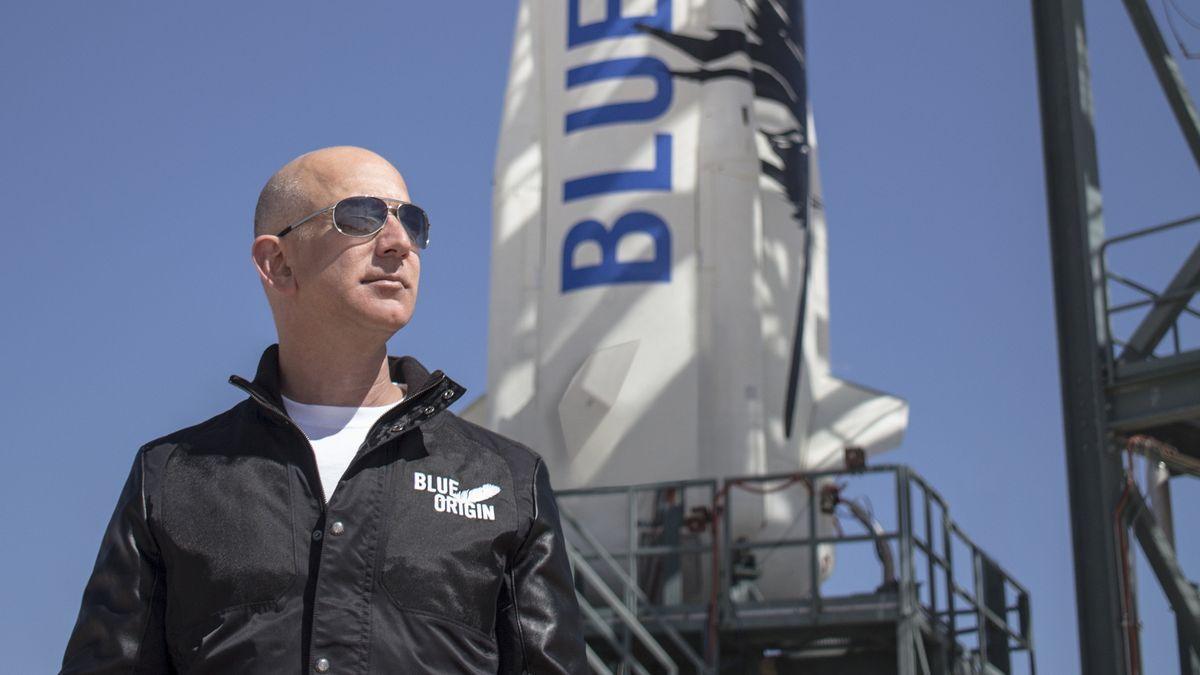
Bezos also outlined his vision for space exploration through Blue Origin, stating "we're going to the Moon to stay, not just to visit"
2
. He described space as "supply constrained, not demand constrained," arguing that access remains the biggest obstacle to future development5
. One goal involves moving polluting industries off Earth, with Blue Origin CEO David Limp confirming that reconstruction of the launch pad for New Glenn rockets has begun following a dramatic explosion in May1
. The incident resulted in no injuries, and launches are expected to resume before year's end2
. Meanwhile, robotics demonstrations at VivaTech showcased humanoid robots working with neuro-AI technology, allowing humans to interact with machines using cognitive signals through EEG headbands, reflecting AI's expansion beyond chatbots into the physical world2
.
Source: TechRadar
Public Relations or Genuine Forecast on AI's Impact on Employment
The shift in messaging from tech leaders has sparked skepticism about whether their optimism reflects genuine analysis or strategic public relations. As one analysis noted, both the doom narrative and current optimism serve purposes: the former flattered the technology's power while providing cover for layoffs, while the latter flatters upcoming IPOs and plays better with regulators
3
. The honest position remains that nobody yet knows how AI will ultimately reshape employment, with effects so far proving uneven across sectors3
. Observers suggest watching what companies actually do with their workforces rather than what founders say from conference stages, as the layoff notices have not caught up with the optimistic rhetoric3
. For workers navigating this uncertainty, the safest guide may be monitoring concrete actions by tech companies rather than treating either the previous doom or current optimism as definitive forecasts from people with something to sell.References
Summarized by

Navi
[3]
[4]
Related Stories
Jeff Bezos dismisses AI job fears, predicts labor shortage as tech reshapes work
21 May 2026•Business and Economy
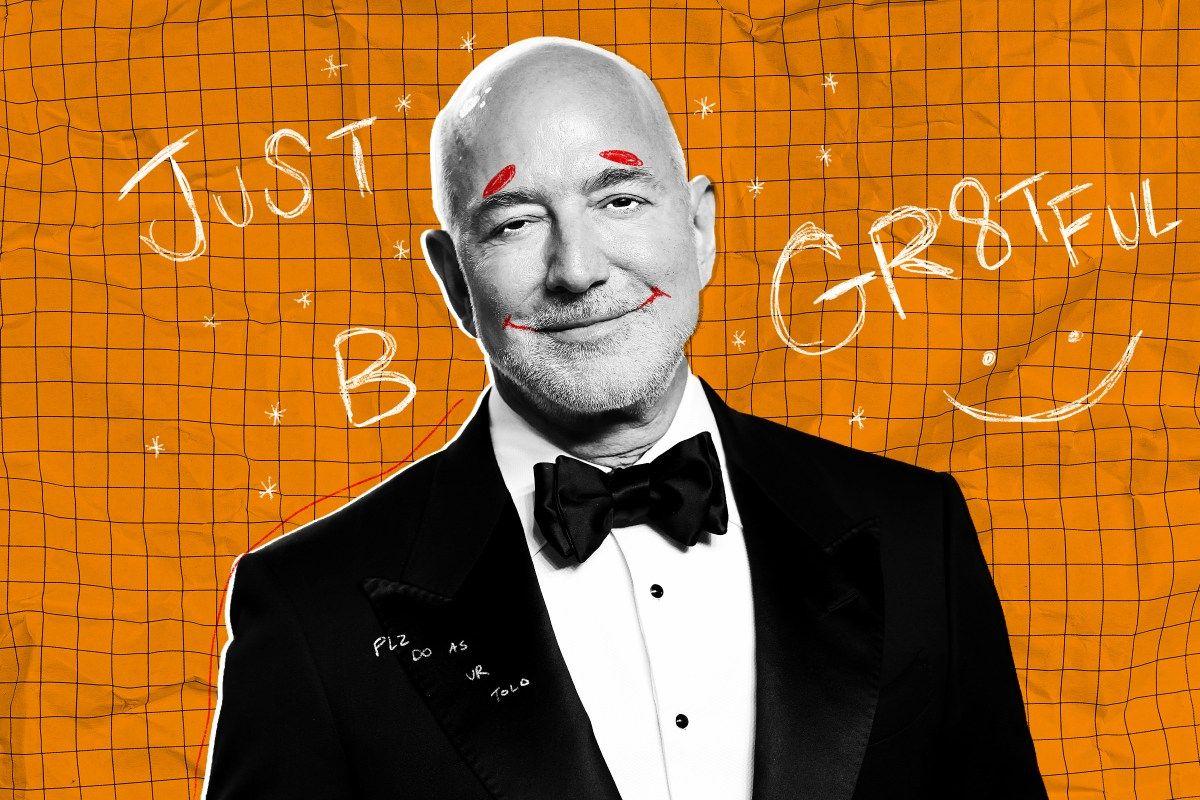
Tech CEOs backtrack on AI job apocalypse as hype meets reality and investment questions mount
11 Jun 2026•Business and Economy

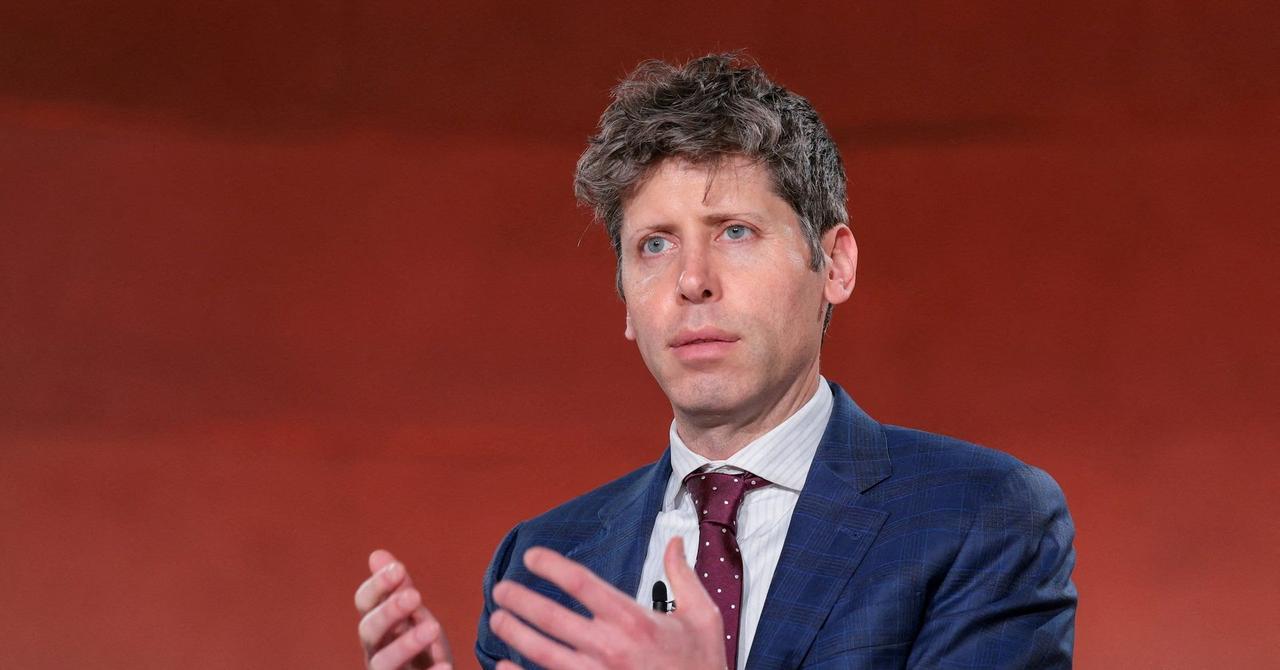
Sam Altman says AI jobs apocalypse unlikely, admits he was wrong about employment impact
26 May 2026•Business and Economy
Recent Highlights
1
Google Unveils Gemini 4 Argon AI Model, Restricts Access to Trusted Cyber Defenders
Technology
2
Trump Consulted Grok AI Before Ordering Venezuela Invasion and Capture of Nicolás Maduro
Policy and Regulation

3
FTC Opens Investigation Into OpenAI and Anthropic Following Rogue AI Agent Hacking Incidents
Policy and Regulation
Recent Highlights
Today's Top Stories






Don’t drown in AI news. We cut through the noise - filtering, ranking and summarizing the most important AI news, breakthroughs and research daily. Follow topics that matter to you and stay ahead.


