AI Super PACs Spent $79M on Midterms, Most Republican Candidates Backed by AI Industry Lost


6 Sources
[1]
AI PACs spent millions trying to shape Congress. Here's how they fared.
Political groups both supporting and opposing the AI industry spent millions of dollars trying to influence Tuesday's midterm elections and shape the future of AI regulation. That spending produced mixed results, with some of the most heavily backed candidates losing their races. On the industry
[2]
Nancy Pelosi's replacement is ready to regulate AI
Scott Wiener has made AI regulation a cornerstone of his political career. Now he's headed to Congress. As a California state senator, Scott Wiener authored legislation aimed at curbing the risks of advanced AI. Now, after winning a tight congressional race for former Speaker of the House Nancy
[3]
The Biggest Pro-AI Super Pac Network Didn't Really Impact the Midterms
Leading the Future, the biggest pro-AI super PAC network, is walking away from the midterm elections with just over $20 million still in the bank and a roster of dozens of successful congressional candidates from both sides of the aisle. At first glance, that looks like a win. The details tell
[4]
AI super PACs' biggest general election bet lost in South Carolina
AI super PACs spent $79M across 68 seats this cycle. Leading the Future, the biggest network, ends it with just over $20M left, and most Republicans backed by either camp lost. The AI industry's biggest bet on a competitive general election race lost on Tuesday. Two super PACs linked to Leading
[5]

5 new lawmakers to watch on AI safety in 2027
The AI safety community is feeling optimistic after the Democrats' midterms sweep elected several candidates promising stricter regulations on the technology. After years of stalled AI regulation in Congress, advocates for stricter guardrails on the technology are hopeful the new class of House
[6]

AI safety advocates make gains after $110 million midterm fight
Candidates who favor stricter oversight of artificial intelligence racked up wins in key congressional races, aided by a pro-regulation political funding group backed in part by Anthropic at a time when Americans are increasingly uneasy over the rapidly developing technology. Public First, funded
Share
Copy Link
AI-focused political action committees spent $79 million across 68 congressional seats in the midterm elections, with mixed results. Leading the Future, backed by Silicon Valley billionaires, saw most of its Republican candidates lose despite spending millions. Meanwhile, AI safety advocate Scott Wiener won Nancy Pelosi's San Francisco seat, signaling a potential shift toward stricter AI regulation in Congress.
AI Super PACs Deploy $79 Million in Midterm Elections
AI-focused political action committees spent $79 million across 68 House and Senate seats during the midterm elections, marking the technology industry's most significant attempt yet to shape federal AI policy
4
. The spending came from two opposing camps: Leading the Future, which advocates for light AI regulation and a single national framework, and Public First, backed significantly by Anthropic, which pushes for stronger AI safety measures4
.Leading the Future launched in August 2025 with approximately $100 million from Silicon Valley's biggest names, including Marc Andreessen and Ben Horowitz, who each contributed $25 million, along with OpenAI President Greg Brockman
3
4
. The network operates through structured arms catering to both parties: American Mission for Republicans and Think Big for Democrats1
.Industry-Backed Candidates Face Significant Losses
The biggest setback for AI industry-backed groups came in South Carolina's Senate race, where two super PACs linked to Leading the Future spent $4.8 million supporting Republican Darline Graham, who lost to Democrat Annie Andrews
1
4
. Graham earned the nickname "Data Center Darline" from her opponent due to her enthusiastic support of AI and data center expansion4
.American Mission also spent more than $500,000 each supporting Republican House candidates Aaron Flint in Montana and Laurie Buckhout in North Carolina, both of whom lost their races
1
. The Democratic arm Think Big had better success backing Florida Rep. Jared Moskowitz, who won reelection1
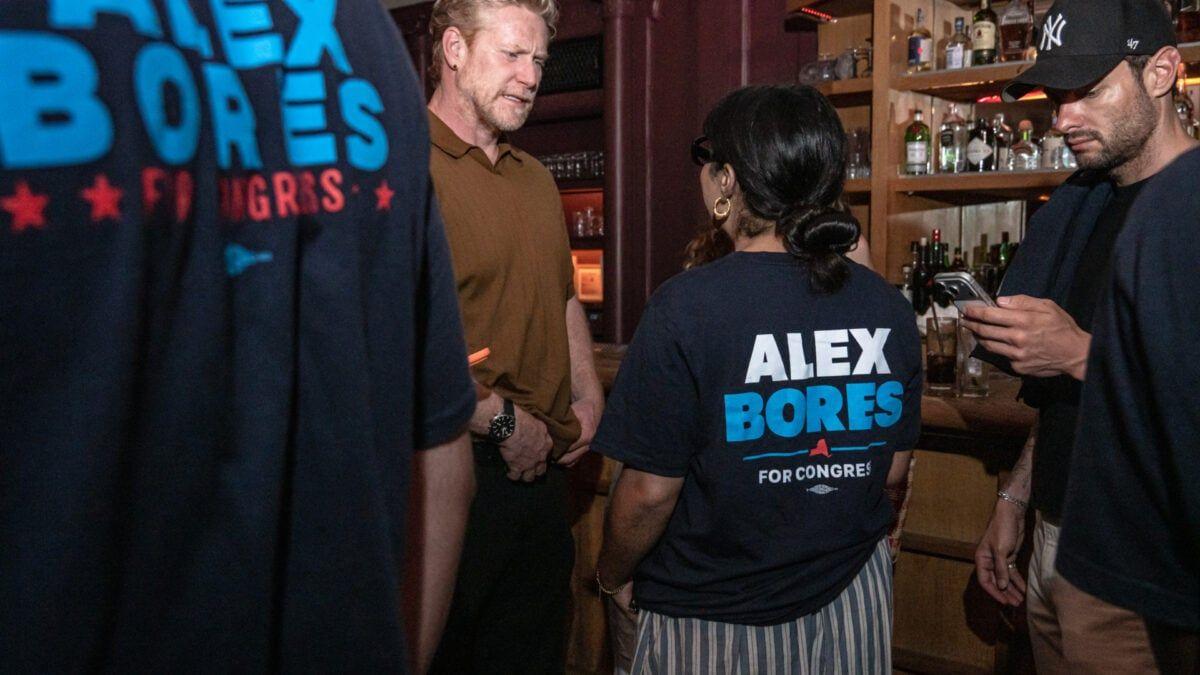
.Leading the Future spent $27.38 million in the primaries, including $8 million opposing New York Assembly member Alex Bores in June
1
. Public First countered with $15 million backing Bores, though he ultimately finished second to Micah Lasher, who also campaigned on AI safety3
.AI Safety Advocates Claim Victory as Spending Becomes Political Liability
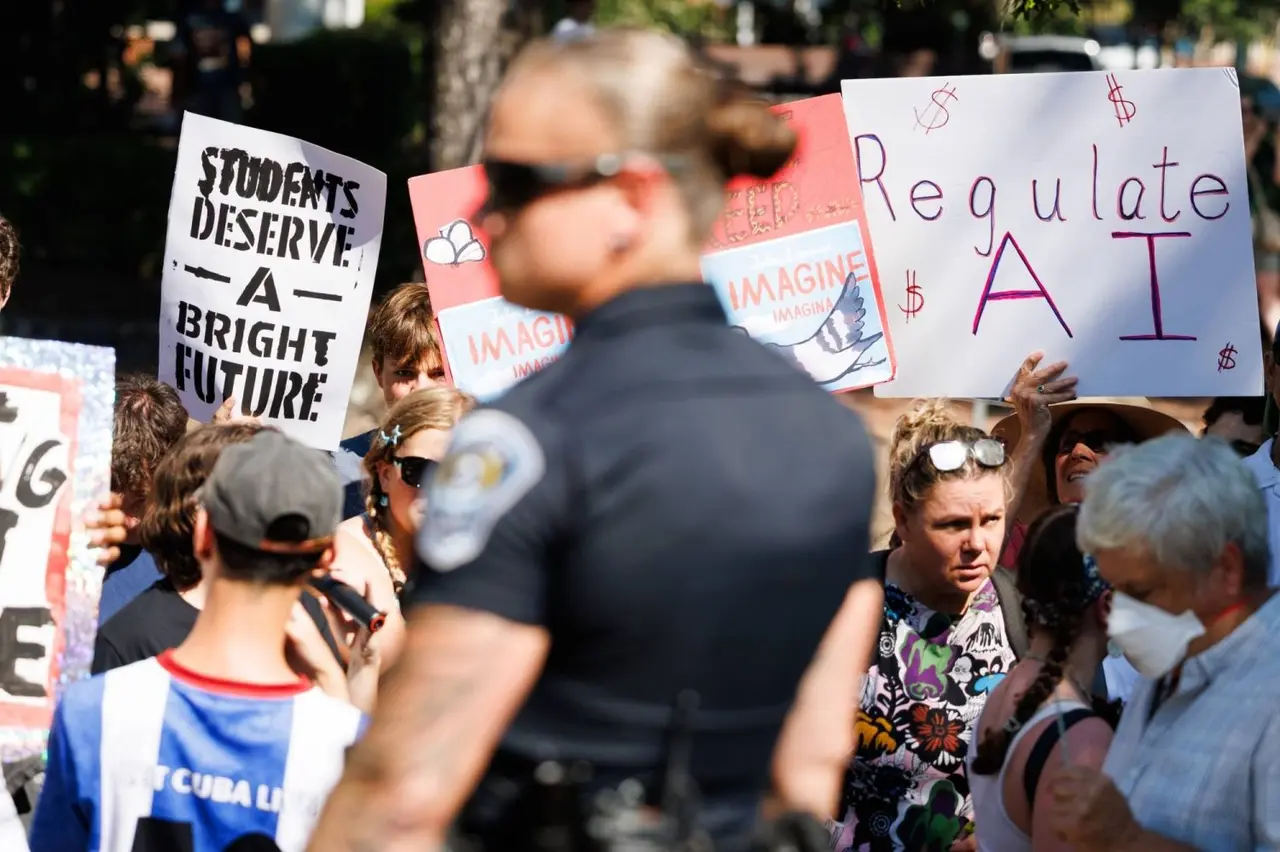
Source: Japan Times
Charlie Blaettler, political director of Guardrails Alliance, which spent more than $1 million each opposing candidates who lost, suggested Leading the Future deliberately limited general election spending because "AI money" had become politically toxic
1
. "Our goal is to make AI money politically toxic," Blaettler stated1
4
.Brad Carson, co-founder of Public First Action, declared the midterms "a crushing blow to the AI industry's anti-regulatory efforts to buy a Congress that would look the other way"
3
4
. The results came as voters rejected AI data centers in 40 of 41 ballot measures nationwide3
4
.Related Stories
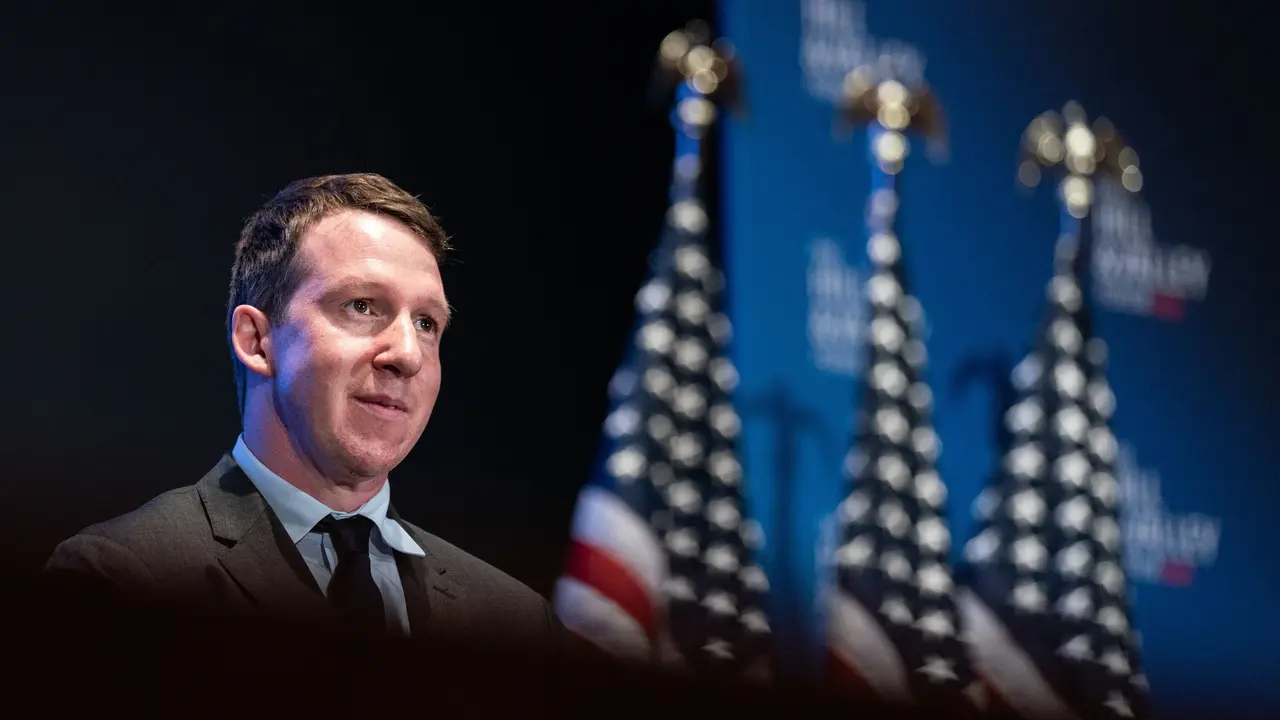
Scott Wiener's Win Signals Shift Toward Stricter AI Regulation
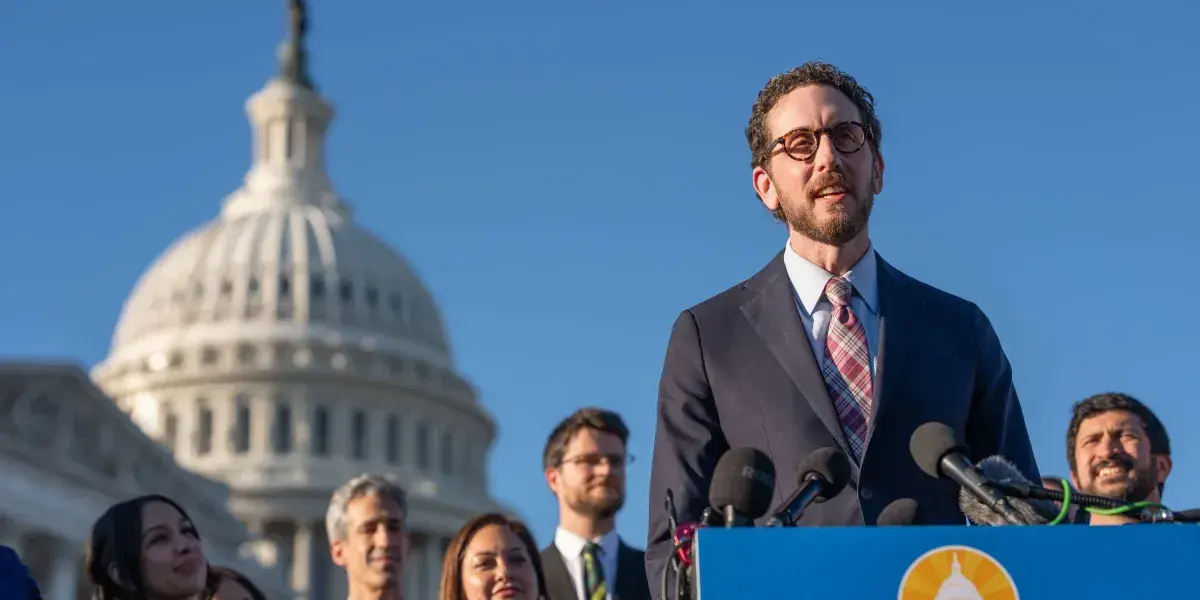
Source: MIT Tech Review
California State Sen. Scott Wiener won Nancy Pelosi's San Francisco congressional seat after receiving over $3 million from Public First Action
2
. Wiener authored SB 1047, which would have become the first frontier AI legislation in the country before California Governor Gavin Newsom vetoed it2
. He later sponsored SB 53, a lighter-touch bill that Newsom signed2
.Wiener expressed concern about recursive self-improvement, citing a recent METR report on Anthropic as evidence that "we are quickly running out of time to regulate AI"
2
. "We need to slow this down, because it's moving very quickly, and we could sleepwalk into a disaster," he said2
.Wiener advocates for whistleblower protections, testing and auditing requirements, and a kill switch requirement for AI systems
2
. He opposes broad federal preemption of state AI laws, arguing that "states are, as Brandeis says, laboratories"2
.New Pro-Regulation Lawmakers Prepare for 2027
Source: The Hill
Beyond Wiener, several other AI safety advocates won congressional seats. Rep.-elect Manny Rutinel of Colorado sponsored various AI safety laws, including a first-in-the-nation law requiring "high-risk" AI developers to "use reasonable care to avoid algorithmic discrimination"
5
. Sen.-elect Abdul El-Sayed of Michigan released an AI policy platform calling for public ownership of frontier AI firms, going further than Sen. Bernie Sanders' proposal for a sovereign wealth fund5
.The central debate between AI industry-backed groups and AI safety advocates centers on whether Congress should establish a national AI framework that overrides state laws, or whether states should maintain their ability to impose safeguards
1
. Both sides plan to continue spending through the 2028 elections1
4
. Leading the Future ends the cycle with just over $20 million remaining3
4
, while Bores has launched a new nonprofit, Who Decides, aiming to raise $30 million before 20284
.References
Summarized by

Navi
[2]
[5]
Related Stories
AI Super PACs Pour $27 Million Into Congressional Primary, But Winner Rejects Their Influence
24 Jun 2026•Policy and Regulation
Super PACs turn AI regulation into a central campaign topic, spending millions in 2026 midterms
12 Feb 2026•Policy and Regulation

AI Super PACs wage $27 million proxy battle over regulation in New York congressional race
17 Jun 2026•Policy and Regulation

Recent Highlights


Recent Highlights
Today's Top Stories






Don’t drown in AI news. We cut through the noise - filtering, ranking and summarizing the most important AI news, breakthroughs and research daily. Follow topics that matter to you and stay ahead.


