Fashion Industry Embraces AI-Generated Models, Cutting Costs 90% as Photo Studios Shutter


3 Sources
[1]
Insight: Fashion's AI era: face swaps and digital clones
LONDON, Oct 27 (Reuters) - AI-generated fashion models present a tantalizing opportunity for brands: the ability to create lifelike images for their retail websites while cutting costs by 90% or more compared to photo shoots with human models. For the modeling industry, the technology poses an
[2]
Photo Studios Are Closing as the Fashion Industry Embraces Generative AI
Fashion photo studios are closing down as brands increasingly embrace AI thanks to the big savings offered by the technology, according to a report by Reuters. Models are also being affected by these developments, with some being replaced by AI-generated alternatives and others having their
[3]
Fashion's AI era: Face swaps and digital clones
LONDON - AI-generated fashion models present a tantalizing opportunity for brands: the ability to create lifelike images for their retail websites while cutting costs by 90% or more compared to photo shoots with human models. For the modeling industry, the technology poses an existential threat
Share
Copy Link
Major fashion brands are deploying AI-generated fashion models and digital clones to slash production costs by over 90%, triggering widespread photo studio closures. Confidential contracts from Calvin Klein, Diesel, and L'Oreal reveal brands seeking rights to face swaps and unpaid replication of models' likenesses, creating an existential threat to human models.
Fashion's AI Era Transforms Industry Economics
AI in fashion is fundamentally reshaping how brands create imagery for their retail websites, with AI-generated fashion models enabling cost reductions of 90% or more compared to traditional photo shoots with human models
1
. This disruptive impact on fashion extends beyond simple cost savings, as brands increasingly deploy synthetic models and digital clones that pose an existential threat to human models. Reuters interviewed 15 model-agency directors and examined over a dozen confidential contracts from major brands including Diesel, Calvin Klein, and L'Oreal, revealing how fashion's AI era is rewriting the rules of an entire industry1
.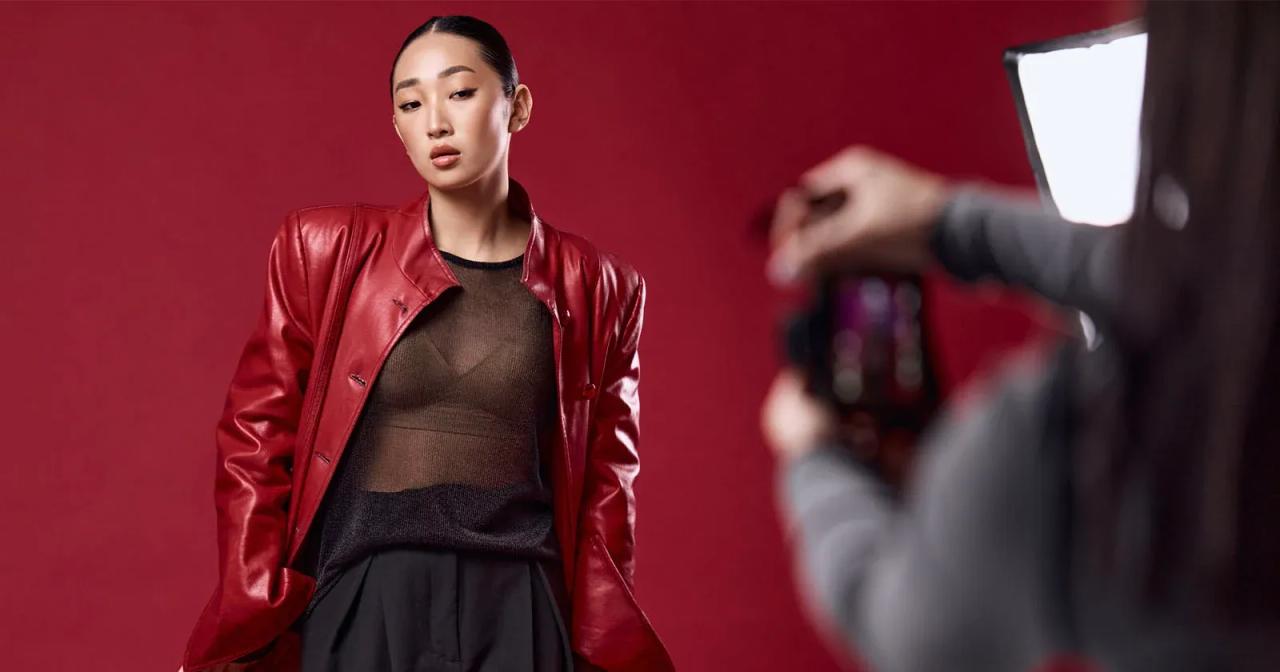
Source: PetaPixel
Major Brands Deploy Face Swaps and Digital Twins
The confidential contracts reviewed expose aggressive terms that fashion brands are proposing to models. Diesel's casting sheet requested models agree to "alteration or reconstruction of facial features and body proportions," along with "swapping of faces among the participating models" and "superimposition of the Participant's face onto another person's body"
1
2
. While Diesel's parent company OTB stated this contract was for a specific campaign and not representative of typical agreements, the pattern appears across multiple brands. Reale Actives requested rights to create AI-generated replicas of models and to "own" these digital twins for a year without further compensation, though the company later claimed it hasn't replicated any model using AI1
.Models Training Their Own Replacements Through AI Training
Perhaps most concerning for the modeling industry is contract language allowing brands to use model images for AI training without additional payment. A Calvin Klein draft contract asked models to accept that the brand "may use reasonably unrecognizable images of Model (no identifying features such as Model's face, scars, tattoos or otherwise) to train and fine tune AI tools for learning general model attributes" with no extra remuneration
1
2
. Calvin Klein responded that it is "testing and learning in this fast-moving space" while being guided by regulation and respect for models' rights. Patrick Staal, owner of model agencies Uniko Models in Barcelona, noted that "some brands ask to modify faces, bodies, skin, age or expressions after shoots using generative AI. Others are asking about creating 'digital twins' of models that they can reuse later without needing another production"1
.Photo Studios Close as Job Displacement Accelerates
The real-world consequences of digital models are already materializing across Europe. Zalando, Europe's largest online fashion retailer, closed both of its photo studios in Berlin, resulting in 340 job losses, though some employees were transferred to other roles
2
. German fashion brand About You launched Scayle Studios, a digital imagery studio using AI-generated models that cuts production costs by 90%. Julian Jansen, vice president of marketing at About You, stated: "We are saving so much money. You've always had this super fast world of ecommerce, and this super slow traditional world of photo shoots, it didn't fit together in any way -- and now with AI, it's a completely different scale"2
. Model agencies are witnessing declining bookings as fast-fashion retailers reduce their need for constant photo shoots.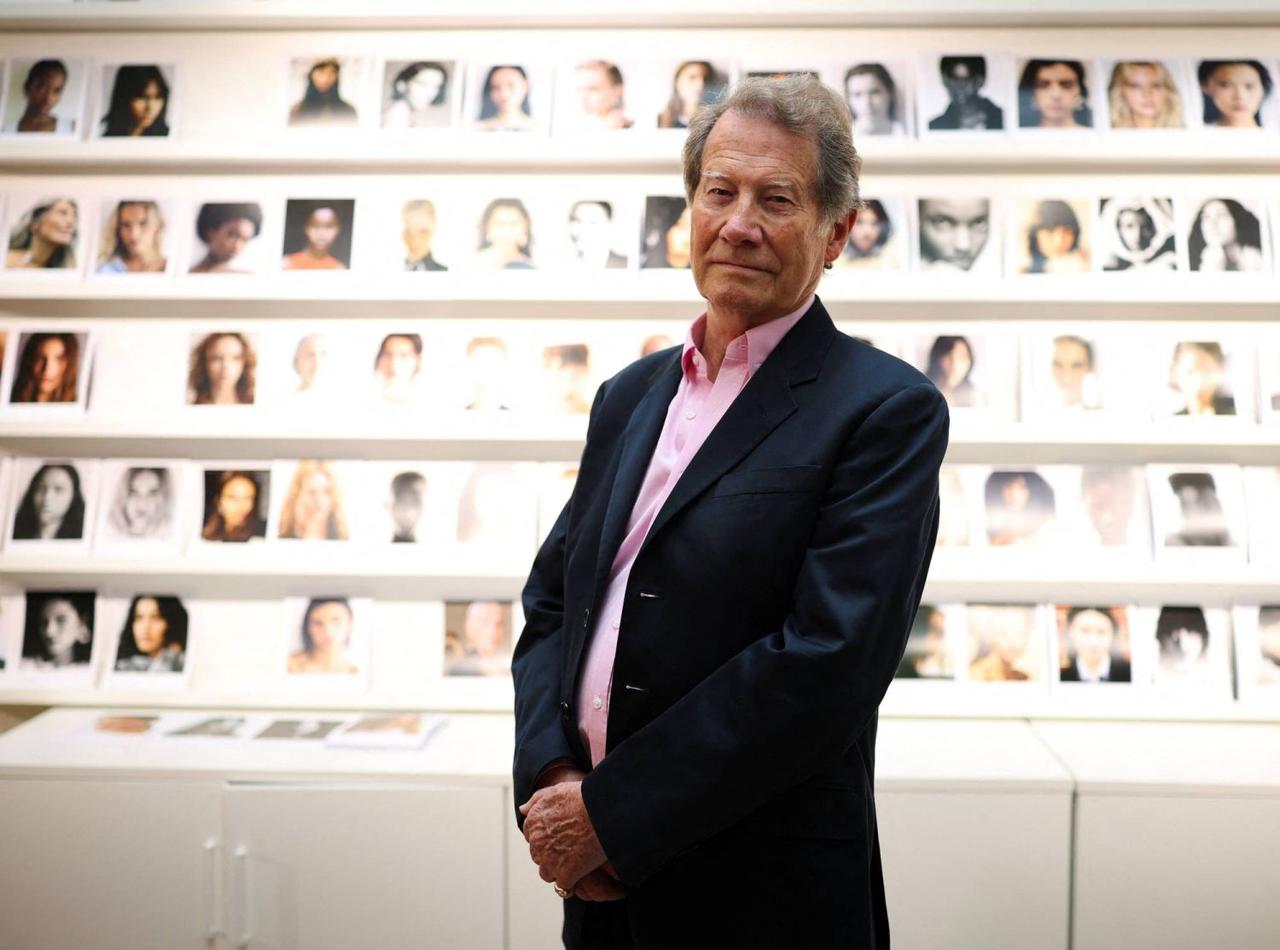
Source: Japan Times
Related Stories


Existential Threat to Human Models and Likeness Rights
London-based model Adot Gak, who has appeared on Harper's Bazaar's cover and in campaigns for Balmain and H&M, warned: "Within a year, even the next six months, there's going to be less jobs for models, especially our bread and butter, which is ecommerce. If we don't speak up about this, in the next two years the whole industry will just be bots"
1
. The existential threat to human models stems from scant regulation governing ownership or use of digital twins, leaving models vulnerable to unpaid replication of their image. Gak added: "The scariest part is that now people cannot differentiate between a real model and an AI model"1
. While fast-fashion players like Spain's Mango have already deployed AI-generated models at scale, high-end brands are proceeding more cautiously, though Gucci sparked controversy by posting AI-generated images on Instagram.Watch for Regulatory Responses and Industry Standards
The fashion industry faces mounting pressure to establish ethical frameworks around AI use. Many contracts include broad legal language with terms like "including" or "not limited to," potentially giving brands extensive leeway in AI applications beyond what's explicitly stated. As AI allows retailers to endlessly rework and redeploy a model's image wearing different outfits at a fraction of traditional shoot costs, the industry must address questions around compensation, consent, and the long-term viability of modeling as a profession. The next 6 to 24 months will likely determine whether regulatory intervention or industry self-regulation shapes how AI in fashion balances innovation with protection of human workers' livelihoods and likeness rights.
References
Summarized by

Navi
[3]
Related Stories
Recent Highlights



Recent Highlights
Today's Top Stories







Don’t drown in AI news. We cut through the noise - filtering, ranking and summarizing the most important AI news, breakthroughs and research daily. Follow topics that matter to you and stay ahead.


