AI-Powered Brain Stimulation System Enhances Concentration at Home


3 Sources
[1]
Home-based brain stimulation system uses AI to enhance concentration
University of SurreyJul 29 2025 A personalized brain stimulation system powered by artificial intelligence (AI) that can safely enhance concentration from home has been developed by researchers from the University of Surrey, the University of Oxford and Cognitive Neurotechnology. Designed to adapt
[2]
AI Brain Stimulation Boosts Attention at Home - Neuroscience News
Q: What does the system do? A: It uses AI and non-invasive brain stimulation to enhance attention during mentally demanding tasks. Q: How is it personalised? A: The AI tailors stimulation intensity based on features like head size and attention level, eliminating the need for costly MRI
[3]
AI-powered headgear promises sharper focus from the comfort of home
A personalized brain stimulation system powered by artificial intelligence (AI) that can safely enhance concentration from home has been developed by researchers from the University of Surrey, the University of Oxford and Cognitive Neurotechnology. Designed to adapt to individual characteristics,
Share
Copy Link
Researchers develop an AI-driven personalized brain stimulation system that safely improves focus and attention from home, potentially revolutionizing cognitive enhancement techniques.
Innovative AI-Driven Brain Stimulation System
Researchers from the University of Surrey, the University of Oxford, and Cognitive Neurotechnology have developed a groundbreaking personalized brain stimulation system powered by artificial intelligence (AI) that can safely enhance concentration from the comfort of one's home
1
. This innovative technology, designed to adapt to individual characteristics, has the potential to help people improve focus during study, work, or other mentally demanding tasks.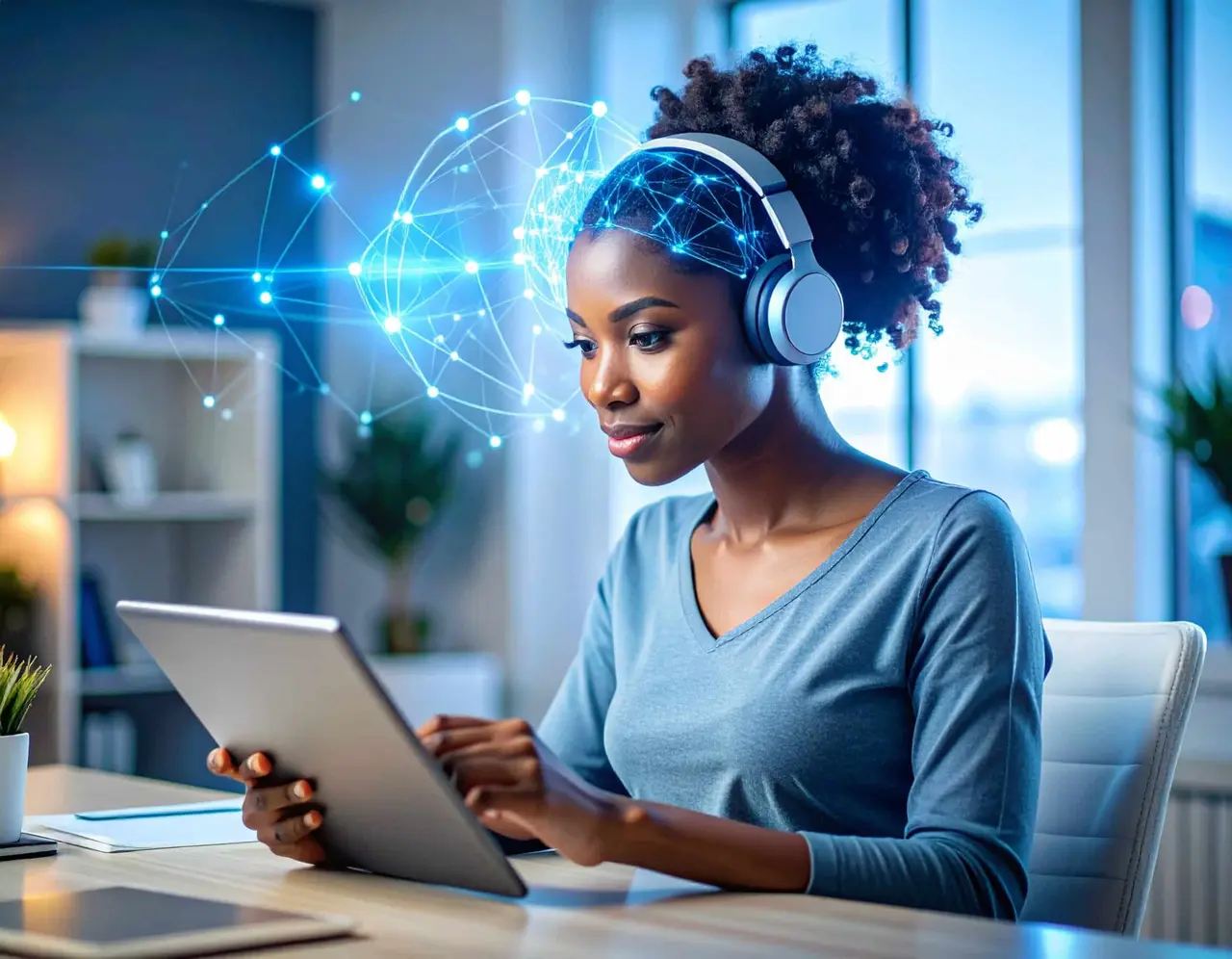
Source: Neuroscience News
How the System Works
The system utilizes transcranial random noise stimulation (tRNS), a gentle and painless form of electrical brain stimulation, alongside an adaptive AI algorithm
2
. This AI learns to personalize stimulation based on individual features, including attention level and head size. By tailoring stimulation intensity to these characteristics, the system can identify optimal settings without the need for expensive MRI scans, making the personalization both scalable and cost-effective1
.Research and Development Process
The AI was trained using data from 103 people aged 18 to 35, who completed 290 home-based sessions using CE-marked (European Union standard) headgear and a tablet-based sustained attention task
3
. Following this training phase, the system was evaluated in a double-blind study involving 37 new participants.Significant Results and Improvements
The study, published in npj Digital Medicine, revealed that participants who received personalized AI-guided stimulation showed significantly better performance than during standard or placebo stimulation
1
. Notably, the strongest improvements were observed in individuals who initially demonstrated lower levels of attention2
. This finding suggests that the system could be particularly beneficial for those struggling with focus and concentration.Related Stories

Safety and Efficacy
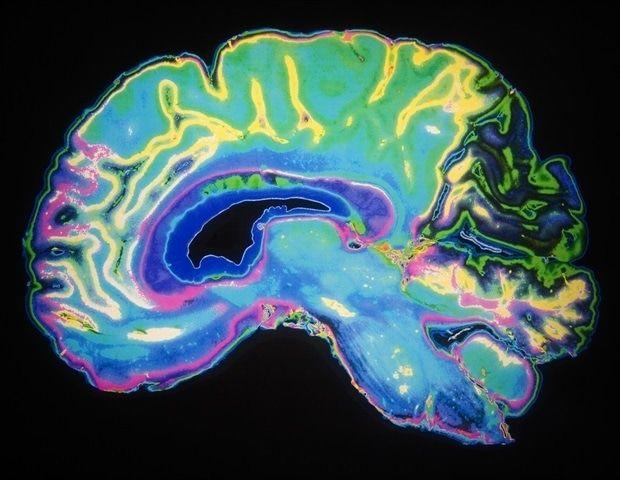
Source: News-Medical
Professor Roi Cohen Kadosh, Head of Psychology at the University of Surrey and lead author of the study, emphasized the safety and effectiveness of the system
3
. The study found no serious side effects, and the frequency and severity of sensations during stimulation were no different from those experienced during placebo1
. Importantly, the AI also helped avoid stimulation levels that could impair performance, a feature that previous non-personalized methods could not achieve3
.Potential Applications and Future Implications
This breakthrough opens up new possibilities for improving sustained attention, learning, and other cognitive abilities in a way that is accessible, adaptive, and scalable
2
. The researchers highlight the growing role of AI and wearable neurotechnology in enabling personalized, real-world cognitive enhancement, with potential applications across education, training, and future clinical use1
.As our modern world constantly competes for our attention, this personalized system that people can use independently at home represents a significant step forward in cognitive enhancement technology
3
. It has the potential to revolutionize how we approach focus and concentration improvement, offering a tailored solution for individuals seeking to enhance their cognitive performance in various settings.References
Summarized by

Navi
[2]
[3]
Related Stories
Smart Brain Implants: A Revolutionary Approach to Treating Parkinson's and Other Neurological Disorders
23 Apr 2025•Science and Research

Neurables Launches Brain-Tracking Headphones to Boost Focus and Combat Burnout
24 Sept 2024

AI-Enhanced Brain-Computer Interface Boosts Performance for Paralyzed Users
02 Sept 2025•Technology
Recent Highlights



Recent Highlights
Today's Top Stories









Don’t drown in AI news. We cut through the noise - filtering, ranking and summarizing the most important AI news, breakthroughs and research daily. Follow topics that matter to you and stay ahead.


