AI-Powered Retinal Mapping Breakthrough: A New Frontier in Disease Detection


2 Sources
[1]
Study could pave the way for routine eyecare imaging as a disease screening tool
Walter and Eliza Hall InstituteFeb 5 2025 Researchers have conducted one of the largest eye studies in the world to reveal new insights into retinal thickness, highlighting its potential in the early detection of diseases like type 2 diabetes, dementia and multiple sclerosis. The WEHI-led study,
[2]
All in the eyes: High resolution retinal maps aid disease diagnoses
The WEHI-led study, using cutting-edge artificial intelligence technology to analyse over 50,000 eyes, produced maps of the retina in unprecedented detail to better understand how retinal differences link to various diseases. The findings open up new possibilities for using routine eyecare imaging
Share
Copy Link
Researchers at WEHI have used AI to create detailed retinal maps from over 50,000 eyes, potentially revolutionizing disease screening and management through routine eye care imaging.

AI-Powered Retinal Mapping: A Window to the Brain
In a groundbreaking study, researchers at the Walter and Eliza Hall Institute (WEHI) have harnessed the power of artificial intelligence to create the most detailed maps of the human retina ever produced. This innovative research, analyzing over 50,000 eyes, has unveiled new insights into retinal thickness and its potential as a diagnostic tool for various diseases, including type 2 diabetes, dementia, and multiple sclerosis
1
2
.Unprecedented Detail in Retinal Imaging
The WEHI-led international team employed cutting-edge AI technology to process and analyze a vast dataset of retinal images. The result was the creation of 50,000 high-resolution retinal maps, each containing measurements from over 29,000 locations across the retina. This level of detail has allowed researchers to identify specific areas of retinal thinning associated with 294 genes that play crucial roles in various diseases
1
.Retina as a Window to the Brain
Dr. Vicki Jackson, the lead researcher at WEHI, emphasized the significance of these findings: "We've shown that retinal imaging can act as a window to the brain, by detecting associations with neurological disorders like multiple sclerosis and many other conditions"
1
. The retina, being part of the central nervous system, provides a unique opportunity to observe changes that may be indicative of broader neurological issues.AI's Role in Advancing Medical Diagnostics
Professor Melanie Bahlo, the study lead and bioinformatician at WEHI, highlighted the transformative power of AI in medical research: "Technologies like AI fuel discovery, and when fused with brilliant minds, there is an extraordinary ability to transform big population data into far-reaching insights"
2
. This fusion of AI, big data, and expert analysis has opened new avenues for understanding the complex relationship between retinal anatomy and disease.Potential for Routine Disease Screening
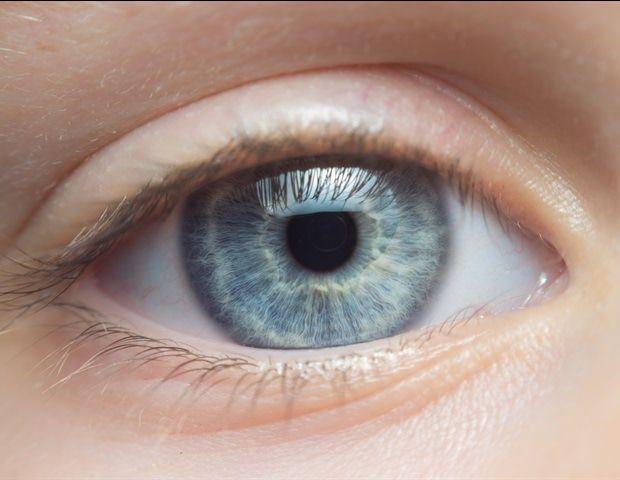
The study's findings suggest that routine eye care imaging could become a powerful tool for disease screening and management, similar to how mammograms are used for breast cancer detection. This non-invasive approach, known as oculomics, could revolutionize the early detection and monitoring of various conditions, particularly neurological disorders
1
2
.Related Stories
Global Impact and Collaboration
With over 3 billion people worldwide living with brain-related conditions, the potential impact of this research is immense. The study involved collaborations with several institutions, including the UK Biobank, University of Washington, Lowy Medical Research Institute, Moorfields Eye Hospital, and University College London
1
2
.Future Implications
As this research progresses, it could lead to the development of new diagnostic tools and strategies for managing a wide range of diseases. The ability to detect early signs of neurological and metabolic disorders through routine eye examinations could significantly improve patient outcomes and reduce the burden on healthcare systems globally.
References
Summarized by

Navi
Related Stories
New AI technology speeds eye disease diagnosis and predicts heart attack, stroke risks from retinal scans
06 Jun 2026•Health
AI-Powered Imaging Technique Revolutionizes Retinal Disorder Diagnosis
13 Sept 2024

AI analyzes retinal photos to predict Alzheimer's disease risk decades before symptoms appear
17 Jun 2026•Health
Recent Highlights



Recent Highlights
Today's Top Stories




Don’t drown in AI news. We cut through the noise - filtering, ranking and summarizing the most important AI news, breakthroughs and research daily. Follow topics that matter to you and stay ahead.


