AI pushes weather forecasts into the two-to-six-week dead zone, modestly


2 Sources
[1]
In the Media
CBS Boston meteorologist Jacob Wycoff visits Research Scientist Judah Cohen at MIT a to learn more about his team's work developing an AI tool that may break through the "predictability desert," improving weather forecasting ability up to six weeks in the future. "We have seen a revolution almost,
[2]
MIT researchers use AI to improve weather forecasts up to 6 weeks in advance
What if meteorologists could give you a better idea of the weather six weeks from now? It's a question scientists have been trying to answer for decades. While weather forecasts have become increasingly accurate over the years, predicting what will happen beyond two weeks has remained a major
Share
Copy Link
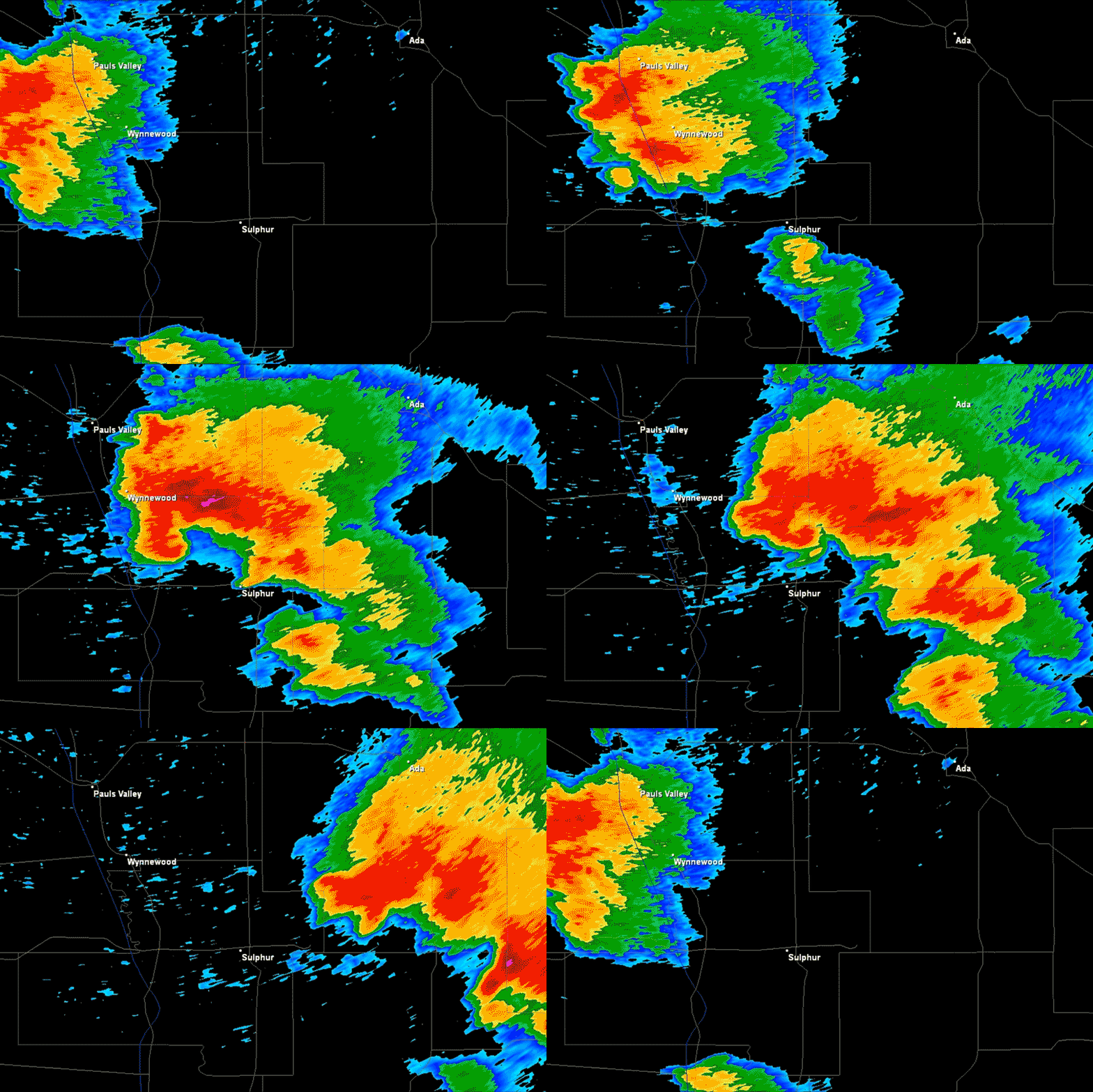
MIT researchers led by climate scientist Judah Cohen have built an AI approach that improves weather forecasts in the two-to-six-week range, a stretch meteorologists call the "predictability desert"
2
. That window has resisted improvement for years, and progress there extends useful forecasting beyond the roughly two-week limit that today's models hit2
.
Source: CBS
Useful forecasts currently reach about seven to 10 days, sometimes longer, but accuracy drops sharply past two weeks
2
. "We have seen a revolution almost, in the ability to predict [weather] up to one week, 10 days, maybe 14 days, but after that it kind of went over a cliff," Cohen told CBS Boston1
. Short-range skill has grown enormously over his career, from about two days of reliable prediction to more than a week, per Cohen1
.Teaching AI to spot the errors
The AI does not replace traditional weather models. It studies past forecasts against what actually happened, learns the recurring ways the models go wrong, and corrects those patterns
2
. Because it builds on models forecasters already run, the researchers frame it as an addition to existing forecasting rather than a replacement.In an international forecasting competition, the approach showed twice the improvement over historical weather averages that a leading forecasting model did, Cohen says
2
. Forecasting in that window used to be, in his words, roughly a coin flip1
. He says it is the first time AI has been shown to improve forecasts in this range, and he says it in the paper itself2
.What six weeks of warning buys
The tool predicts broad weekly patterns, whether a week will run warmer, colder, wetter or drier than normal, not specific events such as snow on a particular day six weeks out
2
. Potential users include utilities staging crews ahead of ice storms, farmers, emergency managers and energy companies planning for demand2
.Cohen is blunt about the limits. "It sounds amazing, but again, the accuracy is modest," he says
2
. Weather is inherently chaotic, and no model can remove that uncertainty2
. His aim, he says, is to provide useful information in a range where little existed2
. The gain shows up over many weeks of forecasts; any single week can still miss. "You can do better over the long run, and I'm not saying every time will be right," he says2
.Related Stories


References
Summarized by

Navi
[1]
Related Stories
Recent Highlights


Recent Highlights
Today's Top Stories









Don’t drown in AI news. We cut through the noise - filtering, ranking and summarizing the most important AI news, breakthroughs and research daily. Follow topics that matter to you and stay ahead.


