MIT and Microsoft Researchers Use Machine Learning to Double Weather Forecasts Accuracy


3 Sources
[1]
Researchers improve weather forecasts looking two to six weeks out
A new technique significantly improves weather forecasting beyond two weeks. The researchers developed a machine-learning model that learns to correct errors in existing forecasting models to improve their output over the two-to-six-week time frame, including for extreme weather events. In 2021,
[2]
Microsoft has a new machine learning tool to improve weather forecasts
Old-school physics-based weather forecasting and even new AI models typically become less reliable beyond two weeks, a problem Microsoft claims to have solved using machine learning. Researchers with the company say they've found a new, cost-effective way to make more accurate weather forecasts
[3]
Forget the 10-Day Forecast. AI Just Improved Extreme Weather Warnings Up to 6 Weeks
When disaster looms, timing is everything. Without enough warning to effectively implement emergency planning, even the most well-resourced cities can be devastated by extreme weather. Take the power crisis that struck Texas in February 2021 for example. Three back-to-back winter storms --
Share
Copy Link
MIT and Microsoft researchers developed a machine learning tool that corrects errors in existing forecasting models, doubling accuracy for the two to six week timeframe. The Probabilistic Bias Correction tool won ECMWF's forecasting competition and improved extreme weather warnings by 76% to 150%, offering hope for better disaster preparedness.
Machine Learning Breakthrough Tackles the Predictability Desert
Researchers at MIT and Microsoft have developed a machine learning tool that significantly improves weather forecasts in the notoriously difficult two to six week timeframe, known as subseasonal forecasting
1
. The Probabilistic Bias Correction (PBC) framework doubles forecasting accuracy when applied to existing models and placed first in the European Centre for Medium-Range Weather Forecasts (ECMWF) AI Weather Quest competition2
. This range has long been called the "predictability desert" because forecasts cannot capitalize on short-term initial conditions or long-term boundary forces like El Niño patterns1
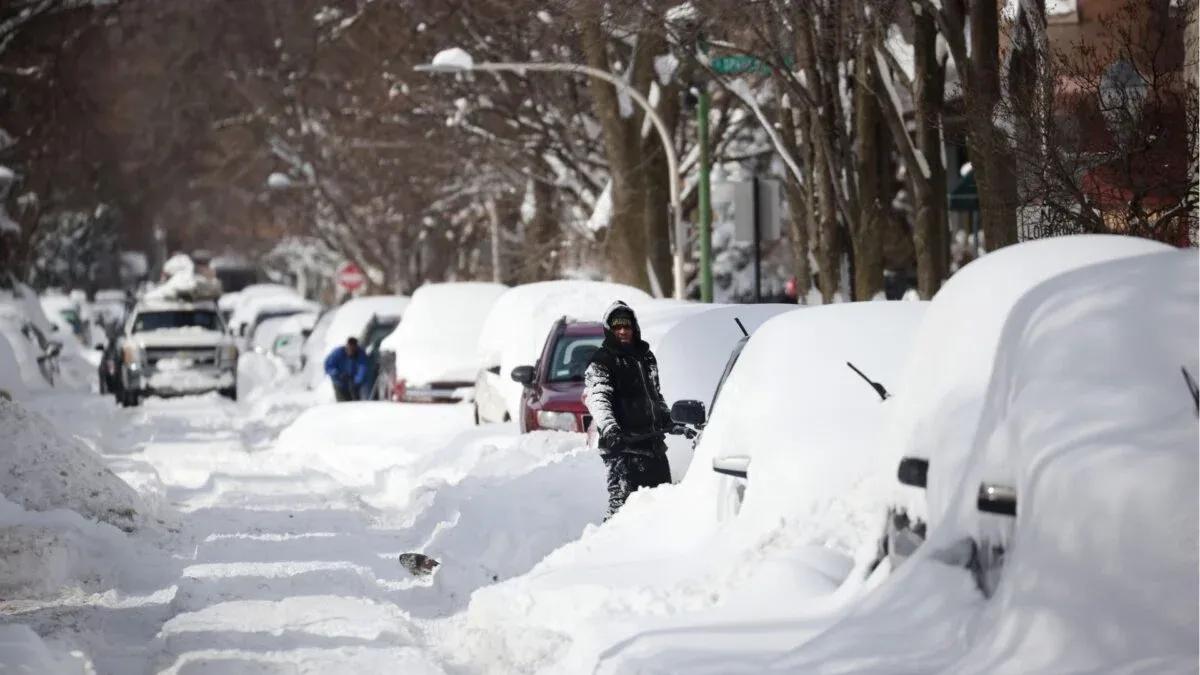
.The research, published in Nature, addresses a critical gap in disaster preparedness. The 2021 Texas winter storms killed at least 246 people partly because energy officials lacked reliable long-range weather prediction to prepare infrastructure
1
3
. "Not only does this do better on time averaged forecasts for this range, which is already very useful for farmers and members of the energy industry trying to match supply with demand, but it also improves predictions of extreme weather events," says MIT Research Scientist Judah Cohen1
.How Probabilistic Bias Correction Works
Instead of creating a standalone AI weather model, the PBC tool uses machine learning to identify and correct systematic bias in existing forecasting models
2
. Lester Mackey, senior principal researcher at Microsoft Research New England, initiated the concept of using machine learning to reduce forecasting errors through postprocessing1
. Traditional physics-based models simulate atmospheric conditions on supercomputers, while AI weather models learn patterns from historical data. Both approaches rely on approximations to fill data gaps, creating systematic bias that compounds over time2
.The PBC framework corrects these biases by learning from a model's historical errors. One example involves adjusting for climate change impacts, where models trained on historical records may bias toward colder temperatures than current conditions warrant
2
. When tested on ECMWF's leading numerical model, PBC improved accuracy for 98% of precipitation and 92% of temperature targets2
. Applied to ECMWF's AI forecasting system, the tool doubled subseasonal accuracy3
.Extreme Weather Warnings See Dramatic Improvement
Source: Gizmodo
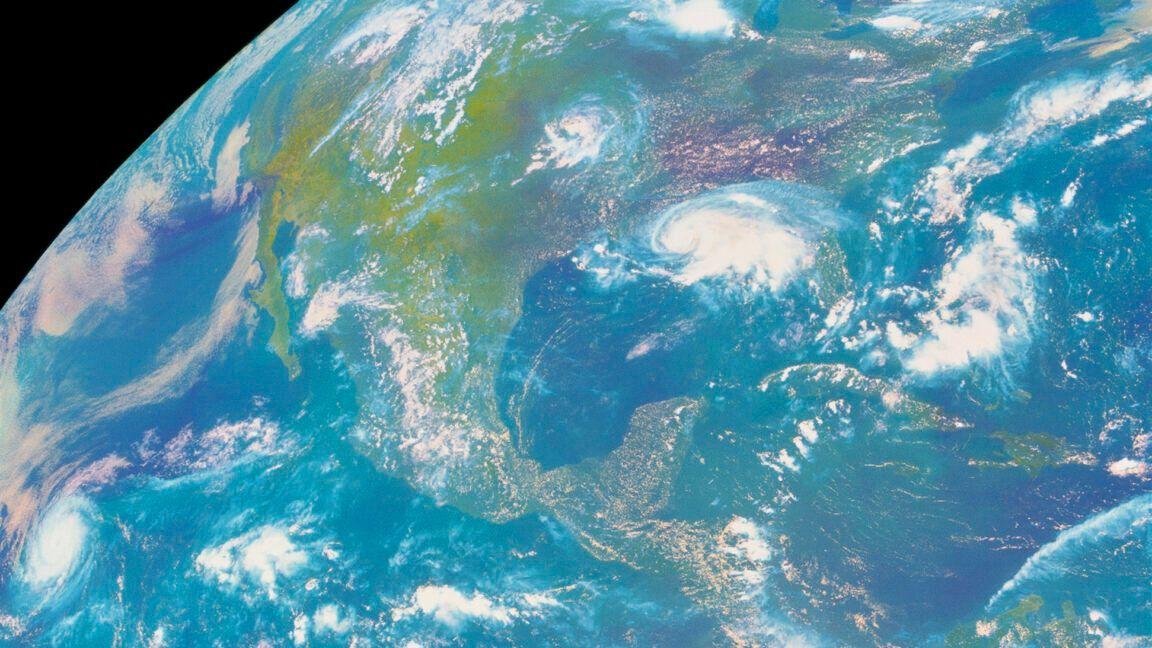
The most significant finding centers on extreme weather prediction. For forecasts made three weeks ahead, PBC significantly improved the ECMWF numerical model's ability to predict extreme heat, extreme precipitation, and unusually high sea level pressure
3
. Testing on real-world floods from the last decade showed the tool improved flood prediction skill by 76% to 92%3
. For severe floods causing more than 100 deaths or displacing at least 80,000 people, forecasting skill improved by 86% to 150%3
."Extreme weather has the largest impact on our society and improved forecasts of these events can yield large societal benefits," Cohen told Gizmodo. "Interestingly, previous bias correction schemes actually made forecasts of extreme weather worse, and our model showed clear improvement of extreme weather forecasts"
3
. This advancement matters particularly as climate change drives more anomalous weather patterns.Related Stories
Accessible Technology for Resource-Limited Regions
Source: The Verge
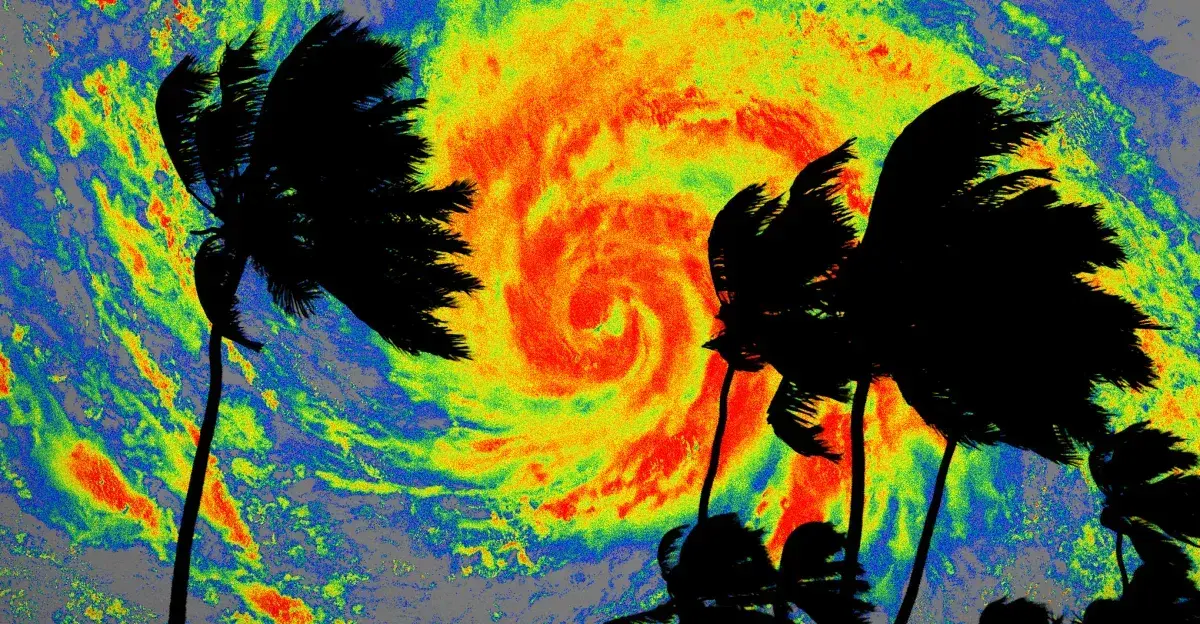
Unlike physics-based modeling requiring supercomputers or generative AI depending on powerful GPUs, the PBC tool runs on standard CPUs
2
. The framework is open-source, making it accessible even where funding and infrastructure for weather forecasting are limited3
. "One of the things that's really exciting to me about models like PBC is how lightweight they are, how easy to train, that scientists without huge pools of resources can work on trying to configure [these] models and make them perform better in specific localities," says co-author Genevieve Flaspohler2
.The Kenya Meteorological Service Authority is already experimenting with the tool to improve monsoon forecasting, supported by Gates Foundation funding through the nonprofit Rhiza Research
2
3
. This testing comes ahead of what's expected to be a more extreme rainy season during a record-breaking El Niño2
. "I have a lot of hope both for the increased resource efficiency of weather forecasting and the extended reliability of forecasts, especially for extreme weather," Mackey says2
.What to Watch: Operational Implementation and Global Adoption
Source: MIT
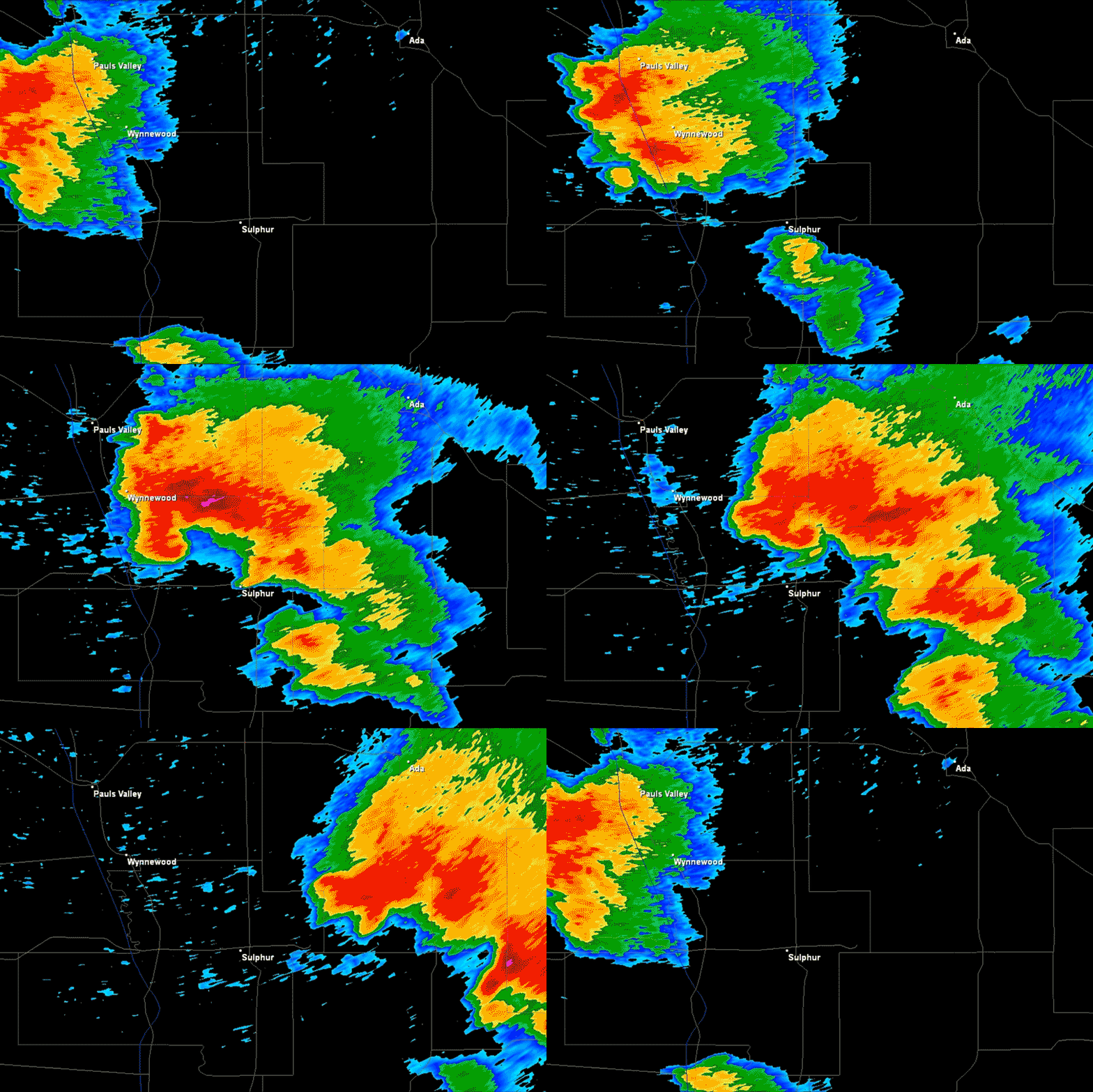
Matthew Chantry, ECMWF's strategic lead for machine learning, acknowledged the research represents "a good example of new ideas being developed for the benefit and consideration of the community," while noting that "turning ideas into reality [in] an operational process is a most challenging step"
2
. The transition from research to operational forecasting systems will test whether PBC can deliver consistent improvements across diverse weather conditions and geographic regions.The tool's model-agnostic design means it can enhance both traditional numerical models and newer AI weather models, potentially accelerating improvements across the forecasting landscape
3
. For farmers planning planting schedules, energy operators matching supply with demand, and emergency response officials preparing for disasters, reliable long-range weather prediction could transform decision-making in the coming years. The collaboration between MIT, Microsoft, ECMWF, and other institutions signals growing momentum behind integrating machine learning with traditional meteorology to push past the two-week forecasting barrier that MIT Professor Edward Lorenz once theorized as a fundamental limit1
.References
Summarized by

Navi
Related Stories
Microsoft's Aurora AI: Revolutionizing Weather Forecasting and Environmental Predictions
20 May 2025•Technology

Google's AI-Powered Weather Model Revolutionizes Forecasting Accuracy
23 Jul 2024

Europe's AI-Powered Weather Forecasting System Promises Improved Accuracy and Efficiency
25 Feb 2025•Technology

Recent Highlights
1
OpenAI Drops 722 AI-Generated Math Proofs on Unsolved Problems, Sparking Existential Crisis
Science and Research

2
Meta Unveils Muse Wonder Frontier AI Models, Claims Performance Matching OpenAI and Anthropic
Technology

3
Microsoft and Nvidia Launch Surface Laptop Ultra: A $2,599 AI-Ready PC With RTX Spark Chip
Technology

Recent Highlights
Today's Top Stories





Don’t drown in AI news. We cut through the noise - filtering, ranking and summarizing the most important AI news, breakthroughs and research daily. Follow topics that matter to you and stay ahead.


