AI's Water Crisis: Data Centers' Unsustainable Thirst Threatens Global Water Resources


3 Sources
[1]
AI is gobbling up water it cannot replace - I'm working on a solution
Data centres are the invisible engines of our digital world. Every Google search, Netflix stream, cloud-stored photo or ChatGPT response passes through banks of high-powered computers housed in giant facilities scattered across the globe. These datacentres consume a staggering amount of
[2]
AI boom means regulator cannot predict future water shortages in England
Datacentres, which do not have to report amount of water used to cool servers, leave Environment Agency with no idea of shortfalls The artificial intelligence boom means the Environment Agency has no idea how much water England will be short of in future decades, as datacentres do not have to
[3]
AI is gobbling up water it cannot replace. I'm working on a solution
Data centers are the invisible engines of our digital world. Every Google search, Netflix stream, cloud-stored photo or ChatGPT response passes through banks of high-powered computers housed in giant facilities scattered across the globe. These data centers consume a staggering amount of
Share
Copy Link
The rapid growth of AI and data centers is causing an unprecedented strain on global water resources, with cooling systems consuming vast amounts of water that cannot be easily replaced. This trend is raising concerns about future water shortages and environmental impact.
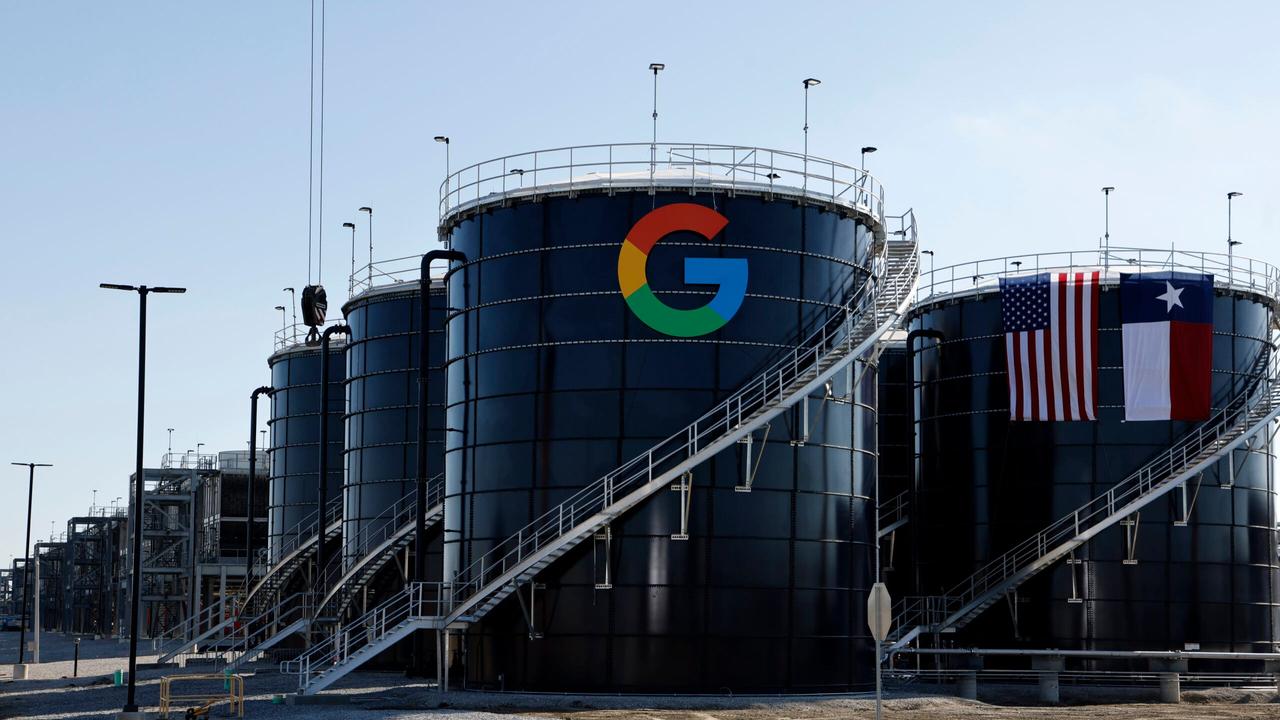
The Growing Water Consumption of AI and Data Centers
The rapid expansion of artificial intelligence (AI) and data centers is creating an unprecedented demand for water resources globally. Data centers, which power our digital world, are consuming staggering amounts of water for cooling purposes, raising concerns among environmental scientists and regulators
1
.
Source: The Conversation
A 2023 preprint study predicted that by 2027, global AI use could consume more water in a year than half of that used by the UK in the same period
1
. The International Energy Agency reported that data centers now consume more than 560 billion liters of water annually, with projections suggesting this could rise to 1,200 billion liters a year by 20301
.The Water Crisis and Its Implications
The water used in data center cooling systems differs significantly from household water use. Unlike water used in homes, which often returns to treatment facilities for recycling, the water in data center cooling systems evaporates into the atmosphere
1
. This process effectively removes water from local water cycles, making it a non-renewable resource in the short term.In England, the Environment Agency has warned that the public water supply could be short by 5 billion liters a day by 2055 without urgent action
2
. However, this projection does not include the water usage of data centers, as they are not required to report their consumption. This lack of data makes it challenging for regulators to accurately predict future water shortages2
.The Technology Behind Data Center Cooling

Source: Tech Xplore
Data centers typically use mechanical chillers for cooling, which work like large refrigerators. These systems use a refrigerant to carry heat away from servers and release it through a condenser. During this process, a significant amount of water is lost as vapor
1
.A 1 megawatt (MW) data center can use up to 25.5 million liters of water annually. With the global data center capacity estimated at around 59 gigawatts (GW), the scale of water consumption becomes apparent
3
.Related Stories

Innovative Solutions and Future Outlook
Researchers are working on alternative cooling methods to address this growing concern. One such method, developed by a team at Northumbria University, uses thin aluminum foil to separate moist and dry air streams in data centers. This approach allows for efficient cooling without adding humidity that could damage sensitive equipment
1
.As AI continues to expand, the demand on data centers is expected to increase dramatically. This trend necessitates a global shift in how we design, regulate, and power digital infrastructure to ensure sustainable water use
3
.The AI boom presents a significant challenge for water resource management. Without proper regulation and innovative solutions, the growing water consumption of data centers could exacerbate water scarcity issues in many regions. As we move forward, balancing technological advancement with environmental sustainability will be crucial for the future of AI and global water resources.
References
Summarized by

Navi
[1]
Related Stories
UK Experts Call for Mandatory Reporting of AI Data Center Resource Consumption Amid Environmental Concerns
07 Feb 2025•Technology

UK's AI ambitions clash with water reality as datacenters excluded from national forecasts
21 Jul 2026•Policy and Regulation

Google and Amazon report record energy use as AI data centers challenge climate goals
01 Jul 2026•Business and Economy
Recent Highlights



Recent Highlights
Today's Top Stories








Don’t drown in AI news. We cut through the noise - filtering, ranking and summarizing the most important AI news, breakthroughs and research daily. Follow topics that matter to you and stay ahead.


