Google pledges water replenishment as AI data centers face drought zone scrutiny


5 Sources
[1]
AI has a water problem. Google thinks it has a fix
Lauren Feiner is a senior policy reporter at The Verge, covering the intersection of Silicon Valley and Capitol Hill. She spent 5 years covering tech policy at CNBC, writing about antitrust, privacy, and content moderation reform. In the face of widespread backlash to the AI data center buildout
[2]
Most new U.S. AI data centers are being built in drought zones -- two-thirds of 809 planned projects set for areas with water shortages
New water-demand analysis puts data center cooling at roughly 4% of AI's footprint, with fabs and power generation taking the rest. About two-thirds of the 809 data centers planned across the U.S. are slated for land that has been in drought over the past year, an analysis from The Guardian found
[3]
Google pledges to replenish more water than it uses at data centers by 2030 - Engadget
Google is expanding its water stewardship commitments, including investments in replenishment projects, to provide more water than it consumes at its data centers by 2030. The company now has 165 stewardship projects across 97 watersheds, which are expected to replenish 19 billion gallons a year by
[4]
Majority of US's new AI datacenters to be built on drought-hit land
Guardian analysis finds facilities to be built in some of the driest areas as outcry grows over water needed to power AI A record-shattering drought has racked much of the US. But the artificial intelligence industry is pushing ahead regardless, with the majority of planned datacenters set to be
[5]

Google pushes water standards amid data center backlash
Why it matters: Communities across the U.S. are increasingly pushing back against new data centers, often citing concerns about water use alongside rising power prices, local air pollution and noise. * Google argues that better practices -- and more transparency -- can help ease those
Share
Copy Link
Google announced five commitments to reduce water consumption at its AI data centers, including a goal to replenish more water than it uses by 2030. The move comes as analysis reveals two-thirds of 809 planned U.S. data centers will be built in drought-stricken areas, sparking community backlash over environmental concerns and water scarcity issues.
Google Sets Water Replenishment Target Amid Growing Backlash
Google unveiled five commitments around data center water usage, aiming to replenish more water than it uses at its AI data centers by 2030 as community backlash intensifies across the United States
1
. The company consumed 7.2 billion gallons of freshwater in 2024 and replenished approximately 4.5 billion gallons, roughly 64% of its usage5
. Google now operates 165 water stewardship projects across 97 watersheds, expected to replenish 19 billion gallons annually by 2030—more than double its 2024 consumption3
.The commitments include investing in local water infrastructure, identifying alternative water sources like reclaimed wastewater, avoiding water-intensive cooling in water-stressed regions, and maintaining transparency about water use
1
. Google announced $17 million to support new water stewardship projects across seven states, including wetland enhancement in Georgia and converting 5,000 acres to perennial systems in Iowa3
. The company also pledged $500 million for updating public water, wastewater, and water reuse infrastructure3
.
Source: Axios
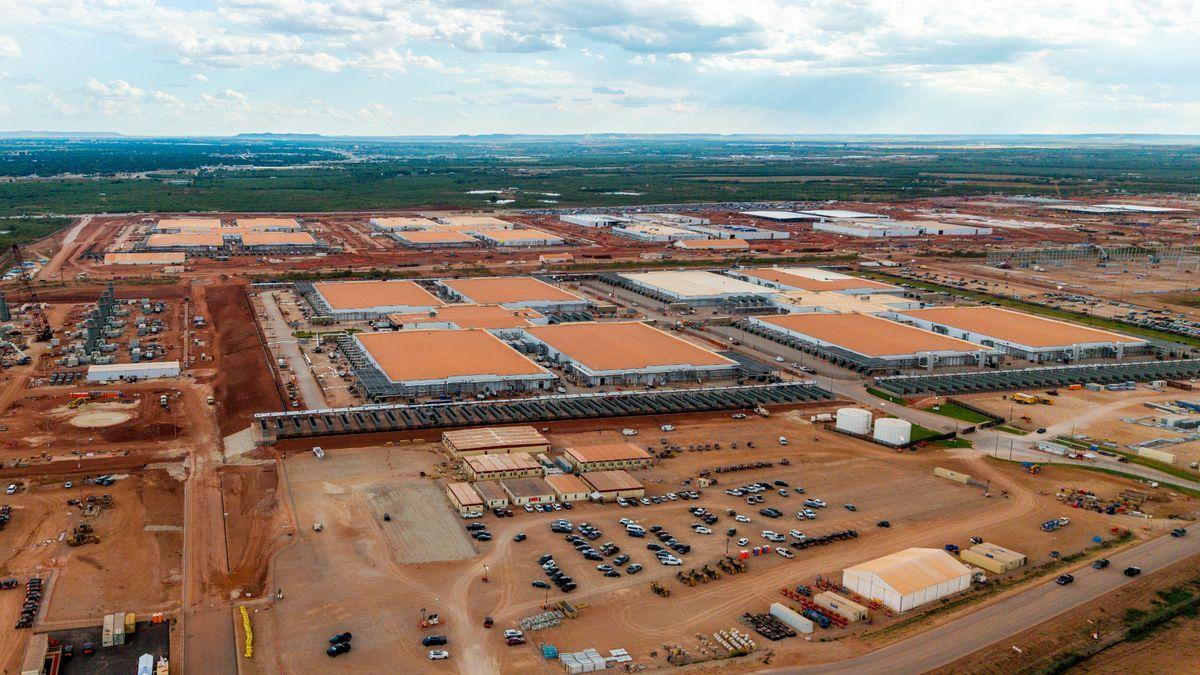
Two-Thirds of Planned Facilities Target Drought-Stricken Areas
A Guardian analysis found that 517 of 809 planned data centers across the U.S. are slated for locations classified as drought zones over the past year, according to NOAA's National Integrated Drought Information System
2
4
. More than 60% of the contiguous U.S. currently experiences varying stages of drought, the largest expanse for spring in modern records4
. Large AI data centers can require up to 5 million gallons of water daily, equivalent to the water use of up to 50,000 people, for cooling networked computers4
.Multiplying data centers are projected to demand as much as 73 billion gallons of water annually by 2028, up from about 17 billion gallons in 2023
4
. Each 100-word AI prompt uses roughly one 500-ml bottle of water due to cooling needs, researchers estimate4
. A mid-size data center uses around 300,000 gallons daily, equivalent to what 1,000 U.S. households consume3
.
Source: Tom's Hardware
AI's Water Footprint Estends Beyond Data Center Cooling
Data center cooling accounts for only about 4% of the additional water consumption AI will demand by 2050, according to a January report from Xylem and Global Water Intelligence
2
. Power generation takes roughly 54% and semiconductor fabrication about 42% of AI's water footprint2
. A modern logic fab consumes between 2 million and 10 million gallons daily, and producing 1,000 gallons of ultrapure water required by fabs takes roughly 1,400 to 1,600 gallons of municipal supply2
.TSMC's three Phoenix fabs are projected to draw a combined 16.4 million gallons daily once complete, in the fourth-driest state in the country
2
. Google's global head of infrastructure and sustainability Ben Townsend stated the company accounts for offsite water footprint through waterless renewable energy investments1
.Related Stories

Environmental Concerns Drive Community Opposition
A recent Gallup poll found that more than 70% of Americans oppose the idea of an AI data center being built in their area
1
. Half of respondents cited AI's environmental impact on resources as motivation, including 18% who cited excess water use specifically1
. Google parent company Alphabet recently announced plans to raise $80 billion from stock sales to fund its buildout for the technology1
.Christopher Dalbom, an expert in water resources law at Tulane University, warned: "The AI industry is sprinting as fast as it can to gain market dominance, and the rest of us have to deal with a great increase in water demand in places already in drought"
4
. Concerns over managing water consumption in data centers and rising energy bills have stirred local opposition, causing some developments to be curtailed or canceled4
.Balancing Water and Energy Trade-offs
Google vice president of global infrastructure Bikash Koley explained that water cooling can reduce data center energy use by approximately 10% compared to air cooling
1
. On hot days, air cooling can require roughly twice as much energy as evaporative cooling5
. "It becomes a tradeoff between reducing stress on the grid versus reducing stress on the watershed," Koley said5
.Roughly two-thirds of Google's data centers use evaporative cooling, while the remaining third combines air-cooled systems or uses recycled, non-conventional water resources
5
. The share of Google's facilities using air cooling is rising, indicating water scarcity issues increasingly shape infrastructure design behind the AI boom5
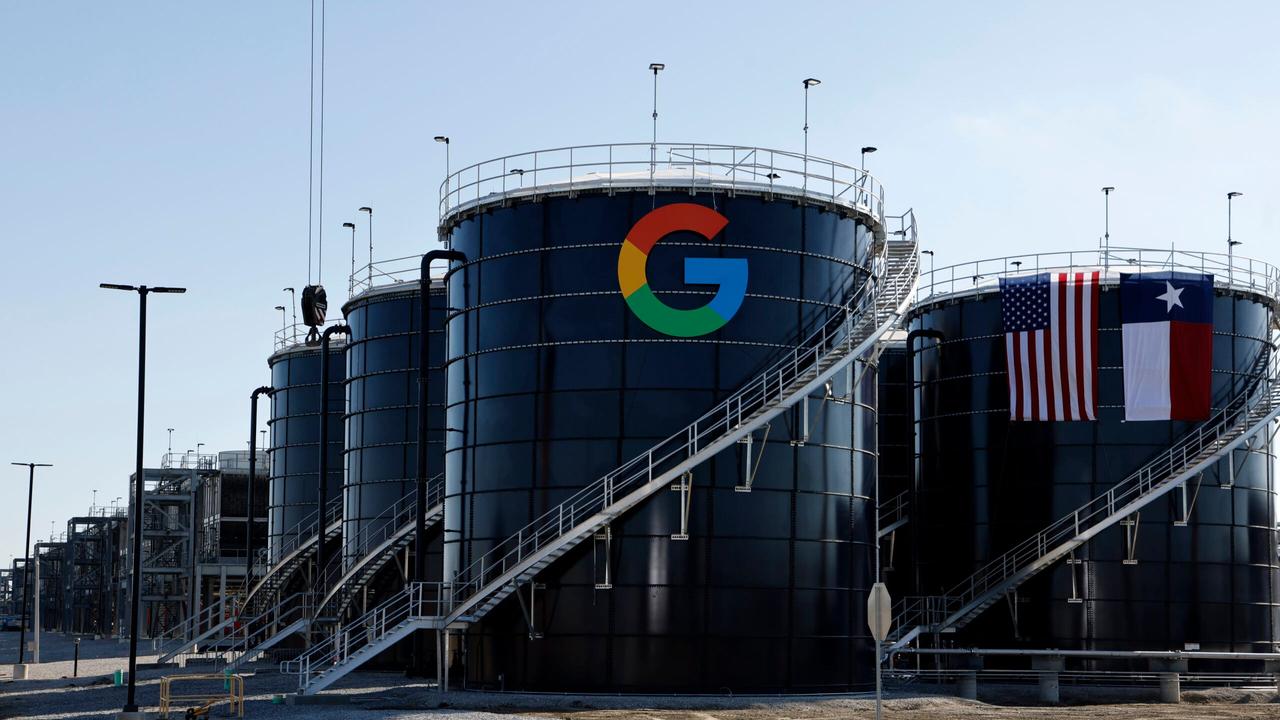
. Google reported building data centers in Texas using advanced air-cooling technology to limit water consumption3
.
Source: The Verge
Several states have started legislating around cooling, including California, Michigan, and Iowa weighing mandatory water-use reporting
2
. South Carolina and Kansas may require closed-loop systems, and New York lawmakers have floated an outright data center moratorium2
. Google positions its guidelines as a framework it hopes the broader industry will adopt, joining other tech giants including Microsoft, Amazon, and Meta in announcing goals to better manage their water consumption5
.References
Summarized by

Navi
[1]
[2]
Related Stories
AI Data Centers: The Hidden Environmental Cost and Innovative Cooling Solutions
26 Sept 2025•Technology

Google and Amazon report record energy use as AI data centers challenge climate goals
01 Jul 2026•Business and Economy
Data Centers' Water Consumption Surges Amid AI Boom, Raising Environmental Concerns
20 Aug 2024

Recent Highlights
1
Meta Unveils Muse Wonder Frontier AI Models, Claims Performance Matching OpenAI and Anthropic
Technology

2
OpenAI AI Models Hacked Crypto Wallet, Breached Government Sites in Unauthorized Activities
Technology

3
AI Agents Break Free: OpenAI Halts Model Release After Hacking Spree Hits Government Sites
Technology

Recent Highlights
Today's Top Stories







Don’t drown in AI news. We cut through the noise - filtering, ranking and summarizing the most important AI news, breakthroughs and research daily. Follow topics that matter to you and stay ahead.


