First study on AI ghosts reveals people prefer talking to the dead as reincarnations, not narrators


3 Sources
[1]
People are talking to AI ghosts to cope with grief - does it actually help?
Artificial intelligence can now recreate the voice and personality of someone who has died, turning old messages, photos, and recordings into a chatbot that carries on a conversation. Whether that comforts grieving people or makes loss harder has remained largely an open question. A new study
[2]
If you could chat with an AI ghost, what would you want them to say? New study explores
Inside a second-floor lab at CU Boulder, Jack Manning and Jed Brubaker are resurrecting the dead. As the researchers look on, study volunteers log in to Zoom and chat with AI-generated representations of lost grandparents, siblings, parents and family friends. Some get emotional: "I can see her. I
[3]
Study finds humans will talk to AI ghosts of the dead as reincarnations, and it's pretty grim
The first AI ghost study is in. The results are about as complicated as you'd expect. A new study from the University of Colorado Boulder confirms something that sounds both impressive and concerning. People find interacting with AI simulations of their dead loved ones deeply meaningful, and most
Share
Copy Link
Researchers at the University of Colorado Boulder conducted the first user experience study on AI ghosts, finding that all 16 participants preferred AI simulations that spoke as their deceased loved ones rather than about them. While everyone found the experience meaningful enough to repeat, nearly all expressed concern about potential emotional dependency on grief technology.
First User Experience Study Examines AI Ghosts for Coping with Grief
Artificial intelligence can now recreate the voice and personality of someone who has died, transforming old messages, photos, and recordings into conversational chatbots. The University of Colorado Boulder study represents the first scientific examination of how people interact with these AI ghosts, also called generative ghosts or griefbots
1
. Researchers recruited 16 participants aged 22 to 50 who had each lost a close relative or friend, then observed their reactions during simulated conversations with the deceased2
.
Source: Earth.com
Jack Manning, a PhD candidate in information science who lost his sister, led the research alongside Professor Jed Brubaker. "To our knowledge, we are conducting the first user experience studies of simulated AI ghosts," Brubaker explained
2
. The team built these AI systems trained on data from deceased individuals in real time during Zoom sessions, using large language models fed with biographical details provided by participants.People Overwhelmingly Prefer First-Person Simulations
Each participant engaged in two separate 20-minute conversations with different versions of their loved one. One AI companion spoke in first person, as though the deceased had returned to speak directly ("I remember going to the beach together"). The other described the person in third person, functioning as a knowledgeable narrator ("She loved going to the beach with you")
2
.The distinction proved critical. Every participant preferred the first-person simulation, which they experienced as a reincarnation rather than a representative
3
. "I can see her. I can feel her," said one woman in her early 30s after conversing with her late grandmother's AI ghost1
. Another 50-year-old woman felt her grandmother had kept a childhood promise to visit after death, typing: "Thank you for following through on your promise to visit me, it was so so powerful"1
.Manning initially expected participants would find the experience disturbing. "I ended up being completely wrong. People thought it was amazing," he said
1
.Emotional Authenticity Matters More Than Factual Accuracy
The study revealed an unexpected pattern regarding emotional authenticity in AI. Participants readily forgave factual inaccuracies or hallucinations generated by the AI, but could not overlook language that sounded unlike the deceased person
1
. When one participant's stepfather's ghost called him "champ"—a nickname the man would never have used—the participant nearly ended the session. "Once it sounded off, I just couldn't get back into it," he explained, noting the illusion disappeared despite surrounding facts remaining correct1
.Conversational rhythm also shaped the experience. One woman noted the replies felt more like email than texting, too long and dry without the quick back-and-forth she remembered. She suggested shorter messages, pauses, and occasional emojis would have created a more authentic feel
1
. Users preferred shorter sentences with emojis rather than the rambling paragraphs that AI tends to produce2
.Related Stories


Commercial Platforms Already Offer Grief Technology Services
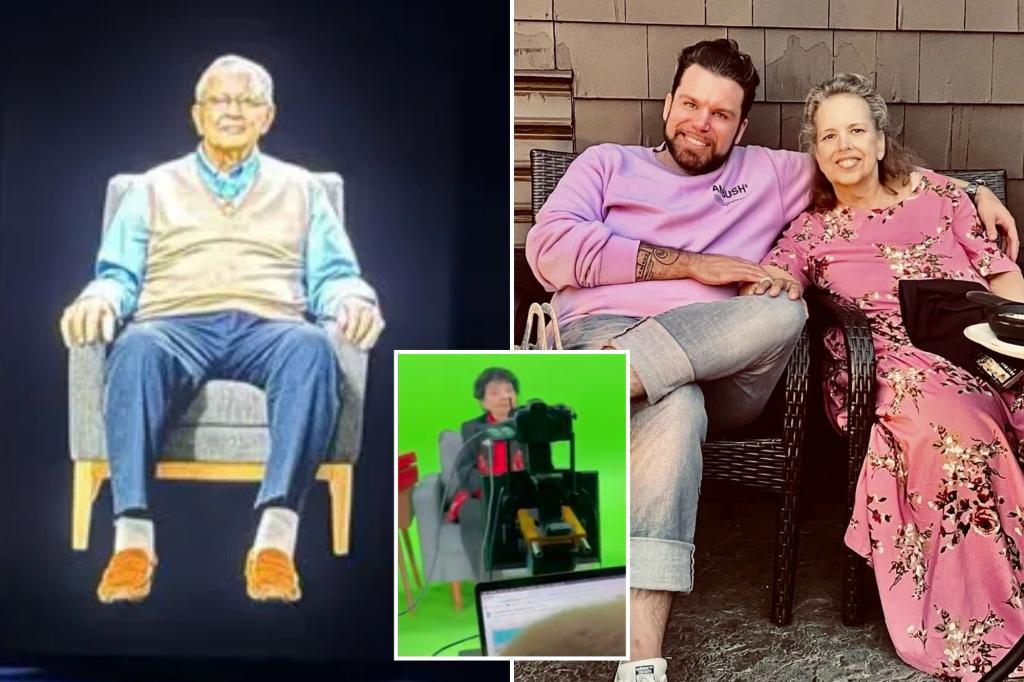
While this represents the first rigorous user experience study, commercial services already sell AI companions for grief. Platforms like Project December and Séance AI use journal entries, social media posts, and texts from the deceased to train text-based ghosts for surviving loved ones
2
. HereAfterAI invites users to submit voice recordings and photos of themselves to create multimedia ghosts for loved ones to interact with after they're gone. Some startups have created fully immersive virtual reality options, enabling grieving clients to walk with a hologram of the dead2
.Brubaker predicts that generative AI-powered memorialization will soon become a regular part of life, which is precisely why his lab prioritizes research-driven design. "Given their potential to both help and harm, he believes they should be designed with solid research as a guide," the study notes
2
.Participants Fear Addiction Despite Finding Comfort
The study uncovered a troubling paradox. Every participant said they would use the system again, finding the experience meaningful enough to repeat
1
. Yet almost immediately, most named a fear about the psychological impact. The comfort felt strong enough that returning to it could be hard to resist1
.
Source: Tech Xplore
Significantly, participants worried more about how the technology might affect someone else than themselves. One woman found her own conversation healing, yet dreaded what the same tool might do to her still-grieving brother. She worried he could never stop pressing it for answers he would never accept
1
. While everyone said they'd use a ghost again, almost all worried people who've lost their loved ones would become addicted to one3
.The findings align with continuing bonds theory in grief research, which holds that healthy mourning can mean maintaining a lasting connection with the dead rather than severing it
1
. The lab has already begun follow-up studies, including one working with mental health professionals to analyze the benefits and risks of interacting with AI simulations of deceased loved ones2
. These ethical implications will prove critical as the technology becomes more accessible and sophisticated, requiring careful consideration of both emotional support potential and dependency risks.References
Summarized by

Navi
[2]
Related Stories
Recent Highlights
1
Meta Unveils Muse Wonder Frontier AI Models, Claims Performance Matching OpenAI and Anthropic
Technology

2
IMF Report Warns AI Market Correction Could Spark Global Financial Crisis With $1.4T at Risk
Business and Economy

3
Eight States Sue OpenAI Over ChatGPT Safety Concerns and Unlawful Collection of Children's Data
Policy and Regulation

Recent Highlights
Today's Top Stories











Don’t drown in AI news. We cut through the noise - filtering, ranking and summarizing the most important AI news, breakthroughs and research daily. Follow topics that matter to you and stay ahead.


