AI Safety vs. Innovation: $48 Million Floods Political Races as Industry Splits Over Regulation


2 Sources
[1]
Exclusive: AI safety money floods into political races
The researchers add to the advocacy and giving of an array of AI safety groups that have been well-funded for years, including from Coefficient Giving, a philanthropy with close ties to many top AI executives, especially at Anthropic. Driving the news: AI safety groups and individual donors have
[2]
AI safety advocates, doomers, pro-innovation groups pour hundreds of millions into congressional midterms
Techies from both sides of the AI safety debate are pouring a fortune into next month's midterms, with at least $48 million reportedly going to pols poised to crack down on the burgeoning tech. Tech-worker-backed AI safety group Guardrails Alliance, which has raised $11.7 million, is among the
Share
Copy Link
AI safety advocates and pro-innovation groups are spending heavily to influence Democratic and Republican races, with $48 million deployed this cycle. The Guardrails Alliance raised $11.7 million while Leading the Future retains $31 million, as both sides compete to shape AI policy ahead of congressional midterms.
AI Safety Groups Deploy $48 Million in Political Spending
AI safety advocacy groups and individual donors have spent $48 million this election cycle on Democratic and Republican races
1
, marking an unprecedented push to influence AI policy through political spending. The Guardrails Alliance, a tech-worker backed AI safety group, has raised $11.7 million between its super PAC and 501(c)(4)1
2
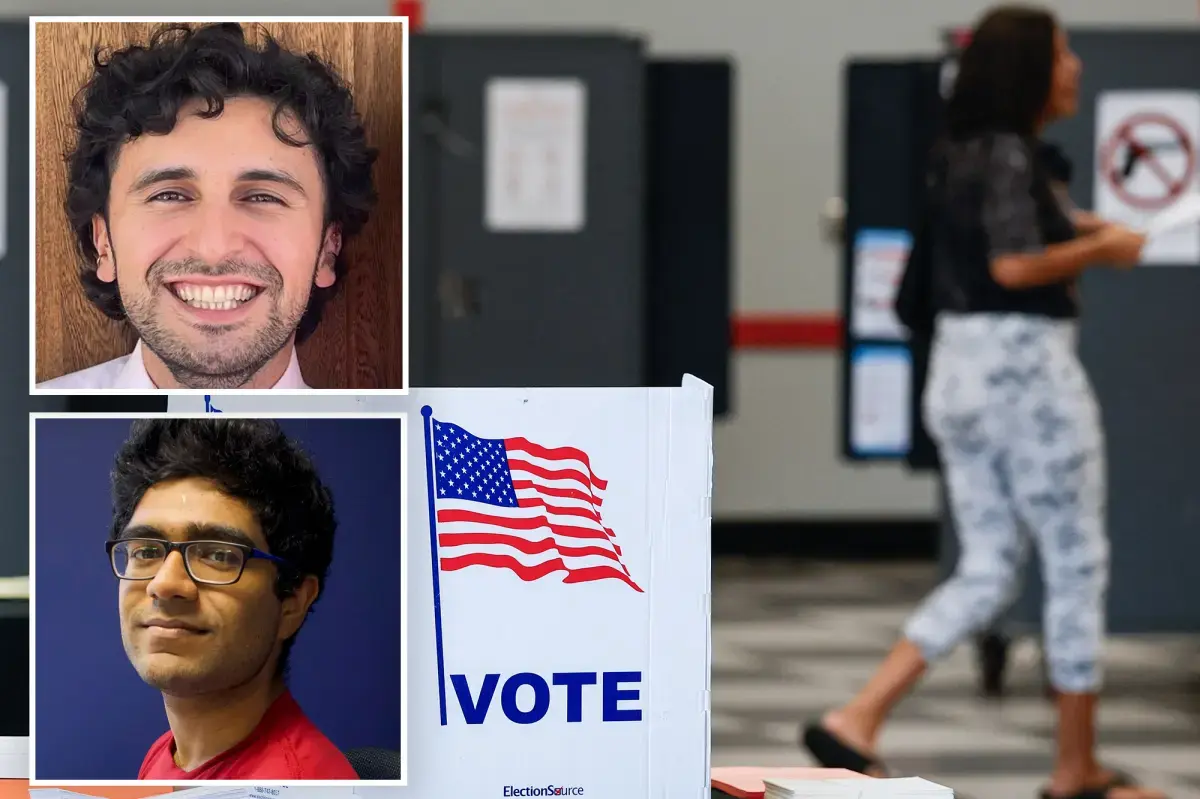
. Donations include contributions from OpenAI's Juan Felipe Cerón Uribe, who gave approximately $400,000 to political action group Dream NYC2
, and Redwood's Aryan Bhatt, who donated to candidates like House Republican Bill Huizenga1
2
.
Source: New York Post
Pro-Innovation Groups Counter with Massive War Chest
Pro-innovation groups have assembled significant resources to counter AI regulation efforts. Leading the Future retained more than $31 million at the end of the second quarter and has supported over 15 Democrats and more than 25 Republicans
1
. Marc Andreessen and Greg Brockman initially pledged $25 million and $12.5 million respectively to the super PAC, which now holds a $149 million war chest2
. The group used these funds to support candidates like moderate pro-business Democrat Melissa Bean in Illinois2
. However, AI industry influence faces growing complications as viral warnings of catastrophic AI risks from the same industry developing the technology create political tensions1
.
Source: Axios
Internal Opposition Disrupts AI Industry Funding
Internal opposition at OpenAI led Greg Brockman to pull a planned second $25 million donation from Leading the Future
1
2
. This retreat by accelerationist factions created an opening that AI safety advocates moved quickly to fill. Jacob Eliosoff, who runs cryptocurrency investment fund Calibrated Markets, explained his motivation for engaging in political giving related to AI risks after observing Leading the Future's early fundraising. The effective altruism community member said he wanted to prevent a repeat of 2024, when crypto industry funding wielded outsized influence on regulatory positions1
.Related Stories

Debate Over AI Regulation Crosses Party Lines
The debate over AI regulation has transcended traditional partisan divides, with donors supporting candidates based on their openness to addressing AI risks rather than party affiliation. Donors told Axios they are motivated primarily by fears that AI industry influence will silence candidates on an unpopular technology
1
. Anthropic CEO Dario Amodei, among the most prominent doomers voicing alarm over AI, committed $1 million to safety-focused Public First2
. The group distributed $1.6 million to North Carolina Rep. Valerie Foushee, a Democrat, and nearly $1.5 million to Texas congressional candidate Carlos De La Cruz, a Republican2
.Congressional Midterms as Test for AI Policy Direction
This cycle will test whether candidates accepting AI industry influence and opposing regulation face electoral consequences, according to Guardrails Alliance Executive Director Shaunna Thomas. She noted that Republican leadership and the Trump administration stand opposite the majority of Americans on AI safety, creating opportunities for Democrats to step in boldly
1
. However, Guardrails faces pushback from some Democrats who warn its strategy of opposing certain Democratic candidates could help elect Republicans less inclined to regulate AI1
. Leading the Future countered that shaping AI policy will require 60 votes in the Senate, necessitating a broad coalition1
. As Trump allies open new fronts against Anthropic and safety advocates affiliated with the effective altruism movement, the political clout of pro-safety advocacy appears set to grow heading into the congressional midterms1
.References
Summarized by

Navi
Related Stories
OpenAI employees donate $245,000 to counter their president's AI regulation stance
10 Jul 2026•Policy and Regulation
AI Super PACs wage $27 million proxy battle over regulation in New York congressional race
17 Jun 2026•Policy and Regulation

Super PACs turn AI regulation into a central campaign topic, spending millions in 2026 midterms
12 Feb 2026•Policy and Regulation

Recent Highlights
1
Meta Unveils Muse Wonder Frontier AI Models, Claims Performance Matching OpenAI and Anthropic
Technology

2
IMF Report Warns AI Market Correction Could Spark Global Financial Crisis With $1.4T at Risk
Business and Economy

3
OpenAI Releases 722 AI-Generated Math Solutions, Triggering Existential Crisis in Mathematics
Technology

Recent Highlights
Today's Top Stories










Don’t drown in AI news. We cut through the noise - filtering, ranking and summarizing the most important AI news, breakthroughs and research daily. Follow topics that matter to you and stay ahead.


