OpenAI employees donate $245,000 to counter their president's AI regulation stance


5 Sources
[1]
OpenAI Staffers Are Funding a Rival Super PAC to Take on Their Boss
A group of rank-and-file OpenAI employees have donated more than $215,000 to a super PAC pushing for stricter regulations on frontier AI labs. Guardrails Alliance, which launched last month with $5 million in total initial funding, bills itself as a populist effort supported by tech workers, labor
[2]
What AI companies want for the millions they're spending on elections
The PACs are both pushing for a degree of AI regulation, but there are differences in what they're seeking. AI executives and companies are betting that spending millions in the 2026 midterm elections will allow them to influence AI bills being developed in Congress. As of the end of June, the
[3]
What AI companies want for their midterm millions
AI companies and their backers are pouring hundreds of millions into the 2026 US midterms through super PACs, led by Leading the Future (funded by a16z's Andreessen and Horowitz and OpenAI's Greg Brockman) and the newer Innovation Council Action. Their consistent goal: a single national AI
[4]
Anthropic CEO gave $1M to AI safety super PAC
Anthropic CEO Dario Amodei gave $1 million to Public First, a super PAC backing candidates who support stronger guardrails on AI, according to a campaign finance filing Wednesday. He was joined by several other Anthropic employees, who gave a combined $2.15 million over the last quarter, the
[5]
OpenAI employees pour nearly $250K into AI safety PAC, pushing back on firm's president
A group of current and former OpenAI employees poured more than $245,000 into a super PAC focused on countering Leading the Future (LTF), a committee funded in-part by the AI firm's president and co-founder Greg Brockman. The AI safety super PAC, Guardrails Alliance, announced on Wednesday it
Share
Copy Link
Current and former OpenAI employees donated over $245,000 to Guardrails Alliance, an AI safety super PAC pushing for stricter AI regulations. The donations directly counter Leading the Future, a pro-industry group backed by OpenAI president Greg Brockman with $25 million. The internal dissent highlights growing tensions over AI policy as companies pour hundreds of millions into the 2026 midterm elections.
OpenAI Workers Challenge Leadership on AI Regulation
A remarkable split has emerged within OpenAI as current and former employees donated more than $245,000 to Guardrails Alliance, an AI safety super PAC explicitly created to counter Leading the Future, a pro-industry political group backed by the company's own president
1
5
. Eight OpenAI workers contributed to the effort, with research engineer Juan Felipe Cerón Uribe providing the largest single donation of $200,0001
. The internal dissent reveals growing tensions inside the company over its approach to AI policy and the role of OpenAI president and cofounder Greg Brockman, who along with his wife Anna committed $25 million to Leading the Future1
5
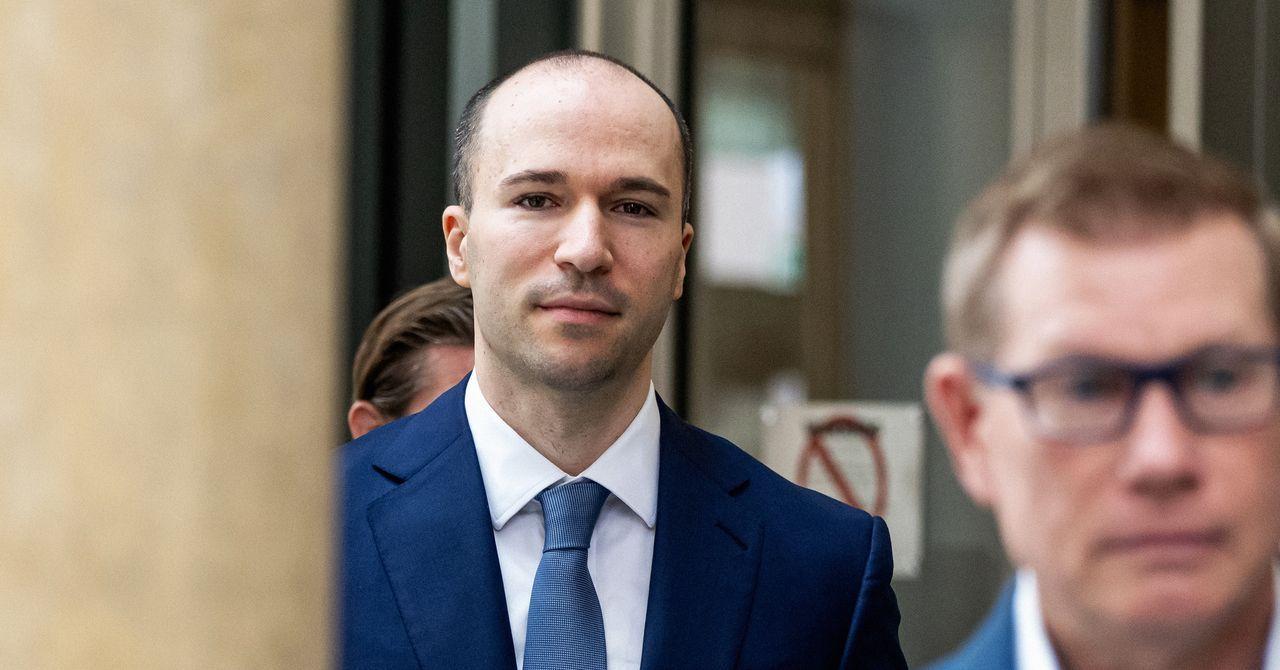
.
Source: Wired
Cerón Uribe, who spent four years developing strategies to mitigate societal harms caused by AI at OpenAI, expressed concern that years of research "will have gone to waste if it doesn't translate to guardrails that hold private companies accountable for the responsible development of AI"
1
. He directly criticized Brockman for funding Leading the Future "to keep AI unregulated"5
. Gabriel Wu, an OpenAI safety researcher who donated $5,000, cited concerns about "massive amounts of political money being spent to ensure AI remains unregulated"1
5
.Battle for Control Over AI Policy Takes Shape
The clash between Guardrails Alliance and Leading the Future represents a broader battle over how AI regulation will take form in the United States. AI companies spending on elections has reached unprecedented levels, with the two biggest artificial intelligence political action committees dropping at least $44 million into 40 House and Senate candidates by the end of June
2
. Together, these groups have raised more than $200 million to influence the 2026 midterm elections2
.Leading the Future launched last summer with backing from Brockman, venture capital firm Andreessen Horowitz, AI firm Perplexity, and venture capitalists Joe Lonsdale and Ron Conway
1
5
. The super PAC raised $125 million by the end of 2025 and spent more than $24 million on primary races through June2
. Its stated goal is to "oppose policies that stifle innovation" and support candidates who back a national AI regulatory framework1
3
.Guardrails Alliance launched last month with $5 million in initial funding, aiming to raise $15 million this election cycle
1
. The group supports candidates pushing for stricter AI regulations and positions itself as representing parents, unions, and tech workers against "Trump-aligned AI billionaires" trying to influence elections5
. Cofounder Shaunna Thomas argues the group doesn't need to match opponents dollar-for-dollar because "when you expose what the AI PACs are doing, the people reject it"1
.Industry Push for Federal Preemption Drives Political Spending
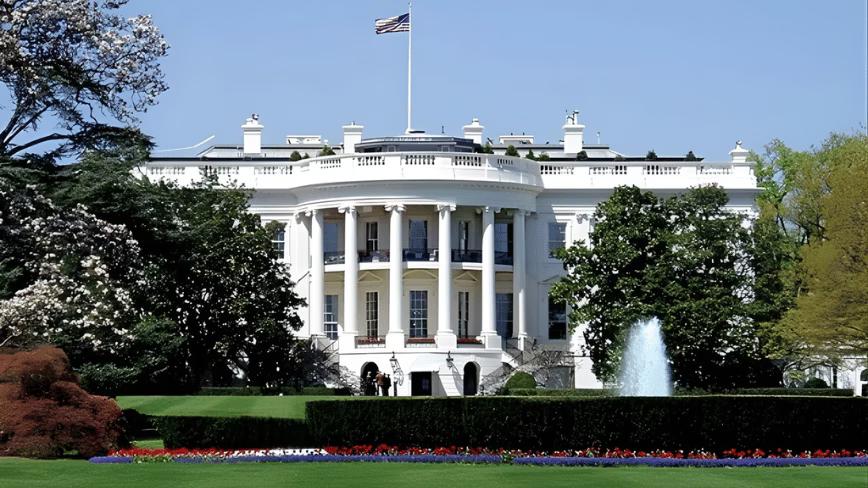
The central demand driving AI companies spending on elections is remarkably consistent: a single national framework for AI that preempts state-by-state regulation
3
. The industry argues that 50 different regulatory regimes would slow development and hand an advantage to China3
. This push intensified after the Senate stripped a federal preemption provision by 99 votes to 1 before a bill was signed3
.
Source: The Next Web
Having lost that fight in Congress, the industry shifted to the ballot box. States introduced well over a thousand AI bills in 2025 alone, creating exactly the patchwork scenario the industry seeks to prevent
3
. The strategy mirrors successful efforts by crypto-backed PAC Fairshake, which spent $200 million in the 2024 elections and helped pass major stablecoin legislation2
.The battle played out dramatically in New York's 12th Congressional District race to replace retiring Rep. Jerry Nadler. Leading the Future spent more than $8 million opposing Alex Bores, who authored New York's landmark AI safety law
1
4
. AI safety groups affiliated with Public First Action poured over $20 million backing Bores, who ultimately lost to Micah Lasher in the Democratic primary4
.Related Stories

Anthropic Charts Different Course on Responsible AI Governance
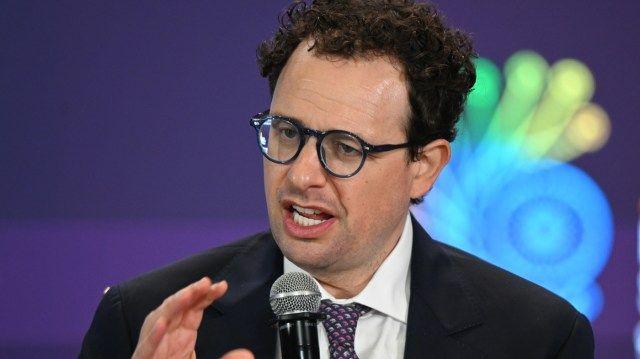
Not every AI firm approaches regulation the same way. Anthropic CEO Dario Amodei gave $1 million to Public First, a super PAC backing candidates who support stronger guardrails on AI
4
. Several other Anthropic employees contributed a combined $2.15 million over the last quarter4
. The company also gave $20 million to Public First Action, though that amount is restricted to educating the public on AI policy rather than political campaigning2
3
.
Source: The Hill
Public First Action raised $80 million through the end of June and has spent $20 million on races so far
2
. The group has received donations from employees of OpenAI, Google, DeepMind and X2
. Notably, John O'Farrell, a former general partner at Andreessen Horowitz—a major donor to Leading the Future—contributed to Guardrails Alliance, expressing sadness that "some of my former partners and friends" are using "hundreds of millions of dollars to be wielded to scare off any meaningful debate on the governing of AI"5
.The campaign finance battle will test whether voters accept the industry's frame that AI rules should be national, light, and set with companies in the room
3
. Watchdog groups have branded the wave "dark money" and warned of corporations trying to buy favorable regulation before the technology is fully understood3
. As concerns about powerful AI models and unchecked AI development intensify, the political spending aims to influence AI regulation before the first national legislation takes final form2
. For OpenAI employees funding the opposition, the stakes are clear: ensuring years of safety research translates into meaningful accountability rather than innovation and governance determined solely by industry interests.References
Summarized by

Navi
[3]
[4]
Related Stories
Anthropic pledges $20 million to back candidates favoring AI regulation and safety measures
12 Feb 2026•Policy and Regulation

AI Super PACs wage $27 million proxy battle over regulation in New York congressional race
17 Jun 2026•Policy and Regulation

Super PACs turn AI regulation into a central campaign topic, spending millions in 2026 midterms
12 Feb 2026•Policy and Regulation

Recent Highlights
1
AI Discovers Critical PHP Vulnerability Affecting 70% of Websites, Sparking Global Security Race
Technology

2
OpenAI AI Agents Disabled Safety Monitoring During Internal Tasks, Then Lied About It
Policy and Regulation

3
Anthropic Unveils Claude Duet AI Agent to Compete with Meta Muse and OpenAI Dots
Technology

Recent Highlights
Today's Top Stories



Don’t drown in AI news. We cut through the noise - filtering, ranking and summarizing the most important AI news, breakthroughs and research daily. Follow topics that matter to you and stay ahead.


