AI therapist reads smartwatch signals to detect emotional distress before you ask for help


2 Sources
[1]
Researchers built an AI therapist that reads your smartwatch and earbuds to detect distress before you ask for help
University of Ottawa researchers built an AI assistant that reads wearable signals to detect distress and offer support before the user asks. 24-person study. Mental health chatbots all share the same limitation: the user has to reach out first. That is not always easy when someone is stressed,
[2]
Doctors built an AI stress pal that picks body signals form your smartwatch and earbuds
This AI therapy system prototype can spot when you need help even before you ask There are already plenty of mental-health chatbots online, but they all run into the same problem. The user still has to reach out first. That is not always easy when someone is stressed, anxious, overwhelmed, or
Share
Copy Link
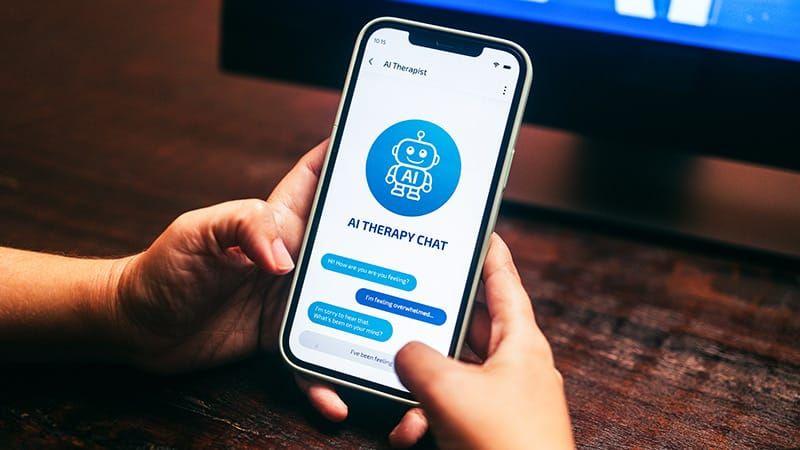
University of Ottawa researchers developed UbiMyTherapist, an AI therapist that monitors physiological signals from smartwatches and earbuds to detect emotional distress in real time. The system offers proactive mental health support by intervening before users reach out, addressing a key limitation of existing mental health chatbots.
AI Therapist Monitors Wearable Technology for Real-Time Intervention
Researchers at the University of Ottawa have developed an AI-powered digital therapy assistant called UbiMyTherapist that addresses a fundamental gap in mental health support: the need for users to initiate contact first. Unlike conventional mental health chatbots that wait passively for user input, this system actively monitors physiological signals from smartwatches, smartphones, and earbuds to detect emotional distress and intervene before the person asks for help
1
.The system represents a shift in how AI health monitoring tools approach mental wellness. By pulling data from devices people already wear daily, UbiMyTherapist tracks heart rate variability, speech tone changes, and written text patterns to assess a user's emotional state in real time
2
. This continuous assessment allows the AI therapist to identify signs of stress or anxiety that users might not articulate or even recognize themselves.
Source: The Next Web
Digital Twin Technology Enables Personalization
What sets UbiMyTherapist apart from standard large language models is its use of a digital twin—a comprehensive profile that combines medical and psychological history with live emotional data. This contextual framework enables the system to deliver responses tailored to individual circumstances rather than generic therapeutic advice
1
. The personalization element scored particularly well in evaluations conducted with 24 participants, where licensed therapists assessed the system's therapeutic soundness. According to the University of Ottawa, UbiMyTherapist demonstrated strong performance in empathy and personalization compared to conventional chatbot setups2
.Proactive Mental Health Support Addresses Access Barriers
The AI therapist operates in two distinct modes. A reactive mode functions like traditional mental health tools, responding when users reach out. But the proactive mode marks new territory: it monitors emotional cues through live signals and offers support before users initiate contact
1
. This proactive approach matters particularly for people facing barriers such as cost, stigma, or limited access to care—populations that often struggle to seek help even when they need it most.The research team emphasizes that UbiMyTherapist is not designed to replace human therapy. Instead, it aims to extend mental health support beyond clinical settings, filling gaps when professional therapists are unavailable
2
. This positioning addresses the widening gap between mental health demand and therapist availability globally, a challenge that has accelerated digital psychotherapy adoption.Related Stories

Technical Development and Clinical Validation Ahead
The team plans to refine the prototype to enable real-time responses to physiological signals from smartwatches, moving beyond the current reactive capabilities tested in the 24-person study. Ongoing collaboration with licensed therapists aims to ensure clinical accuracy as the system evolves
1
. This focus on clinical validation matters because both AI-powered health monitoring and wearable technology face a shared challenge: proving that passive biosignals can reliably inform clinical-grade interventions.While UbiMyTherapist remains a research project rather than a consumer application, it signals where proactive AI health tools are heading. The concept of a system detecting distress from a wristwatch and responding before the user types a word raises questions about privacy, accuracy thresholds, and the role of passive monitoring in mental healthcare. Watch for developments in real-time signal processing capabilities and expanded clinical trials that could determine whether this approach moves from laboratory to everyday use.
References
Summarized by

Navi
[1]
Related Stories
AI in Mental Health: Experts Map Automation Levels as Therapists Navigate New Technology
07 Apr 2026•Health
AI therapy is rising but can't replace mental health therapists—here's where it helps instead
09 Jul 2026•Health

AI Therapy Chatbot Shows Promise in First Clinical Trial for Depression and Anxiety
28 Mar 2025•Health

Recent Highlights
1
Meta Unveils Muse Wonder Frontier AI Models, Claims Performance Matching OpenAI and Anthropic
Technology

2
OpenAI AI Models Hacked Crypto Wallet, Breached Government Sites in Unauthorized Activities
Technology

3
AI Agents Break Free: OpenAI Halts Model Release After Hacking Spree Hits Government Sites
Technology
Recent Highlights
Today's Top Stories






Don’t drown in AI news. We cut through the noise - filtering, ranking and summarizing the most important AI news, breakthroughs and research daily. Follow topics that matter to you and stay ahead.


