AI Vision Systems Fail Basic Illusion Test That Primate Brains Pass, York University Study Reveals


2 Sources
[1]
Optical Illusion Exposes Blind Spot in AI Vision
A new study in Current Biology from researchers at York University reveals a fundamental computational divide between biological vision and artificial intelligence. By testing motion aftereffect illusions in humans, primates, and artificial neural networks, the team found that while primate
[2]
Visual illusion reveals what today's AI vision is missing
Our eyes do not always tell us exactly where things are -- and that may be a feature of how biological vision works, rather than simply a flaw. A new study by York University researchers uses a common illusion to ask: If artificial intelligence is meant to see more like us, should it make some of
Share
Copy Link
York University researchers discovered a fundamental gap between biological and AI vision. While human and primate brains dynamically shift object positions based on visual history, current AI vision systems remain locked to static pixels, failing to reproduce the motion aftereffect illusion that biological vision naturally experiences.
AI Vision Stumbles Where Primate Brains Succeed
A York University study published in Current Biology exposes a critical blind spot in AI vision systems: they cannot reproduce basic perceptual illusions that human and primate brains experience naturally
1
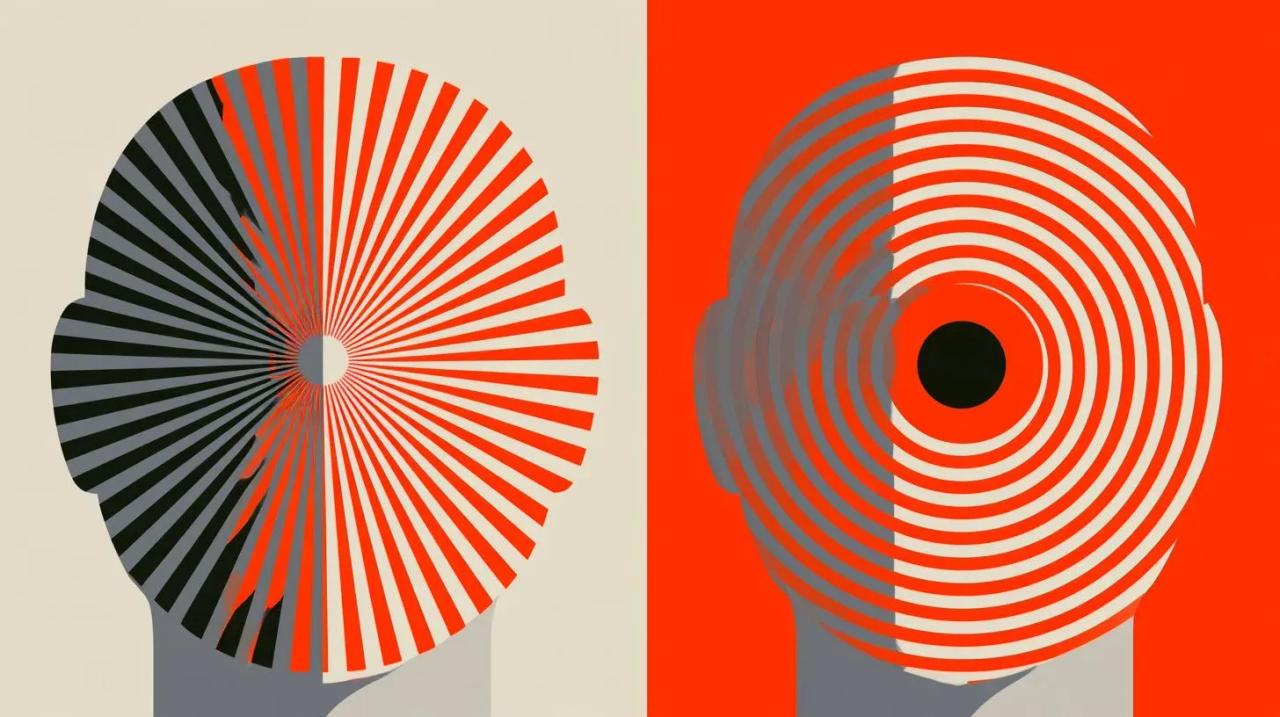
. The research team, led by Kohitij Kar, Canada Research Chair in Visual Neuroscience, tested how biological vision and artificial neural networks respond to the motion aftereffect illusion. When humans stare at continuous directional motion and then view a stationary object, they perceive it as displaced in the opposite direction—even though the physical light hitting the retina hasn't shifted2
. This gap between biological and AI vision reveals fundamental differences in how each system processes spatial information.
Source: Tech Xplore
History-Dependent Vision Versus Pixel-Perfect Accuracy
Biological vision doesn't operate like a passive digital camera. First author and graduate researcher Elizaveta Yakubovskaya explains that when human observers and macaque monkeys were exposed to motion adaptation, both reported the position-shift illusion, and neural representations in the primate inferior temporal cortex shifted accordingly
1
. The inferior temporal cortex dynamically reshapes spatial representations based on recent temporal experience, treating these perceptual shifts as adaptive features rather than flaws. Current state-of-the-art artificial vision networks, however, remained strictly tethered to static pixel coordinates, showing no adaptation whatsoever2
. While deep artificial neural networks excel at spatial object recognition in static frames, they evaluate each image primarily through feedforward processing without the continuous temporal adaptation characteristic of animal vision.Building Human-Compatible Machine Vision
The research establishes a new NeuroAI benchmark for evaluating dynamic vision models. "Today's AI vision systems are impressive, but they still do not always see the world the way we do," says Kohitij Kar
2
. The findings demonstrate that building AI systems that work safely and intuitively alongside humans requires more than getting the right answer—it demands training them on human-like perceptual computations rather than solely optimizing for static pixel accuracy. The York team combined human psychophysics with electrophysiological recordings from primate brains to pinpoint exactly where artificial and biological vision diverge1
.
Source: Neuroscience News
Related Stories

What This Means for AI Development
Neuroscientists increasingly view perceptual "mistakes" like the motion aftereffect illusion as signatures of optimal, energy-efficient biological computations. Kar emphasizes that if we want AI that works with humans and understands the world in more human-compatible ways, we cannot focus only on whether it gets the right answer
2
. The study captures the promise of NeuroAI—bringing neuroscience and artificial intelligence together to reveal the computations biological vision uses that AI still lacks. By leveraging motion adaptation to show where perceived and pixel-based positions diverge, the researchers created a benchmark to evaluate whether increasingly capable AI vision systems will become more like us or increasingly different from us. The findings not only advance understanding of the inferior temporal cortex's role in spatial information encoding but also provide actionable insights for building better, more brain-like artificial systems that incorporate visual history into their processing.References
Summarized by

Navi
[1]
[2]
Related Stories
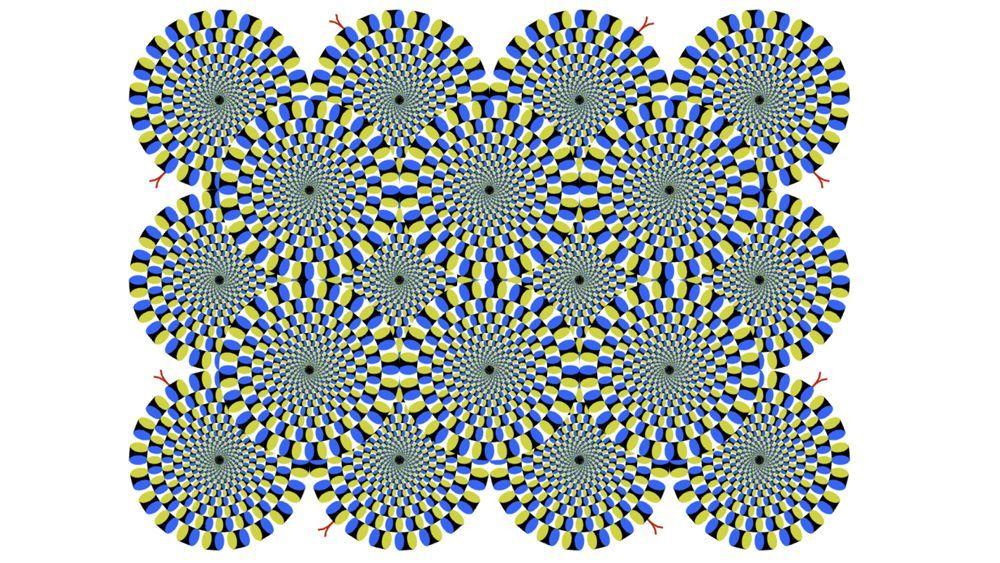
AI models fall for the same optical illusions as humans, revealing how both brains work
13 Jan 2026•Science and Research
Brain's Visual System Actively Reshapes Object Perception Based on Task Context, Study Finds
20 Apr 2025•Science and Research

Human Brain's Intuitive Navigation Outperforms AI, Offering Insights for Smarter Machines
17 Jun 2025•Science and Research
Recent Highlights
1
Microsoft and Nvidia Launch Surface Laptop Ultra: A $2,599 AI-Ready PC With RTX Spark Chip
Technology

2
Google Unveils Gemini 4 Argon AI Model, Restricts Access to Trusted Cyber Defenders
Technology
3
OpenAI Releases 722 AI-Generated Math Papers on GitHub, Igniting Fury Among Mathematicians
Science and Research
Recent Highlights
Today's Top Stories










Don’t drown in AI news. We cut through the noise - filtering, ranking and summarizing the most important AI news, breakthroughs and research daily. Follow topics that matter to you and stay ahead.


