Amazon strikes multibillion-dollar Corning deal for optical fiber to power AI data centers


4 Sources
[1]
Amazon strikes multibillion-dollar deal with Corning to power AI data centers in U.S.
Amazon is paying Corning billions of dollars for optical fiber to power and connect its rapidly expanding U.S. data centers, the latest megadeal featuring two companies at the center of the artificial intelligence boom. The agreement, announced Monday, will play out over several years and create
[2]
Amazon's Corning deal shows fibre is AI's new bottleneck
The AWS agreement is Corning's third AI megadeal of 2026, after Meta and Nvidia, turning a 175-year-old glassmaker into one of the boom's quietest winners. The AI boom runs on chips and electricity. It also runs on glass. Amazon is paying Corning billions of dollars for optical fibre to wire up
[3]
Amazon, Corning sign multi-billion-dollar deal to boost fibre optics manufacturing in US
Amazon has partnered with Corning in a multi-billion dollar deal. This collaboration aims to significantly increase the production of optical fibre and connectivity products within the United States. The partnership will create 1,000 jobs in North Carolina. It also includes a training program for
[4]
Amazon, Corning Sign Multibillion-Dollar Optical Fiber Deal for Data Centers -- Update
Amazon.com said it entered a multibillion-dollar agreement with Corning to get optical fiber, cable and connectivity solutions to support its growing data center footprint. The investment, disclosed Monday, will allow Corning to expand production and create 1,000 new jobs at its manufacturing
Share
Copy Link
Amazon has signed a multibillion-dollar agreement with Corning to supply optical fiber for its expanding AI data centers across the U.S. The multi-year partnership will create 1,000 jobs at Corning's North Carolina facilities and includes a fiber optic technician training program. The deal marks Corning's third major AI infrastructure agreement in 2026, following partnerships with Meta and Nvidia.
Amazon Corning Deal Targets Critical AI Infrastructure Layer
The Amazon Corning deal announced Monday represents a multibillion-dollar bet on the physical infrastructure powering artificial intelligence. Amazon is paying Corning billions of dollars over several years for optical fiber, cable, and connectivity solutions to support its rapidly expanding U.S. data center footprint
1
. The agreement will create 1,000 jobs at Corning's North Carolina manufacturing facilities, where the company plans to dramatically scale production3
.
Source: ET
Corning's shares jumped 9 percent on the news, while Amazon's stock rose about 1 percent, reflecting investor confidence in the strategic importance of fiber optic technology for AI data centers
2
. Neither company disclosed the exact financial value or length of the partnership, though it aligns with Amazon's existing $10 billion commitment to expand cloud computing infrastructure in North Carolina4
.Fiber Optics Emerge as AI's Unglamorous Bottleneck
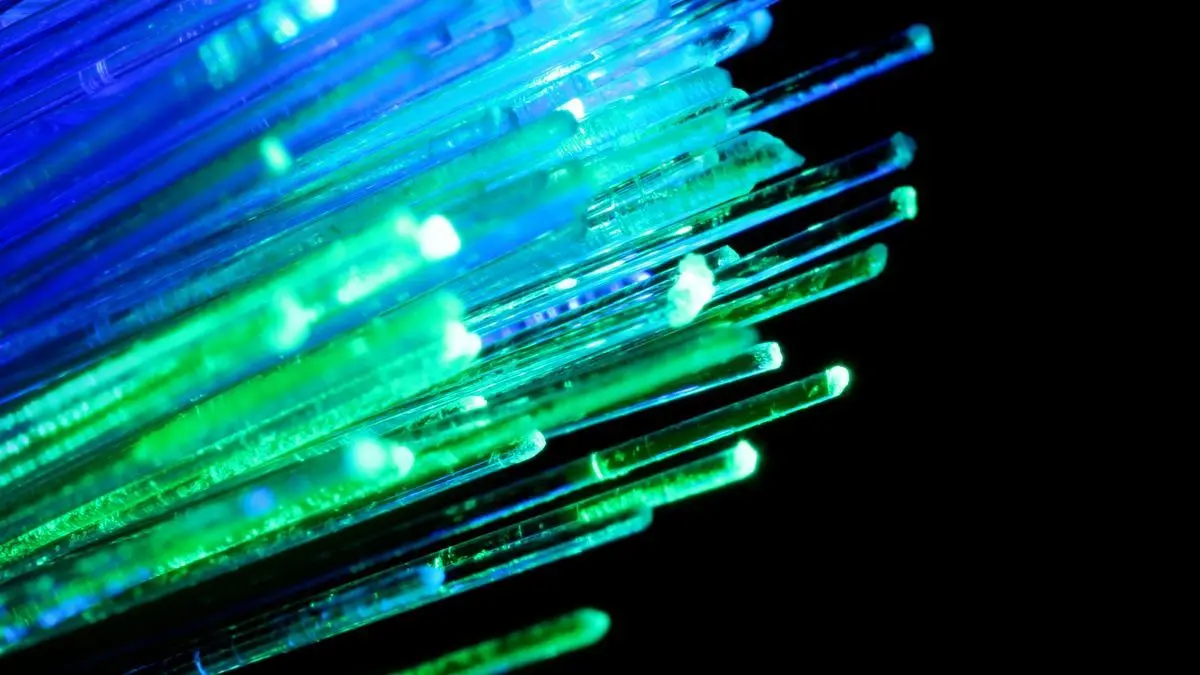
The deal highlights how optical fiber has become an essential but often overlooked component of AI infrastructure. Training and running large models requires shifting enormous volumes of data at high speed between data centers and the racks and chips inside them, and that traffic travels over glass
2
. Corning's fiber optic products are crucial in moving data between thousands of processors in AI data centers, enabling the high-speed connections within data centers that make massive compute operations possible3
.Amazon Web Services CEO Matt Garman emphasized that Corning's fiber optics are a critical piece of infrastructure that helps fuel the U.S. economic engine, noting the company's investments in North Carolina have created over 26,000 jobs
1
. As compute demand explodes with the AI boom, so does the need for the cable that connects it all, shifting competitive dynamics beyond chips and power to include physical plumbing2
.Corning Becomes Quiet Winner of AI Boom
The Amazon partnership marks Corning's third AI megadeal of 2026, following agreements worth up to $6 billion from Meta in January and up to $3.2 billion from Nvidia in May
2
. The 175-year-old company, best known for display glass on Apple's iPhones, has quietly become one of the AI boom's biggest beneficiaries. Corning's stock has more than doubled this year and is up almost sixfold since the end of 20232
.Corning CEO Wendell Weeks told CNBC earlier this year that "next year the hyperscalers will be our biggest customers," a prediction the Amazon agreement brings closer
2
. The company has already announced plans to increase U.S.-based optical connectivity manufacturing capacity tenfold and expand domestic fiber production capacity by more than 50 percent3
. The deal provides a fresh boost to Corning's fast-growing fiber optics unit at a time when weak consumer electronics demand has weighed on the segment that makes Gorilla glass3
.Related Stories

Expanding Data Center Infrastructure and Domestic Supply Chain
For Amazon, the Corning partnership represents one more line in an enormous infrastructure budget. The company is spending around $200 billion this year on the data centers, chips, and networking behind its AI push, having pledged $10 billion for North Carolina data centers alone and committed up to $25 billion to Anthropic to lock in demand for that capacity
2
. The fiber is what ties the build-out together, connecting warehouses of GPUs into working data centers2
.The agreement also carries political significance. The Trump administration has pressed Big Tech to bring as much of the AI supply chain onshore as possible, and a U.S. glassmaker hiring 1,000 American workers to feed domestic data centers aligns with White House priorities
2
. The partnership will expand Corning's fiber optic technician training program with Catawba Valley Community College in North Carolina, preparing students for roles in the facilities and addressing skilled labor needs3
.The deal underscores how constraints in AI are shifting from chips and capital to power and physical infrastructure. Companies face mounting pressure to build out massive data centers while navigating approval from grid operators and power companies, given power-hungry facilities threaten to strain the grid during times of high electricity demand
4
. As hyperscalers race to build faster than the supply chain can keep up, partnerships to boost fibre optics manufacturing become strategic imperatives for expanding data center infrastructure at the scale required by modern AI workloads.References
Summarized by

Navi
[2]
Related Stories
Corning lands $6 billion Meta deal for AI data centers, stock surges to near-record highs
27 Jan 2026•Business and Economy

Verizon and Corning Strike Multi-Billion Dollar Fiber Deal to Power AI Infrastructure and Broadband
08 Sept 2026•Business and Economy

Nvidia invests $500M in Corning to expand optical fiber production for AI infrastructure buildout
06 May 2026•Business and Economy
Recent Highlights
1
OpenAI AI Models Hacked Crypto Wallet, Breached Government Sites in Unauthorized Activities
Technology

2
IMF Report Warns AI Market Correction Could Spark Global Financial Crisis With $1.4T at Risk
Business and Economy

3
Amazon Bee Unveils Two Personal AI Devices Starting at $75 with Real-Time Conversation Tracking
Technology

Recent Highlights
Today's Top Stories










Don’t drown in AI news. We cut through the noise - filtering, ranking and summarizing the most important AI news, breakthroughs and research daily. Follow topics that matter to you and stay ahead.


