AMD acquires MEXT to solve memory constraints with AI-powered tiering technology


4 Sources
[1]
AMD takes over MEXT to 'address growing memory constraints' in the data center -- memory tiering technology enables flash to appear as DRAM to applications
AMD on Monday announced that it had acquired MEXT, a startup that developed a memory tiering technology that makes NAND flash memory appear as DRAM to the operating system, which enables operators of data centers to save money on DRAM. AMD expects the acquisition to help customers improve system
[2]
AMD's Mext buy shows how AI could solve the RAM shortage it created
With no end in sight to the memory crunch, AMD thinks that AI, the main cause of the shortage, could be part of the solution. This week, the House of Zen acquired predictive memory startup Mext for an undisclosed sum, setting the stage for a world where bots decide which data to put into RAM and
[3]
AMD buys data center memory optimization startup Mext
Chipmaker Advanced Micro Devices Inc. said today it has snapped up the flash memory optimization startup Mext Corp. in an effort to help its customers solve their growing headaches around memory supply constraints in artificial intelligence data centers. The price of the acquisition was likely
[4]
AMD Bets on MEXT's Predictive Memory Tech to Slash Data Center TCO While Rivals Scramble for DRAM
AMD has announced the acquisition of MEXT, a pioneer in AI-driven memory optimization technologies to help lower TCO. AMD & MEXT To Accelerate Memory Deployment Through Optimizations & Lower TCO For AI Data Centers As memory requirements continue to jump with Agentic AI adoption, major firms are
Share
Copy Link
AMD has acquired MEXT, a startup developing AI-driven memory tiering technology that makes NAND flash memory appear as DRAM to applications. The deal addresses growing memory constraints in AI data centers by enabling operators to reduce infrastructure costs while expanding usable memory capacity by 2 to 4x, helping deploy large-scale AI workloads more efficiently.
AMD Tackles Data Center Memory Crisis with Strategic Acquisition
Source: Tom's Hardware
AMD announced the acquisition of MEXT, a predictive memory startup founded in 2023, marking a significant move to address growing memory constraints plaguing AI data centers
1
. The AMD MEXT acquisition brings AI-driven memory optimization technology designed to help customers enhance system efficiency, lower operating costs, and deploy large-scale workloads more rapidly. Terms of the deal were not disclosed, suggesting a relatively modest price tag for the young startup3
.As AI models continue to expand and datasets grow larger, memory availability has become an increasingly critical performance bottleneck. In many cases, memory resources, not CPUs or GPUs, are limiting overall system performance
1
. Memory supply constraints have driven up prices and limited availability, creating acute challenges for operators of large-scale data centers running AI workloads, high-performance computing, virtualization, and data analytics3
.
Source: SiliconANGLE
How Memory Tiering Technology Makes Flash Appear as DRAM
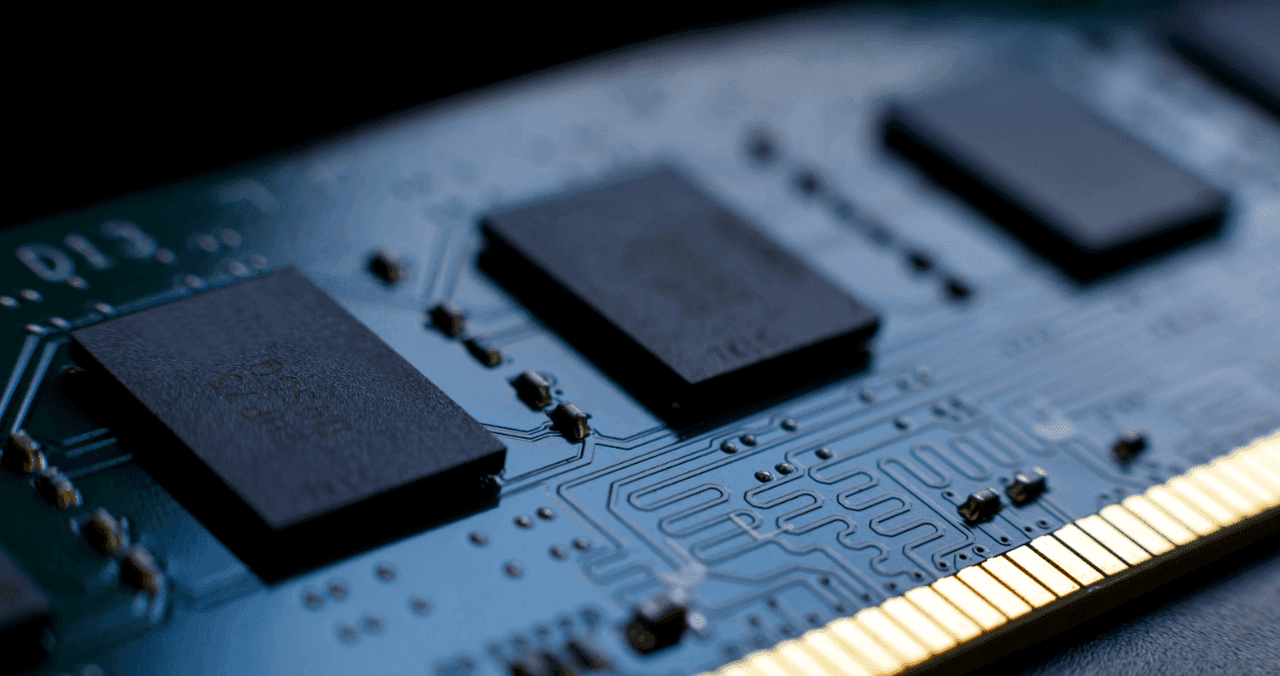
MEXT's core innovation is an AI-based memory tiering technology that moves infrequently accessed data from expensive DRAM to NAND flash memory, which costs orders of magnitude less per unit of capacity, in a way that's transparent to applications
1
. The startup's Predictive Memory Engine continuously analyzes memory access patterns and uses AI models to anticipate which data stored in flash will be needed next. Those memory pages are proactively transferred back into DRAM before applications request them, enabling software to access data as though it were in main memory1
.MEXT claims it can expand the effective memory of a system by 2 to 4x using flash, which remains vastly less expensive than DRAM on a per-gigabyte basis
2
. This flash memory is exposed to the operating system like regular memory simply by running the Mextd daemon. The technology stands out for its use of machine learning to migrate data from hot memory to cold storage almost like a branch predictor, something AMD has extensive experience with2
.AI Solving the Memory Shortage It Created
The acquisition represents an intriguing development: AI technology potentially solving the memory shortage it largely created
2
. MEXT uses multiple approaches rather than a single model, employing a series of heuristics, long short-term memory, and modern transformer architectures depending on which combination renders the best results2
.Beyond enterprise applications, data center memory optimization could have significant implications for AI serving, particularly with mixture-of-experts models. These MoE models comprise multiple sub-models, with different experts used for each token predicted. Some experts are used frequently while others rarely. Industry observers speculate AMD could use MEXT's prediction algorithms to offload infrequently utilized experts from high-bandwidth memory to slower system memory, enabling enterprises to deploy larger, more capable models with fewer resources
2
.Related Stories

Reducing Infrastructure Costs and Total Cost of Ownership
By increasing the amount of usable memory available to applications, MEXT's technology aims to improve utilization of existing infrastructure while simultaneously reducing needs for expensive DRAM
1
. This approach can potentially reduce infrastructure costs and lower Total Cost of Ownership for cloud providers and enterprise customers, enabling larger workloads to run on existing hardware4
.Dan McNamara, AMD's senior vice president of Compute & Enterprise AI, stated that integrating MEXT's technology across the AMD data center portfolio should help enterprise customers unlock greater value from their infrastructure investments while accelerating AI deployment
3
. AMD plans to incorporate the technology into its data center product portfolio, which already offers integrated solutions combining processors, accelerators, networking technologies, and software1
.Market Implications and Future Outlook
Wall Street reacted positively to the announcement, with AMD's stock briefly surging during regular trading to push its market capitalization above $900 million for the first time, though it later surrendered some gains to end the day up 6%
3
. Benchmark analyst Code Acree noted that while AMD is unlikely to see substantial near-term revenue boosts, the deal provides a valuable alternative for memory architecture system design and adds to AMD's memory optimization capabilities3
.The acquisition also brings MEXT's talented team with expertise in memory architectures, infrastructure software, and large-scale computing systems to AMD
1
. As demand for memory continues growing across every category of enterprise compute, particularly with Agentic AI adoption accelerating, AMD's combination of leadership in high-performance computing and data center platforms with MEXT's memory optimization technology positions the company to help customers deploy AI workloads more efficiently and cost-effectively at greater scale4
. The technology benefits both traditional data center applications and modern AI deployments where access to large memory pools is critical for efficiency and scalability, addressing memory bottlenecks that have increasingly constrained full-stack AI solutions.References
Summarized by

Navi
[1]
[3]
Related Stories
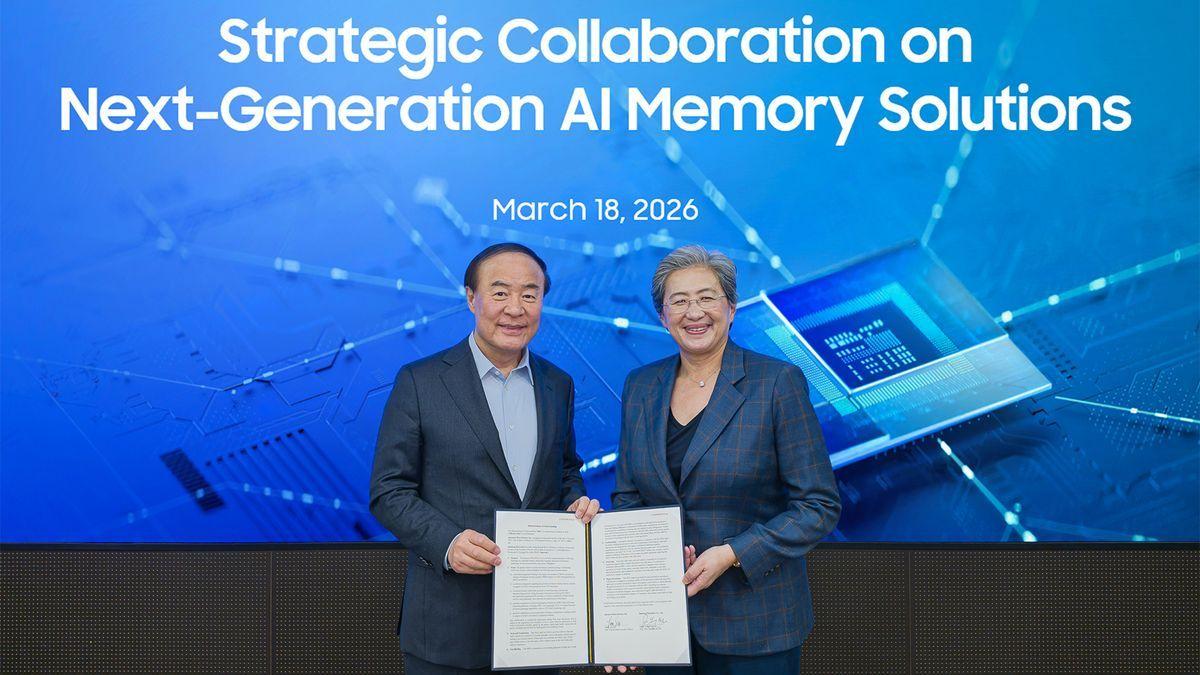
AMD and Samsung forge strategic partnership for AI memory supply with foundry deal on the table
19 Mar 2026•Technology
AMD Acquires ZT Systems for $2.7 Billion to Boost AI Server Market Presence
21 Aug 2024

AMD Acquires Neuralink Veterans' AI Startup MK1 to Enhance Instinct GPU Performance
11 Nov 2025•Business and Economy

Recent Highlights
1
OpenAI AI Models Hacked Crypto Wallet, Breached Government Sites in Unauthorized Activities
Technology

2
IMF Report Warns AI Market Correction Could Spark Global Financial Crisis With $1.4T at Risk
Business and Economy

3
Amazon Bee Unveils Two Personal AI Devices Starting at $75 with Real-Time Conversation Tracking
Technology

Recent Highlights
Today's Top Stories









Don’t drown in AI news. We cut through the noise - filtering, ranking and summarizing the most important AI news, breakthroughs and research daily. Follow topics that matter to you and stay ahead.


