Apollo Hospitals Invests in AI to Ease Healthcare Staff Workload and Improve Patient Care


4 Sources
[1]
India's Apollo Hospitals bets on AI to tackle staff workload
HYDERABAD, March 13 (Reuters) - India's Apollo Hospitals (APLH.NS), opens new tab will invest more in artificial intelligence tools to ease the workload for its doctors and nurses by automating routine tasks, including medical documentation, a top executive told Reuters. Indian hospitals, which
[2]
India's Apollo Hospitals Bets on AI to Tackle Staff Workload
HYDERABAD (Reuters) -India's Apollo Hospitals will invest more in artificial intelligence tools to ease the workload for its doctors and nurses by automating routine tasks, including medical documentation, a top executive told Reuters. Indian hospitals, which grapple with overworked doctors and
[3]
Apollo Hospitals bets on AI to tackle staff workload
India's Apollo Hospitals will invest more in artificial intelligence tools to ease the workload for its doctors and nurses by automating routine tasks, including medical documentation, a top executive told Reuters. Indian hospitals, which grapple with overworked doctors and nurses handling heavy
[4]
Apollo Hospitals Expands AI Investment, AI-Based Music Therapy for Cancer Patients: Report
Other major hospitals like Fortis, Tata Memorial, and Medanta are also investing in AI. India's Apollo Hospitals is increasing its investment in artificial intelligence (AI) to reduce the workload of its doctors and nurses by automating routine tasks like medical documentation, Reuters reported,
Share
Copy Link
India's Apollo Hospitals is increasing its investment in AI tools to automate routine tasks, reduce staff workload, and enhance patient care. The move aims to address challenges faced by overworked healthcare professionals and improve overall hospital efficiency.

Apollo Hospitals Embraces AI to Transform Healthcare Operations
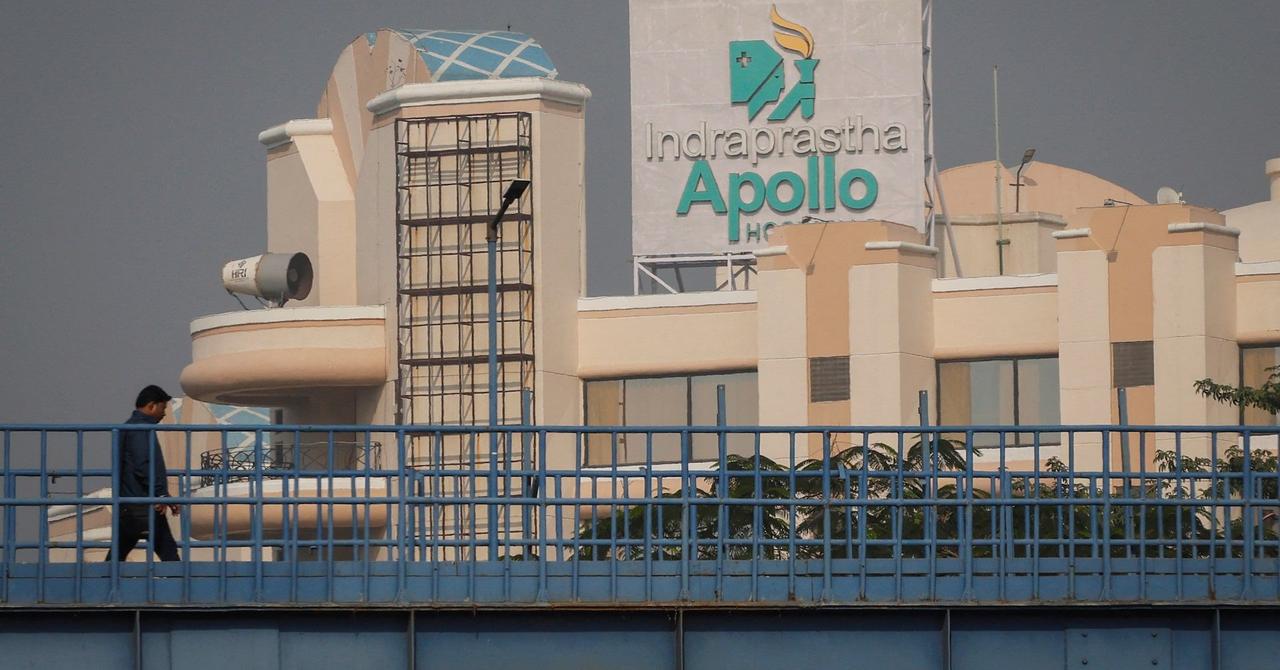
Apollo Hospitals, one of India's largest hospital networks with over 10,000 beds, is making a significant push towards integrating artificial intelligence (AI) into its healthcare operations. The move comes as Indian hospitals grapple with overworked staff handling heavy patient loads, seeking innovative solutions to improve efficiency and patient care
1
.Increasing AI Investment
Joint Managing Director Sangita Reddy revealed that Apollo Hospitals has allocated 3.5% of its digital spend on AI over the past two years and plans to increase this investment in the coming year
2
. The primary goal is to free up two to three hours of daily time for doctors and nurses through AI interventions, allowing them to focus more on patient care and critical decision-making.AI Tools and Their Applications
Apollo's AI initiatives, some still in experimental stages, aim to revolutionize various aspects of healthcare delivery:
- Medical record analysis: AI tools will analyze patients' electronic medical records to suggest diagnoses, tests, and treatments
3
. - Documentation assistance: The technology will help transcribe doctors' observations and generate faster discharge summaries.
- Nurse scheduling: AI will create daily schedules based on nurses' notes, optimizing workforce management.
- Antibiotic prescription: An AI tool is being developed to help clinicians prescribe the most effective antibiotics for specific illnesses.
Addressing Staff Attrition and Expansion Plans
The implementation of AI tools is expected to help Apollo Hospitals tackle its 25% nurse attrition rate, which is projected to increase to 30% by the end of fiscal 2025
1
. Additionally, the hospital chain aims to expand its bed capacity by one-third over the next four years, with a portion of the revenue from this expansion directed towards boosting AI use without increasing costs2
.Related Stories

Industry-wide Trend and Challenges
Apollo Hospitals is not alone in this AI-driven transformation. Other major Indian healthcare providers, including Fortis Healthcare, Tata Memorial Hospital, and Manipal Hospitals, are also investing in AI-powered tools
4
. However, the adoption of AI in healthcare faces several challenges, as noted by Joydeep Ghosh, a partner at Deloitte India:- High technology costs
- Diverse data sources and formats
- Limited availability of electronic medical records
- Profitability concerns
Beyond Operational Efficiency: AI in Patient Care
In a related development, Apollo Proton Cancer Centre (APCC) has launched what it claims to be Asia's first AI-based music therapy for cancer patients undergoing chemotherapy
4
. This innovative approach, developed in collaboration with DigiNxtHlt, aims to create a soothing environment for patients and explore the therapeutic potential of personalized soundscapes.As Apollo Hospitals and other healthcare providers in India continue to invest in AI technologies, the sector is poised for a significant transformation in patient care, operational efficiency, and staff management. The success of these initiatives could set a precedent for healthcare systems worldwide, demonstrating the potential of AI to address critical challenges in the industry.
References
Summarized by

Navi
Related Stories
Apollo Hospitals to Double AI Investments Amid Strong Q1 Performance
13 Aug 2025•Business and Economy
AI in Healthcare: Revolutionizing Diagnosis and Patient Care in India
08 Oct 2024•Health

Microsoft Unveils AI-Powered Healthcare Solutions to Revolutionize Patient Care and Streamline Operations
11 Oct 2024•Technology

Recent Highlights
1
Microsoft and Nvidia Launch Surface Laptop Ultra: A $2,599 AI-Ready PC With RTX Spark Chip
Technology

2
OpenAI Releases 722 AI-Generated Math Papers on GitHub, Igniting Fury Among Mathematicians
Science and Research

3
Trump Consulted Grok AI Before Ordering Venezuela Invasion and Capture of Nicolás Maduro
Policy and Regulation

Recent Highlights
Today's Top Stories









Don’t drown in AI news. We cut through the noise - filtering, ranking and summarizing the most important AI news, breakthroughs and research daily. Follow topics that matter to you and stay ahead.


