17 Sources
[1]
Apple plans to make iOS 27 a Choose Your Own Adventure of AI models | TechCrunch
When iOS 27 is released later this year, iPhone users will reportedly have a lot of choice when it comes to which AI models they want to use on-device. A new report from Bloomberg says that Apple plans to give users their pick of a number of third-party large language models that will be capable of powering various functions within the iPhone's operating system. The new feature, dubbed "Extensions" internally, will allow users to "access generative AI capabilities from installed apps on demand, through Apple Intelligence features such as Siri, Writing Tools, Image Playground and more," reads a message reportedly shown in test versions of the software. The new capability will also be available for iPadOS 27 and macOS 27, the outlet writes, adding that models from Google and Anthropic are being tested now. Less clear is where ChatGPT stands. Since it is currently the model available to users, one implication is that it will remain a choice. TechCrunch reached out to Apple for more information. With long serving CEO Tim Cook soon stepping down, Apple's incoming top executive, John Ternus, is tasked with charting the future of the company -- including its AI strategy. The company is widely perceived to be "behind" on AI, as it is not launching as many new AI services as some of its peers. However, Apple is still bringing in a generous amount of AI-based revenue and its plan is less about spending money building out AI infrastructure and services than it is about turning its already existing hardware into an AI-centric experience for users.
[2]
Apple could let you pick a favorite AI model in iOS 27
The next update to Apple's operating systems could allow users to choose their preferred AI model for running Apple Intelligence. According to Bloomberg's Mark Gurman, Apple is planning to allow third-party chatbots to power its AI features system-wide in iOS 27, iPadOS 27, and macOS 27, all expected for this fall. In addition to running Siri, compatible third-party AI models, called "Extensions," will also now be able to run other Apple Intelligence features like Writing Tools and Image Playground. According to Gurman, Apple will also allow users to choose different Siri voices for different AI models -- Siri responses from one of Apple's AI models could have one voice, while an instance of Siri running on ChatGPT could use another voice. Users will be able to "choose from AI model providers that opt in by adding support through their App Store apps." Once a compatible AI app is installed, users will be able to set it as their preferred AI through the Settings app. Gurman says Apple is already internally testing integrations with Google and Anthropic's AI models. Google's models are also the backbone of Apple's upcoming Siri revamp, but so far ChatGPT has been the only third-party AI model integrated into Apple Intelligence, which may not be the case much longer.
[3]
Apple to let users choose rival AI models across iOS 27 features, Bloomberg News reports
May 5 (Reuters) - Apple (AAPL.O), opens new tab will allow users to select from third-party artificial intelligence models for tasks such as generating and editing text and images, across its iOS 27 features, Bloomberg News reported on Tuesday. The change is slated for iOS 27, iPadOS 27 and macOS 27 this fall, the report said, citing people with knowledge of the matter. Within iOS 27, Apple refers to this capability as "Extensions" that lets users to choose which AI services they want to power Apple Intelligence features through the Settings app. The update will allow users to select from AI model providers that opt in by adding compatibility through their App Store applications. To date, Apple has been internally testing integrations with at least Alphabet's (GOOGL.O), opens new tab Google and Anthropic, the report said. Apple did not immediately respond to a Reuters request for comment. The development comes as Apple looks to close the gap with rivals Alphabet and Microsoft (MSFT.O), opens new tab, which have moved faster to roll out AI features. Google's Gemini is expected to power Apple's revamped Siri coming this year. Apple is scheduled to hold its annual software developer conference in June, where it is expected to reveal more details about its AI plans. Last week, the tech giant said it expects sales growth of 14% to 17% in the third quarter, above Wall Street estimates of 9.5% growth, touting blowout demand for its flagship iPhone 17 and the MacBook Neo. Reporting by Juby Babu in Mexico City; Editing by Shilpi Majumdar Our Standards: The Thomson Reuters Trust Principles., opens new tab
[4]
Apple Intelligence will reportedly let you choose third-party AI models in iOS 27 - Engadget
It has taken a long time, but Apple seems to be settling into its AI strategy at last and the key seems to be offering options. According to the latest report from Mark Gurman at Bloomberg, Apple plans to let users pick from a lineup of third-party models when asking their devices to perform generative AI tasks. This change is planned to arrive in iOS 27, iPadOS 27 and macOS 27, sources told the publication. AI companies that opt in and add support to their App Store programs will be available to power Apple's AI tools in what the company is internally calling Extensions. "Extensions allow you to access generative AI capabilities from installed apps on demand, through Apple Intelligence features such as Siri, Writing Tools, Image Playground and more," a message in test versions of the software reportedly read. We'd already gotten a hint earlier this year that choice would be a watchword for some portion of the company's plan for Apple Intelligence. Bloomberg reported in March that Apple's AI chatbot-to-be would support selecting from different AI models. And for the past few years, ChatGPT has been a growing part of Apple Intelligence, with OpenAI's platform available to handle some gen-AI tasks. Apple's artificial intelligence slow play has gotten a lot of attention and raised a lot of eyebrows. The strategy now appears to be offering users flexibility and options rather than developing an in-house model powerful enough to compete directly with the chatbots that have been on the market over the past few years. It's an unusual tactic for a company that has historically embodied the walled garden approach to tech, but given the number of delays and false starts, maybe this is the way Apple can at least become a real part of the AI conversation.
[5]
If You Plan to Get an iPhone in the Fall, Don't Get Too Attached to ChatGPT
Siri has never been known for being particularly smart, but Apple is hoping to fix that reputation with its next iOS update by letting you pick the assistant's brain. According to a report from Bloomberg, iOS 27 will give iPhone users the ability to swap in their AI model of choice to serve as the default across many of Apple's AI-driven features, including its infamous assistant. Per the report, Google's Gemini will be the default choice for Apple Intelligence features like Writing Tools, Image Playground, and Siri. But the company will also be introducing "Extensions," which will allow users to install the apps of other AI models and then use those to power parts of the Apple Intelligence suite. That means third-party options like Anthropic's Claude will be available to plug in and play within the iOS ecosystem. This move has been rumored for a while now, and it fits nicely with Apple's chosen approach to AI in general. While its rollout of AI features has been a bit of a mess, regularly missing deadlines for anticipated AI offerings and requiring a significant shakeup in its executive ranks to get everything in order, the company has landed on an option that'll probably serve its users well: choice. Last year, it was revealed that Apple would pay $1 billion to make Google's Gemini its go-to model for making Siri smarter. But the fact that the company is opening its platform to other players will give users optionality at a time when AI companies are trying to lock in users as best they can. Apple, of course, still gets plenty of benefit: It'll skim a nice fee off every subscription that is driven through the App Store. So when someone signs up for Claude to use it through Siri, the company will get a cut. The big loser here is OpenAI. While it'll still be an option in the Apple ecosystem via Extensions, it'll lose its current status as the only third-party model that plays nice with Apple Intelligence. It's also losing out on what once seemed like a sure-thing exclusive as the backbone of Apple's AI offerings. The company got in early with Apple and seemed destined to lock up the iOS ecosystem and, at the very least, have a deal similar to the one Apple ultimately entered with Google. Now it's on its way to just being another AI model in the crowd.
[6]
Apple may have just made one of the most important new Siri announcements
Apple's painfully slow launch of the new Siri has become such a long-running saga, it seems to have all the makings of a movie - though probably not one we will see launch on Apple TV. The announcement at the start of this year that it will be powered by Google's Gemini models finally gave us reason for optimism, and the latest Apple AI news could be an equally important development ... Even the most supportive of Apple commenters reached the end of their patience after Apple advertised new Siri features as if they were imminent way back in 2024 and then had to admit that they very much weren't. It's now 2026 and we're still waiting. The first piece of good news came at the beginning of this year, when Apple confirmed reports that it was teaming up with Google to use Gemini AI models to power future Siri features. Google's Gemini model offers exactly the kind of personalized intelligence long promised by Apple. The big difference was that Google didn't just have slick promotional videos - the company instead launched a beta version of its Personal Intelligence feature. Personal Intelligence can retrieve specific details from text, photos, or videos in your Google apps to customize Gemini responses. This includes Google Workspace (Gmail, Calendar, Drive, etc), Google Photos, your YouTube watch history, and of all of the various Google search services you've used (Search, Shopping, News, Maps, Google Flights, and Hotels). The Apple version will of course pull information from Apple apps like Mail, Calendar, Photos, and Notes. Moving from Apple's vaporware to demonstrable services was a huge step along the way to actually delivering the new Siri. A Bloomberg report last month said that Siri would be able to integrate with other third-party AI chatbot apps, and a follow-up yesterday provided more detail. This will let iPhone users choose from multiple third-party models from companies like Google and Anthropic, including the ability to set custom voices in Siri depending on which external model is responding [...] For example, Google and Anthropic could add support for this Extensions system to the Gemini and Claude apps, respectively. Then, users could choose to use those models to power features like Siri, Writing Tools, and more. That's great news for three reasons. First and most obviously, we are not dependent on the progress made by Apple Intelligence. The Cupertino company may or may not eventually seek to power all of its AI features using in-house models, but either way we don't have to wait for that to happen. Second, many of us have our own personal preferences for AI chatbots, and have built up a history with those, which serves as context for further interactions. My current preferred AI app, for example, is Claude, and I've been sufficiently impressed with it to recently convert my monthly subscription to an annual one. Sure, it suffers from all of the generic AI chatbot problems I know half a dozen commenters are furiously writing about after reading no further than the above paragraph. I always verify claimed facts by checking out the source links it provides, but I find it really helpful for things like brainstorming ideas. Third, competition between AI chatbots is one of the main things driving improvements to them. Each time one of the players introduces a new model, that spurs on the others to catch up with - and ideally overtake - the new capabilities introduced. Having the flexibility to choose our model at will across competing providers is ideal. Yes, if Apple does ever launch its own AI models which are competitive with those offered by the current leading players, then I will likely choose to use those. The company ought to be able to integrate more deeply with its own apps and services, and I trust its privacy promises more than those of the other players. But I will be very happy to have the choice. What's your view? Please share your thoughts in the comments.
[7]
iOS 27 Will Let You Pick Claude or Gemini Instead of ChatGPT for Apple Intelligence
Apple has signed a deal with Google and plans to use a Gemini-based model for Apple Intelligence and Siri features in iOS 27, but users will also be able to choose their favorite AI service as an alternative. Apple has already partnered with OpenAI to make ChatGPT available in lieu of Apple's built-in options for Siri, Writing Tools, and Image Playground on iOS 26, but in Apple's upcoming software updates, other third-party chatbots like Claude and Gemini will also be available. Instead of being limited to ChatGPT, users will select their preferred AI service. Users can choose any AI provider that adds support for Apple's new iOS 27, iPadOS 27, and macOS 27 "Extensions" feature. From Bloomberg: "Extensions allow you to access generative AI capabilities from installed apps on demand, through Apple Intelligence features such as Siri, Writing Tools, Image Playground and more," according to a message shown in test versions of the software. Apple also plans to let users choose voices from third-party AI services for Siri, which would make it clearer whether Siri or another AI product like Gemini is responding. Siri would use one voice, while responses from third-party AI options would use another voice. Apple has many other AI-related changes planned for iOS 27, with details available in our iOS 27 roundup.
[8]
Apple is about to let you replace its AI with ChatGPT, Gemini, and Claude -- and it could change the iPhone forever
Apple Intelligence will offer a broader AI lineup than you might expect * Apple Intelligence will let you choose which AI models power its features * iPhones using Apple Intelligence will be open third-party systems like Google and Anthropic instead of relying on a single default * It will mean the end of OpenAI's exclusive role in Apple Intelligence Apple is going to give you a choice of AI models to power the Apple Intelligence features rolling out to its devices instead of just sticking to a single default, according to a report in Bloomberg News. Allowing users to select from multiple third-party models is a major departure from Apple's usual strategy of tightly controlled experiences. It's more reminiscent of how Android and other operating systems have functioned than the closely guarded Apple Store options. The options are called Extensions and are coming to iOS 27, iPadOS 27, and macOS 27 this fall. The Extensions will offer a choice of AI models for writing, image generation, and even voice conversations. Instead of one assistant responding to every request, the system could route queries to different providers depending on a user's preferences. It's part of Apple's larger plans for revamped AI features, including a suite of new tools for Photos and a complete redesign of Siri. Platform over product Apple has reportedly already tested integrations with systems from Google and Anthropic. Those partnerships would sit alongside Apple's models, which will still run features built into the device. No single company leads in every aspect of AI, as the plan tacitly acknowledges. Allowing outside models to plug into its ecosystem means Apple can offer more advanced AI tools without needing to build each one itself, something the company has struggled to do at the pace of its new partners. It enables Apple to keep pace with rapid developments across the industry while maintaining control over how those tools are presented. And for those companies, Apple's ecosystem offers scale that is difficult to match elsewhere. Even a limited integration could bring a large audience to alternative models, accelerating competition within the space. The extra decisions of AI models will likely appeal to those who want some flexibility in their AI options. On the other hand, some people like Apple because the company promotes the idea that all of its features have been curated so that you automatically get the best option. It removes the streamlined simplicity of Apple's operating systems, which is a major draw for some customers. ChatGPT dethroned Notably, Apple's plan means that OpenAI, whose ChatGPT system currently serves as the primary external AI option for Apple devices, will lose its exclusive position. That exclusivity has been valuable for OpenAI, but the new strategy means ChatGPT will simply be one choice among many. Of course, Apple's reduced control means users might not be able to assume that everything the AI tools produce has been approved by the company. Apple will have to make it clear it isn't responsible for content generated by third-party AI models even as it points users to compatible AI apps within the App Store. A lot of companies take their cues from Apple's design decisions. This call suggests that in the current phase of AI, control may matter less than access. By making its devices a place where different models can coexist, Apple is betting that flexibility will be more valuable than exclusivity. Follow TechRadar on Google News and add us as a preferred source to get our expert news, reviews, and opinion in your feeds.
[9]
iOS 27 will let users pick third-party AI models, report says
This next year or so is gearing up to be a big one for Apple. Case in point: Just this week, Mashable previewed the new features coming to iOS 26.5, and now there's already major news about what's coming in iOS 27. According to a new report from Bloomberg's Apple insider Mark Gurman, Apple will soon let its users choose exactly which third-party AI models that they want to utilize with Apple Intelligence. Apple is reportedly launching an "Extensions" feature, which will let AI companies opt-in and enable support for the feature through their App Store applications. If and when companies like Google, OpenAI, and Anthropic enable Extensions for Gemini, ChatGPT, and Claude, respectively, users will be able to select those AI models for Apple Intelligence's Writing Tools, Siri voice assistant, Image Plaground, and more. Gurman says that third-party AI tools would be able to power Siri's feature set with their own distinctive voices answering prompts. Apple's own Siri would be able to join in with its own distinct voice as well, though this will likely be powered by Google Gemini. This feature is scheduled to launch with iOS 27 for iPhone along with iPadOS 27 and macOS 27. iOS 27 will likely be announced at WWDC in June and then released later this year around the same time as Apple's big iPhone event, where the company is slated to unveil iPhone 18 and potentially the brand new iPhone Fold. Want to learn more about getting the best out of your tech? Sign up for Mashable's Top Stories and Deals newsletters today. Apple had received criticism over the past few years regarding its lack of AI strategy, and the company has largely been left out of the AI arms race. However, as its competitors have poured hundreds of billions of dollars into developing AI models and infrastructure, Apple has opted to partner with companies like Google and OpenAI, letting its customers reap some of the benefits of AI without spending massive amounts of money. Of course, Apple's lack of AI technology has also cost the company. Apple recently settled a lawsuit for $250 million over claims that it exaggerated the abilities of Apple Intelligence.
[10]
iOS 27 could treat AI models like default apps, and that may finally get me to use Apple Intelligence
While Android locks you into Gemini and Windows defaults to Copilot, Apple's iOS 27 is reportedly handing you the controls for the very first time. Most people who use AI daily, including me, have already found their preferences. I use a paid Claude subscription to help with my editorial chores (headline brainstorming, fine-tuning the tone, etc.), while Gemini is my go-to AI model for image generation and background research, especially when I want to go deep on a topic. Maybe you use Perplexity for search or ChatGPT for code, and that's absolutely fine, as it only boosts your productivity and gets you the right information faster. The problem is, the operating system on your phone or laptop isn't aware of your choice, and until now, it didn't even care before imposing its own choice of AI. Recommended Videos In the corporate world, we call this partnerships. Most Android manufacturers, including Samsung and OnePlus, have partnered with Google to integrate Gemini on their devices. Windows, on the other hand, gives you Copilot, whether you take it or leave it. Apple, reportedly, is about to do something neither of them has bothered to ask, much less execute: which AI do you actually want to use, and where? The days of your phone choosing an AI for you are almost over The moment you look at what Android and Windows are doing, the contrast gets stark fast. According to Bloomberg's Mark Gurman, iOS 27 will introduce a new feature that Apple internally calls "Extensions." It will let you select your preferred AI model for a specific Apple Intelligence tool without simply surrendering to whatever AI model the company decides to install. When iOS 27 arrives, you should be able to head into Settings, assign your preferred third-party AI model to an Apple Intelligence feature (Writing Tools, Image Playground, etc.), and iOS 27 takes it from there. Siri also gets the same treatment, letting you select the AI model that handles your requests at the backend. The moment iOS 27 lands on my iPhone 17, I am going to select Claude as the AI model of my choice for Writing Tools and Gemini for Image Playground. This isn't just a regular choice, but a frictionless, system-level choice. You set it once, and every time you invoke the Apple Intelligence tool, your preferred AI model shows up. No switching of apps or copy-pasting prompts and outputs across windows required. That's what true model portability looks like in practice, and in my frank opinion, it's a more coherent solution than anything Android or Windows has ever implemented. On Android and Windows, my favorite AI is always one detour away Let's say that you're using the AI-powered text processing tools on a Samsung Galaxy smartphone. Galaxy AI offers you quite a lot of them, including Writing Assist, Note Assist, and Call Assist, but all of them are powered by Google's Gemini. What if I want to use Claude in Samsung Messages to write a message? I have to exit the app, open Claude's app or web version, paste the text, type in a prompt, copy the output, return to the Messages app, paste it, and send it. Want a different model to summarize your meeting notes in Samsung Notes? I've to take the same detour. I know, it's tiring to even read that. Imagine millions of users doing this every single day, just to use their preferred AI model. On Windows, Copilot is baked into Notepad and Paint, and there's absolutely no other choice for everyday users. Motorola deserves some credit for going further than most Android OEMs, as it allows users to access Gemini, Copilot, Perplexity, and Meta's Llama AI via Moto AI. However, the company has already decided and tied each AI model to a specific use case. For instance, Llama powers Catch Me Up, and Copilot handles quick questions and answers, while Gemini handles photo analysis. Exciting, right? But I didn't choose any one of those. The platforms hand you an AI ecosystem to ease your digital pain, but what they've actually built is a walled garden. Apple isn't winning the AI race: It's building the track Apple's approach, on the other hand, treats your AI preference the way iOS already treats default browsers or email apps: as a user setting. That, in my opinion, is real democratization at work here. It is the right to choose which AI is genuinely useful to me, not whichever scores highest on a benchmark. To understand how Extensions could actually materialize in practice, any AI company could opt in and add support through their App Store app, which then becomes available as an engine inside Apple Intelligence. Once we install the app, it surfaces as an option inside Settings. From there, you can route an Apple Intelligence tool to whichever model you trust the most for that specific task. While the company's in-house models stay intact, the option to outsource a query to third-party models sits as a layer on top. Further, we could also get a dedicated App Store section, which will highlight the compatible AI apps. Here's where it gets even more interesting for Apple as a business. So far, the company has been fairly criticized for lagging in the AI race. However, opening up its platform of over 2.5 billion active devices, including iPhones, iPads, and MacBooks, to Claude, Gemini, and whoever qualifies may turn that weakness into its most lucrative strength. The iPhone-maker already takes its standard 30% cut on App Store subscriptions, but if you extend this to every Claude Pro or Gemini Advanced subscription processed through iOS, suddenly, Apple doesn't really need to win the AI race. It just needs to own the racetrack. Remember, none of it is officially confirmed by Apple. But we're pretty close to WWDC 2026, and that's when Apple could officially announce the transition from becoming an AI-first company to an AI-agnostic platform, one that profits from all of them.
[11]
iOS 27 will let you choose between Gemini, Claude, and more for AI features: report - 9to5Mac
iOS 27 will give users a new way to integrate with third-party AI platforms, according to a new report. This will let iPhone users choose from multiple third-party models from companies like Google and Anthropic, including the ability to set custom voices in Siri depending on which external model is responding. According to Blomberg, Apple is referring to this new capability as "Extensions" as part of iOS 27. In test versions of iOS 27, Apple explains that Extensions "allow you to access generative AI capabilities from installed apps on demand, through Apple Intelligence features such as Siri, Writing Tools, Image Playground and more." The report explains: Apple Inc. will let users choose from a range of outside artificial intelligence services to power features across its software, building on a strategy to turn its devices into a comprehensive AI platform. Users will be able to select from multiple third-party AI models for tasks like generating and editing text and images, according to people with knowledge of the matter. The change is slated for iOS 27, iPadOS 27 and macOS 27 this fall, said the people, who asked not to be identified because the plans are private. Users will be able to choose from AI models that enable support through their App Store apps. For example, Google and Anthropic could add support for this Extensions system to the Gemini and Claude apps, respectively. Then, users could choose to use those models to power features like Siri, Writing Tools, and more. This is in addition to Apple's deal with Google to use Gemini to power native Siri and Apple Intelligence features. Today's report also follows a Bloomberg report from March, which explained how the Extensions system will work with Siri itself. What's new today is how the system will work with broader Apple Intelligence features beyond the voice assistant. Apple added ChatGPT integration as part of iOS 18, using it as a fallback for world knowledge queries in Siri. ChatGPT is also accessible via things like Image Playground. Speaking of Siri, today's report also says that iOS 27 will let users choose different voices for each AI model: Another enhancement will let users choose different voices for Siri conversations powered by external models. Queries handled by Apple's own system could use one voice, while responses from third-party models -- such as Anthropic's Claude -- could use another. iOS 27 will be introduced at WWDC, which kicks off on June 8. What do you think of Apple's plans for iOS 27 so far? Let us know down in the comments.
[12]
iOS 27 could let users pick an AI model of their choice for text and image tasks
Apple isn't racing to build the smartest AI; it's building the best stage for others to perform on, and iOS 27 might just be opening night for a very crowded cast. There's going to be a significant shift in how AI works across Apple's devices, and you're going to be at its center. According to Bloomberg's Mark Gurman, iOS 27 and its major siblings (iPadOS 27 and macOS 27) will allow users to select from competing third-party AI models to handle tasks across core Apple Intelligence features. I'd like you to think of it as using your TV's remote to set the desired channel and watch it, except the remote is iOS 27 and the channels are some of the most popular AI models that you've been using elsewhere. What exactly is Apple changing here? The feature is internally called "Extensions." It will let you head into Settings and choose which AI service powers the Apple Intelligence tools on your device. These include Writing Tools (for proofreading and summarizing), Image Playground (for generating stickers, funny images, etc.), and, most importantly, Siri. Recommended Videos It's like choosing the default search engine or the default app for streaming music. You should be able to select AI models from providers that opt in through their App Store apps. The report mentions that Apple has already conducted test runs with Google and Anthropic, making Gemini and Claude likely early options. Users will also be able to assign different Siri voices depending on which AI model is handling the backend. How does this matter for you? Until now, OpenAI's ChatGPT has been the only external AI option baked into Apple Intelligence, enjoying exclusive reach across over two billion active devices. However, with multiple AI models on the same device, ChatGPT might lose that position. The report adds how ChatGPT engagement on Apple devices came short of what both companies anticipated. It also looks like they're growing apart, as reports that OpenAI is actively poaching Apple engineers for its own hardware plans have been circulating online. For everyday users, the payoff here is real choice. You'll actually have control over assigning an AI model to a particular Apple Intelligence tool and use it or change it at your will. In my opinion, Apple's pivot from AI builder to AI marketplace is a calculated hedge, allowing the company to monetize access to its ecosystem instead of developing its own AI models from scratch.
[13]
Apple to let users choose third-party AI models in iOS 27
Apple is finalizing its artificial intelligence strategy to allow users to choose from third-party AI models in upcoming operating systems, according to a report by Mark Gurman at Bloomberg. This feature is expected to launch in iOS 27, iPadOS 27, and macOS 27. Sources indicate that AI companies that participate will enable Apple's AI tools, referred to internally as Extensions. "Extensions allow you to access generative AI capabilities from installed apps on demand, through Apple Intelligence features such as Siri, Writing Tools, Image Playground and more," a message in test versions reportedly stated. Bloomberg previously reported in March that Apple's planned AI chatbot would support selection from various AI models. For some time, OpenAI's ChatGPT has been integrated into Apple Intelligence to assist with generative AI tasks. Apple's approach has drawn scrutiny for being a cautious move in the AI sector, focusing on user flexibility instead of developing a proprietary model to directly compete with established chatbots. This strategy marks a shift from Apple's traditional "walled garden" technology approach. Given several delays and past missteps, this tactic may position Apple to engage more effectively in the AI landscape.
[14]
Apple Could Add These Third-Party AI Options Across Siri and iOS 27
* Apple could expand AI support across iPhones and Macs * Siri could support multiple chatbot providers in future * Apple is reportedly testing AI integrations with Google Apple may be preparing one of its most significant changes yet to how artificial intelligence works across its devices, according to a new report. The company is reportedly exploring ways to give users more flexibility over the AI tools available on iPhones, iPads, and Macs, instead of limiting them to a single external provider. The shift could significantly expand how Apple Intelligence operates across the company's ecosystem, and may also strengthen Apple's broader push to position its devices as a platform for multiple AI services and developers. Apple May Let Siri Use Different AI Models in Future Updates According to a Bloomberg report citing people familiar with the matter, Apple plans to introduce support for third-party AI model selection with iOS 27, iPadOS 27, and macOS 27 later this fall. Users will reportedly be able to select third-party AI models through the Settings app to power features across Apple Intelligence. Internally, Apple is said to refer to the feature as "Extensions." The system would allow installed apps to provide generative AI capabilities on demand across Siri, Writing Tools, Image Playground, and other Apple Intelligence features. The report said that Apple is exploring a similar approach for Siri. Users may eventually be able to replace ChatGPT as Siri's external chatbot with another AI provider. At present, ChatGPT remains the only third-party AI option integrated into Apple Intelligence features. The Cupertino-based tech giant has reportedly been testing integrations with Google and Anthropic internally. Apple has already worked with Google on improving Siri's underlying AI models, while Anthropic has reportedly supported the company's internal AI infrastructure and product development work. Under the reported system, developers would need to add compatibility through their App Store apps to make their AI services available within Apple Intelligence, according to the report. Apple is also said to be planning a dedicated App Store section to highlight supported AI apps. The report further claimed that the shift could benefit companies such as Google and Anthropic by giving them direct access to Apple's ecosystem of more than two billion devices. The report added that the change may weaken OpenAI's current exclusivity on Apple platforms. The report also said ChatGPT integration has not seen the level of usage Apple and OpenAI initially expected. At the same time, tensions between the two companies have reportedly increased as OpenAI continues hiring Apple engineers for its AI hardware efforts. Siri could use different voices depending on which AI model responds to a request. Replies generated by Apple's own AI systems may sound different from responses powered by third-party services. The report further claims Apple is developing a redesigned Siri experience with a standalone app. Other features reportedly in development include a Siri mode inside the camera app, new AI-powered photo editing tools, and support for creating custom passes in the Wallet app. Apple has not officially announced these features. A company spokesperson declined to comment on the report, according to Bloomberg.
[15]
Apple's Next iOS Turns iPhone Into an AI Marketplace | PYMNTS.com
By completing this form, you agree to receive marketing communications from PYMNTS and to the sharing of your information with our sponsor, if applicable, in accordance with our Privacy Policy and Terms and Conditions. According to Bloomberg, Apple plans to let iPhone users choose which AI model powers their device. Arriving in iOS 27, iPadOS 27 and macOS 27 this fall, the feature routes text generation, image editing and Siri queries to providers of the user's choosing through a new Settings option called Extensions. ChatGPT has held the only third-party slot on Apple devices since iOS 18. Under Extensions, it becomes one option among many on a platform with more than 2 billion active devices. Rather than competing to build a world-class model, Apple is positioning its devices as the platform through which consumers access AI from anyone. Providers opt in through their App Store apps. Apple has already signed a reported $1 billion per year partnership with Google under which a custom Gemini model powers a rebuilt Siri, according to 9to5Mac. The Gemini consumer app will also function as a chooseable front-end extension, making Google both Apple's infrastructure supplier and a competing option on the same interface. Apple's own description of the system, found in pre-release builds of iOS 27, frames it plainly: Extensions "allow you to access generative AI capabilities from installed apps on demand, through Apple Intelligence features such as Siri, Writing Tools, Image Playground and more." Apple also plans to tell users it isn't responsible for content generated by third-party models and will create a dedicated App Store section for compatible AI apps. PYMNTS CEO Karen Webster, writing in her NEXT newsletter, put it directly: "AI is becoming a consumer utility. And consumer utilities live on smartphones." PYMNTS Intelligence Consumer AI Adoption Benchmark data, drawn from nearly 20,000 U.S. consumers tracked monthly, found the fastest-growing AI tasks over the past six months are household logistics, discount code searches and meal planning. All those tasks that happen on a phone, not a desktop. ChatGPT was the most-downloaded app of 2025, generating $1.35 billion in App Store revenue for Apple that year, as reported by Bloomberg. Under Extensions, it becomes one option among several. The phone a person carries already shapes the AI they use. Android users are 24% more likely to use Gemini than iOS users, because Gemini ships as the default, according to PYMNTS Intelligence. It doesn't need to be chosen. It just shows up. iPhone users are 12% more likely to be active AI users than Android users and the segment most likely to want proactive, always-on AI. According to Webster, "Google has the integration. Apple has the audience." Extensions lets Apple resolve that gap without winning the model race itself giving the audience access to the best integrations, on Apple's hardware, through Apple's App Store. Every AI subscription purchased through the App Store generates a commission -- 30% in year one, 15% after. Apple collects on every query flowing through the device it makes. As Webster wrote, "Apple's the AI toll bridge, not the agentic highway." That position is under pressure from multiple directions. In April 2025, a federal district court found Apple had willfully violated an earlier injunction by blocking external payment options in the Epic Games case, according to Bloomberg. Apple lost its bid to pause those changes last week. A U.K. Competition Appeal Tribunal has also ruled against Apple in a £1.5 billion class action covering 36 million consumers. Extensions expands the marketplace rather than defending its walls. More AI providers on Apple hardware means more subscription revenue flowing through the App Store even as individual commission rates face scrutiny. Apple is expected to formally announce the feature at WWDC on June 8.
[16]
Apple Plans to Turn Devices Into AI Platforms | PYMNTS.com
By completing this form, you agree to receive marketing communications from PYMNTS and to the sharing of your information with our sponsor, if applicable, in accordance with our Privacy Policy and Terms and Conditions. With this offering, users of the company's software will be able to choose the model they want to use for tasks such as generating and editing text and images, according to the report. The report said Apple refers to this capability as "Extensions," and a message shown in test versions of its software says: "Extensions allow you to access generative AI capabilities from installed apps on demand, through Apple Intelligence features such as Siri, Writing Tools, Image Playground and more." The company plans to include this change in its operating systems that are set for release this fall, including iOS 27, iPadOS 27 and macOS 27, per the report. Apple did not immediately reply to PYMNTS' request for comment. The new offering in Apple software is part of the company's strategy to turn its devices into AI platforms by making it easy for users to access the options they want, according to the Bloomberg report. It was reported in March that Apple is also pursuing this strategy with its voice assistant Siri. The company plans to allow other companies' AI assistants to be accessed from within Siri, so users can choose which service to query. The Extensions feature will be part of the updated Siri that is set to be part of Apple's upcoming iOS 27 operating system, according to the report. Apple already allows Siri to tap into OpenAI's ChatGPT exclusively, and the move to allow the voice assistant to tap into other services as well would make the iPhone a more powerful AI platform and allow Apple to gain additional revenue from third-party app subscriptions via its App Store. Later in March, Bloomberg's Mark Gurman wrote in his regular newsletter on Apple that the tech company is focused on hardware and services as its rivals pull ahead in AI. Gurman wrote that Apple's strategy with AI resembles the one it chose for its App Store, where Apple offers in-house apps but still lets customers install third-party versions for a percentage of the revenue.
[17]
Apple may allow rival AI models across iOS 27 features: What it means
Users may get the freedom to choose which AI models power different features on their devices. Apple is reportedly planning a big shift in how AI works on iPhones. With iOS 27 expected later this year, users may get the freedom to choose which AI models power different features on their devices. According to Bloomberg, Apple is testing a system that lets users pick from multiple third-party AI models instead of relying on just one. Internally, Apple is reportedly calling this feature 'Extensions.' It is designed to connect AI models from installed apps directly with Apple's AI features. It will allow users to 'access generative AI capabilities from installed apps on demand, through Apple Intelligence features such as Siri, Writing Tools, Image Playground and more,' reads a message reportedly shown in test versions of the software. Also read: OpenAI rolls out GPT-5.5 Instant for more reliable responses: Features, availability and how to access Interestingly, this feature is not expected to be limited to iPhones. It may also arrive on iPadOS 27 and macOS 27. Apple is said to be testing AI models from companies like Google and Anthropic. However, it's still unclear how ChatGPT will fit into this setup. Since ChatGPT is already available on Apple devices, it may continue to remain one of the options users can choose. This move could be Apple's way of catching up in the AI race. The company has often been seen as slower than competitors when it comes to launching new AI services. But instead of building everything from scratch, Apple seems to be focusing on making its existing devices smarter by integrating different AI tools. Also read: OpenAI AI smartphone may launch sooner than expected, mass production tipped for 2027 With CEO Tim Cook set to step down later this year, the responsibility of shaping Apple's AI future will fall on John Ternus. His approach could define how Apple competes in a market where AI is becoming a key part of everyday technology.
Share
Copy Link
Apple is shifting its AI strategy with iOS 27, allowing users to choose third-party AI models to power Apple Intelligence features. The Extensions feature will let users select from Google, Anthropic, and other providers to run Siri, Writing Tools, and Image Playground, marking a departure from Apple's traditional closed ecosystem approach.
Apple is preparing to launch iOS 27 this fall with a significant shift in how users interact with Apple Intelligence features. According to a report from Bloomberg's Mark Gurman, the company will allow users to choose third-party AI models to power core system functions, moving away from its historically closed ecosystem approach
1
2
. The new capability, internally dubbed "Extensions," will enable users to select preferred AI model providers through the Settings app to run Siri, Writing Tools, and Image Playground across iOS 27, iPadOS 27 and macOS 273
.
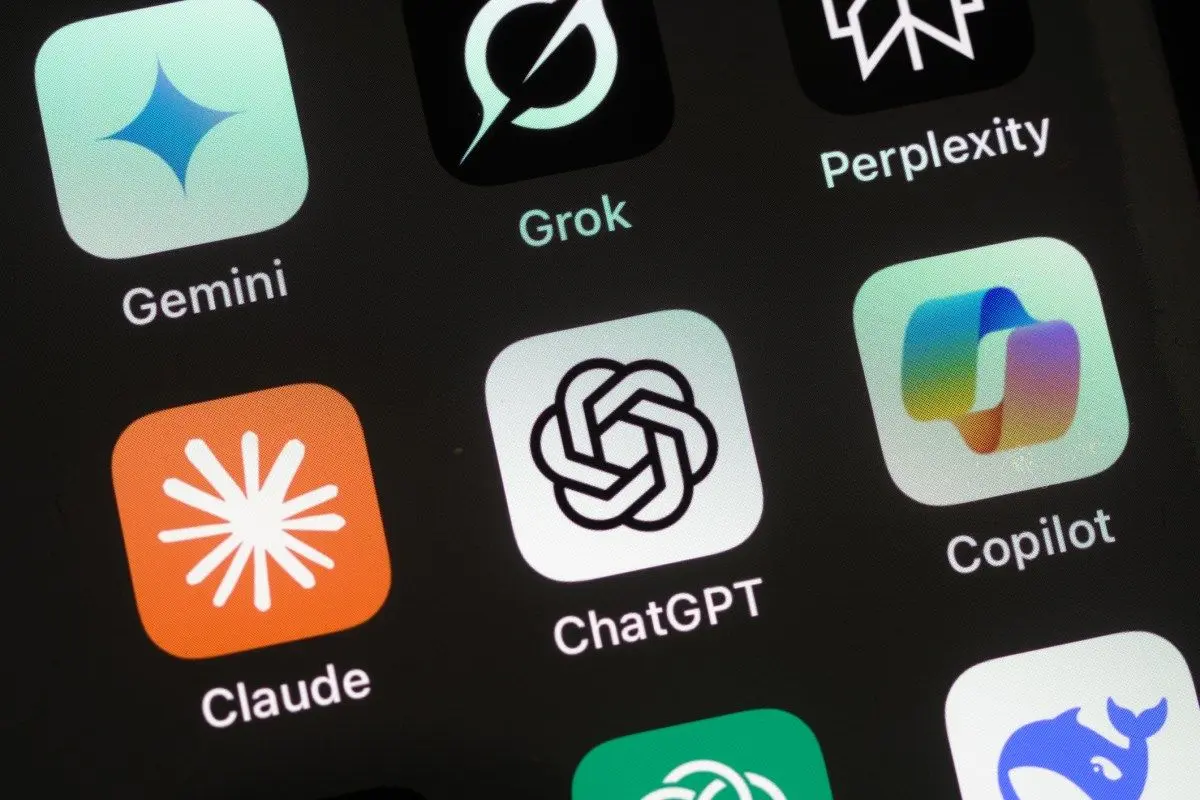
Source: TechCrunch
The Extensions feature represents a fundamental change in Apple's AI strategy, allowing users to access generative AI capabilities from installed apps on demand. Test versions of the software display a message explaining that Extensions allow users to "access generative AI capabilities from installed apps on demand, through Apple Intelligence features such as Siri, Writing Tools, Image Playground and more"
1
4
. Users will be able to choose from AI model providers that opt in by adding support through their App Store apps, with Google and Anthropic already being tested internally2
3
.
Source: Engadget
Google's Gemini is expected to power Apple's revamped Siri coming this year, while other large language models will compete for user attention
3
5
. The system will even allow users to choose different Siri voices for different AI models, meaning Siri responses from Apple's own models could have one voice while an instance running on ChatGPT could use another2
. This user choice in AI models marks a departure from ChatGPT's current status as the only third-party model integrated into Apple Intelligence2
5
.
Source: Gizmodo
Related Stories
The development comes as Apple looks to close the gap with rivals like Google and Microsoft, which have moved faster to roll out AI features
3
. While Apple has been widely perceived as "behind" on AI, the company's strategy focuses less on building AI infrastructure and more on turning existing hardware into an AI-centric user experience1
. With incoming CEO John Ternus tasked with charting the company's AI strategy as Tim Cook steps down, this approach offers flexibility rather than direct competition with established chatbots1
4
.Apple stands to benefit financially from this openness, as the company will collect fees from every subscription driven through the App Store
5
. When users sign up for services like Anthropic's Claude to use through Siri, Apple will receive a cut. The company is scheduled to hold its annual developer conference in June, where more details about its AI plans are expected3
. Last week, Apple reported expectations of sales growth between 14% to 17% in the third quarter, above Wall Street estimates of 9.5% growth, citing strong demand for the iPhone 17 and MacBook Neo3
. OpenAI appears to be the biggest loser in this shift, losing its exclusive status and becoming just another option among competing AI models in the iOS ecosystem5
.Summarized by
Navi
[4]
1
Technology

2
Policy and Regulation

3
Science and Research