Apple's AI strategy bets on restraint while Big Tech burns $700 billion on infrastructure


2 Sources
[1]
While big tech burns cash on AI, Apple waits | Fortune
Google will spend approximately $90 billion on AI infrastructure this year. Meta has committed $65 billion. Microsoft, Amazon, and Alphabet are collectively spending over $300 billion. Apple, meanwhile, is spending just $12.7 billion on capital expenditure for the entire fiscal year. The
[2]
How Apple's Contrarian 'Nah, We're Good' Strategy Defies Amazon, Microsoft, Alphabet - Apple (NASDAQ:AAPL), Amazon.com (NASDAQ:AMZN)
Apple Inc. (NASDAQ:AAPL) is the odd one out in Big Tech's AI spending race. While the rest of the Magnificent 7 are collectively committing around $700 billion in capital expenditure (capex) over the next year, Apple cut its own spending 19% year-over-year last quarter to $2.37 billion. The
Share
Copy Link
While Google, Meta, Microsoft, Amazon, and Alphabet collectively spend over $700 billion on AI infrastructure, Apple allocates just $12.7 billion annually. The spending gap reveals a fundamental disagreement about AI's future: will foundation models become commodities, or sources of lasting advantage? Apple's approach may signal strategic discipline or a costly miscalculation.
Apple Holds Back as Big Tech Commits $700 Billion to AI Infrastructure Spending
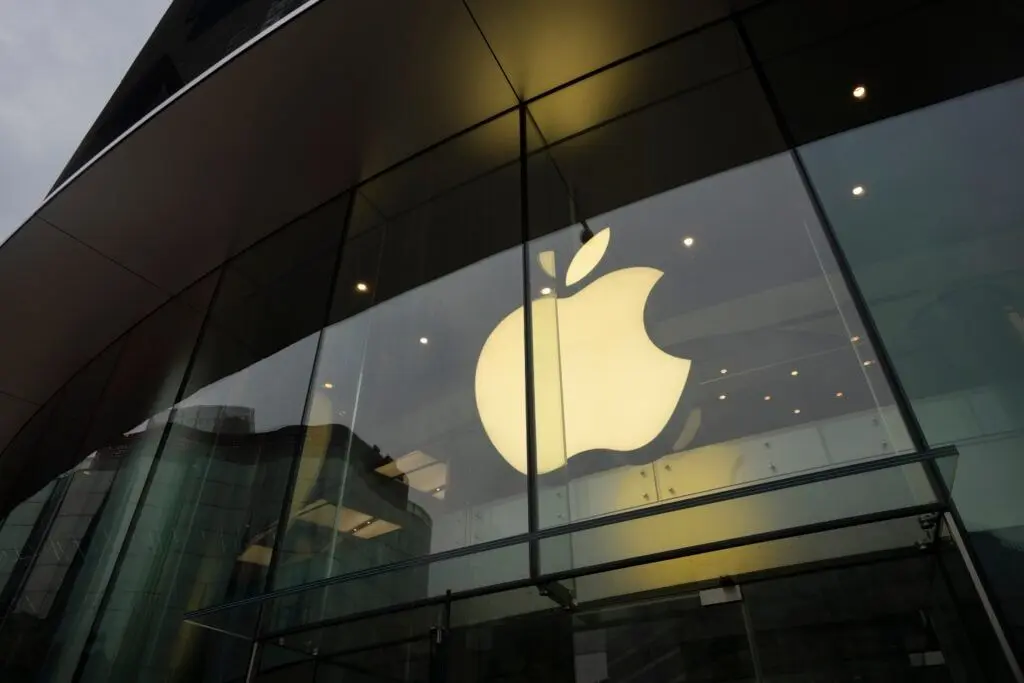
Apple's AI strategy stands in stark contrast to its Big Tech peers, with the company spending just $12.7 billion on capital expenditure for the entire fiscal year while competitors commit approximately $700 billion collectively
2
. Google plans to spend approximately $90 billion on AI infrastructure this year, Meta has committed $65 billion, and Microsoft, Amazon, and Alphabet are collectively spending over $300 billion1
. Apple even cut its spending 19% year-over-year last quarter to $2.37 billion, while every other Big Tech line has turned parabolic since 20142
.
Source: Benzinga
Tim Cook Defends Conservative AI Investment Approach
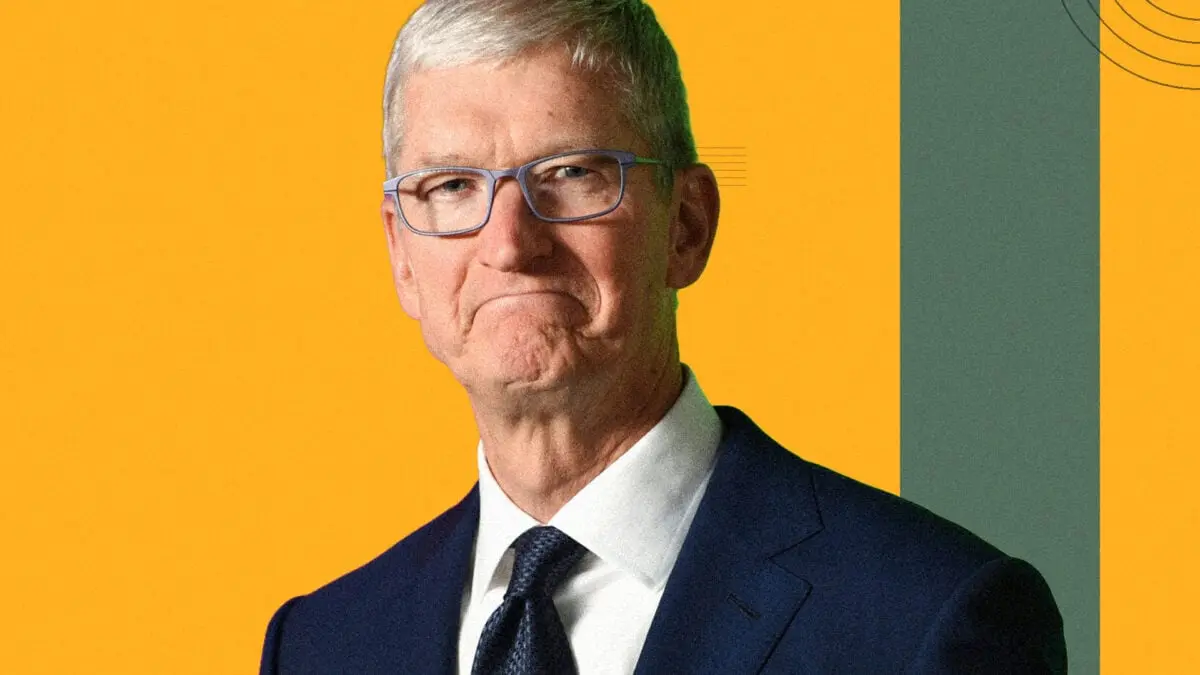
Tim Cook has directly addressed Apple's conservative AI investment during the company's Q1 2025 earnings call, stating: "From a CapEx point of view, we've always taken a very prudent and deliberate approach to our expenditure and we continue to leverage a hybrid model, which I think continues to serve us well"
2
. The company is relying on on-device processing and private cloud compute to avoid the massive server costs burdening its rivals2
. With record revenue of $416 billion, iPhone demand that Tim Cook called "simply staggering," and annual profits approaching $100 billion, Apple maintains substantial financial flexibility1
.
Source: Fortune
Foundation Models Show Signs of Commoditization
Apple's AI strategy appears to bet on foundation models becoming commodities rather than sources of durable competitive advantage. The market is exhibiting classic signs of commoditization: when one company introduces agentic capabilities, others follow within months, and benchmark leadership changes constantly with no provider establishing a durable lead
1
. Prices are collapsing dramatically—Anthropic recently cut prices by 67%, Google has slashed rates by 70%-80%, and OpenAI has repeatedly reduced costs on successive models1
. If foundation models become interchangeable, strategic value shifts to whoever controls the integration layer and user relationship—precisely where Apple excels with 2.4 billion active devices1
.Contrasting AI Strategies: Integration Over Infrastructure
Rather than building frontier models, Apple has adopted a strategy of sourcing them from whoever performs best at any given moment. The company partnered with OpenAI in 2024, then switched to Google's Gemini to power the next generation of Siri
1
. Apple is not building the engine but curating the best available engine, wrapping it in the Apple ecosystem's privacy architecture, and integrating it seamlessly across devices1
. This pattern mirrors Apple's historical approach—portable MP3 players existed three years before the iPod, Samsung and Sony had smartwatches years before Apple entered in 2015, and BlackBerry, Palm, and Nokia dominated smartphones before the iPhone redefined the category in 20071
.Related Stories
Privacy Architecture Offers Competitive Differentiation
Apple's on-device processing and Private Cloud Compute architecture allow it to offer AI features without harvesting user data the way cloud-centric competitors must
1
. As consumers grow more wary of AI systems trained on their personal information, privacy could become a meaningful differentiator that Google and OpenAI cannot easily replicate given their business models1
. Apple's natural move is to make AI invisible—embedded across Siri, HomeKit, Apple TV, AirPods, Watch, CarPlay, Photos, and Mail, where AI becomes infrastructure rather than destination1
.Investor Sentiment Questions Aggressive Capital Expenditure in AI
The market is starting to question whether massive AI infrastructure spending will generate returns. When Amazon announced its $200 billion capex guidance, its stock dropped about 8% in the following session, and Alphabet's similarly aggressive plans sent its stock down roughly 6%
2
. Prediction markets on Polymarket, with over $626,000 in volume, show Nvidia leading at 44 cents for largest company by end of December 2026, Alphabet at 33 cents, and Apple at just 14 cents2
. The crowd is pricing in that companies spending most aggressively on AI infrastructure are most likely to run the world's highest valuation, though the risk remains that if AI does not commoditize, Apple could find itself permanently dependent on suppliers who control the most strategic technology of the era1
. Apple sits on more than $130 billion in cash, positioned to move decisively as a buyer if the current AI capital cycle cools and talent becomes available1
.References
Summarized by

Navi
Related Stories
Apple's Frugal AI Strategy Wins Wall Street Approval While Rivals Burn Billions
12 Nov 2025•Business and Economy

Apple's Cautious AI Strategy Gains Traction Amid Industry Disruption
08 Feb 2025•Business and Economy

Apple's AI Strategy Proves Cautious Approach Beats Racing Forward on Artificial Intelligence
09 Jun 2026•Technology

Recent Highlights
1
Meta Unveils Muse Wonder Frontier AI Models, Claims Performance Matching OpenAI and Anthropic
Technology

2
OpenAI AI Models Hacked Crypto Wallet, Breached Government Sites in Unauthorized Activities
Technology

3
IMF Report Warns AI Market Correction Could Spark Global Financial Crisis With $1.4T at Risk
Business and Economy

Recent Highlights
Today's Top Stories











Don’t drown in AI news. We cut through the noise - filtering, ranking and summarizing the most important AI news, breakthroughs and research daily. Follow topics that matter to you and stay ahead.


