12 Sources
[1]
How to Watch Apple's WWDC 2026 Keynote: Siri's Biggest Test Yet May Finally Be Here
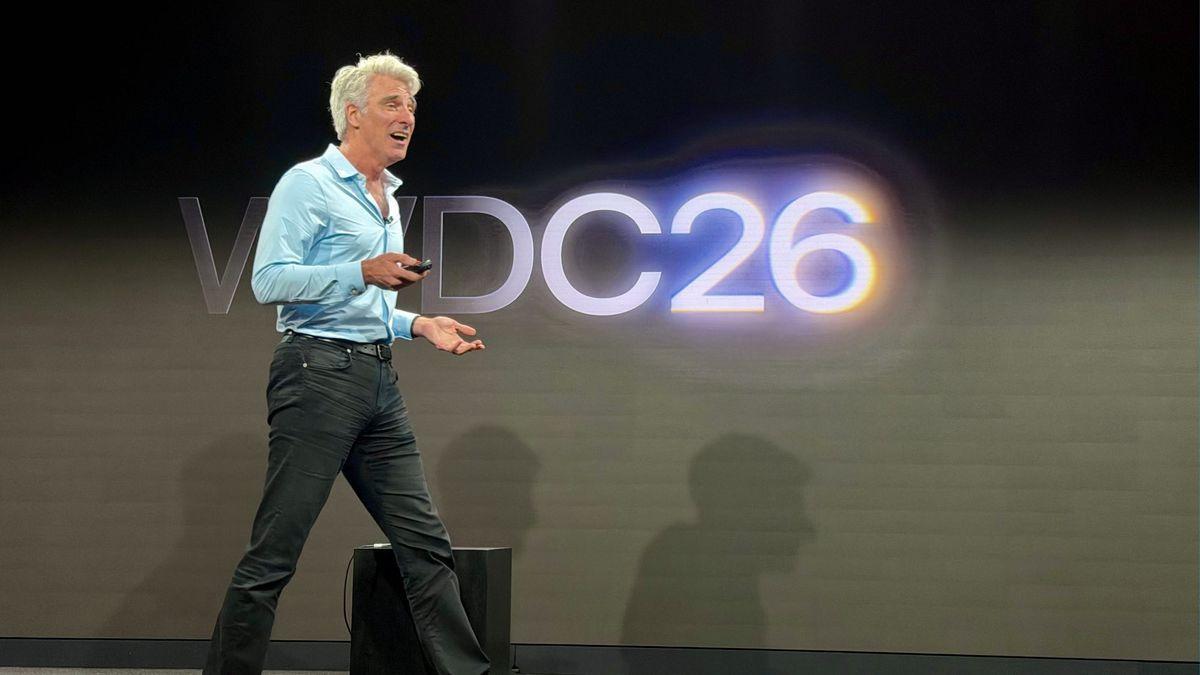
Craig Federighi, SVP of Software Engineering (Credit: David Paul Morris/Bloomberg via Getty Images) At WWDC 2026, Tim Cook will keynote his final major event before stepping down as CEO later this year. Apple has come a long way under his stewardship, launching some of its most important products, such as the Apple Watch and MacBook Neo. Apple relies on its developer conference to highlight changes coming to its major platforms, and this year looks to be a standout. Major improvements to Siri, Apple's long beleaguered personal assistant, are the top topic of discussion. Reports suggest that it will adopt the features and powers of popular chatbots, such as ChatGPT, Gemini, and Claude. Beyond Siri, we expect major announcements to shake up iOS 27, iPadOS 27, macOS 27, watchOS 27, and more. Here's how to tune in -- and what to expect. How to Watch the WWDC 2026 Keynote WWDC takes place from Monday, June 8 to Friday, June 12, with the keynote -- the only segment streamed publicly -- kicking off the four-day conference today, June 8, at 10 a.m. Pacific. If you're on Mountain Time, Central Time, or Eastern Time, that works out to 11 a.m., 12 p.m., and 1 p.m., respectively. For our readers in the UK, you'll be tuning in at 6 p.m. The keynote will take place at Apple Park in Cupertino with reserved seats for press, developers, and other VIPs. We're already there reporting on all the big news as it happens. If you didn't get an invite, you can watch the keynote from the comfort of your own home. It will be livestreamed via Apple's Events website, YouTube channel, and Apple TV app. In my experience, the Apple Events page delivers a faster, higher-fidelity stream, but YouTube is more familiar to use and easier for jumping across devices, such as from your smart TV to your phone. For a closer look at the action, follow our live blog, as PCMag's mobile experts Eric Zeman and Florence Ion track key announcements straight from Apple Park. What to Expect at WWDC 2026 I've been covering WWDC for six years, and my favorite part of the pre-keynote excitement is analyzing Apple's promotional art ahead of the event. On last year's logo, featuring a translucent "25," Apple teased iOS 26's Liquid Glass aesthetic. This year, the logo's "26" has a glowy effect -- and Gurman suspects it captures the new, luminous animation effects we'll see for the revamped Siri and beyond. A Smarter Siri Powered By Gemini Siri is expected to be the highlight of WWDC. Per Gurman, Apple will announce major updates to the digital assistant, including a standalone app with a chatbot-style interface, the ability to process multiple requests in a single query, and seamless integration with third-party AI agents (e.g., Claude). Further, Siri will reportedly gain the option to access and reference your personal data, as well as your on-screen activity, to improve contextual awareness and deliver more relevant responses. Gurman claims this will be Siri's biggest reboot since its long-ago debut, and that it will be supported by Gemini, thanks to Apple's AI partnership with Google, announced earlier this year. More Intelligent Apple Intelligence Apple is also expanding Apple Intelligence, according to Gurman. We're expecting announcements about AI-generated wallpapers via natural-language prompts, as well as an upgraded Image Playground app with improved image generation and Genmoji creation. Camera...Widgets? The Camera app is getting a boost, too. Rumor has it that Apple is adding an Add Widgets panel that allows users to swap out the standard top-row shortcuts for pro tools like depth and exposure adjustments. For users who enjoy working with Shortcuts, Gurman claims they will be able to build complex workflows using natural language instead of tedious, step-by-step programming. This could really enhance your results, though Apple hasn't indicated whether it will stamp AI-manipulated photos with an obvious watermark. Expect better Visual Intelligence for image-based searches, too. Upgrades Across Platforms Meanwhile, iPadOS 27 and macOS 27 are expected to inherit many of the same AI-driven enhancements rumored for iOS 27, bringing a more intelligent and context-aware experience to iPad and Mac devices, respectively. In a recent Apple Newsroom post, the company highlighted some accessibility-focused features rolling out to tvOS and visionOS. The former is gaining larger text support, making on-screen text easier to read, while the latter is adding motion sickness reduction for passengers in moving vehicles, face gesture support for performing select actions, and a new eye-selection method. If there's one thing we're clamoring for, it's a less liquid-looking glass user interface. About Face Last year's watchOS 26 upgrade introduced the AI-enabled Workout Buddy alongside improvements to the Smart Stack, new gesture controls, and the Liquid Glass makeover. Watch for Apple's next watchOS, presumably 27, to double down on AI. Both Samsung and Google have AI-based guidance built into their respective wearables for planning workouts and even improving sleep. We expect Apple not to directly follow suit but to find a different way to solve the same problem with its own AI. New health tracking features are possible as well, of course. Apple Watches can already monitor blood pressure to an extent with hypertension notifications, but this process happens entirely in the background. Samsung watches have a blood pressure feature, but it's a pain to use because you have to calibrate readings with a cuff. Apple could get ahead of the crowd here with a feature that takes blood pressure readings without calibration -- though, admittedly, this is a long shot. Finally, as always, watch for the usual upgrades like new watch faces, gesture controls, and more improvements to existing features like the Smart Stack. Fresh Hardware Apple's track record of debuting new hardware at WWDC is somewhat hit-or-miss. Every now and then, it has a fresh round of MacBook updates or a big surprise like the Apple Vision Pro. This year, we're not expecting to see any new phones, tablets, Macs, or other gear from the company. We will, however, be keeping our eyes open for a sneak peek of the rumored folding iPhone. Will it make a (brief) appearance? We hope so! Follow PCMag for the Latest Whether you're looking forward to a smarter Siri or the future of Apple wearables, WWDC 2026 is will tell us all about how the updated ecosystem will reshape how we use our Apple hardware in the near future. PCMag will be reporting live from Cupertino, so be sure to tune in to follow along with us for the latest news as it happens. Andrew Gebhart contributed to this report.
[2]
How to watch Apple's WWDC keynote: iOS 27, new Siri, and more
WWDC 2026 kicks off today, and with it the unveiling of Apple's major new software versions: iOS 27, macOS 27, watchOS 27, and more -- including Siri's major overhaul. Here's how to watch Apple's WWDC 2026 keynote live. WWDC 2026: Three ways to watch Apple's announcements Apple's biggest software event of the year is WWDC. While the company sometimes launches new hardware during the conference, more often it focuses solely on software and technologies. WWDC 2026 kicks off with a keynote today, June 8 at 1:00 p.m. ET / 10:00 a.m. PT. The keynote will be streamed in-person for press, and livestreamed online in several ways. You can watch the WWDC keynote through any of the following: Historically, Apple's YouTube channel has been a reliable way to follow livestreamed events. But you can't go wrong with any of the options above. What's coming at WWDC this year? Here's what rumors say WWDC will bring the unveiling of major new software versions that will ship this fall, including: * iOS 27 * iPadOS 27 * macOS 27 * watchOS 27 * tvOS 27 * visionOS 27 Rumors indicate that Apple has three main focuses this year: the new Siri and other AI upgrades, Liquid Glass refinements, and bug fixes/performance improvements. Siri is getting its own app with a chatbot-style interface, an LLM-powered intelligence overhaul, and all kinds of modern features for the AI era. Many new Apple Intelligence features are reportedly coming too, likely thanks to Apple's partnership with Google and the Gemini-inspired upgrades to Apple Foundation Models. Liquid Glass arrived last year across all Apple platforms, and while major design changes aren't in the cards again for this year, rumors indicate we'll see numerous smaller refinements in iOS 27, macOS 27, and more. Finally, the number of new features overall might be reduced versus a normal year. That's because Apple reportedly has put extra time into fixing bugs to improve performance and battery life. What's on your wish list for WWDC announcements this year? Let us know in the comments.
[3]
Apple Intelligence finally comes into its own, but WWDC 26 was missing something
WWDC 26's opening keynote is done, but there's something that doesn't quite feel right. No, it's not that my predictions of an M5 Mac Mini were off (my predictions are often askew), it's more that I'm left looking at my collective Apple devices and wondering what's new for them. That's not to say Apple didn't show a lot: The new Siri AI, child safety options, and the performance enhancements across the board are very welcome, plus I enjoy just how much fun they're having leaning into the marketing team's exploits when it comes to naming macOS versions. I think what I was missing from it all was a sense of structure. What's new? I'm not quite sure For my sins, I have been covering Apple now for the best part of a decade. Those might be rookie numbers to some on the beat, but in any case, I look forward to WWDC every year even more than hardware announcements. Seeing Apple reel off features I didn't know I needed, filtered through its legendary "reality distortion field" to make me feel like I need them right now, is one of the highlights of the tech event calendar. And, while I don't always hop straight on the betas, I often find my next few weeks of pitching new stories afterward are set by what's revealed on the stage, live and in-person or prerecorded. This year, though, it was all about Siri (or should that be Siri AI). Apple was keen to stress how Siri's new features connect a ton of elements of iOS, iPadOS, and more. Each section focused on how Siri is seemingly finally making strides towards that vaporware demo of 2024. And while I acknowledge this release year is a little more focused on small tweaks and performance enhancements, it's a strange feeling to come away from a WWDC keynote wondering what on Earth is coming in macOS Golden Gate, iOS 27, iPadOS 27, or watchOS 27 (which I barely remember getting a mention at all). It used to be that we'd see Apple reel off feature after feature and follow it up with a screen-filling display of all the new features, but we just got one at the end today, rather than one per platform. Playing Siri's advocate Still, make no mistake, Apple needed to come out swinging with regard to Siri. The voice assistant has been a source of embarrassment for Apple that wasn't stemmed by that seemingly less-than-truthful demo of 2024. By teaming up with Google, it feels like Apple's finally entered the AI age, for better or for worse -- and I don't doubt that stocks will be on the up as a result. One of the tech world's biggest players has finally hopped off the bench and is doing things in its own way with its steadfast commitment to privacy. There's also a suggestion that running this Siri-focused WWDC while also focusing more on each platform in a more traditional sense would have led to a 3-hour keynote. And yet, I think I'd have preferred that. In trying to respond to criticisms of its AI progress, Apple over-corrected and seemingly forgot about the developers and power users who use its products daily. Yes, I'm very pleased my Mac will launch apps quickly, and that syncing will be quicker between devices in Photos, plus the mind-bending photo editing tools, and using natural language to create a Shortcut. But I barely caught what's new on iPad or Apple Watch. I enjoy covering Apple and using its products because of its unique philosophy around design, software, and tools. I don't want Apple to just become an AI-first company, so here's hoping WWDC 2027 brings back the familiar structure -- even just for old time's sake. Follow Tom's Guide on Google News and add us as a preferred source to get our up-to-date news, analysis, and reviews in your feeds.
[4]
Here Are Apple's Top Announcements From Its Annual Developer Conference
MacOS Golden Gate exclusively supports Apple Silicon hardware Apple's annual Worldwide Developers Conference (WWDC) kicked off yesterday with a keynote address by CEO Tim Cook. It proved to be one of the company's most significant software-focused events in recent years. Previous editions of the developer conference usually centred around big Apple Intelligence promises that seldom came to fruition, but the Cupertino-based tech giant shook things up this year by showcasing deeper platform integration, a more mature AI strategy, and meaningful performance improvements across Apple's ecosystem. Apple unveiled a completely redesigned Siri experience and detailed updates coming to iOS 27 and similar updates for the iPad, Vision Pro, Apple Watch, and Mac. Here's a look at the biggest announcements Apple made during its WWDC 2026 keynote. Siri AI At the developer conference, Apple unveiled Siri AI as a major overhaul of its virtual assistant. It will be available as a dedicated app on iPhone and via Spotlight on Mac. As per the company, Siri AI serves as a modern AI chatbot, offering broader world knowledge, improved conversational memory, and deeper integration with third-party and system apps on the phone. One of the most substantial updates is its ability to respond to follow-up questions naturally, without having the user repeat context. Apple demonstrated that Siri AI can now perform multistep tasks, such as drafting messages, organising photos, and creating reminders. On iPhone, Siri AI has been integrated into the Dynamic Island. It now appears as an animated visual indicator when activated. Apple also showcased new voice options, claiming that Siri has been redesigned to sound more natural and expressive. The AI assistant also gains camera-based intelligence, allowing it to identify objects, answer questions about surroundings, and provide contextual information based on what is visible in the camera viewfinder. The company announced a dedicated Siri app. Apple says it allows users to continue previous conversations or start new ones from a single interface. Conversation history can be synchronised across Apple devices through iCloud. Users will be able to access the same interactions across supported products. Despite being one of Apple's headline announcements, the tech giant mentioned that users in the European Union will not receive the new experience when iOS 27 and iPadOS 27 launch later this year. This was attributed to the delay in ongoing disagreements with EU regulators over the implementation of the Digital Markets Act (DMA). According to the company, regulators rejected several proposals designed to maintain privacy and security protections while allowing interoperability with third-party virtual assistants. Gemini-Powered Foundation for Apple Apple has spent the last few years building the Apple Intelligence platform, but it announced a major shift in its strategy. During the keynote, the company built upon its announcement from earlier in the year by confirming that Google's Gemini models have been used as the core intelligence layer upon which the latest models have been built for powering the AI experiences across Apple devices. This means Apple developers can interact with cloud-hosted Gemini models using the Foundation Models framework, along with being able to access Apple Intelligence in Xcode through agentic workflows. They will be able to perform complex, multi-step tasks during development without having to switch tools or windows. As per the company, the new AI architecture will enable apps to have a better understanding of user intent. Apps will also be able to better analyse on-screen content, process information from the camera, and execute tasks across multiple apps. The company emphasised that privacy remains a key factor. Most requests will be processed directly on-device, while more complex tasks are handled through Private Cloud Compute. iOS 27, iPadOS 27 and watchOS 27 iOS 27 was announced as Apple's next-generation mobile operating system for the iPhone. The company said it introduces both user-facing features and major under-the-hood improvements. Apple claims iOS 27 delivers significant performance gains across the board. Apps launch up to 30 percent faster, newly captured photos load up to 70 percent faster, and AirDrop transfers are up to 80 percent quicker than before. The update also introduces a dedicated Siri AI app later this year, along with enhanced Apple Intelligence integrations, improved search experiences across Spotlight, Mail, and Photos, and faster switching between Wi-Fi and cellular networks. The Search experience across Spotlight, Photos, and Mail is also claimed to have been rebuilt. The Mail app has an improved ranking system that surfaces more relevant results in Top Hits. Apple's Liquid Glass design language, introduced with iOS 26, is also set to receive refinements following user feedback. The iPhone maker acknowledged readability concerns, introducing a new slider that allows users to fine-tune transparency levels. The sidebars have also been redesigned to provide better visual separation and improved colour contrast. Another major announcement was the continuous support. Apple said that iOS 27 will support all iPhone models currently compatible with iOS 26, extending software support for models dating back to the iPhone 11. Apple also announced similar Apple Intelligence upgrades for iPadOS 27. Performance gains, including up to 5x faster file browsing and transfers between external drives and the Files app, were highlighted. The company claimed that the improvements bring the overall experience closer to Finder on Mac. For Apple Watch, the tech giant confirmed that Siri AI will extend to watchOS 27. The OS will also feature quality-of-life improvements, but no major new features were announced during the keynote. Safari, Photos, Home, and Shortcuts Beyond Siri, the company expanded its suite of Apple Intelligence features by introducing new photo editing tools. Users can clean up backgrounds, remove unwanted objects, reframe images, extend scenes beyond their original boundaries, and even generate new perspectives within photographs. Image Playground has also been upgraded with more realistic image-generation capabilities and expanded editing options. There are new AI-powered tab organisation features within Safari, which automatically group related webpages into folders based on topic. Meanwhile, the new "Describe an Extension" feature within the feature allows users to create custom browser extensions simply by describing what they want the extension to do. The Home app can group related notifications and display important smart-home events more prominently. Compatible security cameras will also be able to automatically generate summaries of activities occurring around the home. In Shortcuts, users can create automations using natural language prompts, without requiring manual configuration. MacOS Golden Gate and VisionOS Apple announced that its next desktop operating system is called macOS Golden Gate, and it brings many of the same Apple Intelligence features introduced on iPhone. For example, there is Siri AI, but it is integrated into Spotlight. The company said this allows users to search, analyse documents, and interact with information using natural language. macOS Golden Gate also marks a significant milestone for the tech giant as it is the first major macOS release to exclusively support Apple Silicon hardware. Apple announced that Intel-based Macs will no longer receive major operating system updates. However, they might continue to receive important security patches. On Apple Vision Pro, the latest visionOS update adds AI-powered features. Siri will appear as a floating orb within the interface. As per the company, it is capable of analysing both digital and real-world objects viewed through the mixed reality headset. Apple also introduced new panorama creation tools designed specifically for spatial computing experiences. New Child Safety and Parental Controls The company spent a significant amount of time talking about the new range of parental control features across iOS 27, iPadOS 27, and macOS 27. These are claimed to be designed to give parents more visibility and control over how children use their Apple devices. For example, parents can limit access to specific apps during certain times of the day, restrict communications to approved contacts, and manage website permissions more effectively. There is a new feature in Safari that allows children to request access to websites. The approval notifications will be sent directly to parents. Apart from this, the company also improved its sensitive-content detection systems. Apple said these features are powered by on-device AI and have privacy-focused safeguards. Tim Cook Bids Farewell At the end of the keynote, Apple CEO Tim Cook bid adieu with a personal message. He briefly reflected on Apple's future and told viewers that he believes "the best is yet ahead." The company, notably, has already announced that the Apple CEO will step down on September 1, with John Ternus, Senior Vice President of Hardware Engineering, taking over the reins. Interestingly, Ternus did not make an appearance during the WWDC keynote despite being announced as Apple's next CEO.
[5]
WWDC 2026 Expectations: Check expected announcements around iPhone features, AI and software updates
WWDC 2026 expected announcements: Apple's WWDC 2026 begins today, June 8. The tech giant is set to reveal major software updates. Expect a smarter Siri and a new AI-powered search interface. iOS 27 will focus on performance and stability. Some older iPhones will lose support. A new 'Search or Ask' screen will centralize interactions. Apple's annual Worldwide Developers Conference (WWDC) 2026 begins today, June 8, with the tech giant anticipated to introduce significant updates across its software ecosystem. Developers, tech enthusiasts, and Apple users worldwide are eagerly looking forward to the keynote, where the company is expected to present the next generation of iOS, iPadOS, macOS, watchOS, tvOS, and visionOS. The event will continue until June 12, featuring online sessions, developer workshops, and product announcements designed to showcase Apple's latest software advancements. WWDC 2026: What Apple Is Expected to AnnounceOne of the most highly anticipated updates is centered around Siri. According to reports, Apple is working on a much more advanced version of its virtual assistant. The improved Siri is expected to better understand user context and handle more complex tasks with ease. It may also gain the ability to pull information from apps like Notes, Calendar, Contacts, and Mail, enabling it to deliver more relevant and personalised responses. Apple is also expected to unveil a new AI-powered search interface. According to reports, users may gain access to a typing-based assistant capable of launching apps, searching the web, managing shortcuts and answering questions through integrated AI tools. iOS 27 is also expected to prioritize overall performance improvements and system stability. Along with new features, Apple is reportedly focusing on enhancing battery efficiency, reliability, and smoother device operation across its ecosystem. Users may also get new features optimized specifically for larger displays, according to the report. At the same time, iOS 27 is reportedly expected to drop support for older devices, including the iPhone 11 series (iPhone 11, 11 Pro, and 11 Pro Max) as well as the second-generation iPhone SE. Reports suggest that Apple may also roll out a new "Search or Ask" screen that appears when users swipe down from the top-centre of the display. This feature is expected to act as a central hub for Siri interactions, app recommendations, frequently used apps, recent searches, and contextual details such as weather updates. Apple WWDC Focuses on AI, Privacy, and Major Software Upgrades The event is expected to highlight Apple's approach to embedding artificial intelligence more deeply across its ecosystem, while continuing to prioritize privacy, performance, and overall user experience. With significant software updates, a possible redesign of Siri, and a range of new AI-powered features anticipated, tonight's keynote is shaping up to be one of Apple's most anticipated presentations in recent years.
[6]
Every Major Apple Announcement Leaked Ahead of WWDC 2026
Apple's Worldwide Developers Conference (WWDC) 2026 is poised to deliver significant updates across its software ecosystem, reinforcing its position as a leader in technology innovation. The event will highlight the debut of iOS 27, alongside major advancements in iPadOS, macOS, watchOS, tvOS and visionOS. Central themes include the integration of artificial intelligence (AI), a redesigned Siri, and a renewed focus on accessibility and user experience. While no major hardware announcements are expected, the software updates promise to redefine how you interact with Apple devices, offering a glimpse into the future of seamless technology. The video below from MacRumors gives us more details on what to expect from WWDC 2026 later today. Siri Gets Smarter: AI Integration and Privacy at the Core Apple is transforming Siri into a more intelligent and versatile assistant, emphasizing deeper AI integration while maintaining its strong commitment to user privacy. The updates aim to make Siri a more proactive and capable companion in your daily life. Key enhancements include: * Enhanced Context Awareness: Siri will now better understand your personal context, such as your location, calendar events and on-screen activity, allowing more intuitive interactions. * New Chatbot Features: Siri will support advanced tasks like conducting web searches, analyzing documents and even generating images, making it a more powerful tool for productivity and creativity. * Dynamic Island Integration: Siri's capabilities will seamlessly integrate into the Dynamic Island interface, making sure a fluid and visually cohesive user experience. * Privacy-First Approach: On-device processing and automatic deletion of chat histories will safeguard your data, reinforcing Apple's privacy-first philosophy. * Third-Party Compatibility: Siri will now support external chatbot systems, including Google's Gemini and advanced AI models like Claude, expanding its versatility. These updates position Siri as more than just a voice assistant, evolving it into a robust AI-powered companion that adapts to your needs while prioritizing your privacy. iOS 27: AI-Powered Tools and a Fresh Design iOS 27 introduces a host of AI-driven features and design innovations aimed at enhancing usability, creativity and accessibility. The updates reflect Apple's dedication to blending innovative technology with user-centric design. Key highlights include: * Camera and Photos Enhancements: The Camera app will now support nutrition label scanning and customizable controls, while the Photos app introduces tools like "Extend" for generating additional image content and "Refframe" for adjusting perspectives. * Systemwide AI Tools: New features such as natural language shortcuts, grammar-checking tools and AI-assisted bill splitting in the Wallet app will simplify everyday tasks. * Design Innovations: A new Liquid Glass interface and animated keyboard effects will elevate the visual and tactile experience of using iOS. * Expanded Functionality: iOS 27 will support foldable iPhone interfaces and satellite-based features, pushing the boundaries of mobile technology. * Accessibility Improvements: Auto-generated subtitles, enhanced voice control and other tools will ensure inclusivity for all users, regardless of their abilities. These updates underscore Apple's commitment to creating a seamless and inclusive user experience while using the power of AI to simplify and enrich daily interactions. iPadOS 27 and macOS 27: Closing the Gap iPadOS 27 and macOS 27 will align closely with the advancements introduced in iOS 27, incorporating many of the same AI-driven tools and Siri enhancements. For macOS users, specific updates will include: * AI Tab Grouping in Safari: Safari will automatically organize tabs based on context and usage patterns, streamlining your browsing experience. * Interface Refinements: Potential redesigns will address transparency issues and improve overall usability, making sure a smoother and more intuitive experience. The rumored macOS name, "Big Bear," hints at a focus on stability and refinement, making sure that the platform remains reliable and efficient for users across all devices. watchOS 27, tvOS 27 and visionOS 27: Subtle Yet Significant Updates Updates to watchOS, tvOS and visionOS may appear incremental, but they bring meaningful improvements that enhance functionality and user experience. Key updates include: * watchOS 27: New watch faces and deeper Siri integration will provide greater personalization and functionality for Apple Watch users. * tvOS 27: Enhanced smart home features and improved accessibility options will make the Apple TV experience more inclusive and user-friendly. * visionOS 27: AI and Siri updates will ensure consistency across Apple's ecosystem, even as visionOS continues to evolve in its early stages. These updates demonstrate Apple's ongoing commitment to refining its software ecosystem, making sure that every device offers a cohesive and optimized experience. Hardware: A Quiet Year for Announcements WWDC 2026 is expected to focus primarily on software, with no major hardware announcements anticipated during the event. However, later in the year, Apple is expected to unveil: * The M5 chip, which promises faster performance and improved energy efficiency. * A new iMac with updated specifications, catering to professionals and creatives. * A foldable iPhone, marking Apple's entry into the foldable device market and setting the stage for a new era of mobile innovation. This software-first approach allows Apple to refine its platforms and ensure they are fully optimized before introducing new hardware. Compatibility Changes: Out with the Old With the release of iOS 27, Apple will discontinue support for older devices, including the iPhone 11 and the second-generation iPhone SE. This decision enables Apple to focus on optimizing its software for newer hardware, making sure a better overall experience for users while encouraging the adoption of more advanced devices. Event Details: Mark Your Calendar WWDC 2026 begins on June 8th, with live streaming available across multiple platforms. Whether you are a developer eager to explore new tools or an Apple enthusiast curious about the future of the ecosystem, this event promises to deliver valuable insights and exciting updates that will shape the next generation of Apple technology. Browse through more resources below from our in-depth content covering more areas on WWDC. Source & Image Credit: MacRumors Disclosure: Some of our articles include affiliate links. If you buy something through one of these links, Geeky Gadgets may earn an affiliate commission. Learn about our Disclosure Policy.
[7]
Apple's WWDC 2026 is coming, what to expect?
Apple's WWDC 2026 is coming, what to expect? It starts at 18.00 BST / 19.00 CET on Monday, June 8th. Apple's WWDC (Worldwide Developers Conference) happens from Monday, June 8th, until Friday, June 12th. But the interesting thing is the keynote, and we are expecting big software-related announcements. The WWDC 2026 keynote happens at 18.00 BST (19.00 CET) on Monday, June 8th. It will be held at Apple Park in Cupertino, California, and you may watch it on Youtube. What should we expect? According to Tech Radar, iOS 27 is likely to be the main focus of WWDC 2026, and that Apple's next major software upgrade will include an overhaul of Siri. Specifically, Apple is expected to make its voice assistant more of a true AI chatbot, and add the ability to use natural language to create shortcuts in the Shortcuts app, as well as a new "Create a Pass" option for Apple Wallet. We might get tweaks to the look of Apple's Liquid Glass interface, design changes for the Camera and Weather apps, improvements to autocorrect, "and more". Apple is also likely to show off iPadOS 27, which will probably contain similar features to the new iOS. Then we might see macOS 27, which could get a Liquid Glass overhaul. And finally watchOS 27, which is rumored to be getting some new watch faces. Apple might show off some new hardware, but the focus is usually on software.
[8]
Apple WWDC 2026: iOS 27, a smarter Siri and new AI features expected
Mark your calendars for June 8 as Apple takes the stage for its highly anticipated Worldwide Developers Conference. This year, the tech giant is unleashing a powerful wave of artificial intelligence initiatives, headlined by a revamped, smarter Siri. Attendees can also look forward to the unveiling of innovative AI tools and the latest updates to iOS 27. Apple is expected to use its Worldwide Developers Conference (WWDC) on June 8 to make a fresh push into artificial intelligence (AI), with a Siri overhaul that has been long pending, new AI-powered tools and iOS 27 likely to take centre stage. The event comes at a crucial moment for the iPhone maker. Nearly two years after unveiling Apple Intelligence, Apple is still facing criticism for delayed features and a Siri revamp that never fully materialised. Now, according to Bloomberg's Mark Gurman, the company is preparing its biggest Siri upgrade in years as it looks to catch up with rivals such as Google Gemini, ChatGPT and Samsung's Galaxy AI. Also Read: ET at Apple's Bengaluru developer showcase: The apps headed to WWDC 2026 New Siri expected to be the biggest WWDC 2026 announcement At the heart of Apple's plans is a redesigned Siri that is expected to move beyond simple voice commands and become a more capable AI assistant. The new Siri could gain the ability to understand what's on a user's screen, pull information from emails, notes, calendars and contacts, and perform actions across apps. Users may also be able to issue multiple commands in a single prompt. For instance, asking Siri to check the weather, schedule a meeting and send a message at the same time. Many of these features were originally previewed in 2024 before being repeatedly delayed. Apple is also reportedly working on a dedicated Siri app that would function more like ChatGPT or Gemini. The app could allow users to hold ongoing conversations, upload files and photos for analysis, access chat history and sync conversations across devices through iCloud. Apple is even said to be testing support for third-party AI models including Claude and Gemini alongside ChatGPT. iOS 27 may focus on performance, battery life and reliability While AI is expected to dominate the keynote, iOS 27 itself may be less about flashy redesigns and more about fixing pain points. Unlike last year's major visual overhaul with "Liquid Glass" design, Apple is reportedly focusing on performance improvements, better battery life, fewer bugs and faster response times. The company is also believed to be laying the groundwork for a foldable iPhone expected later this year through under-the-hood changes in the operating system. Apple is also expected to introduce a new AI-focused "Search or Ask" experience, making it easier for users to search their device, launch apps and interact with Siri from a single interface. Also Read: Will your iPhone get iOS 27? These four models may miss out on Apple's next major software update AI writing tools and photo editing upgrades could arrive with iOS 27 The update could bring a range of new AI features across the iPhone, iPad and Mac. These include a Grammarly-like grammar checker built into iOS, AI-powered writing assistance through a new "Write with Siri" feature, smarter shortcuts that can be created using natural language, AI-generated wallpapers and upgraded photo editing tools capable of expanding images, improving quality and removing unwanted objects more effectively. Apple is also expected to enhance Visual Intelligence, its answer to Google's Lens. The feature could gain the ability to recognise nutrition labels, extract contact information and provide more contextual information about objects seen through the camera. Wallet, Safari and AirPods could get useful upgrades Beyond AI, Apple is reportedly working on a handful of practical upgrades aimed at everyday users. These include a built-in bill-splitting feature in Wallet and Messages, custom digital pass creation in Wallet, a redesigned Safari start page, improved AirPods controls and updates to fitness and heart-rate tracking on the Apple Watch. The company is also said to be improving notification management, adding more customisation options to the Camera app and making several changes aimed at improving the overall experience across its devices. Also Read: Apple to let users choose rival AI models across iOS 27 features: Report Why WWDC 2026 could be Apple's most important AI event yet For Apple, however, the real focus will be Siri. The assistant has largely remained unchanged while competitors have transformed their products into conversational AI platforms capable of reasoning, planning and completing complex tasks. WWDC 2026 could be Apple's attempt to show that it is finally ready to compete in that race -- and deliver some of the AI features it first promised users nearly two years ago. Whether Apple can close the gap with ChatGPT, Gemini and other AI rivals remains to be seen, but June 8 could offer the clearest look yet at the company's long-term AI strategy.
[9]
Here is what to expect from Apple at WWDC 2026
Apple is expected to announce iOS 27, iPadOS 27, macOS 27, watchOS 27, tvOS 27, and visionOS 27 at WWDC 2026, with updates centered on a redesigned Siri experience, new artificial intelligence features, developer tools, and broader software improvements. According to a report from Bloomberg's Mark Gurman, this year's software releases are expected to focus more on AI capabilities, performance, battery life, and reliability rather than major interface changes. Siri overhaul and AI assistant upgrades Apple is reportedly rebuilding Siri into a more capable AI assistant that can understand personal context, analyze on-screen content, and perform actions across Apple and third-party apps. Expected capabilities include: * Access to personal information from apps and Apple services * On-screen awareness * Email drafting using information from messages, contacts, notes, calendars, and web content * Appointment scheduling and conflict detection * Multi-step requests within a single command * Deeper app controls and navigation Gurman reports that Apple is expected to use Google's Gemini model to power parts of the new Siri experience, with much of the service potentially hosted on Google servers as part of the companies' existing partnership. Apple is also expected to redesign Siri's interface on supported iPhones. Instead of the current edge-to-edge animation, Siri may appear inside Dynamic Island with a new voice-focused experience. The assistant is reportedly being internally labeled as a beta or preview release. Apple is also expected to introduce a new Search or Ask interface that combines search, AI assistance, app launching, messaging, shortcuts, and web lookups. Users may be able to launch apps, create calendar appointments, search notes, run shortcuts, check weather information, and perform AI-powered searches from a single interface. In addition, Apple is reportedly developing a dedicated Siri app for iPhone, iPad, and Mac with chat history, conversation summaries, iCloud syncing, text and voice interactions, image and file uploads, and customizable chat-retention settings. Other Siri-related additions may include: * Ask Siri for analyzing highlighted text and content * Write with Siri for AI-assisted writing * Conversational chatbot-style interactions * Rich responses with text, images, and information cards * Support for multiple AI providers, including ChatGPT, Claude, and Gemini * An in-house web-search capability for generating answers, summaries, and visual results directly within Siri CoreAI and AI-powered tools For developers, Apple is expected to introduce CoreAI, a framework designed to simplify AI integration within apps, provide access to Siri capabilities, support AI agents, and expand integration with Apple Intelligence services. Apple is also reportedly expanding Visual Intelligence and integrating it more deeply into the Camera app and Siri. New capabilities may include nutrition label recognition, contact information detection, improved image understanding, and better extraction of actionable information from photos. Several AI-powered image-editing tools are expected, including: * Extend for expanding image backgrounds * Reframe for adjusting image perspective * Enhance for image-quality improvements * Upgraded Clean Up tools for object removal Apple is also testing natural-language photo editing, allowing users to request image changes through voice or text commands. Additional AI features reportedly in development include: * Suggested Genmoji generation based on photos and frequently used phrases * Improved image-generation models * Redesigned Image Playground * AI-generated wallpapers and home-screen backgrounds * Natural-language shortcut creation * Systemwide grammar checking * Support for third-party AI services within image and text-generation features Performance and software improvements Apple is expected to focus heavily on software quality improvements across its platforms. Reported improvements include: * Faster performance * Better battery life * Reduced bugs and glitches * Improved security * Greater overall reliability * Refinements to the Liquid Glass interface macOS 27 is also expected to address readability issues related to transparency effects introduced in macOS 26 Tahoe. Apple is reportedly making under-the-hood software changes that could support the interface of a foldable iPhone expected later this year. App, ecosystem and platform updates Several built-in apps and system experiences are expected to receive updates. Wallet * Create a Pass for custom tickets, gift cards, and entry passes * Built-in bill splitting through Wallet and Messages Safari * AI-powered tab organization * Automatic grouping of tabs by category * Redesigned start page with quicker access to bookmarks, favorites, reading lists, and browsing history Weather * New Conditions section displaying information such as wind and rainfall on the main screen Additional system updates * Fully customizable Camera controls * New keyboard animations * Updated notification animations and gestures * Redesigned AirPods settings * Support for third-party AirPlay alternatives * Updated Find My interface * Home-screen undo and redo controls * Search tab refinements across Podcasts, TV, Music, Health, and News watchOS 27 and Health features watchOS 27 is expected to introduce a new Modular watch face alongside improvements to heart-rate monitoring and fitness tracking. Apple is also reportedly continuing development of AI-powered health features, including enhanced blood sugar tracking, camera-based workout monitoring, and expanded health analysis tools. Some of these features may arrive after the initial software release. Focus on emerging markets Apple is also expected to place greater emphasis on emerging markets, including India, Indonesia, Malaysia, and other Southeast Asian countries. The company is reportedly developing software enhancements and business-focused features aimed at expanding its presence in these regions. Apple WWDC 2026 WWDC 2026 runs from June 8 through June 12. Apple is expected to release the new software updates to consumers later this year alongside the next generation of iPhone and Apple Watch devices.
[10]
This year's WWDC revealed something surprising about Apple's future
And just like that, Apple is finally giving us what it promised at WWDC two years ago. The new and improved Siri, now called Siri AI, is on its way, complete with a dedicated app. It's been a long road for Apple, with the bumpy rollout of Apple Intelligence leading to all manner of existential questions for the company. But at yesterday's WWDC conference, Apple promised that it's coming this September. But there was another notable aspect to this year's keynote. For the first time ever, the presentation didn't feature separate sections for each product. Instead of going platform by platform, exploring the updates for iPhone, iPad and Mac, etc, Apple covered everything together. And when it comes to Apple's future software philosophy, this could be telling. Seeing as the main attraction, Siri AI, is cross platform, it made some sense for Apple to focus on iOS 27 as a unified whole. But the change was a little unsettling for some fans who've been watching WWDC for years. "This WWDC felt very strange it made no sense," one Redditor comments while another adds, "Yeah I was confused and kept going back replaying the video thinking I missed the iPadOS 27 part." Indeed, when it came to platform specific updates and improvements, little was given away. This was perhaps the clearest sense yet that Apple is increasingly viewing its software as a unified whole, regardless of hardware. As another Redditor puts it, "I think that's a strategy they're moving to, less distinction between devices. Eventually maybe even a rename to "Apple OS" or some such". But while it might have felt unusual, if anything, it's a testament to the ecosystem Apple has created. These devices work together so seamlessly that the company can now get away with presenting upgrades across the board in a single keynote. Perhaps 'Apple OS' isn't so far away.
[11]
Inside WWDC 2026: What Apple Could Unveil Across iPhone, Mac, and AI
The WorldWide Developers Conference (WWDC), held every year by Apple, is anticipated to center around software advancements. Updates for iOS, macOS, iPadOS, and Apple Intelligence are also expected. Additionally, the company's AI roadmap will be unveiled at the event. This hybrid event is scheduled to happen between June 8, 2026, and June 12, 2026. The keynote of the conference will take place on Monday (June 8) at 10 AM PT. The company provides selected developers, students, and media members with the opportunity to visit Apple Park in Cupertino. Moreover, they can attend the Platform State of the Union session and meet with Apple engineers.
[12]
Apple WWDC live: will we FINALLY the iPhone update we've been waiting for?
Everything you need to know about Apple's updates live as they happen. Apple's WWDC 2026 has arrived, and we're expecting to finally get news on the iPhone update that Apple's been putting back for two years: a redesigned Siri able to handle multi-step tasks, maintain context, and act more like a chatbot than a simple voice assistant thanks to Google Gemini Integration. Will it be enough to make Apple's AI smarts relevant amid the latest advances from Anthropic and OpenAI? What else is coming in the next iterations of iOS, iPadOS and macOS? Could we even see a new M5 Ultra-Powered Mac Studio? Stick with us as we cover all the news from the WWDC keynote it happens. You can watch the presentation live below from 10am PT / 6pm in the UK, or scroll down for updates and summaries on all the news, rumours and analysis. Also see our guides to the best iPad for video editing and the best MacBook for students.
Share
Copy Link
Apple's annual developer conference showcased a complete Siri redesign powered by Google's Gemini models, introducing chatbot features and multistep task handling. iOS 27 promises 30% faster app launches and deeper AI integrations across Apple's ecosystem. However, EU users won't access the new Siri AI due to ongoing Digital Markets Act disputes with regulators.
Apple WWDC 2026 kicked off on June 8 with CEO Tim Cook delivering what marks his final major keynote before stepping down later this year
1
. The event, running through June 12, focused heavily on a significant overhaul of Siri, Apple's long-criticized virtual assistant that has struggled to compete with modern AI chatbots4
. Apple unveiled Siri AI as a dedicated app with a chatbot-style interface, marking what industry observers call the assistant's biggest reboot since its original debut1
. The new Siri AI now handles follow-up questions naturally without requiring users to repeat context, performs multistep tasks like drafting messages and organizing photos, and integrates deeply with both system and third-party apps4
.
Source: Geeky Gadgets
In a strategic shift, Apple confirmed its Google Gemini partnership announced earlier this year now serves as the foundation for Apple Intelligence
4
. Google's Gemini models provide the core intelligence layer powering AI experiences across Apple devices, with developers able to access cloud-hosted Gemini models through the Foundation Models framework4
. This collaboration enables LLM-powered intelligence with improved conversational capabilities while maintaining Apple's commitment to privacy through on-device processing and Private Cloud Compute for complex tasks4
. The new architecture allows apps to better understand user intent, analyze on-screen content, and execute tasks across multiple applications4
. Apple Intelligence also expands with AI-generated wallpapers via natural-language prompts and an upgraded Image Playground app with improved image generation capabilities1
.
Source: Tom's Guide
iOS 27 introduces substantial performance improvements alongside major AI-driven improvements to Siri
4
. Apps now launch up to 30 percent faster, newly captured photos load up to 70 percent quicker, and AirDrop transfers complete up to 80 percent faster than previous versions4
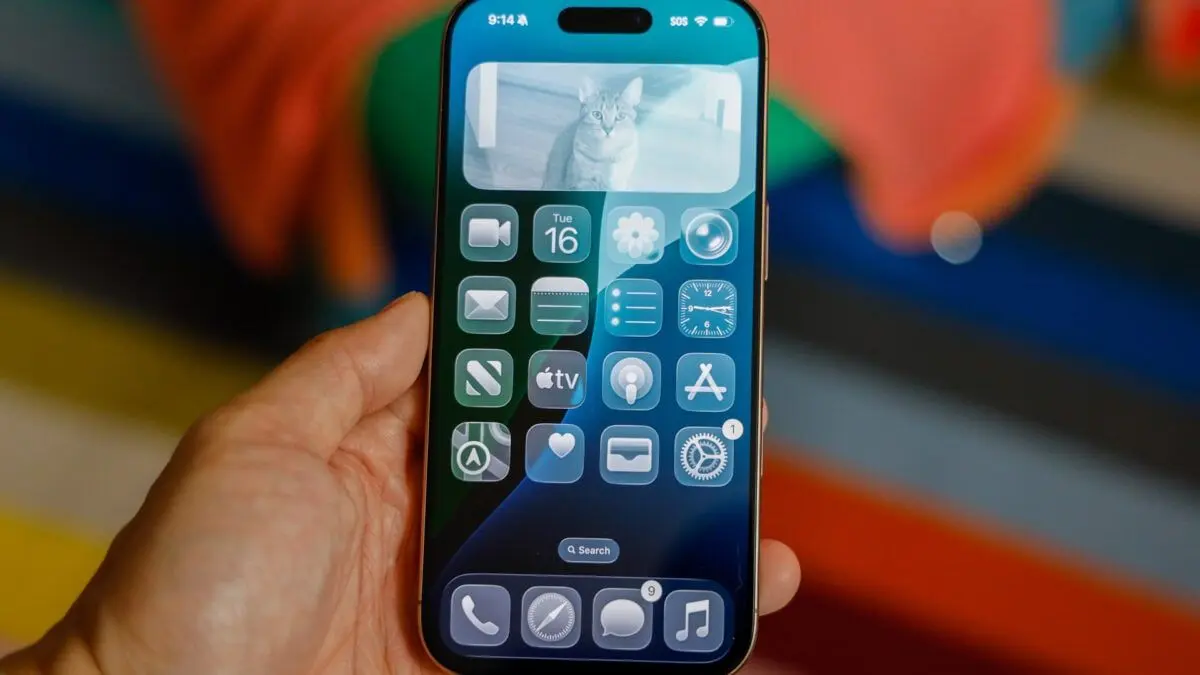
. The update brings camera app upgrades including an Add Widgets panel that lets users swap standard shortcuts for professional tools like depth and exposure adjustments1
. Users can now build complex Shortcuts workflows using natural language instead of step-by-step programming1
. Apple also introduced refinements to the Liquid Glass design language first unveiled in iOS 26, responding to user feedback about readability concerns4
. However, iOS 27 drops support for older devices including the iPhone 11 series and second-generation iPhone SE5
.Related Stories

Apple announced AI integrations across Apple's ecosystem with updates to iPadOS 27, macOS 27, and watchOS 27 inheriting many iOS 27 enhancements
1
. The macOS 27 update, named Golden Gate, exclusively supports Apple Silicon hardware4
. However, a significant limitation emerged: EU users won't receive the new Siri AI experience when iOS 27 and iPadOS 27 launch later this year4
. Apple attributed this delay to EU regulatory disagreements over Digital Markets Act implementation, stating regulators rejected proposals designed to maintain privacy and security protections while allowing interoperability with third-party virtual assistants4
. Despite the Siri-heavy focus, some observers noted the keynote felt structurally different, with less emphasis on platform-specific features for iPad and Apple Watch compared to previous years3
. The shift toward AI-first announcements represents Apple's response to criticism about its AI progress, though questions remain about whether the company over-corrected at the expense of traditional developer-focused content3
.

Source: PC Magazine
Summarized by
Navi
1
Technology

2
Technology

3
Policy and Regulation