Australian Startup Tests Quantum Computer to Tackle AI Data Centers' Energy Crisis


2 Sources
[1]
Quantum could solve AI energy drain, says tech founder
Quantum computers could curb the vast energy demands of artificial intelligence data centers with their ability to run complex calculations, one of the tech's pioneers told AFP. Australian startup Diraq is conducting the first field test worldwide putting a small quantum computer based on a
[2]
Quantum could solve AI energy drain, says tech founder
Sydney (AFP) - Quantum computers could curb the vast energy demands of artificial intelligence data centres with their ability to run complex calculations, one of the tech's pioneers told AFP. Australian startup Diraq is conducting the first field test worldwide putting a small quantum computer
Share
Copy Link
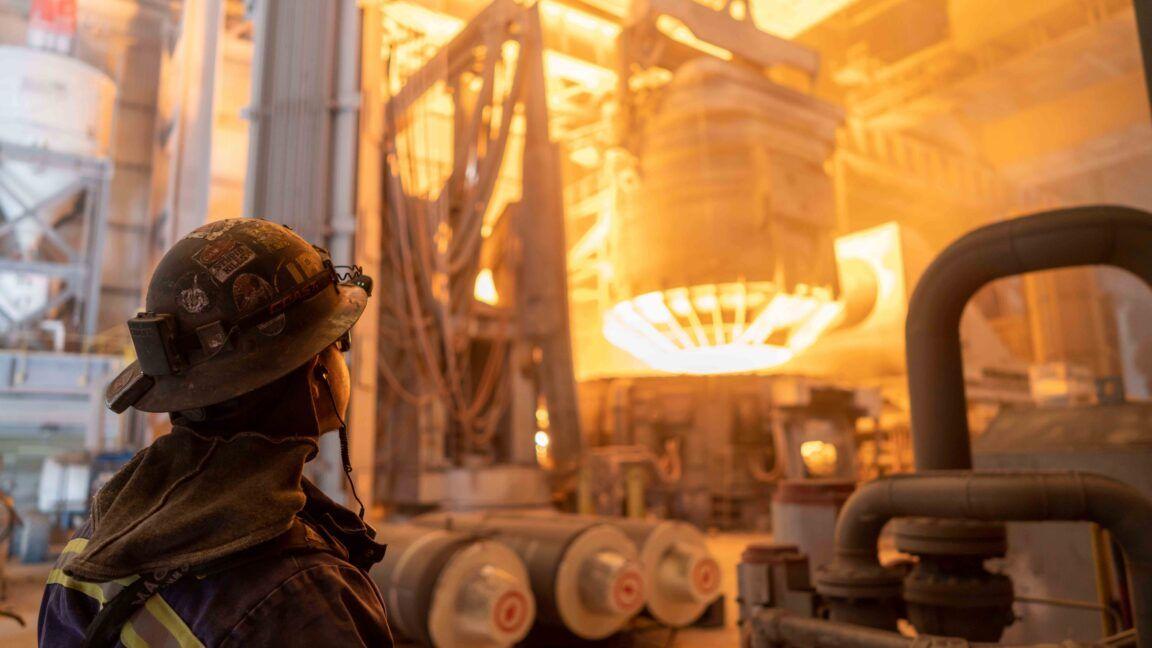
Australian startup Diraq is conducting the world's first field test of a silicon chip quantum computer in a commercial data center in Sydney. Founder Andrew Dzurak says quantum computing will be ready to address gigawatt-scale AI energy consumption within five years, with their system drawing less than 20 kilowatts of power.
Quantum Computing Tackles AI's Growing Energy Crisis
Australian startup Diraq is conducting the world's first field test of a quantum computer in a commercial data center, positioning quantum computing as a solution to the mounting AI energy consumption crisis. The company has installed a small silicon chip quantum computer at Equinix's Sydney data center, marking a shift from university labs to real-world commercial applications
1
. According to Diraq founder Andrew Dzurak, quantum computing will be ready to lift the energy burden in AI data centers within five years. "One of the reasons the next generations of AI are looking to consume so much power is that a whole class of the problems they are solving are problems that really are much better suited to quantum calculations," Dzurak told AFP2
.The timing is critical. Gigawatt-scale energy demand from large AI data centers—warehouse-like buildings full of servers used to train or run AI tools—requires new power plants or increases pressure on electrical grids, sparking community backlash. Diraq's approach offers a compelling alternative to this escalating problem.
How Diraq's Silicon Chip Quantum Computer Works
Quantum computers harness the power of quantum mechanics—laws that govern how physics operates at atomic and subatomic scales—to process information in ways traditional computers cannot. While quantum computers usually require extremely cold cryogenic temperatures, Diraq's model operates differently. The self-contained system draws less than 20 kilowatts of power as it runs alongside a computer humming at room temperature in the data center
1
.
Source: Phys.org
The current system installed at Equinix's facility has eight qubits on a silicon chip. Qubits, the basic unit of information in quantum computing, can store more data and make more advanced calculations faster than classical computers, using quantum mechanics principles
2
. This will be gradually upgraded to 150,000 qubits by 2029, with Diraq planning to have a system with 2 million qubits on a silicon chip by 2031. At that scale, the energy usage will be a couple of hundred kilowatts—a fraction of what traditional AI data centers consume.Beyond AI: Pharmaceutical and Industrial Applications
The potential uses of quantum computing extend far beyond powering AI. Dzurak points to rapidly and energy-efficiently calculating the "behavior of molecules that could be used in pharmaceuticals, or much lighter batteries or the chemical industry"
1
. Using quantum for drug trials could boost success by 10% and reduce the cost of bringing a new medicine to market by a third, if it runs for under $100 million per year, the company estimates. "It will only happen if we can build quantum computers that are cost-effective," Dzurak emphasized2
.Related Stories
Australia's Quantum Science Leadership and DARPA Testing
Diraq is among six global companies at the third stage of the U.S. Defense Advanced Research Projects Agency (DARPA) quantum benchmarking initiative, which will test if any quantum computer can solve real problems at a cost that delivers value by 2033
1
. Diraq plans to reach DARPA's definition two years ahead of the deadline, by 2031. Another Australian startup, PsiQuantum, is also on the DARPA list and backed by an AU$1 billion Australian government investment to build a different model of quantum computer in Queensland state. Construction started in June2
.The country is experiencing a Silicon Valley moment in quantum, said Dzurak. Australian physicist Michelle Simmons' startup Silicon Quantum Computing was named by Time magazine as having one of the best inventions of 2026, a quantum-enhanced AI chip. Cathy Foley, President of the Australian Academy of Technological Sciences and Engineering, noted that "Australia has more than 50 quantum-related businesses operating here"
1
. Australia has been a global leader in quantum science for decades, partly because of investment in startups emerging from universities.Commercialization Challenges and AUKUS Partnership
Despite Australia's strength in quantum science, "commercialization is certainly one of our biggest challenges," Foley said. "Australia is very good at making discoveries, but turning them into successful businesses requires much more than great science"
2
. The Australian government has made quantum a priority through its AUKUS defense technology partnership with Britain and the United States. AUKUS has reduced the security barriers for sharing quantum technology between the countries, which has been "essential" for Diraq to work across Australia and its offices in the larger U.S. market, said Dzurak1
. This partnership could accelerate the path from laboratory innovation to commercial viability, helping Australia overcome its historical challenge of translating scientific breakthroughs into market success.References
Summarized by

Navi
Related Stories
Quantum computers could boost AI by processing large datasets with minimal memory requirements
20 Apr 2026•Science and Research

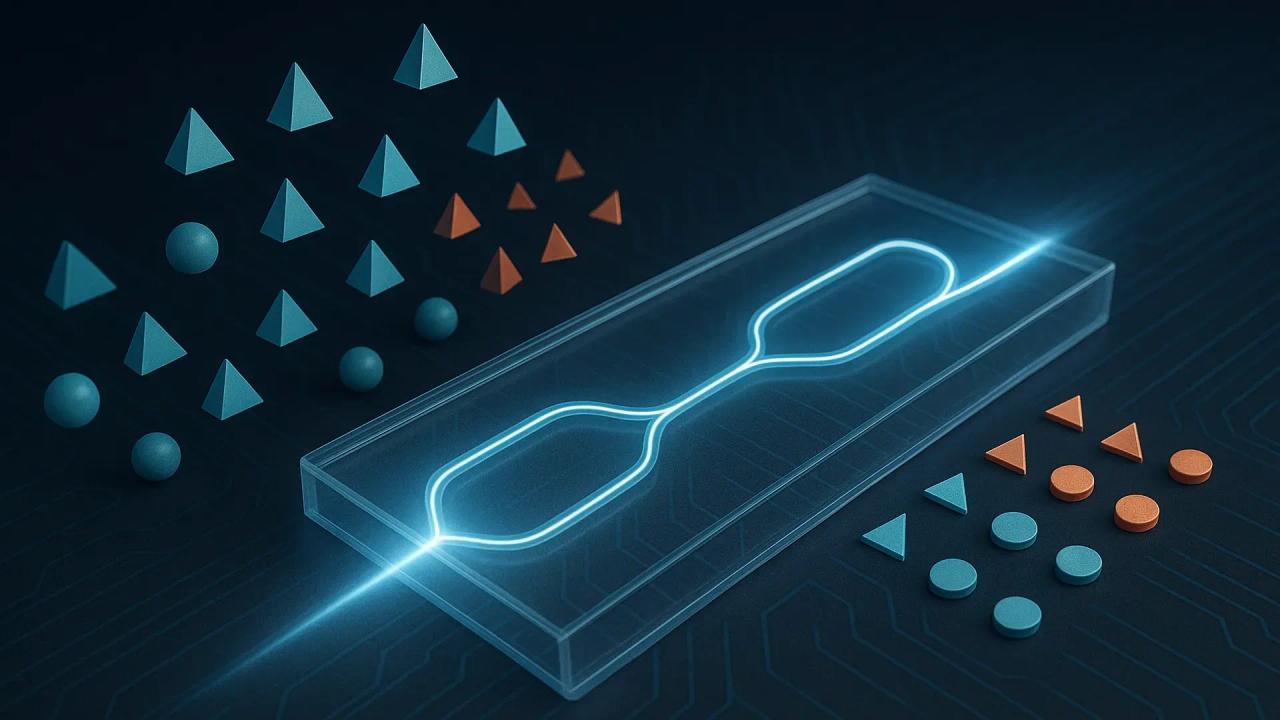
Quantum Photonic Chip Outperforms Classical AI in Accuracy and Energy Efficiency
10 Jun 2025•Science and Research
AI Data Centers Waste Up to 40% of Power on Inefficiencies, Nvidia Reveals
09 Oct 2026•Technology

Recent Highlights
1
Jensen Huang's Affair with Suspected Chinese Spy Exposes $7 Billion AI Chip Smuggling Network
Policy and Regulation

2
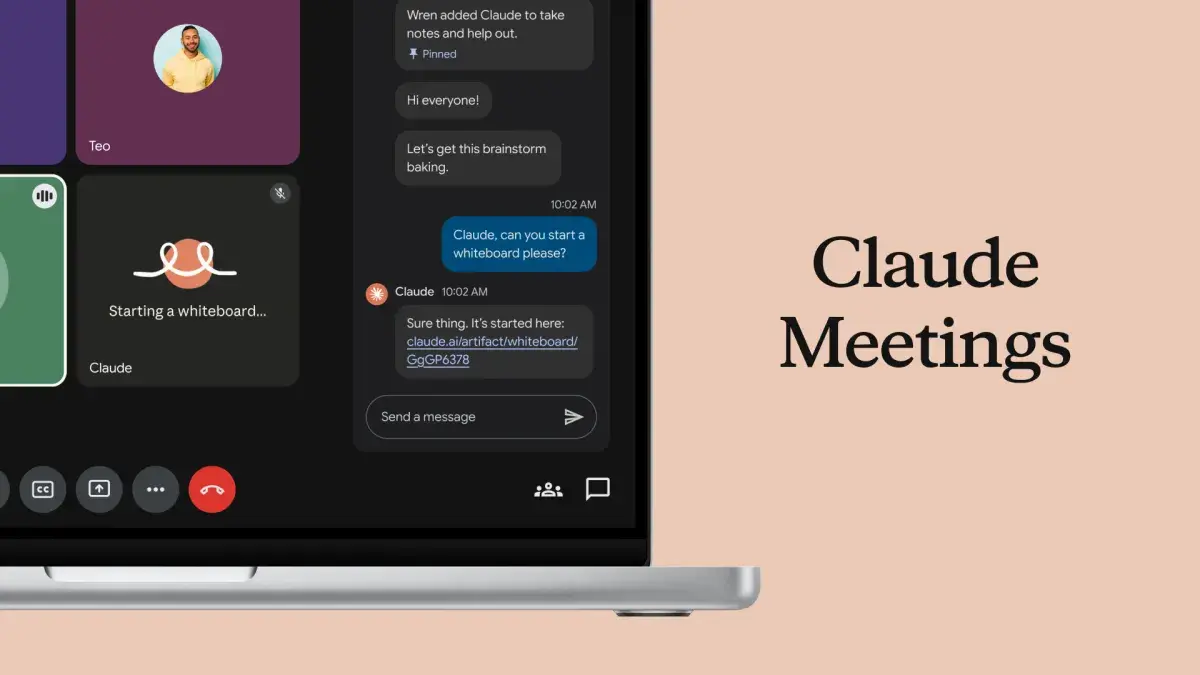
Anthropic Launches Claude Meetings and AI-Powered Office Tools to Challenge Microsoft and Google
Technology
3
Samsung Smart Glasses With Google Gemini AI Open for Pre-Orders November 12th
Technology

Recent Highlights
Today's Top Stories





Don’t drown in AI news. We cut through the noise - filtering, ranking and summarizing the most important AI news, breakthroughs and research daily. Follow topics that matter to you and stay ahead.


