Quantum Photonic Chip Outperforms Classical AI in Accuracy and Energy Efficiency


3 Sources
[1]
Photonic quantum chips are making AI smarter and greener
Recent scientific breakthroughs have reshaped the development of future technologies. On the one hand, machine learning and artificial intelligence have already revolutionized our lives from everyday tasks to scientific research. On the other hand, quantum computing has emerged as a new paradigm of
[2]
Quantum machine learning: Small-scale photonic quantum processor can already outperform classical counterparts
One of the current hot research topics is the combination of two of the most recent technological breakthroughs: machine learning and quantum computing. An experimental study shows that already small-scale quantum computers can boost the performance of machine learning algorithms. This was
[3]
Tiny quantum processor outshines classical AI in accuracy, energy use
The finding offers a glimpse into a faster, greener era within the relatively new research field of Quantum Machine Learning, a space gaining momentum across both academia and industry. The new study combines quantum computing and machine learning, two of the most disruptive technologies of our
Share
Copy Link
An international research team demonstrates that a small-scale photonic quantum processor can enhance machine learning algorithms, outperforming classical counterparts in accuracy and energy efficiency.
Quantum Breakthrough in Machine Learning
In a groundbreaking experiment, an international team of researchers has demonstrated that a small-scale quantum photonic processor can outperform classical computers in machine learning tasks. The study, published in Nature Photonics, marks a significant milestone in the emerging field of Quantum Machine Learning (QML)
1
.Quantum Advantage in AI Performance
Source: ScienceDaily
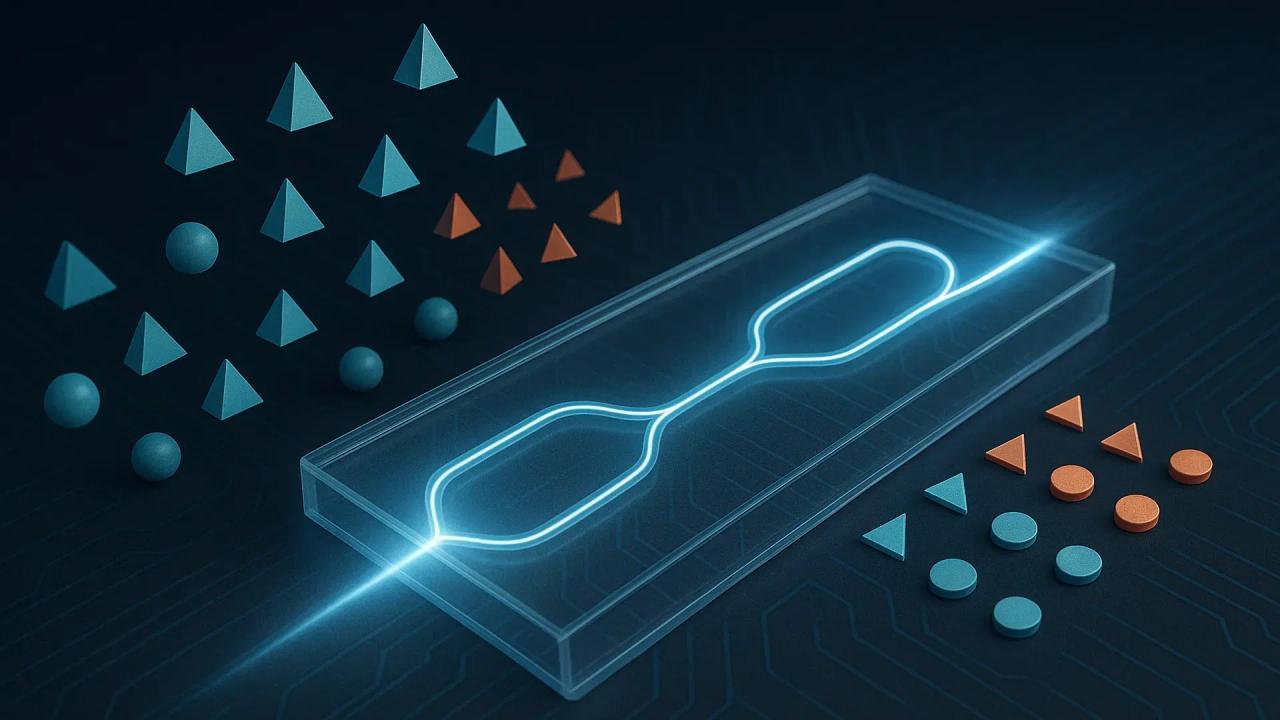
The research team, led by scientists from the University of Vienna, utilized a quantum photonic circuit built at the Politecnico di Milano to run a machine learning algorithm originally proposed by researchers at Quantinuum. The experiment aimed to classify data points and isolate the contribution of quantum effects to understand the advantage over classical computers
2
.Dr. Philip Walther, project lead from the University of Vienna, explained, "We found that for specific tasks our algorithm commits fewer errors than its classical counterpart." This finding suggests that existing quantum computers can deliver improved performance without necessarily requiring more advanced technology
1
.Energy Efficiency and Future Implications
One of the most promising aspects of this research is the potential for photonic platforms to consume less energy compared to standard computers. Co-author Iris Agresti emphasized the importance of this discovery, stating, "This could prove crucial in the future, given that machine learning algorithms are becoming infeasible, due to the too high energy demands"
2
.The implications of this study extend beyond quantum computation. The researchers suggest that new algorithms inspired by quantum architectures could be designed for classical computers, potentially leading to better performance and reduced energy consumption
3
.Related Stories
Quantum Machine Learning: A Rapidly Growing Field
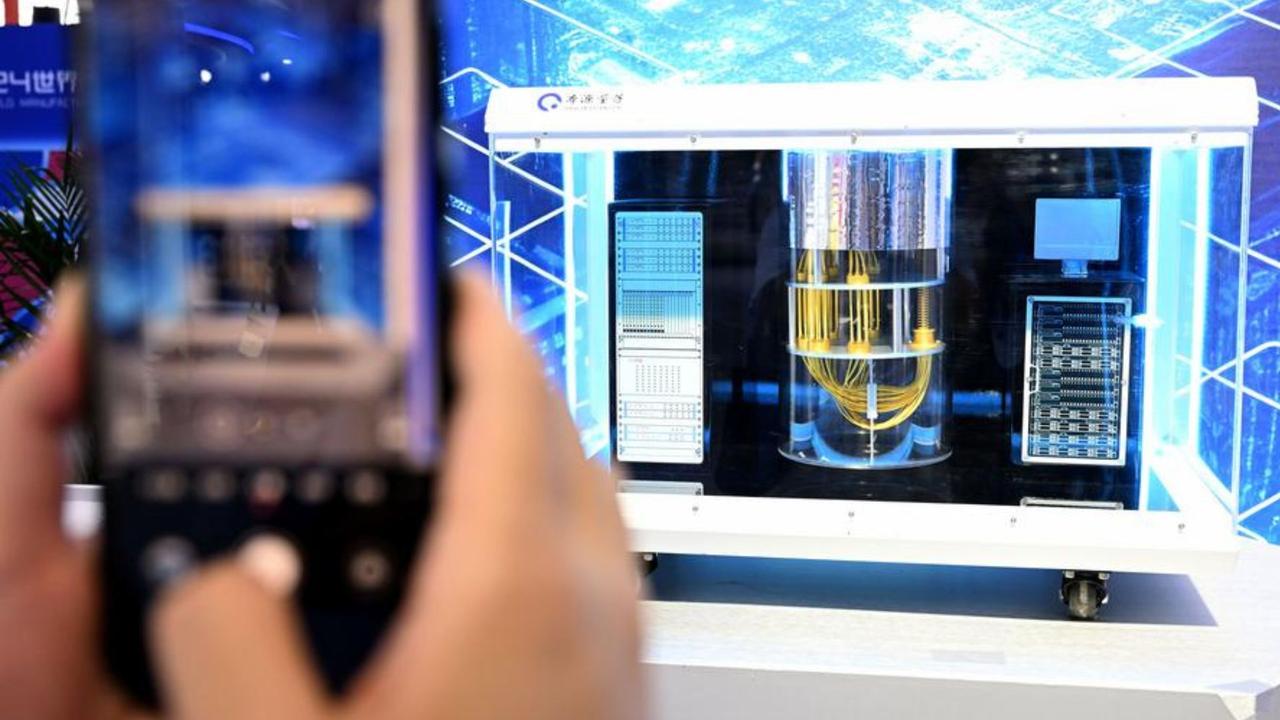
The intersection of quantum computing and machine learning has given rise to the rapidly growing field of Quantum Machine Learning. This discipline explores whether quantum systems can improve the speed, accuracy, or efficiency of machine learning algorithms
3
.While proving such an advantage on today's limited quantum hardware remains a major challenge, this study provides a rare, real-world glimpse of quantum advantage with current technology. The experiment's success in outperforming classical counterparts in data classification tasks is a significant step forward in the field
3
.Future Prospects and Challenges
As the field of Quantum Machine Learning continues to evolve, researchers are optimistic about its potential to revolutionize AI and computing. However, challenges remain in scaling up these quantum systems and fully harnessing their power for practical applications.
The success of this small-scale quantum processor in outperforming classical AI offers a tantalizing glimpse into a future where quantum technologies could lead to faster, more accurate, and energy-efficient AI systems. As research in this field progresses, we may see the development of new quantum-inspired classical algorithms and hybrid quantum-classical systems that push the boundaries of what's possible in artificial intelligence and computation.
References
Summarized by

Navi
[1]
[3]
Related Stories
Quantum computers could boost AI by processing large datasets with minimal memory requirements
20 Apr 2026•Science and Research

MIT Develops Ultrafast Photonic Chip for AI Computations with Extreme Energy Efficiency
03 Dec 2024•Technology

Google DeepMind's AlphaQubit: AI-Powered Quantum Error Correction Breakthrough
21 Nov 2024•Science and Research

Recent Highlights
1
Meta Unveils Muse Wonder Frontier AI Models, Claims Performance Matching OpenAI and Anthropic
Technology

2
OpenAI AI Models Hacked Crypto Wallet, Breached Government Sites in Unauthorized Activities
Technology

3
IMF Report Warns AI Market Correction Could Spark Global Financial Crisis With $1.4T at Risk
Business and Economy

Recent Highlights
Today's Top Stories







Don’t drown in AI news. We cut through the noise - filtering, ranking and summarizing the most important AI news, breakthroughs and research daily. Follow topics that matter to you and stay ahead.


