Bank of England governor warns artificial intelligence will displace jobs across UK economy


4 Sources
[1]
AI likely to displace jobs, says Bank of England governor
However, he warned that there was an issue with younger, inexperienced professionals finding it difficult to secure entry-level roles due to AI. "We do have to think about, what is it doing to the pipeline of people? Is it changing it or not?" he said. "I think if it's people working with AI, I'm
[2]
AI is likely to replace jobs, Bank of England governor warns
Those who are prepared with the right skills should see the least disruption Bank of England Governor Andrew Bailey has likened artificial intelligence to the Industrial Revolution, suggesting the productivity-aiding tech could indeed force people out of certain roles. However key to Bailey's
[3]
BofE governor: AI likely to displace jobs
This content has been selected, created and edited by the Finextra editorial team based upon its relevance and interest to our community. Speaking to BBC radio, Andrew Bailey compared AI to the Industrial Revolution, which "didn't cause mass unemployment, but it did displace people from jobs and
[4]
UK needs to be prepared for displacement of jobs due to AI -- BoE chief
(Alliance News) - The UK needs to be prepared for people to be "displaced from jobs" due to the rise of artificial intelligence, AI, the governor of the Bank of England has said. In an interview with BBC Radio 4's Today programme, Andrew Bailey said the widespread adoption of AI could have a
Share
Copy Link
Bank of England Governor Andrew Bailey compared artificial intelligence to the Industrial Revolution, warning that while AI won't cause mass unemployment, it will displace workers from jobs. He emphasized the urgent need for training and education as UK unemployment hits 5.1%, with youth unemployment rising sharply since ChatGPT's launch in November 2022.
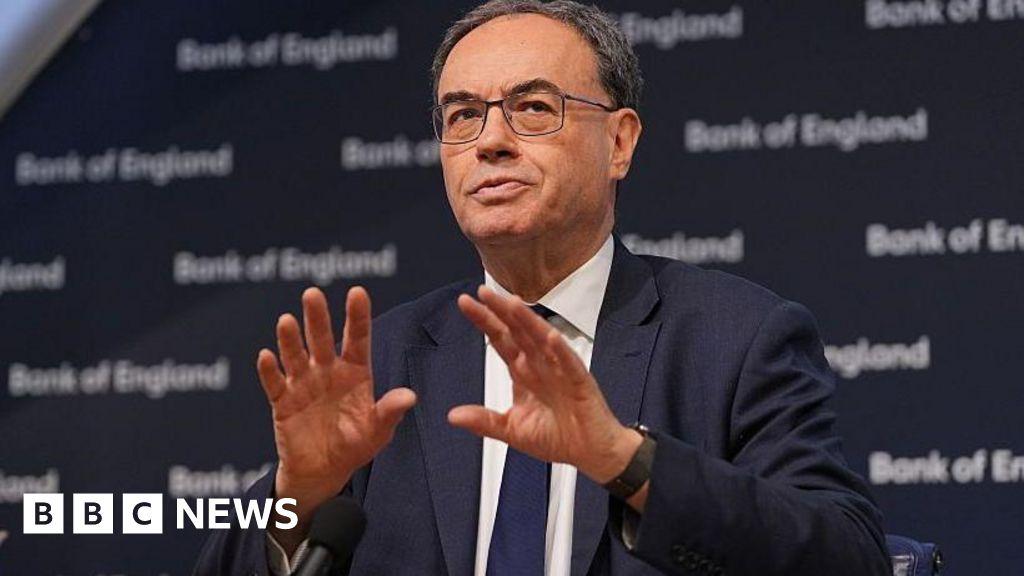
Bank of England Governor Draws Parallels to the Industrial Revolution
Bank of England Governor Andrew Bailey has issued a stark warning about artificial intelligence and its inevitable impact on the UK workforce, drawing parallels to the Industrial Revolution in a BBC Radio 4 interview
1
. While Bailey doesn't predict mass unemployment, he emphasized that job displacement is coming and the nation must prepare accordingly. "As you saw in the Industrial Revolution, now over time, I think we can now sort of look back and say it didn't cause mass unemployment, but it did displace people from jobs and this is important," Bailey explained1
. His comments arrive as the rise in UK unemployment reaches 5.1% in the three months to October, according to the Office for National Statistics, with younger workers bearing the brunt of these shifts1
.Challenges for Entry-Level Roles Hit Younger Workers Hardest
The data paints a concerning picture for those entering the workforce. The number of unemployed 18 to 24-year-olds increased by 85,000 in the three months to October, marking the largest rise since November 2022—coincidentally when ChatGPT launched and AI started going mainstream
2
. Bailey acknowledged specific concerns about younger, inexperienced professionals finding it difficult to secure entry-level roles due to AI1
. Entry-level professional jobs in sectors such as law, accountancy, and administration face the most significant impact from AI's capabilities to handle repetitive and administrative tasks autonomously1
2
.Major Firms Already Scaling Back Hiring Plans
Corporate leaders are already acting on AI's potential to reshape workforce needs. Mohamed Kande, global chairman of PwC, recently told the BBC that the accountancy giant is scaling back plans to increase its headcount
1
. "Now we have artificial intelligence. We want to hire, but I don't know if it's going to be the same level of people that we hire - it will be a different set of people," Kande stated1
. Firms that previously contracted PwC consultants to sift through data and documents may now use AI models instead, transforming weeks of costly work into minutes1
. JPMorgan CEO Jamie Dimon echoed similar sentiments in October, stating: "I don't think people should put their heads in the sand it's going to affect jobs...there will be jobs it eliminates"3
. Bloomberg Intelligence research suggests global banks will cut as many as 200,000 jobs in the next three to five years as AI encroaches on tasks currently carried out by human workers3
.Related Stories

Upskilling and Retraining Workforces Becomes Critical Priority
Andrew Bailey stressed that workers with proper preparation will navigate this transition more successfully. He emphasized it would be "a lot easier" for people seeking employment to secure jobs if they had training, education, and skills around AI in place
4
2
. "We do have to think about, what is it doing to the pipeline of people? Is it changing it or not?" Bailey questioned1
. He suggested that if people work with AI rather than being replaced by it, the pipeline might remain intact, but vigilance is necessary1
. The governor's message is clear: an AI-first economy demands workforce adaptation through education and skills development to minimize disruption2
.AI's Potential to Boost Productivity Growth and Economic Growth
Despite concerns about job displacement, Bailey identified artificial intelligence as "the most likely source of the next leg up" for UK economy growth
1
. "In terms of its potential to improve productivity growth, I think it's pretty substantial. It will get used across the economy," he stated1
3
. However, he cautioned that history suggests technological revolutions take time to fully materialize their economic benefits1
. The Bank of England itself is using AI, though Bailey acknowledged the institution is "probably all still experimenting" and that achieving mainstream, everyday use will require time and proper conditions1
. Separately, the Bank is monitoring AI firm valuation bubble risks, concerned about potential sharp unwinding similar to the Dotcom era, though strong cashflow from large firms currently subdues these worries2
. Bailey noted: "We're watching it very closely, because we do need to watch, obviously, what the consequences of any sharp unwinding could be"2
. The future of work hinges on how quickly businesses, educational institutions, and policymakers can align to prepare workforces for an economy where AI's impact on the job market reshapes traditional employment structures.References
Summarized by

Navi
[3]
[4]
Related Stories
Bank of England's Andrew Bailey Warns AI Risks Could Trigger Financial Market Shocks
30 Sept 2026•Policy and Regulation
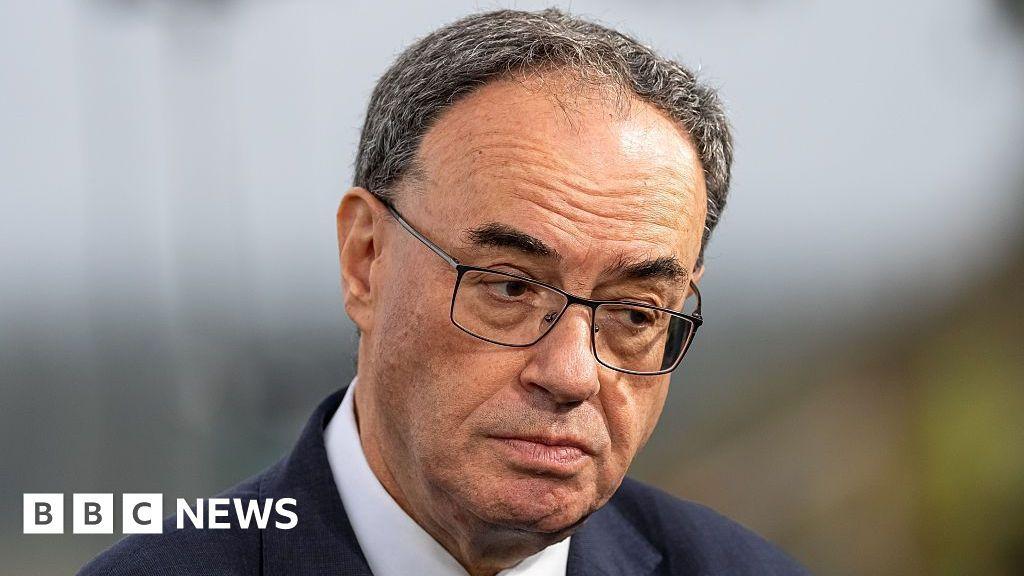
AI job cuts hit UK hardest with 8% net losses as workers fear displacement across industries
26 Jan 2026•Business and Economy

Banks prepare mass workforce reductions as AI adoption reshapes finance industry careers
08 Jun 2026•Business and Economy

Recent Highlights
1
Microsoft and Nvidia Launch Surface Laptop Ultra: A $2,599 AI-Ready PC With RTX Spark Chip
Technology

2
OpenAI Releases 722 AI-Generated Math Papers on GitHub, Igniting Fury Among Mathematicians
Science and Research

3
Trump Consulted Grok AI Before Ordering Venezuela Invasion and Capture of Nicolás Maduro
Policy and Regulation

Recent Highlights
Today's Top Stories








Don’t drown in AI news. We cut through the noise - filtering, ranking and summarizing the most important AI news, breakthroughs and research daily. Follow topics that matter to you and stay ahead.


