Beth Hammack warns AI inflation could force Fed to raise interest rates as demand stays insatiable


2 Sources
[1]
Cleveland Fed President Hammack sees AI fueling inflation, says rate hikes may be necessary
Inflation is too high and may need higher rates to bring it to target: Cleveland Fed's Beth Hammack Cleveland Federal Reserve President Beth Hammack said Tuesday that "insatiable" demand for artificial intelligence infrastructure is fueling inflation. Should that and other pressures continue to
[2]
Fed's Beth Hammack Warns AI Spending Could Keep Inflation Hot and Force Interest Rates Higher: 'Not Seein
Cleveland Federal Reserve President Beth Hammack said Tuesday that surging demand for artificial intelligence infrastructure could add to inflationary pressures and may force the Federal Reserve to raise interest rates again if price growth remains elevated. Speaking to CNBC from the European
Share
Copy Link
Cleveland Federal Reserve President Beth Hammack says surging AI infrastructure spending is driving inflation higher, with hyperscalers paying almost any price for data center equipment. She warns that if inflation persists above the Fed's 2% target, rate hikes may be necessary—a view that contrasts sharply with Fed Chair Kevin Warsh's belief that AI will ultimately prove disinflationary through productivity gains.
Cleveland Federal Reserve President Flags AI Infrastructure Spending as Inflation Driver
Beth Hammack, Cleveland Federal Reserve President, issued a stark warning Tuesday that insatiable demand for AI infrastructure is adding fuel to persistent inflationary pressures across the U.S. economy
1
. Speaking to CNBC from the European Central Bank conference in Sintra, Portugal, Hammack said inflation has remained too high for the past five years and signaled that the Federal Reserve may need to raise interest rates if price growth continues at elevated levels2
. Her comments highlight a growing concern among some policymakers that AI fueling inflation could complicate the central bank's efforts to achieve its 2% target.Hyperscalers Paying Almost Any Price for Data Center Equipment
Hammack pointed to specific evidence from her district that illustrates the intensity of AI infrastructure spending. She cited a manufacturer involved in electric switching equipment for data centers who reported that hyperscalers demonstrate an "insatiable" appetite for these critical components
1
. "What they say is that the demand is insatiable, that these companies—these hyperscalers—will pay almost any price for those inputs, and they need things built yesterday," Hammack explained2
. This aggressive spending pattern suggests that large technology companies remain undeterred by current borrowing costs, creating sustained upward pressure on prices for AI-related infrastructure components.Corporate Investment Shows Little Response to Current Interest Rates
The Cleveland Federal Reserve President noted that she is not observing significant restraint in corporate spending behavior, particularly among large companies. "When I look broadly, particularly around large companies, I'm not seeing a lot of restraint in the economy," Hammack stated
1
. She emphasized that businesses are not citing interest rates or credit spreads as reasons for holding back from investment and growth1
. This observation suggests that current monetary policy may not be restrictive enough to cool demand in key sectors, particularly those tied to artificial intelligence development. The lack of sensitivity to borrowing costs among major corporations raises questions about whether the Federal Reserve's existing policy stance can effectively bring down inflationary pressures without additional tightening.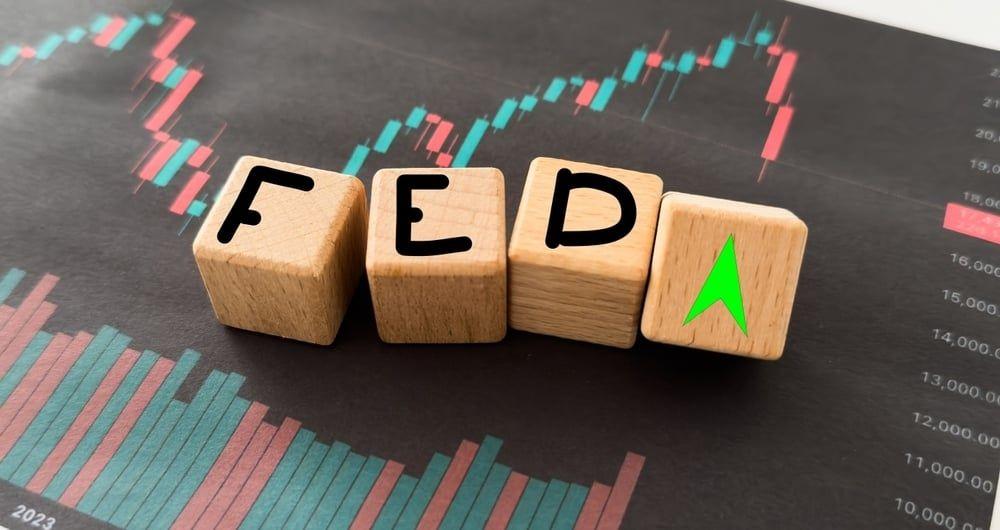
Source: Benzinga
Related Stories

Contrasting Views on AI's Long-Term Impact on Monetary Policy
Hammack's assessment that AI inflation poses an upward risk stands in sharp contrast to Fed Chairman Kevin Warsh's perspective on the technology's economic effects. Warsh has argued that productivity gains from artificial intelligence will decrease labor costs and ultimately prove to be disinflationary over time
1
. This fundamental disagreement within Federal Reserve leadership highlights the uncertainty surrounding AI's net impact on the economy. While Warsh focuses on the potential for efficiency improvements to reduce costs, Hammack emphasizes the immediate inflationary pressures created by massive capital expenditures on data centers and related infrastructure. The debate reflects broader questions about whether the short-term demand shock from AI infrastructure spending will outweigh longer-term disinflationary benefits from enhanced productivity.FOMC Signals Possible Rate Increase Despite Recent Pause
As a voting member of the Federal Open Market Committee this year, Hammack's views carry significant weight in shaping monetary policy decisions
2
. The FOMC voted earlier this month to keep its key overnight interest rate steady, but policymakers' latest projections indicated one quarter-point rate increase could still occur later this year1
. Hammack made clear that if inflation continues to persist at elevated levels without evidence of policy restraint taking hold, the Federal Reserve may need to raise rates to bring inflation back down to target1
. Market participants should watch upcoming economic data closely, particularly indicators related to corporate investment in AI infrastructure and broader price pressures, as these will likely influence whether the Fed follows through with additional tightening. The persistence of strong demand from technology companies for AI-related equipment, combined with limited evidence that current interest rates are constraining corporate spending, suggests that inflationary pressures tied to artificial intelligence may remain a challenge for monetary policy in the months ahead.References
Summarized by

Navi
Related Stories
AI Boom Triggers Global Fight for Capital as Central Banks Signal Higher Interest Rates Ahead
17 Oct 2026•Business and Economy

Fed Officials Clash Over AI Investment Risks as Spending Reaches $2.4 Trillion
05 Aug 2026•Policy and Regulation

Federal Reserve governors warn AI could trigger unemployment spike that monetary policy can't fix
18 Feb 2026•Policy and Regulation

Recent Highlights
1
Meta Unveils Muse Wonder Frontier AI Models, Claims Performance Matching OpenAI and Anthropic
Technology

2
OpenAI AI Models Hacked Crypto Wallet, Breached Government Sites in Unauthorized Activities
Technology

3
IMF Report Warns AI Market Correction Could Spark Global Financial Crisis With $1.4T at Risk
Business and Economy

Recent Highlights
Today's Top Stories






Don’t drown in AI news. We cut through the noise - filtering, ranking and summarizing the most important AI news, breakthroughs and research daily. Follow topics that matter to you and stay ahead.


