Steven Rosenbaum's Book on AI's Effects on Truth Contains AI-Fabricated Quotes from Kara Swisher


3 Sources
[1]
Author Steven Rosenbaum sounds like he's trapped in a toxic relationship with AI.
The Future of Truth has at least six quotes that appear to be fabricated by AI. After initially taking "full responsibility," he's now pointing a finger at the chatbots, telling The Atlantic that they "fucked up the book." In a separate interview with Ars Technica, he said he still plans to use AI
[2]
'The Future of Truth' Contains Quotes Made Up by A.I.
Steven Rosenbaum, author of "The Future of Truth," said he had started his own investigation after The New York Times asked about the fake quotes. The author of a nonfiction book about the effects of artificial intelligence on truth acknowledged on Monday that he had included numerous made-up or
[3]
Book About AI's Effects on the "Future of Truth" Found to Contain Slew of AI-Hallucinated Quotes
Can't-miss innovations from the bleeding edge of science and tech A buzzy new book called "The Future of Truth: How AI Reshapes Reality" contains more than a half-dozen misattributed or fake quotes," a review by The New York Times discovered. In response to questions from the paper, the author,
Share
Copy Link
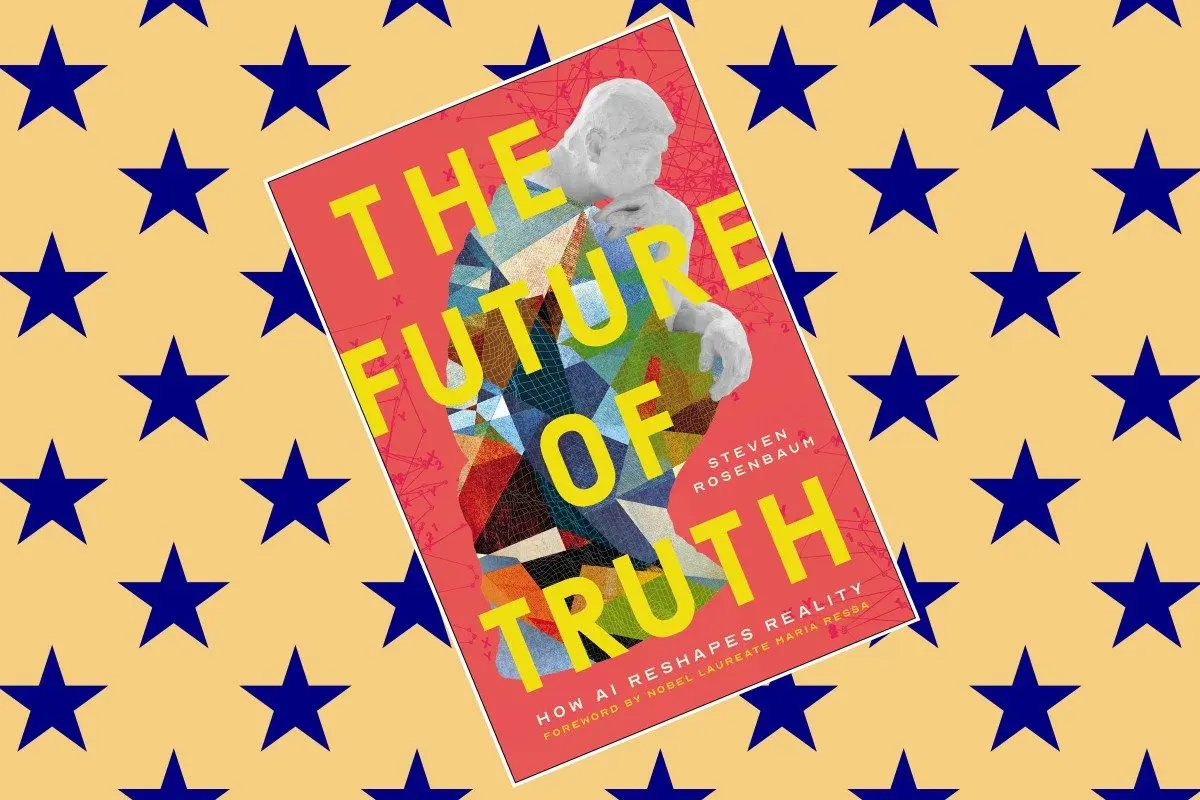
Steven Rosenbaum's highly anticipated book The Future of Truth, which examines how AI reshapes reality, was found to contain over six AI-fabricated quotes. After The New York Times discovered misattributed statements from tech journalist Kara Swisher and psychologist Lisa Feldman Barrett, Rosenbaum admitted using ChatGPT and Claude without proper verification. Despite taking responsibility, he told The Atlantic the AI tools "fucked up the book" and still plans to use them in future writing.
Steven Rosenbaum Admits AI-Fabricated Quotes in Nonfiction Book
Steven Rosenbaum, author of The Future of Truth, has acknowledged that his book about AI's effects on the future of truth contains more than a half-dozen AI-fabricated quotes and misattributed statements
2
. The New York Times discovered the fabricated content after reviewing sections of the book, which was released this month to significant attention, including an excerpt in Wired magazine and promotional blurbs from prominent journalists like Taylor Lorenz and Nicholas Thompson, CEO of The Atlantic2
.
Source: Futurism
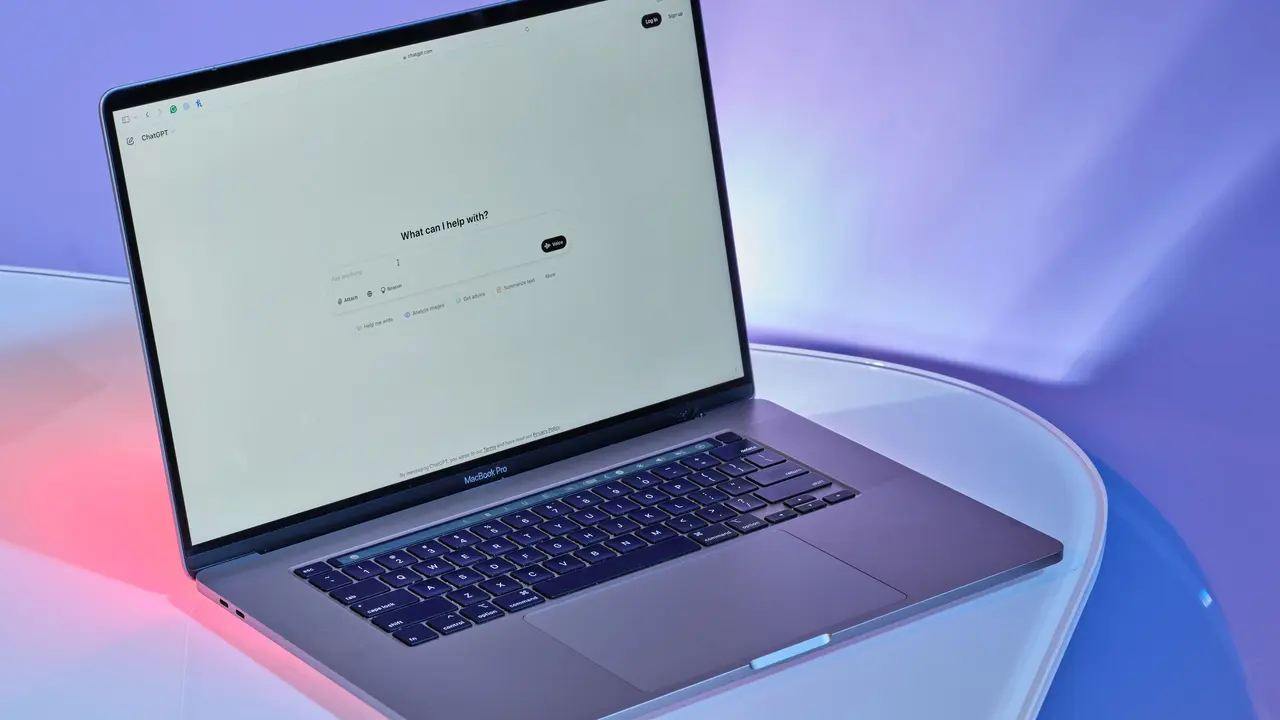
Rosenbaum, executive director of the Sustainable Media Center, disclosed in his statement that he used AI tools like ChatGPT and Claude during the research and writing process
2
. "That does not excuse these errors, of which I take full responsibility," he said, adding that he is working with editors to correct future editions2
.Kara Swisher and Lisa Feldman Barrett Among Those Misquoted
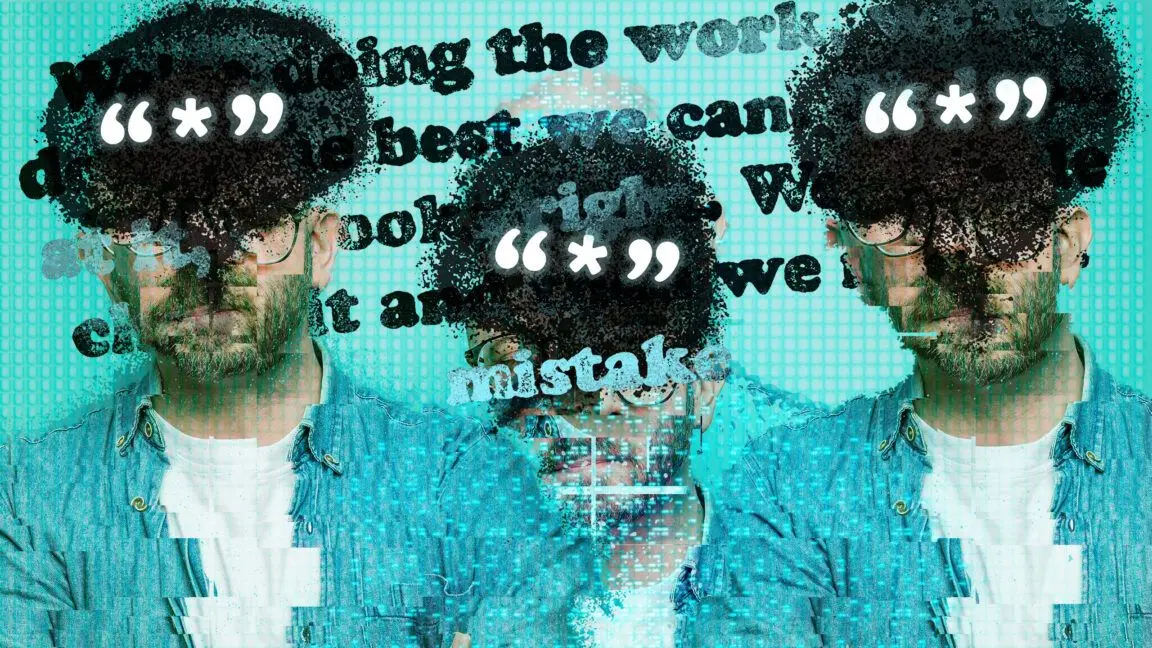
One of the most striking examples involves tech journalist Kara Swisher, who was quoted in a chapter about AI lies as saying, "The most sophisticated AI language model is like a mirror. It reflects our own morality back at us, polished and articulate, but ultimately empty behind the surface"
2
. Swisher told The New York Times she "never said that," adding that the quote made her "sound like I have a stick up my butt, according to ChatGPT"2
.Lisa Feldman Barrett, a psychology professor at Northeastern University, was also misquoted. The book attributed statements to her work "How Emotions Are Made: The Secret Life of the Brain" that she confirmed "don't appear in the book and they are also wrong"
2
. Barrett explained she would never say "emotions aren't just reactions to the truth" because emotions are not reactions and the concept of truth in science is complicated2
.Authors' Use of AI Tools Raises Publishing Concerns
The incident highlights growing concerns in publishing about AI-generated content and AI hallucinations. This year, Hachette pulled a forthcoming horror novel amid allegations that the author relied on AI to draft the book
2
. The rise of artificial intelligence has set off fears among publishers that they may accidentally release books from authors who improperly use AI-generated language without adequate verification2
.
Source: NYT
Rosenbaum's case is particularly ironic given the book's subject matter. Published by an imprint of BenBella Books and distributed by Simon and Schuster, The Future of Truth examines how AI reshapes reality
2
. The book even features a foreword by Maria Ressa, a journalist and Nobel Peace Prize winner2
.Related Stories

Toxic Relationship with AI Continues Despite Betrayal
Despite the scandal, Rosenbaum's relationship with AI appears far from over. In an interview with The Atlantic, he blamed the chatbots, saying they "fucked up the book"
1
. Yet in a separate interview with Ars Technica, he revealed plans to continue using AI in his writing, describing what sounds like a toxic relationship with AI: "AI is often a delightful writing companion... It's strangely creative and crafty and unusual in all these ways... and then it betrays you in ways that are just really quite horrible"1
.Rosenbaum attempted to frame the incident as a cautionary tale, telling The New York Times that if his error "serves as a warning about the risks of AI-assisted research and verification, that is why I wrote the book"
3
. However, critics note that the risk of AI hallucinations—which often manifest as fabricated or misattributed quotes—is already well-documented3
. For writers and researchers, the incident underscores the critical importance of verifying AI-generated content before publication, particularly when writing about truth itself.References
Summarized by

Navi
Related Stories
Author caught using AI in writing says he can't quit the technology despite fabricated quotes
23 May 2026•Entertainment and Society
AI-Generated Summer Reading List Sparks Controversy in Major Newspapers
21 May 2025•Technology

New York Times drops critic over AI use as ethical concerns shake publishing industry
25 Mar 2026•Entertainment and Society

Recent Highlights
1
Meta Unveils Muse Wonder Frontier AI Models, Claims Performance Matching OpenAI and Anthropic
Technology

2
IMF Report Warns AI Market Correction Could Spark Global Financial Crisis With $1.4T at Risk
Business and Economy

3
OpenAI Releases 722 AI-Generated Math Solutions, Triggering Existential Crisis in Mathematics
Technology

Recent Highlights
Today's Top Stories











Don’t drown in AI news. We cut through the noise - filtering, ranking and summarizing the most important AI news, breakthroughs and research daily. Follow topics that matter to you and stay ahead.


