Brain Cells Outperform AI in Learning Speed and Efficiency, Study Reveals


2 Sources
[1]
Brain cells beat AI in learning speed and efficiency
Cortical LabsAug 12 2025 Researchers have demonstrated that brain cells learn faster and carry out complex networking more effectively than machine learning by comparing how both a Synthetic Biological Intelligence (SBI) system known as 'DishBrain' and state-of-the-art RL (reinforcement learning)
[2]
Brain cells learn faster than machine learning, research reveals
Researchers have demonstrated that brain cells learn faster and carry out complex networking more effectively than machine learning by comparing how both a Synthetic Biological Intelligence (SBI) system known as "DishBrain" and state-of-the-art RL (reinforcement learning) algorithms react to
Share
Copy Link
A groundbreaking study by Cortical Labs demonstrates that biological neural networks learn faster and more efficiently than state-of-the-art machine learning algorithms, potentially revolutionizing AI development.
Groundbreaking Research Reveals Brain Cells' Superior Learning Capabilities
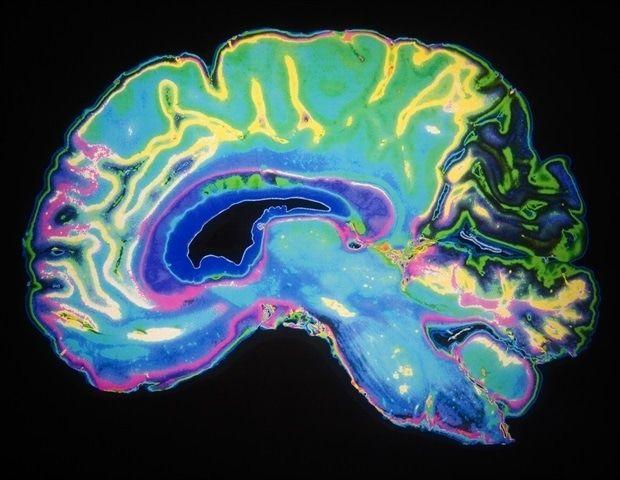
In a pioneering study, researchers at Cortical Labs have demonstrated that brain cells learn faster and perform complex networking more efficiently than machine learning algorithms. The study, titled "Dynamic Network Plasticity and Sample Efficiency in Biological Neural Cultures: A Comparative Study with Deep Reinforcement Learning," marks the first known comparison of its kind between biological and artificial intelligence systems
1
2
.
Source: News-Medical
The DishBrain Experiment
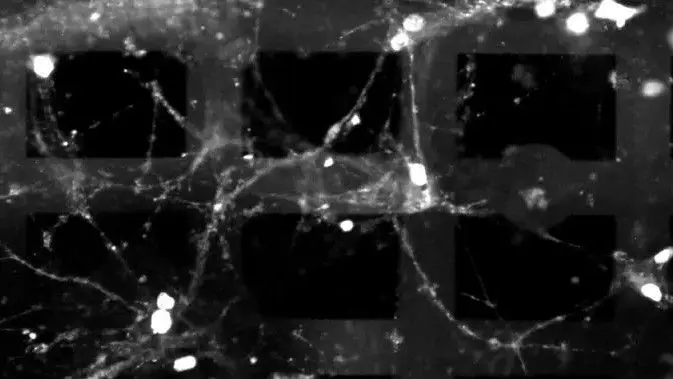
The research centered around a Synthetic Biological Intelligence (SBI) system called 'DishBrain,' which integrates live neural cultures with high-density multi-electrode arrays in real-time, closed-loop game environments. By analyzing the complex network dynamics of in vitro neural systems, researchers were able to distinguish between 'Rest' and 'Gameplay' conditions, revealing crucial patterns for real-time monitoring and manipulation
1
.Biological vs. Artificial Intelligence
To contextualize their findings, the team compared the learning efficiency of these biological systems with state-of-the-art deep reinforcement learning (RL) algorithms such as DQN, A2C, and PPO in a Pong simulation. The results were striking: when samples were limited to a real-world time course, even simple biological cultures outperformed deep RL algorithms across various game performance characteristics, suggesting higher sample efficiency
2
.The CL1: World's First Biological Computer
This breakthrough research led to the creation of the CL1, the world's first commercial biological computer developed by Cortical Labs. The CL1 fuses lab-cultivated neurons from human stem cells with silicon hardware, representing a significant advancement in AI technology
1
2
.Bioengineered Intelligence: A New Frontier

Source: Tech Xplore
Building on their initial success, Cortical Labs has proposed a novel approach called Bioengineered Intelligence (BI). This concept, detailed in a separate paper titled "Two Roads Diverged: Pathways Towards Harnessing Intelligence in Neural Cell Cultures," suggests that specifically engineered neural circuits could give rise to a new pathway for developing intelligent systems
1
2
.Related Stories

Implications for AI and Neuroscience
Brett Kagan, Chief Scientific Officer at Cortical Labs, emphasized the significance of these findings: "Understanding how neural activity is linked to information processing, intelligence and eventually behavior is a core goal of neuroscience research -- this paper is an important and exciting step in that journey"
2
.Future Prospects and Ethical Considerations
While the research opens up exciting possibilities for advancing AI capabilities, the team at Cortical Labs stresses the importance of ethical sustainability in this emerging field. They propose that progress in both Organoid Intelligence (OI) and Bioengineered Intelligence (BI) pathways will maximize advancements in the most responsible manner
1
2
.As this groundbreaking research continues to unfold, it promises to reshape our understanding of intelligence and pave the way for more efficient, biologically-inspired computing systems that could revolutionize various fields, from medicine to technology.
References
Summarized by

Navi
[1]
Related Stories
Princeton creates 3D neural network that computes with living brain cells to tackle AI energy crisis
23 Apr 2026•Science and Research
Cortical Labs Unveils CL1: World's First Commercial Biological Computer Using Human Brain Cells
06 Mar 2025•Technology

Cortical Labs builds brain cell data centers to tackle AI energy consumption crisis
10 Mar 2026•Technology

Recent Highlights
1
Microsoft and Nvidia Launch Surface Laptop Ultra: A $2,599 AI-Ready PC With RTX Spark Chip
Technology

2
Trump Consulted Grok AI Before Ordering Venezuela Invasion and Capture of Nicolás Maduro
Policy and Regulation

3
Scientists Build AI Model That Reconstructs Images From Brain Scans in Record Time
Science and Research

Recent Highlights
Today's Top Stories






Don’t drown in AI news. We cut through the noise - filtering, ranking and summarizing the most important AI news, breakthroughs and research daily. Follow topics that matter to you and stay ahead.


