Buddhism Cautions Against AI Avatars of the Deceased: A Perspective on Grief and Technology


3 Sources
[1]
It is becoming easier to create AI avatars of the deceased - here is why Buddhism would caution against it
Elaine Lai does not work for, consult, own shares in or receive funding from any company or organisation that would benefit from this article, and has disclosed no relevant affiliations beyond their academic appointment. In a story in the Buddhist canon, a grief-stricken mother named Kisa Gautami
[2]
It is becoming easier to create AI avatars of the deceased. Here is why Buddhism would caution against it
In a story in the Buddhist canon, a grief-stricken mother named Kisa Gautami loses her only child and carries the body around town, searching for some way to resurrect the child. When she encounters the Buddha, he asks her to collect several mustard seeds from a family that has never experienced
[3]
What Buddhism would say about AI avatars of the dead
In a story in the Buddhist canon, a grief-stricken mother named Kisa Gautami loses her only child and carries the body around town, searching for some way to resurrect the child. When she encounters the Buddha, he asks her to collect several mustard seeds from a family that has never experienced
Share
Copy Link
As AI technology advances, creating digital avatars of deceased loved ones is becoming more common. This article explores the Buddhist perspective on this practice and its potential impact on the grieving process.
The Rise of AI Avatars for the Deceased
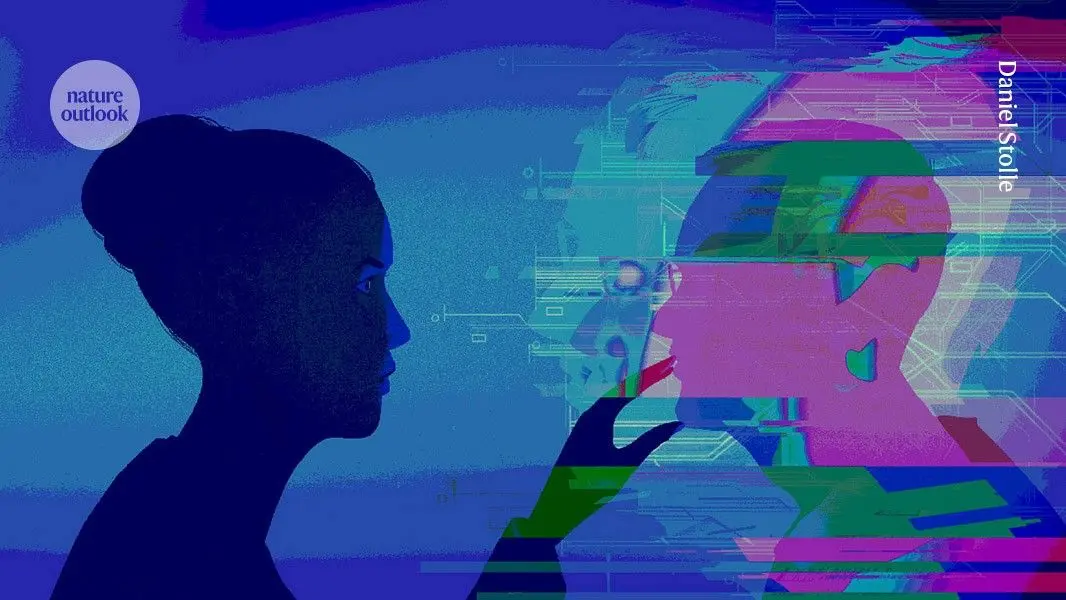
In recent years, advancements in artificial intelligence have made it increasingly possible to create digital avatars of deceased loved ones. This technology, showcased in the 2020 Korean documentary "Meeting You," allows grieving individuals to interact with simulations of their departed family members
1
. The practice has gained traction, with people now using AI to create "grief bots" for ongoing conversations with the deceased2
.
Source: Phys.org
Buddhist Perspective on Suffering and Attachment
Buddhist teachings offer a cautionary view on the use of such technology. According to Buddhist thought, the root of all suffering is clinging to illusions
1
. The creation of digital avatars may provide temporary comfort but could potentially distort reality and intensify attachment to an illusion of the deceased2
.The Great Perfection and Grief as a Catalyst
In the Great Perfection tradition of Vajrayana Buddhism, uncomfortable feelings such as grief are viewed as opportunities for spiritual growth. This approach encourages individuals to allow emotions to transform naturally, rather than suppressing or altering them
3
. By cultivating awareness of these emotions, grief can become a catalyst for compassion towards others and a deeper understanding of interconnectedness.Buddhist Rituals for Processing Grief
Buddhism offers communal rituals for processing grief, such as the 49-day service common in many Buddhist traditions. During this period, families set up altars, recite prayers, and practice generosity to accumulate merit for the deceased
1
. These rituals provide support and time for grieving, contrasting sharply with the limited bereavement leave often granted in countries like the United States.
Source: The Conversation
Related Stories



Potential Drawbacks of AI Avatars
While AI avatars may offer comfort, they could potentially undermine the grieving process. Interactions with a griefbot that responds to every request may create an inauthentic version of the deceased, diminishing genuine memories
2
. Moreover, relying on these technological solutions may hinder opportunities for genuine transformation and connection that come from facing loss directly.Embracing Impermanence
Buddhist teachings encourage individuals to deepen their relationship with impermanence rather than seeking technological fixes to avoid grief. This approach emphasizes savoring fleeting moments with loved ones in the present, rather than clinging to artificial representations of the past
3
. By accepting the reality of loss, individuals may find a path to healing that aligns with Buddhist principles of compassion and awareness.References
Summarized by

Navi
[1]
[2]
[3]
Related Stories
Recent Highlights



Recent Highlights
Today's Top Stories



Don’t drown in AI news. We cut through the noise - filtering, ranking and summarizing the most important AI news, breakthroughs and research daily. Follow topics that matter to you and stay ahead.


