California Bans Fully Automated AI Firings With No Robo Bosses Act


2 Sources
[1]
Regulators are trying to protect you from being fired by AI - here's how - ZDNET
* AI is playing a bigger role in hiring and firing decisions. * New California legislation protects workers from fully automated personnel decisions. * It could set the tone for other state or national legislation. AI use at work is up, touching everything from everyday tasks to hiring and
[2]
Can an Algorithm Fire You? California's Groundbreaking New Law Says Not Anymore
An algorithm can flag a worker for discipline -- but in California, it can no longer have the final word. On September 30, the Governor of California Gavin Newsom signed Senator Jerry McNerney's SB 947, a landmark AI law, banning California employers from relying solely on artificial intelligence
Share
Copy Link
California Governor Gavin Newsom signed SB 947, the No Robo Bosses Act, prohibiting employers from using AI alone to fire or discipline workers. The landmark legislation requires human oversight in automated decision-making systems and mandates employers verify AI outputs before terminating employees, setting a precedent for AI regulation nationwide.
California Passes First-in-Nation AI Workplace Protection Law
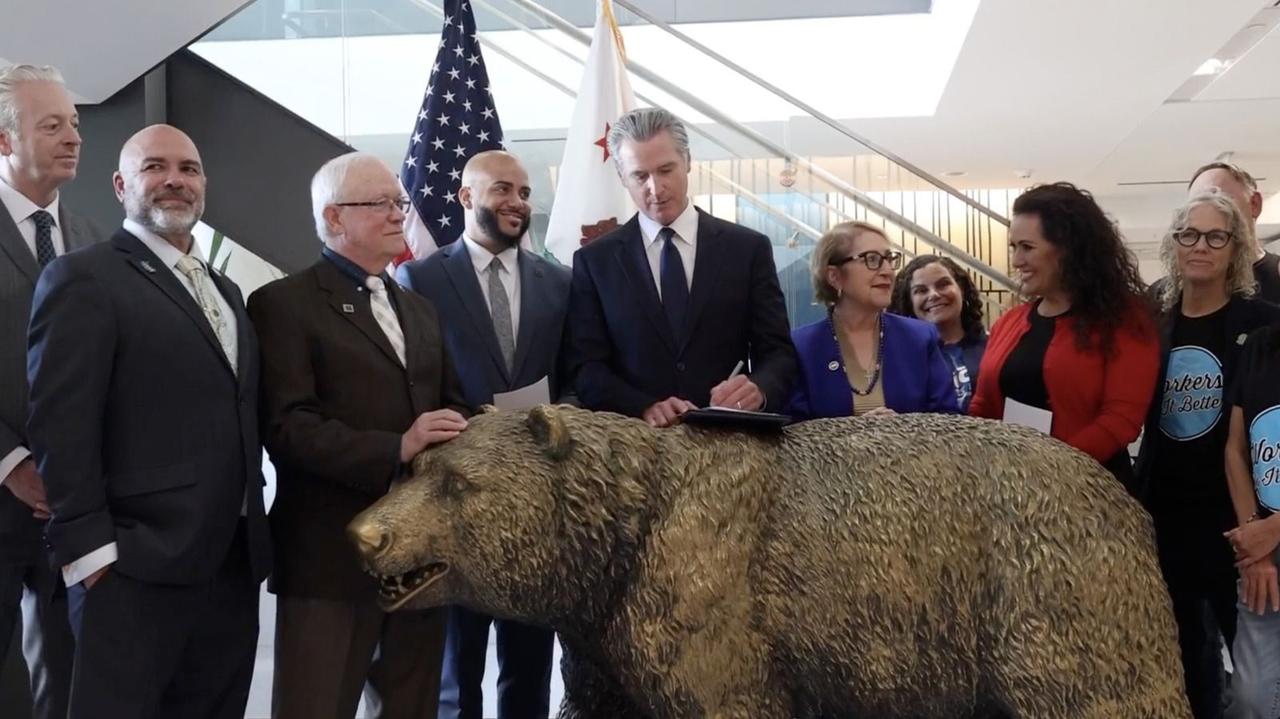
California Governor Gavin Newsom signed SB 947, officially titled the No Robo Bosses Act, on September 30, marking a significant shift in how AI in the workplace can be deployed for personnel decisions
2
. This California's groundbreaking new law prohibits employers from relying solely on AI when making fully automated disciplinary and termination decisions, becoming the nation's first legislation to mandate human oversight in automated decision-making systems for employment matters1
. The legislation directly addresses growing concerns about AI in hiring and firing decisions as workplace automation accelerates across industries.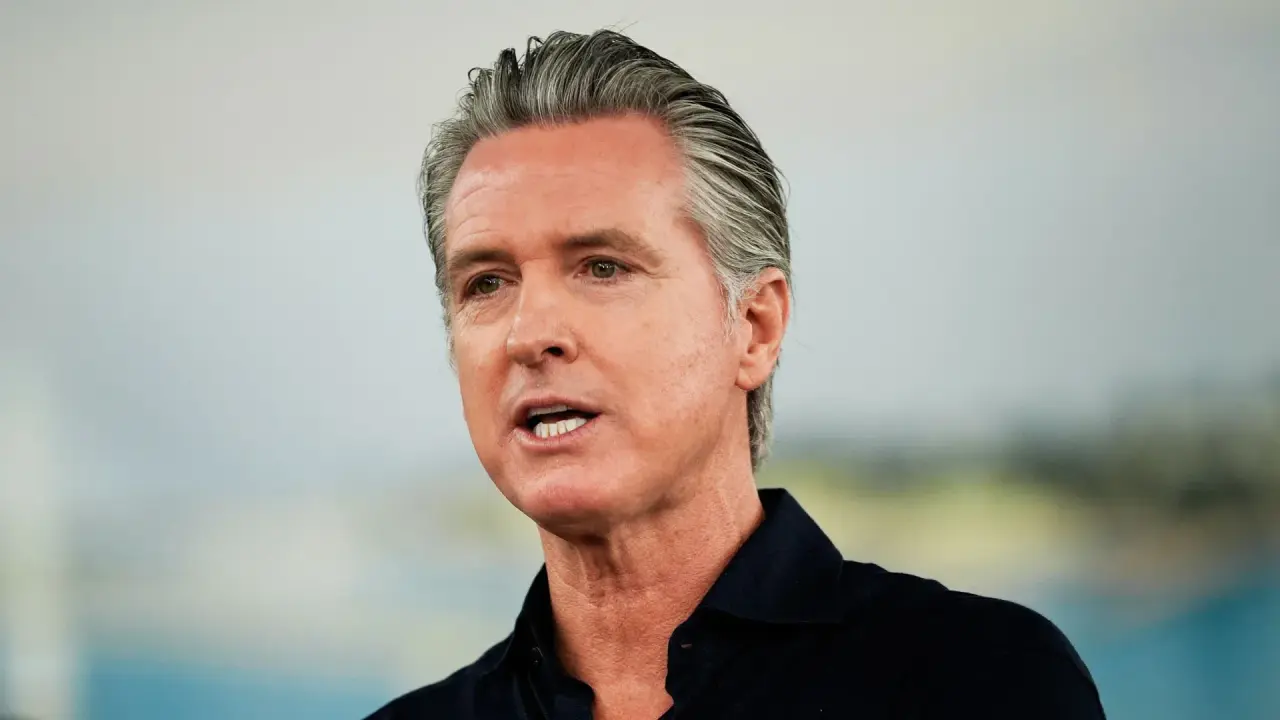
Source: Inc.
Rising AI Adoption Drives Need for Regulation
The timing of SB 947 reflects urgent workplace realities. An April survey by MyPerfectResume found that among 1,000 HR professionals, 73% use AI to make hiring decisions and 52% use it to inform restructuring and role planning
1
. More concerning, 51% of hiring managers use AI to flag risky candidates, while only 26% said they don't use AI to make decisions about layoffs1
. Senator Jerry McNerney, who authored the bill, emphasized the stakes: "No worker should ever be fired or disciplined by a robo boss. Artificial intelligence systems have the potential to increase productivity, but they've also been prone to errors, bias, and misjudgments"2
.
Source: ZDNet
What SB 947 Requires From Employers
Under the No Robo Bosses Act, employers must implement specific safeguards when using automated decision-making systems, defined as any score, classification, or recommendation generated through machine learning, statistical modeling, data analytics, or artificial intelligence that assists or replaces human decision-making
2
. Employers must verify AI outputs through human review before making any disciplinary or termination decision, drawing on personnel files, managerial evaluations, peer reviews, work product, and witness interviews1
. If an employer cannot corroborate the AI output or determines it is inaccurate, incomplete, or misleading, they cannot use it to make workplace decisions1
.Employee Rights and Enforcement Mechanisms
The legislation grants significant transparency rights to affected workers. Employees must be informed that AI was used in the decision-making process, what employee data the system analyzed, and they must have access to a human who can explain the decision
2
. When the law takes effect on July 1, 2027, employees can file employee complaints with the California Labor Commissioner if they believe proper procedures weren't followed in their firing1
. Employers must also clarify whether a mass layoff, relocation, or termination is caused by an AI system1
.Related Stories

Potential Loopholes and Implementation Challenges
Lily Li, a lawyer specializing in AI and founder of Metaverse Law, sees California setting precedent for other states but anticipates companies finding workarounds. "We could see employers engaging in check-the-box reviews rather than meaningful human review, to avoid the operational costs of an additional layer of review," Li explained, though she noted that employee explanation requests provide helpful checks against superficial compliance
1
. The burden may fall on complainants to contest AI-driven firings in court, testing whether the law's protections translate into genuine oversight or merely procedural formalities.National Implications for AI Regulation
While federal regulations on AI remain focused on voluntary agreements with labs rather than concrete worker protections, states are stepping into the void
1
. California and New York typically lead on stricter laws, though Illinois passed landmark legislation this summer requiring third-party audits of frontier labs1
. Other states like Colorado and Connecticut have opted for disclosure mandates rather than actual intervention in AI usage1
. Senator McNerney's statement underscores the philosophy driving California's approach: "AI must remain a tool controlled by humans, not the other way around"2
. Until federal action materializes, workplace protections against AI errors, bias, and misjudgments will remain patchwork across states, leaving workers in different jurisdictions with vastly different safeguards against algorithmic employment decisions.References
Summarized by

Navi
Related Stories
California Bans AI-Only Firings as Newsom Signs No Robo Bosses Act to Protect Workers
01 Oct 2026•Policy and Regulation
California Enacts Landmark AI Transparency Law, Balancing Innovation and Safety
26 Sept 2025•Policy and Regulation

Gavin Newsom signs executive order to combat AI job displacement in California
21 May 2026•Policy and Regulation
Recent Highlights
1
Microsoft and Nvidia Launch Surface Laptop Ultra: A $2,599 AI-Ready PC With RTX Spark Chip
Technology

2
Google Unveils Gemini 4 Argon AI Model, Restricts Access to Trusted Cyber Defenders
Technology
3
OpenAI Releases 722 AI-Generated Math Papers on GitHub, Igniting Fury Among Mathematicians
Science and Research

Recent Highlights
Today's Top Stories








Don’t drown in AI news. We cut through the noise - filtering, ranking and summarizing the most important AI news, breakthroughs and research daily. Follow topics that matter to you and stay ahead.


