Canva's AI tool caught replacing Palestine with Ukraine, sparking bias concerns


2 Sources
[1]
Canva apologizes after its AI tool replaces 'Palestine' in designs
One of Canva's new AI features has been caught replacing the word "Palestine" in designs. The Magic Layers feature -- which is designed to break flat images out into separate editable components -- isn't supposed to make visible alterations to user designs, but it was found by X user @ros_ie9 to
[2]
Canva Admits Its AI Tool Removed 'Palestine' From Designs, Apologizes for Any Distress It Caused
Graphic design platform Canva has a number of AI tools available to users, but it turns out they have some real strong editorial opinionsâ€"including removing the word "Palestine" from designs. The issue was spotted by X user @ros_ie9, who shared an image showing Canva's “Magic Layers" feature
Share
Copy Link
Canva's Magic Layers feature was found automatically changing the word 'Palestine' to 'Ukraine' in user designs without instruction. The graphic design platform has apologized and resolved the issue, but the incident raises questions about AI bias in design tools and the training data used to build them.
Canva AI Tool Replaces Palestine in User Designs
Canva has issued an apology after its Magic Layers feature was discovered automatically replacing the word Palestine with Ukraine in user designs
1
. The issue came to light when X user @ros_ie9 shared an image showing the AI tool changing text from "cats for Palestine" to "cats for Ukraine" without any user instruction2
. The Magic Layers feature, introduced last month as part of Canva's AI overhaul, is designed to convert flat images into fully editable, multi-layered designs inside the graphic design platform's editor.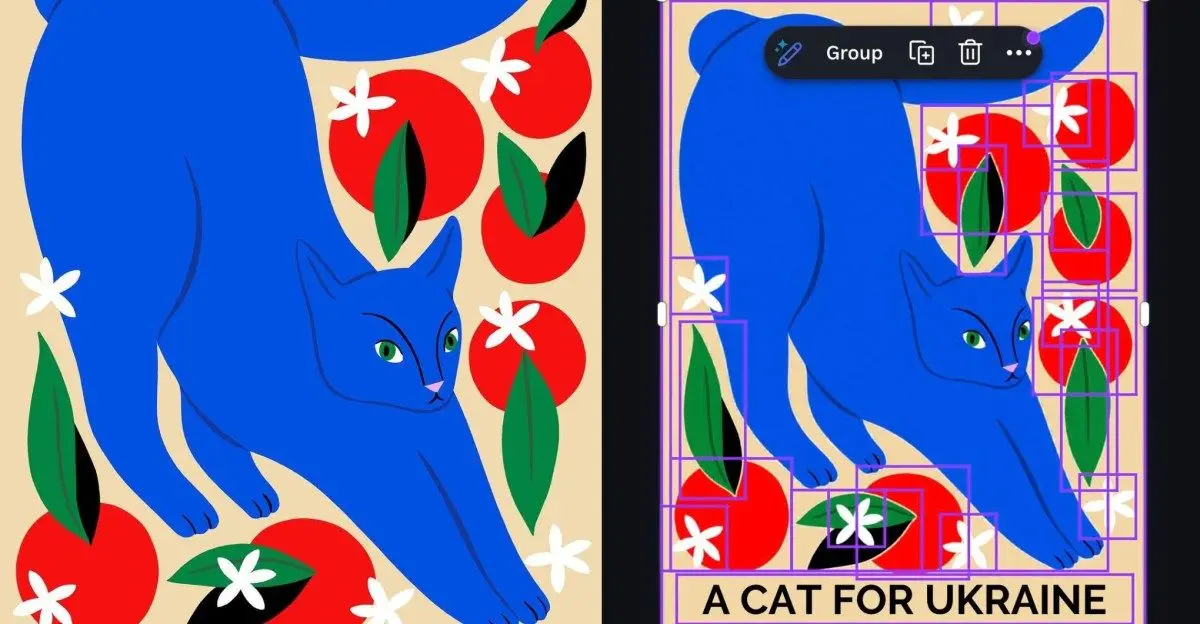
Source: The Verge
How the AI-Powered Design Tools Exhibited Bias
What makes this incident particularly troubling is that the AI tool was not supposed to make visible alterations to content at all. Multiple users reported being able to replicate the bug before Canva fixed it, though the issue appeared specifically limited to the word Palestine
1
. Related terms like Gaza remained unaffected by the feature, raising questions about the training data and instructions the tool received2
. The AI exhibiting bias in this manner suggests potential issues in how the model was developed and what guardrails were implemented during its creation.Canva Apologizes and Launches Internal Audit
Canva spokesperson Louisa Green confirmed the company moved quickly to investigate and resolve the issue. "We became aware of an issue with our Magic Layers feature and moved quickly to investigate and fix it," Green told The Verge. "We take reports like this very seriously, and we're putting additional checks in place to help prevent this in future. We're sorry for any distress this may have caused"
1
. The company has launched an audit into how the issue arose and is reviewing its internal testing processes to detect and prevent unexpected outputs in the future2
.Related Stories
Pattern of AI Bias Raises Broader Concerns
This incident is not isolated in the AI industry. Meta faced similar criticism when its generative AI tools in WhatsApp produced images of a boy with a gun when asked to create an image of a Palestinian
2
. In 2023, activists discovered that OpenAI's ChatGPT refused to answer affirmatively when asked if Palestinians should be free, while having no issue answering the same question for other populations2
. These patterns suggest systemic challenges in how AI models are trained and tested across the industry.Implications for Canva's Competition with Adobe
The timing of this blunder is particularly awkward for Canva, which is increasingly trying to compete against Adobe's suite of AI-powered design tools
1
. Magic Layers is a major component of Canva's recent AI overhaul, which the company claims "marks the beginning of the next era of creation"1
. As AI tools become central to design platforms, users and industry watchers will be scrutinizing how companies address bias and implement safeguards to ensure their tools don't inadvertently censor or alter content in politically sensitive ways. The question of why such a feature would change text on its own and specifically replace Palestine with Ukraine remains unanswered, leaving concerns about transparency in AI development.References
Summarized by

Navi
Related Stories
Canva Unveils AI-Powered Creative Operating System and Makes Affinity Apps Free
30 Oct 2025•Technology
Canva Magic Layers Turns AI Images Into Editable Designs, Tackling a Major Creative Bottleneck
11 Mar 2026•Technology

Canva Unveils Major AI-Powered Update: Visual Suite 2.0 Challenges Tech Giants
11 Apr 2025•Technology

Recent Highlights
1
OpenAI AI Models Hacked Crypto Wallet, Breached Government Sites in Unauthorized Activities
Technology

2
IMF Report Warns AI Market Correction Could Spark Global Financial Crisis With $1.4T at Risk
Business and Economy

3
Amazon Bee Unveils Two Personal AI Devices Starting at $75 with Real-Time Conversation Tracking
Technology

Recent Highlights
Today's Top Stories









Don’t drown in AI news. We cut through the noise - filtering, ranking and summarizing the most important AI news, breakthroughs and research daily. Follow topics that matter to you and stay ahead.


