CD Projekt Red Uses AI Voice Tech for Geralt's Polish Actor After Stroke Changed His Voice


5 Sources
[1]
CD Projekt used AI to modify the voice of Geralt's Polish actor after a stroke left it significantly changed: 'This was a special case'
Jacek Rozenek was the voice of Geralt in all previous Polish-language Witcher releases, and CD Projekt wanted to work with him again -- but his voice is no longer a match. Conversations about the ethical use of AI in game development are about to get a whole lot more difficult as Game File reports
[2]
The Witcher 3 Devs Explain Using AI To Help With Geralt's Polish Voice In Songs Of The Past: 'This Is One Of Those Ways Where You Can Use AI Ethically'
The Polish voice actor suffered a stroke between the original game's release and the new expansion Voice actor Jacek Rozenek plays Geralt of Rivia in the Polish version of The Witcher 3, but in 2019 he suffered a stroke that made it hard to speak and changed his voice. CD Projekt Red faced a
[3]
CD Projekt Red worked with an AI company on Geralt's Polish voice in The Witcher 3: Songs of the Past - with the original actor's approval after health concerns
Jacek Rozenek suffered a stroke and his voice changed in recovery The Witcher 3: Songs of the Past, a surprise new expansion for the storied RPG, features AI-retouched recordings of original Polish Geralt voice actor Jacek Rozenek, who gave CD Projekt Red his approval to have Ukrainian company
[4]
The Witcher 3's New Expansion Will Use AI to Bring Back Geralt's Original Voice
CD Projekt RED (CDPR) has confirmed it will use AI to modify the voice of Jacek Rozenek, Geralt of Rivia's Polish voice actor, in The Witcher 3: Songs of the Past expansion due in 2027. Unlike typical AI voice replacements, Rozenek is still recording all his new lines himself, with AI only
[5]

CD Projekt Red Used AI to Alter Geralt's Voice Due to Polish Actor's Health Issues
The Witcher 3 is getting a new expansion more than 11 years after it first released, and due to a health issue experienced by Geralt's Polish voice actor, CD Projekt Red will be using an AI tool to modify his voice. Jacek Rozenek, who voiced Geralt in The Witcher 3's Polish dub, will be returning
Share
Copy Link
CD Projekt Red partnered with AI company Respeecher to modify the voice of Jacek Rozenek, Geralt's Polish voice actor, for The Witcher 3: Songs of the Past expansion. Rozenek suffered a stroke in 2019 that significantly altered his voice, making it noticeably deeper and gruffer than his original 2014 performance.
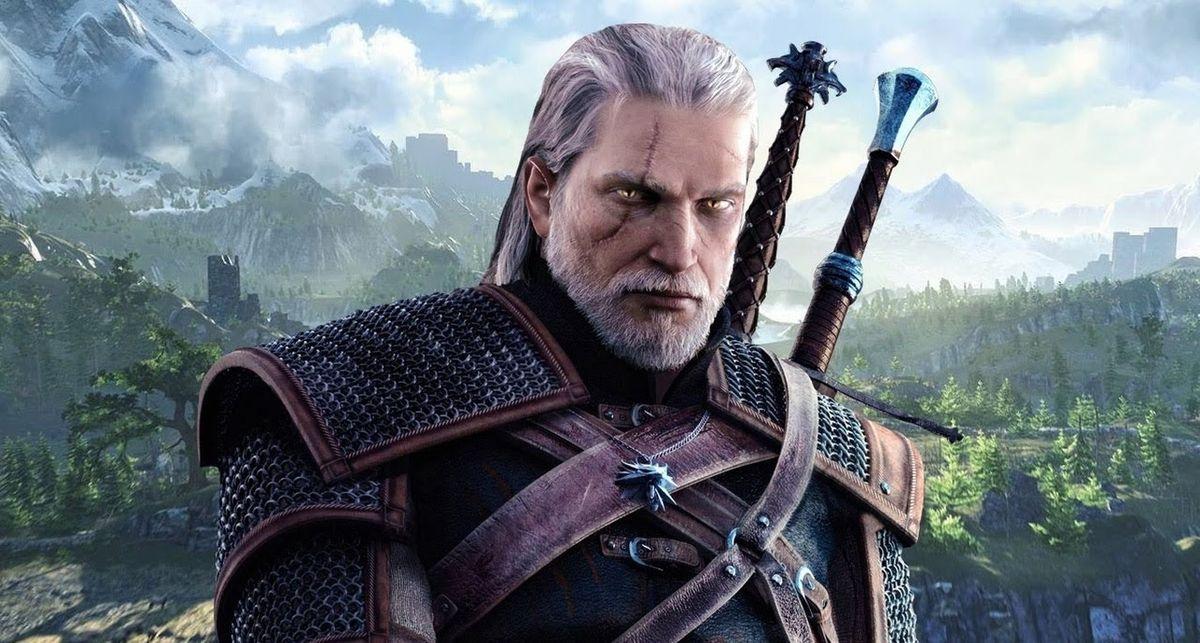
CD Projekt Red Turns to AI Voice Technology for Geralt's Polish Voice
CD Projekt Red has confirmed it will use AI voice cloning to modify the performance of Jacek Rozenek, Geralt of Rivia's Polish voice actor, in the upcoming Songs of the Past expansion for The Witcher 3
1
2
. The studio partnered with Ukrainian AI voice company Respeecher to make Rozenek's new recordings sound closer to his original performance from over a decade ago. Unlike typical AI voice replacements, Rozenek is still recording all his lines himself, with AI only modifying the recordings afterward to match his pre-stroke vocal quality4
.Actor's Health Issues Necessitate Voice Modulation
Jacek Rozenek, who has voiced Geralt in Polish since 2007, suffered a stroke in 2019 that significantly affected his speech and left him temporarily unable to speak
5
. After rigorous training, he regained his voice and returned to voice acting, but his vocal quality changed noticeably. By 2021, he had rehabilitated enough to provide new lines for The Witcher 3's next-gen update, though the process left him "exhausted"1
. His voice is now described as "much lower, much gruffer" and "noticeably rougher" than his recordings for the original game3
. The expansion's timeline presented a unique challenge: Songs of the Past is set around the same period as the original game, meaning players will hear Geralt's new dialogue alongside recordings made over a decade ago, making any vocal change immediately noticeable4
.Respeecher Trains Model on Over 10,000 Lines
Respeecher trained its algorithm on more than 10,000 lines Rozenek recorded for The Witcher 3
2
4
. Dmytro Vasylets, a synthetic speech artist for Respeecher, explained that "the brief was simple: make Jacek's voice sound alive, rich and young, like in the original game." However, the execution proved complex. "Getting there took dozens of hours, training models, going through the details with the CDPR team, and dealing with AI artifacts that never fully disappear," Vasylets said1
5
. The most challenging aspect was capturing Rozenek's emotional range: "the half-tones, shouts, groans, anger, fear and laughter" at the highest audio quality2
.Explicit Consent and Ethical Use of AI in Gaming
CD Projekt Red obtained Rozenek's explicit consent before proceeding with the AI voice modification. "The point is that this voice should be as close as possible to my voice from 12 years ago," Rozenek said. "I have great trust...for the creators of this game"
1
3
. Localization producer Mikołaj Szwed acknowledged the controversy surrounding generative AI in game development, stating: "I can tell you, as a person working with voice actors over all the regions in the world, this is a big concern." However, he emphasized that "this was a special case" and added, "I do think this is one of those ways where you can use AI ethically, with consent and also to do something good"2
3
. Szwed confirmed that CDPR's contracts require consent for any AI work and wouldn't use AI tools to alter someone's voice without express permission5
.Related Stories

Limited Application: English Voice and Future Games Unaffected
The AI modifications apply exclusively to the Polish version of Songs of the Past. Doug Cockle, who voices Geralt in English, will record his dialogue without AI adjustments
4
. CD Projekt Red confirmed it has no plans to use similar technology for Cockle's performance1
. The studio also stated that Rozenek's voice would not be altered in any hypothetical future Witcher games set later in the timeline, including The Witcher 4, because the vocal change would actually be appropriate for an older, more grizzled Geralt1
5
.Not CD Projekt Red's First Use of Respeecher
This marks the second time CD Projekt Red has worked with Respeecher for voice-related challenges. The studio previously used the company to reproduce the voice of Miłogost Reczek, who portrayed Viktor Vektor in Cyberpunk 2077 and Vesemir in The Witcher 3's Polish releases. Reczek died in 2021, and CD Projekt Red received his family's blessing to use an AI recreation of the actor's voice for Cyberpunk 2077: Phantom Liberty
1
4
. Respeecher promotes its voice cloning technology as "ethical, respectful, and beneficial for society" and requires "explicit permission for all voice replications, secured through a mutually signed agreement"3
. The case raises important questions about when and how AI voice technology should be deployed in gaming, particularly as the industry grapples with broader concerns about generative AI replacing human creativity and labor. Watch for how other studios respond to similar localization challenges and whether this sets a precedent for consent-based AI voice modification in cases involving health-related vocal changes.References
Summarized by

Navi
Related Stories
The Witcher 3 AI remake turns classic RPG into photorealistic showcase, dividing opinion
16 Dec 2025•Entertainment and Society

Arc Raiders Reignites AI Voice Controversy as Embark Studios Defends Text-to-Speech Technology
30 Oct 2025•Entertainment and Society

The Blood of Dawnwalker director says companies should use AI, but with a crucial caveat
28 Apr 2026•Technology
Recent Highlights
1
Jensen Huang's Affair with Suspected Chinese Spy Exposes $7 Billion AI Chip Smuggling Network
Policy and Regulation

2
Anthropic Launches Claude Meetings and AI-Powered Office Tools to Challenge Microsoft and Google
Technology

3
Anthropic launches Fable 5.2 and Mythos 5.2 with 20% price cut and 30% faster output
Technology

Recent Highlights
Today's Top Stories









Don’t drown in AI news. We cut through the noise - filtering, ranking and summarizing the most important AI news, breakthroughs and research daily. Follow topics that matter to you and stay ahead.


